
🌿 Brussels Winter Chervil
What it looks like
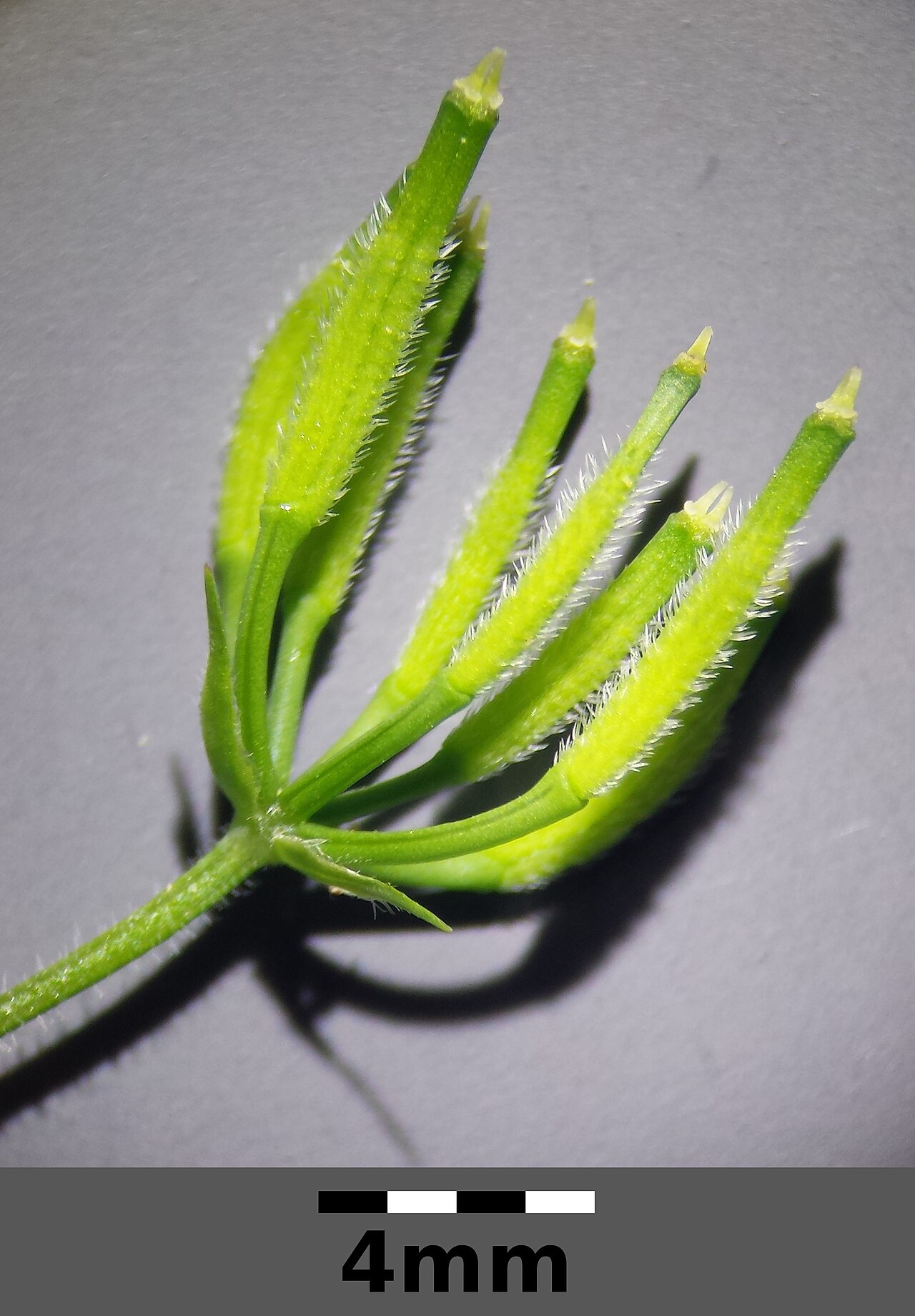
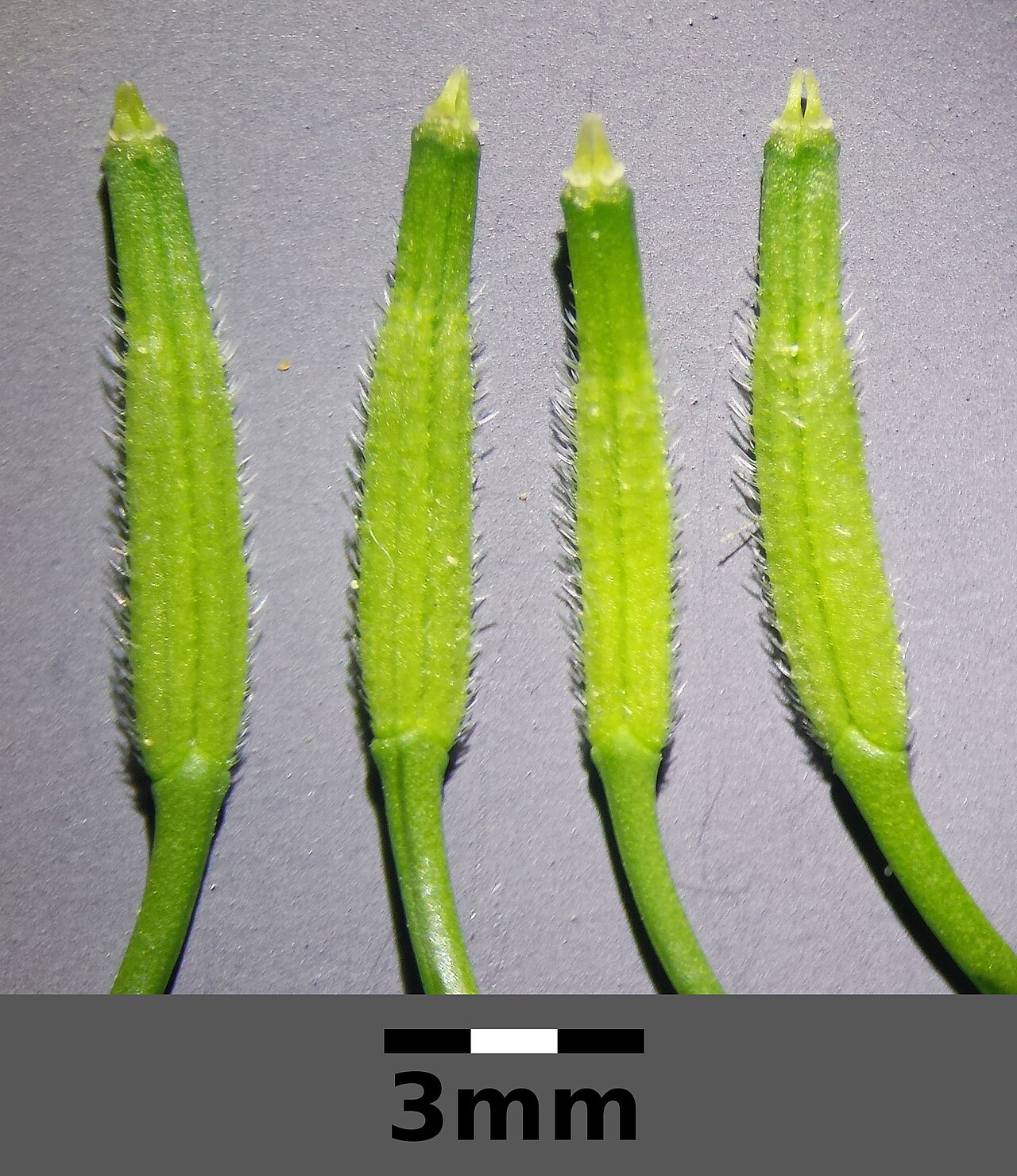
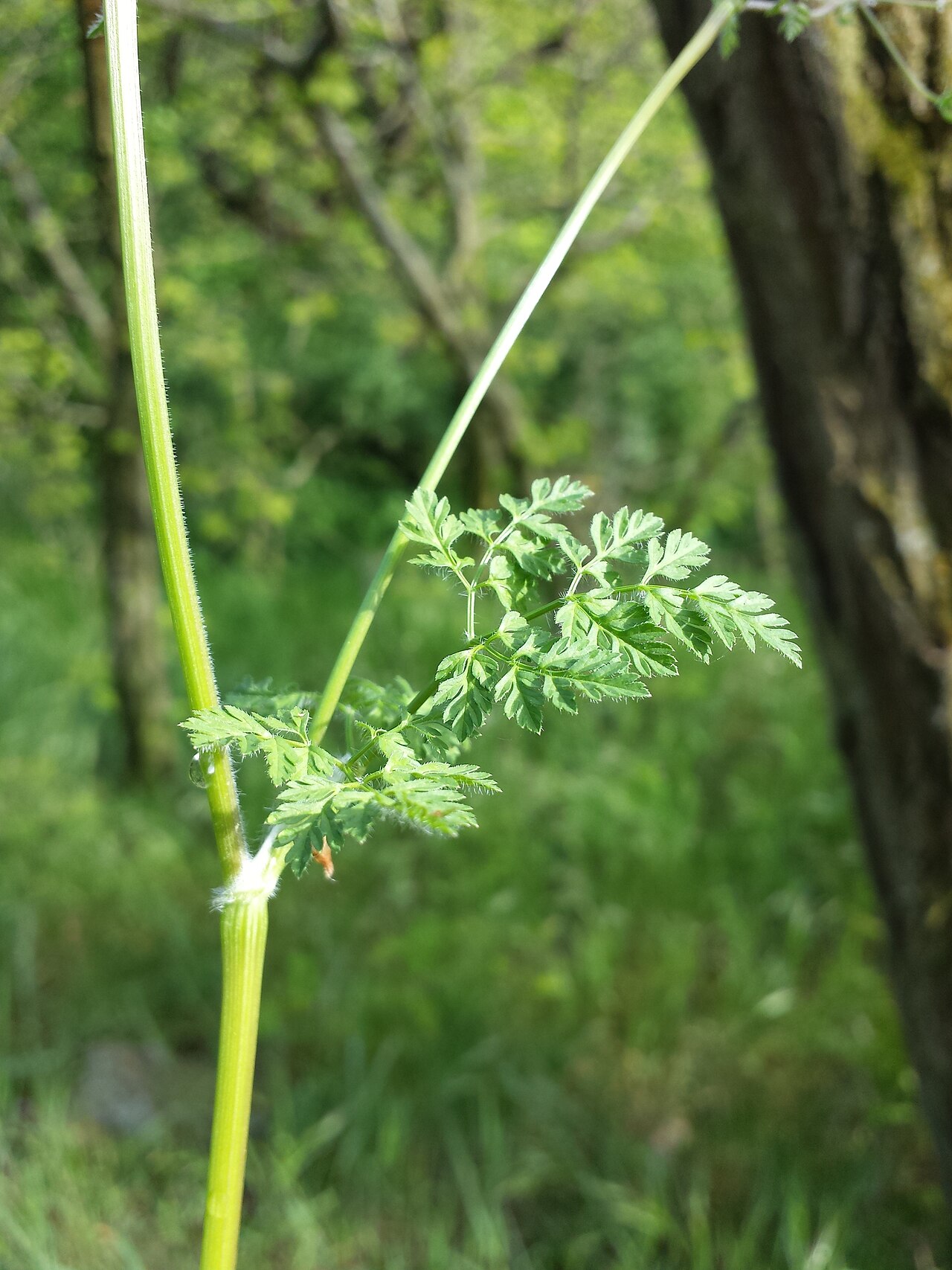
Why this variety
Brussels Winter is the chervil that made chervil reliable. It is the classic overwintering type of Anthriscus cerefolium — the delicate, anise-kissed herb of French fines herbes — selected to bolt later than the species and to survive cold that finishes off summer herbs, so a fall sowing can feed you through winter in mild climates and leap into spring growth elsewhere. If you have ever watched chervil bolt at the first warm week, Brussels Winter is the variety bred to buy you more weeks.
The flavor is the point and the reason to bother: gentle, parsley-like, with a whisper of anise and tarragon, the herb that makes egg dishes, fish, and light sauces taste finished rather than seasoned. It is not a bold herb and does not pretend to be — it is a refining herb, and Brussels Winter delivers that refinement over the longest season of any chervil type.
How to grow
Sow seed directly where it will grow — chervil resents transplanting, with its long taproot — in early spring as soon as soil can be worked, and again in late summer for a fall crop. In Florida, sow in fall for a winter-to-spring harvest and skip summer entirely. Sow shallowly, about a quarter inch deep, in part shade and moist, rich soil, and keep the bed evenly moist until seedlings are up.
Space or thin seedlings 6–9 inches apart and mulch lightly to hold moisture. Sow every few weeks for a continuous supply, and let a late patch go to seed for volunteers — chervil self-sows readily where it is happy. In cold climates, a fall-sown patch under a cold frame or heavy mulch often overwinters and gives the earliest spring leaves of any herb.
Water & feeding
Water steadily and gently; chervil wants consistently moist soil and sulks in drought, which also pushes it to bolt. A mulch layer and shade in warm weather do more for a chervil patch than any watering schedule can fix afterward.
Feed lightly with castings at sowing. Rich, moist soil suits chervil, but heavy nitrogen pushes soft growth that bolts faster — steady, moderate fertility is the goal.
Common problems
- Bolting in heat — the defining chervil problem. Sow in cool seasons, give afternoon shade, and harvest often; a bolted plant is done, so succession sowings are the real solution.
- Transplant shock — direct-sow only. Seedlings moved after the taproot forms sulk or bolt, and no amount of aftercare fully rescues them.
- Drying out — chervil wilts fast in dry soil and does not fully recover its tenderness. Mulch and consistent water prevent the crisped, bitter leaves that follow a dry spell.
- Carrot fly and aphids — chervil shares pests with its carrot-family cousins. Row cover over young plants deters carrot fly, and a jet of water handles aphids on tender growth.
Harvest
Pick outer leaves once plants reach 6 inches or so, cutting stems from the outside and leaving the center to keep growing — a cut-and-come-again herb that rewards regular picking. Leaves are best young and tender; older leaves coarsen and lose delicacy.
Use chervil fresh and add it at the very end of cooking — heat destroys its delicate flavor in minutes, which is why it garnishes finished dishes rather than simmering in them. Flowers are edible too and make a pretty, anise-scented garnish. Dry chervil poorly; freeze chopped leaves in water or oil if you must store it.
Browse all plant & pest guides
Saving seeds
Brussels Winter is a classic overwintering type, so it comes true from seed — save seed from your best plants and let a late patch go to seed for volunteers. The full method is in the Saving seeds section of the Chervil guide.