
🌿 Chervil
What it looks like
How to grow
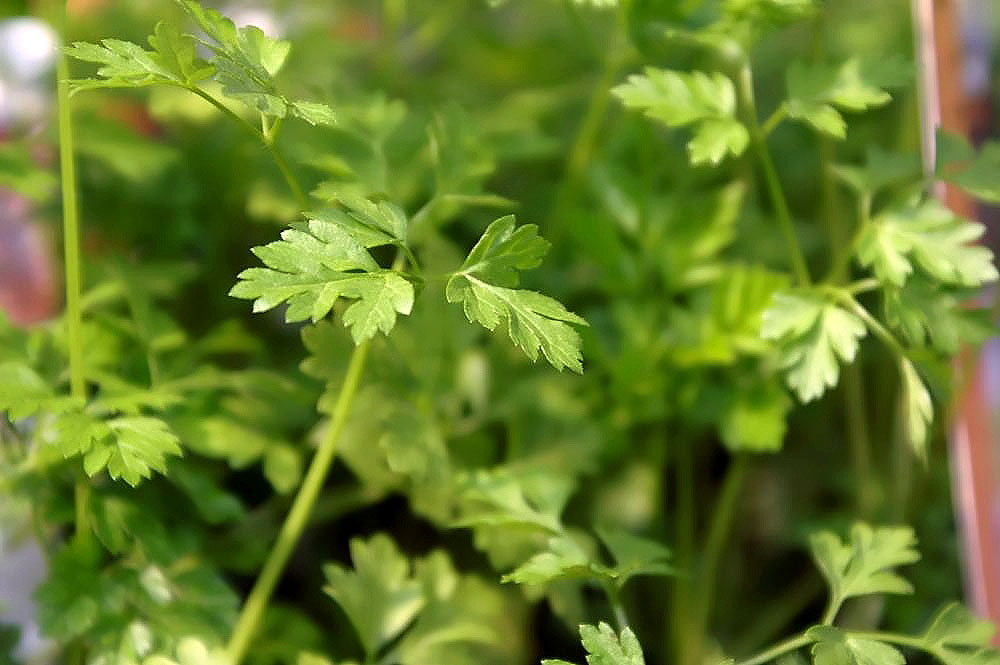
Chervil looks like parsley, grows like parsley, and then surprises you by tasting like a gentle cross between parsley and tarragon — which is why it is a staple of French fines herbes and a quiet star in egg dishes, salads, and soups. It is a cool-season annual that bolts the moment summer arrives, so the whole game is timing: sow seeds directly where they will grow in early spring, as soon as soil can be worked, and again in late summer for a fall crop. Chervil resents transplanting, so direct sowing is the reliable route. It prefers part shade, especially in warmer climates, and rich, moist soil — unlike the Mediterranean herbs, chervil actually wants to be pampered a little. Succession-sow every 2-3 weeks during cool weather for a steady supply, and let a few plants flower and seed if you want volunteers next season. In Florida and the Gulf South, grow chervil in fall through spring and treat summer as the off-season.
Water & feeding
Keep soil consistently moist — chervil wilts fast and bolts faster when dry. About an inch a week, more in containers. It is a moderate feeder: worm castings mixed into the bed at planting is plenty. Mulch to hold moisture and keep roots cool.
Common problems
- Bolting in heat — sow in cool seasons, provide shade, and succession-sow.
- Aphids on tender growth — blast with water or use insecticidal soap.
- Poor germination in warm soil — sow only when soil is cool, and keep seedbeds evenly moist.
- Slugs on young seedlings — use traps or barriers, and sow thickly so losses do not matter.
Harvest
Snip outer leaves as needed once plants are a few inches tall, taking no more than a third at once. Use chervil fresh — it loses almost all its flavor when dried, and freezing is only slightly better. Add it at the very end of cooking; heat destroys its delicate anise note in minutes. A handful of fresh chervil in scrambled eggs is the whole argument for growing it.
Browse all plant & pest guides
Saving seeds
Chervil makes seed saving feel like cheating, which is exactly why it suits a herb gardener. It is a cool-season annual that bolts at the first hint of heat, and bolting is usually announced as a disaster for leaf harvest. For seed, it is the plan. Set aside a few of your strongest plants, stop picking them, and let them flower, because a plant you keep snipping for the kitchen will never get around to making seed, and a plant you let flower is done making good leaves. You need both kinds of plant in the bed, and the seed plants are the ones you admire from a distance while the kitchen plants do the work.
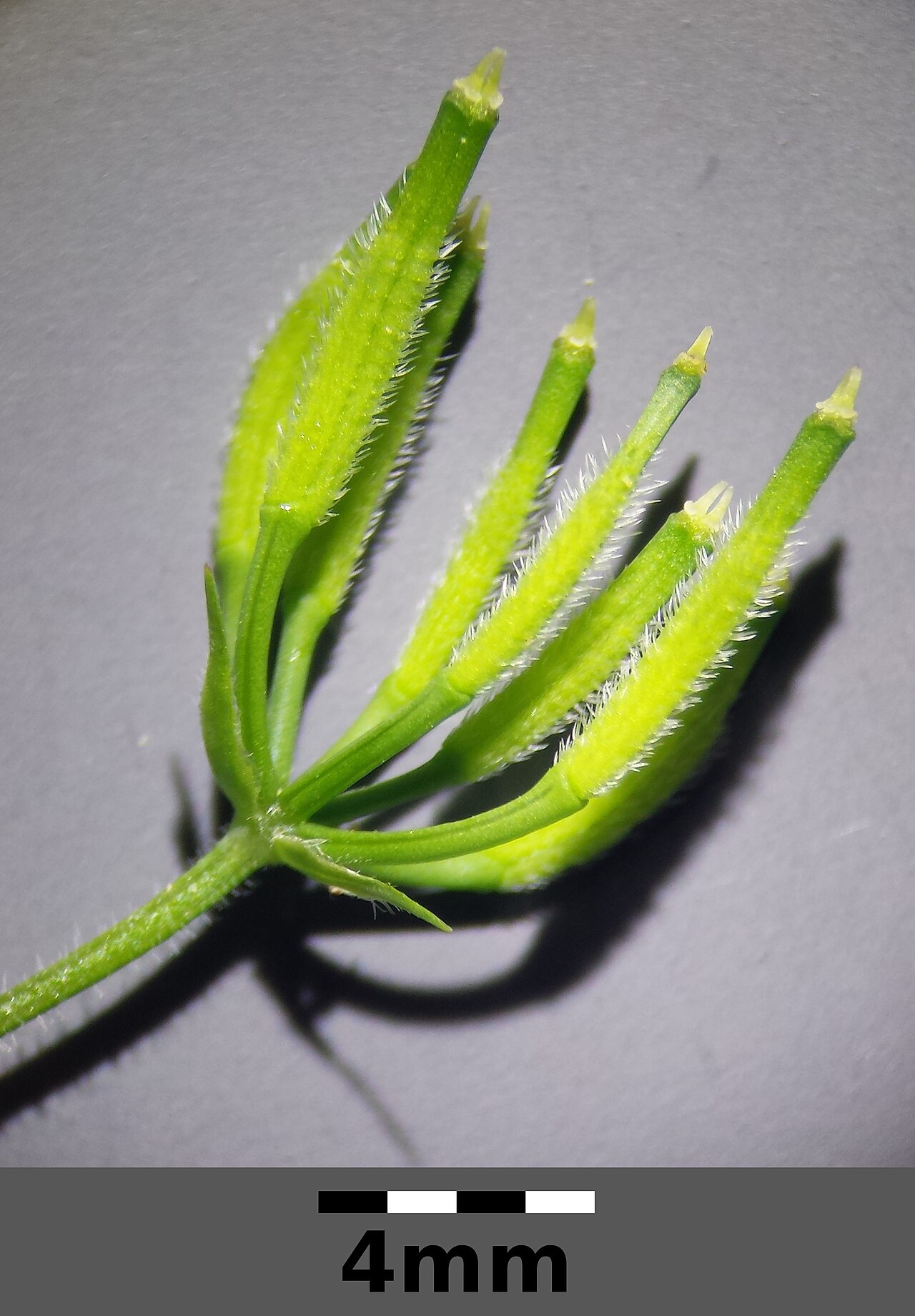
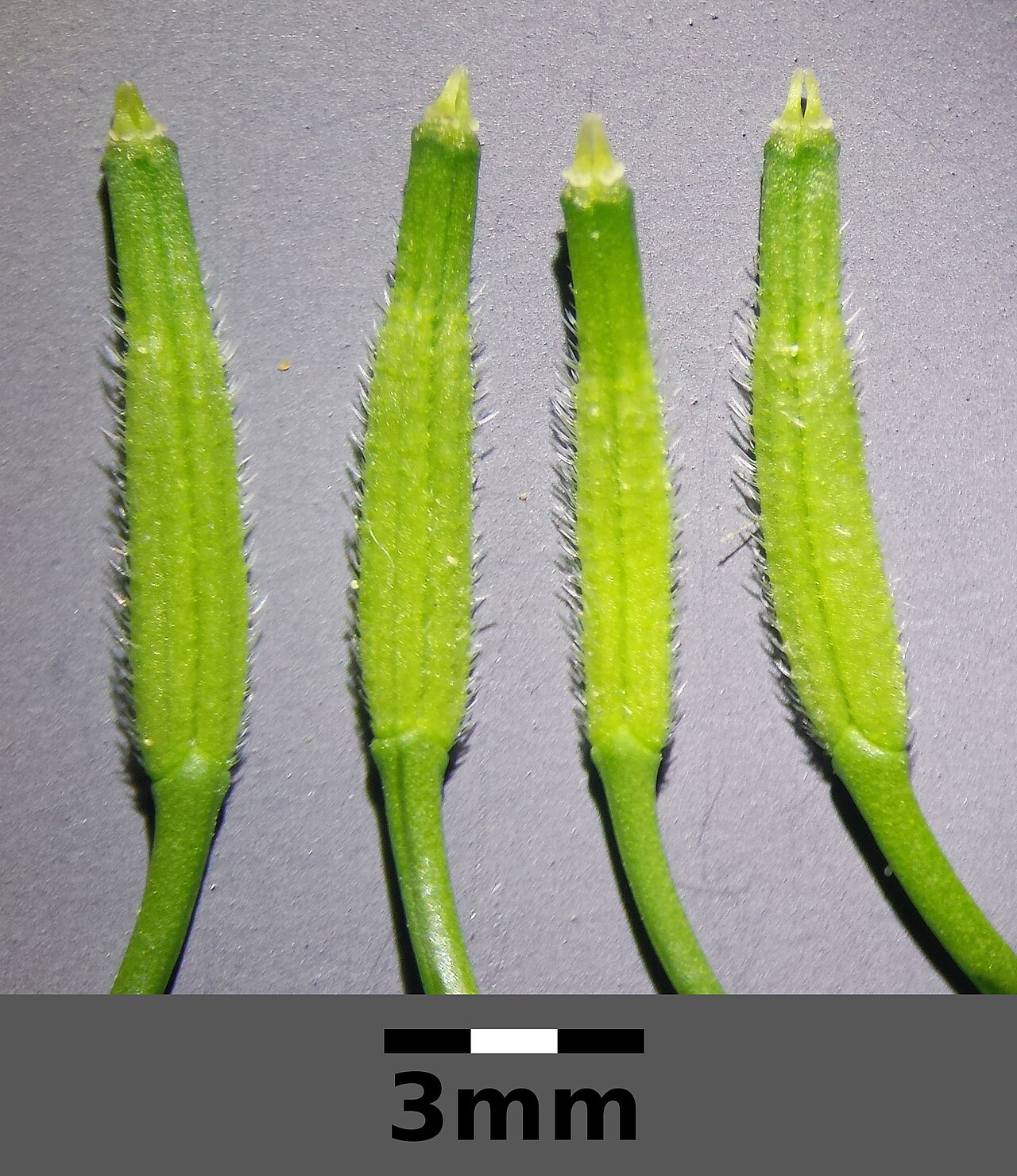
Chervil flowers in airy umbels, like a miniature parsley parasol, and the seeds that follow are long, thin, and dark brown when ripe. Wait until most of a head has turned brown and dry, then cut the whole head into a paper bag before the seeds shatter all over the bed, though a few escapees are part of the charm, since chervil self-sows readily and will often volunteer next season exactly where it fell. Let the heads dry fully indoors for a week or so, shake or rub them over a tray, and pick out the stems and chaff. There is no wet cleaning, no fermentation, and no drama: dry seed, clean seed, done. Sow saved seed where it is to grow, barely covered, because chervil’s taproot resents transplanting and its seed germinates best with light and steady moisture, not a deep burial.
Storage is where honesty matters, because sources disagree about chervil seed life, and pretending otherwise would be worse than useless. Some guides put viability at about a year, others at two to three years, and at least one stretches it to four. The safe reading is to sow saved seed within a year and treat anything older as a bonus, not a plan. In Florida humidity, that means drying seed completely, sealing it in a small airtight container with a desiccant packet, keeping it cool and dark, and labelling it with variety and year. A paper envelope in a humid shed is not storage, it is compost with extra steps. Keep the container in the house, or better, in the refrigerator, and sow a little thickly if the seed is past its first birthday, because germination will be thinner even if it is not gone.
Will saved seed grow true? With one variety flowering alone, usually yes, and chervil has no great reputation for crossing chaos in a home garden. If two varieties flower side by side, some crossing is possible, so grow one variety for seed, or accept a little mixing in the next generation and select the plants with the flavor you like. Let a few plants self-sow as insurance, collect seed from the rest as your deliberate stock, and succession-sow through the cool season, because chervil’s real secret is not one heroic harvest but a relay of small sowings, each one handing the baton to the next before the heat arrives.
Varieties
Every named variety of Chervil with its own growing guide:
- Brussels Winter Chervil — The overwintering chervil: the classic slow-bolting, cold-hardy type that carries the fines herbes garden through winter and into spring.
- Vertissimo Chervil — The slow-bolting modern chervil: vigorous, dark-green, and bred to hold its leaves longer before running to seed.
- Massa Chervil — The dark, flat-leaf chervil: smooth, deep-green leaves with better cold tolerance and a later bolt — the autumn-sowing specialist.