
🌿 Massa Chervil
What it looks like
Why this variety
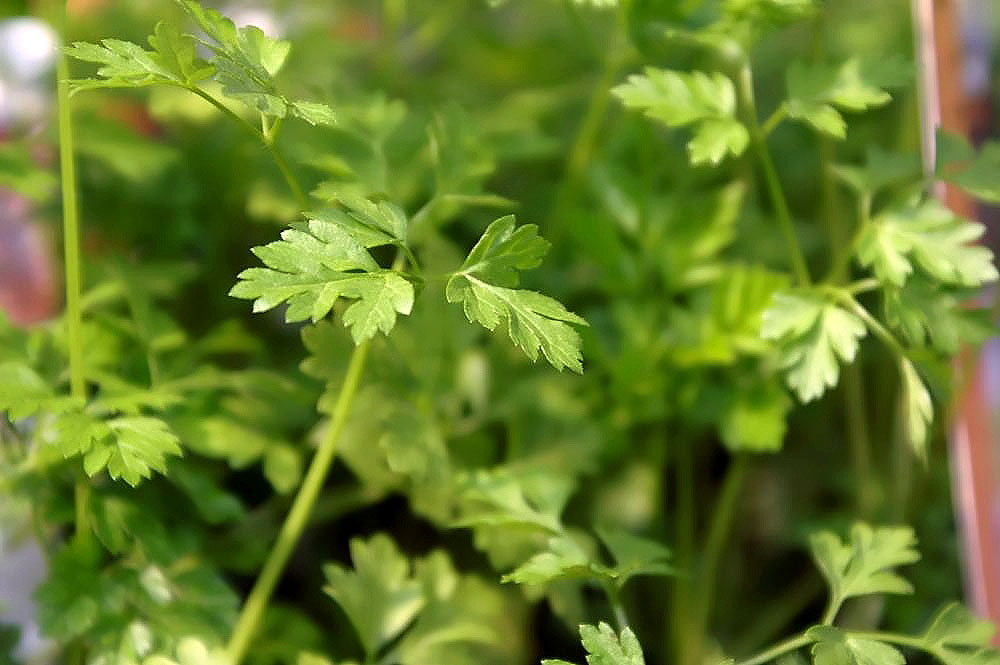
Massa is chervil for the autumn sow-er. It is a dark-green, smooth-leafed selection — a plain-leaf type rather than a curled one — noted for better cold tolerance than standard chervil and a later bolt, which makes it the variety seed houses recommend for autumn sowings that carry through winter in mild climates. Where other chervils check out at the first frost, Massa keeps its leaves.
The flat, dark leaves are also a kitchen advantage: they are easier to wash, chop, and measure than finely curled types, and they hold up a touch better in salads and as a garnish. The flavor stays classic chervil — gentle, anise-kissed, parsley-like — on a plant that is simply tougher and darker than the standard. For a fall-planted herb bed, that combination is hard to beat.
How to grow
Sow direct in early spring or, ideally, in autumn for a winter-to-spring crop; in Florida, fall sowing is the main window. Sow shallowly in part shade and moist, rich soil, and keep the bed evenly moist until seedlings establish. Chervil’s taproot makes transplanting a losing proposition, so sow where the plants will live.
Thin to 6–9 inches apart and mulch lightly. Massa’s cold tolerance means a fall patch often overwinters in mild climates with only a light mulch, and in colder spots a cold frame carries it through. Succession-sow every few weeks in the cool season for a steady supply, and let a late patch self-sow for volunteers.
Water & feeding
Water steadily; chervil wants consistently moist soil, and drought both wilts it and hurries it to seed. Mulch and shade are worth more than heroic watering after a dry spell.
Feed lightly with castings at sowing. Massa grows well in moderately rich soil; heavy feeding pushes soft growth that bolts sooner, so keep fertility moderate and moisture steady.
Common problems
- Bolting in heat — later than standard chervil, but heat still wins eventually. Cool-season sowing and shade are the plan, not a workaround.
- Transplant shock — direct-sow, always; moved seedlings sulk and bolt.
- Winter wet in heavy soil — cold tolerance does not mean wet tolerance. Plant in well-drained soil or raised beds so winter rain does not rot the crown.
- Carrot fly and aphids — row cover deters the fly on young plants, and a water jet clears aphids; stressed plants attract both.
Harvest
Pick outer leaves from about 60 days, leaving the center to regrow, and harvest often for the tenderest leaves. Massa’s smooth, dark leaves are excellent in salads, where their color shows, and as a finishing herb for eggs, fish, and soups.
Add chervil at the end of cooking — its flavor fades fast in heat — and use the edible flowers as garnish. Freeze chopped leaves in water for storage; drying wastes a good herb.
Browse all plant & pest guides
Saving seeds
Massa is chervil for the autumn sow-er: a dark-green, smooth-leafed selection — a plain-leaf type rather than a curled one — noted for better cold tolerance than standard chervil and a later bolt, which makes it the variety seed houses recommend for autumn sowings that carry through winter in mild climates. Chervil is sold only as open-pollinated seed in the trade — Fedco lists its chervil as open-pollinated, and Massa is a seed-sold selection — so saved seed comes true to the dark, flat leaves and the late bolt. Sow direct in early spring or, ideally, in autumn for a winter-to-spring crop, shallowly in part shade and moist, rich soil, and let a late patch self-sow for volunteers. The full method is in the Saving seeds section of the Chervil guide.