
🌿 Vertissimo Chervil
What it looks like
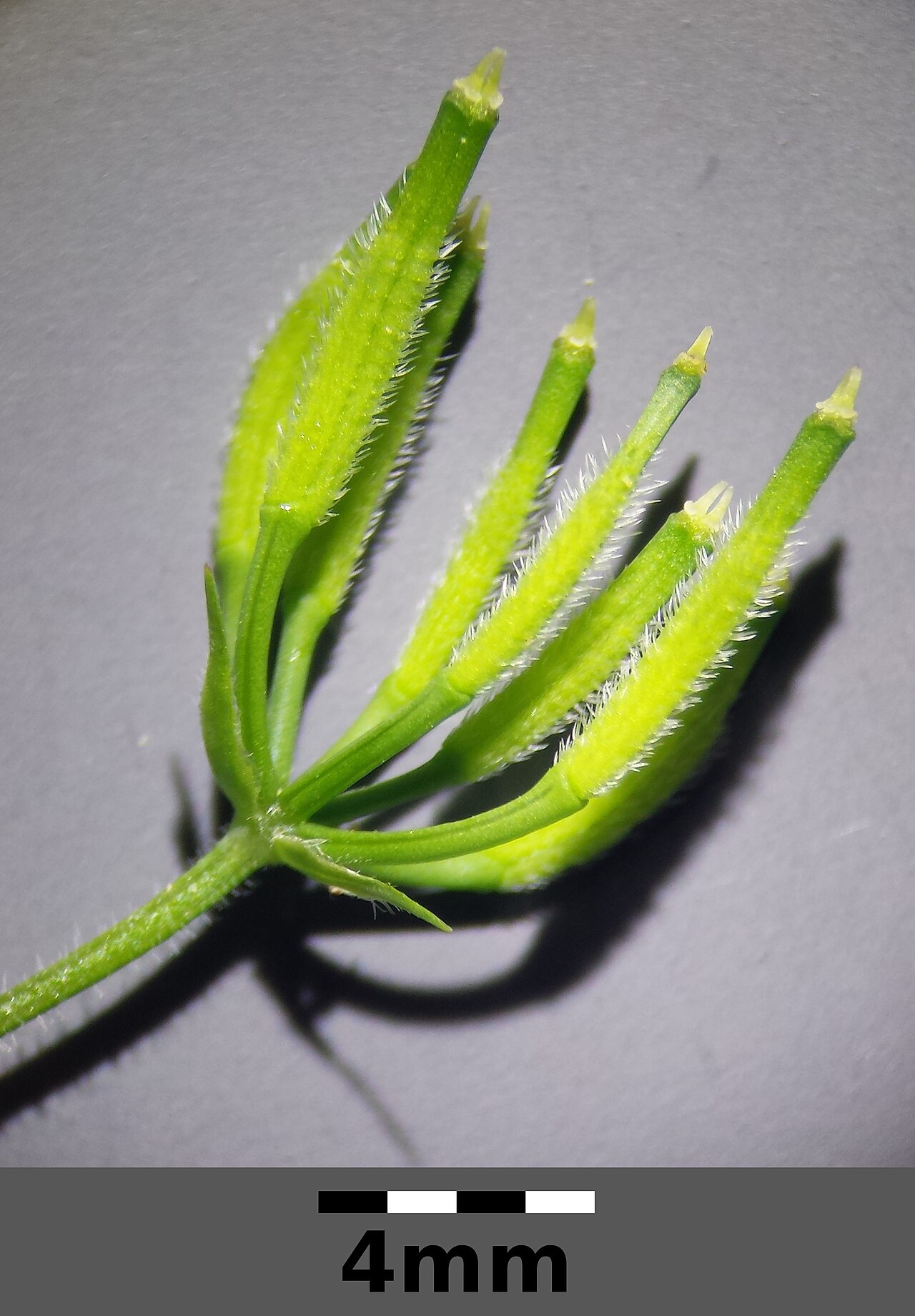
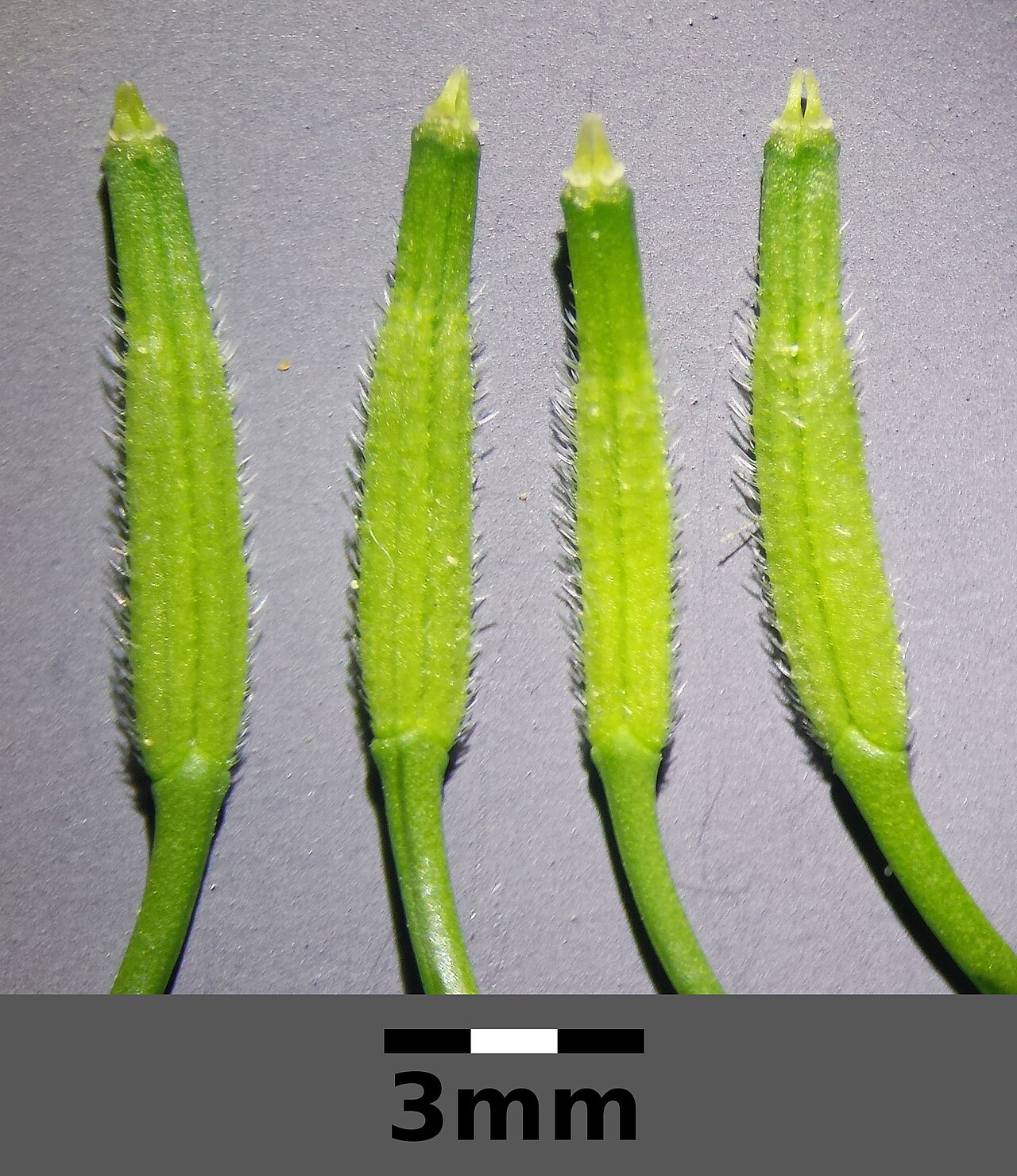
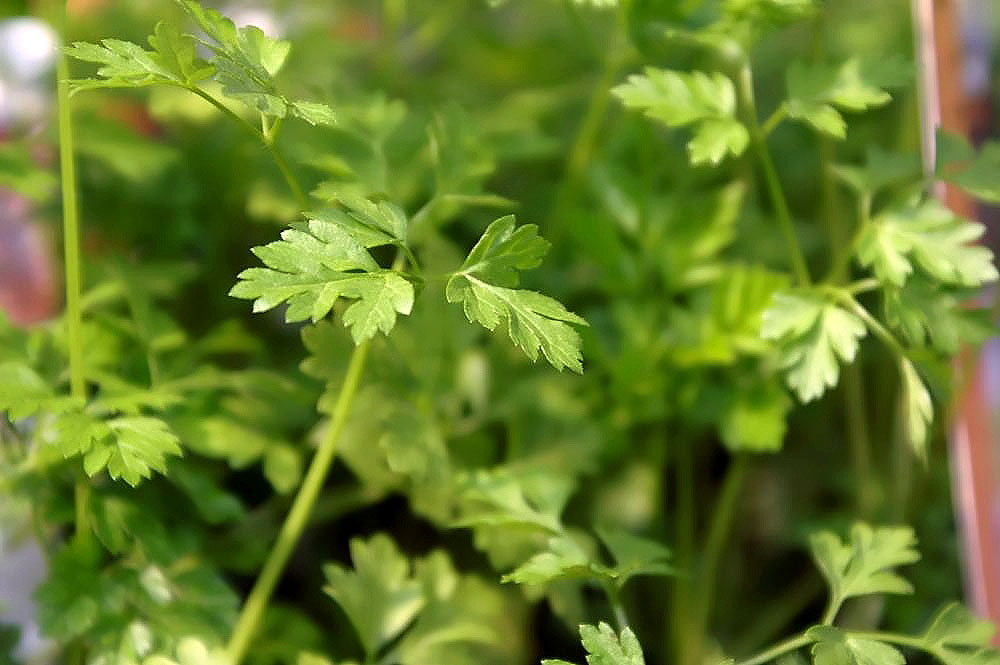
Why this variety
Vertissimo is Brussels Winter’s sharper successor: a modern selection of the Brussels Winter type, sold by major seed houses for trial-winning vigor, dark green leaves, and slower bolting than older chervils. Where the classic type buys you weeks, Vertissimo buys you a few more — and in a cool-season herb, a few more weeks is the difference between a garnish and a staple.
The leaves are the classic chervil package — finely cut, fern-like, mild and sweet with that unmistakable anise whisper — on plants that grow 10–16 inches tall and hold up well in containers as well as beds. If you grow chervil in pots on a shaded patio, or you succession-sow for a restaurant-style supply, Vertissimo’s vigor and bolt resistance are the traits you will notice first.
How to grow
Sow direct where it will grow, shallowly, in early spring or late summer; in Florida, fall sowing for winter-to-spring harvest is the reliable window. Chervil’s taproot resents transplanting, so direct sowing is not a preference but a rule. Keep the seedbed evenly moist until germination, which can be slow and uneven — sow a little thick and thin later.
Thin to 6–9 inches apart, mulch lightly, and give part shade in warm weather. Vertissimo performs well in containers, which also lets you move a pot into shade as days warm — a genuine advantage in Florida, where a bed in full sun in March is a bed in a furnace by May.
Water & feeding
Water consistently and gently; chervil wants moist soil at all times, and a dry spell both wilts leaves and triggers bolting. Mulch helps, shade helps more, and a watering can with a fine rose beats a hard hose spray on tiny seedlings.
Feed lightly with castings at sowing. Vertissimo is vigorous without heavy feeding, and overfed plants bolt sooner and taste coarser — moderate fertility, steady moisture, and shade are the whole program.
Common problems
- Bolting in heat — slower than most chervils, but not immune. Cool-season sowing, shade, and succession planting remain the answer; no variety outruns a Florida summer.
- Transplant shock — direct-sow only, and thin rather than move seedlings.
- Damping off in cold, wet seedbeds — sow in well-drained soil, do not overwater before germination, and give seedlings air.
- Carrot fly on roots and aphids on foliage — row cover for the fly, a water jet for aphids, and healthy, unstressed plants for both.
Harvest
Cut outer leaves from about 60 days, leaving the center growing, and pick often — regular picking delays bolting and keeps leaves tender. Vertissimo’s dark green leaves hold their color and flavor well when picked young.
Use fresh, added at the end of cooking, in salads, egg dishes, fish, and light sauces; the flowers are edible and garnish beautifully. For storage, freeze chopped leaves in ice-cube trays with water — dried chervil loses most of its charm.
Browse all plant & pest guides
Saving seeds
Vertissimo is Brussels Winter’s sharper successor: a modern selection of the Brussels Winter type, sold by major seed houses for trial-winning vigor, dark green leaves, and slower bolting than older chervils. Where the classic type buys you weeks, Vertissimo buys you a few more — and in a cool-season herb, a few more weeks is the difference between a garnish and a staple. The leaves are the classic chervil package — finely cut, fern-like, mild and sweet with that unmistakable anise whisper — on plants that grow 10–16 inches tall. Vertissimo is open-pollinated — Johnny’s lists it with “Hybrid Status: Open Pollinated” — so seed saved from it comes true to Vertissimo. Let a few plants bolt and set seed, then follow the chervil guide for collecting and storing it; chervil self-sows readily, so volunteers are often next year’s crop. The full method is in the Saving seeds section of the Chervil guide.