
🌼 Aureum Feverfew
What it looks like
Why this variety
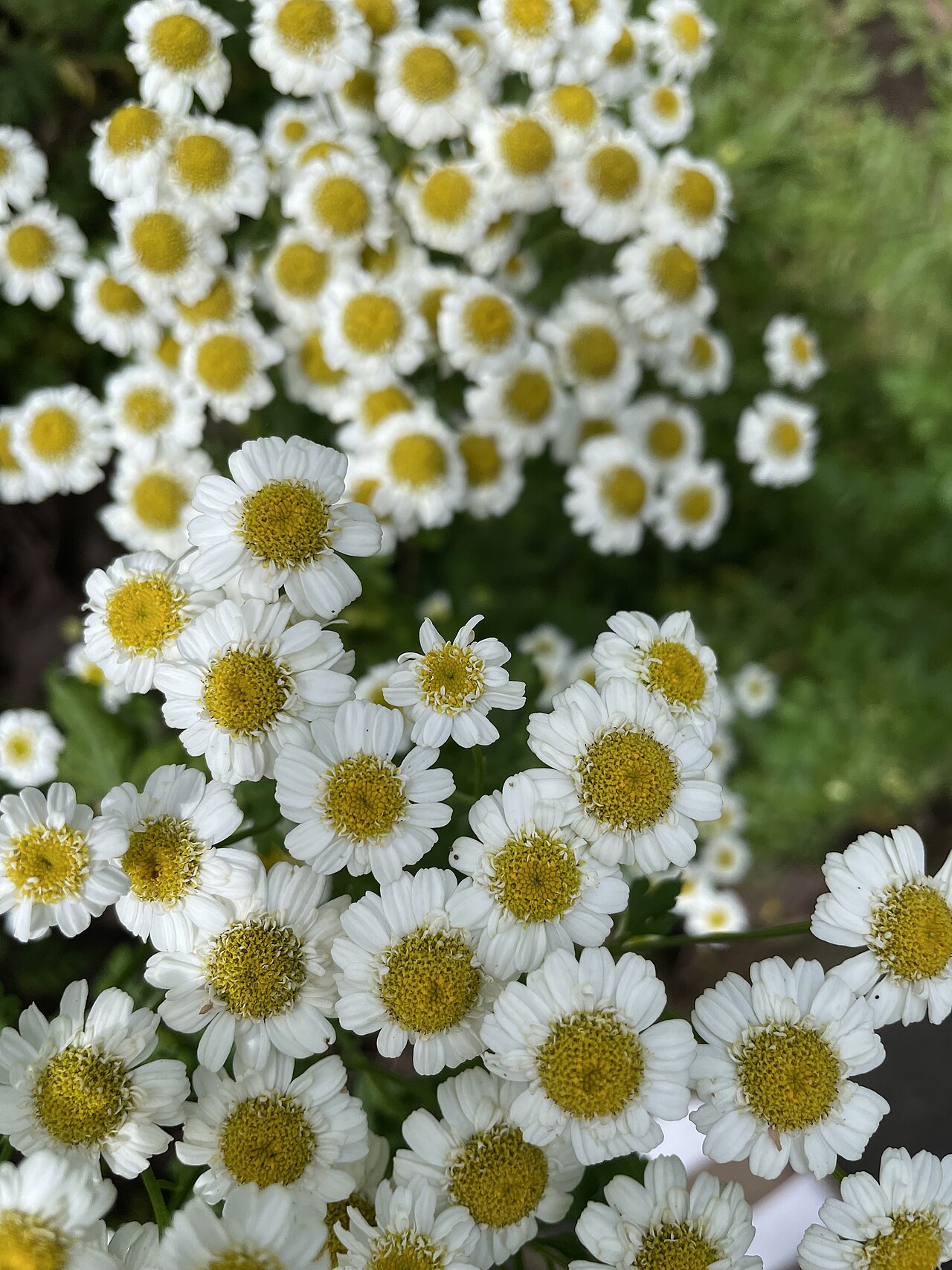
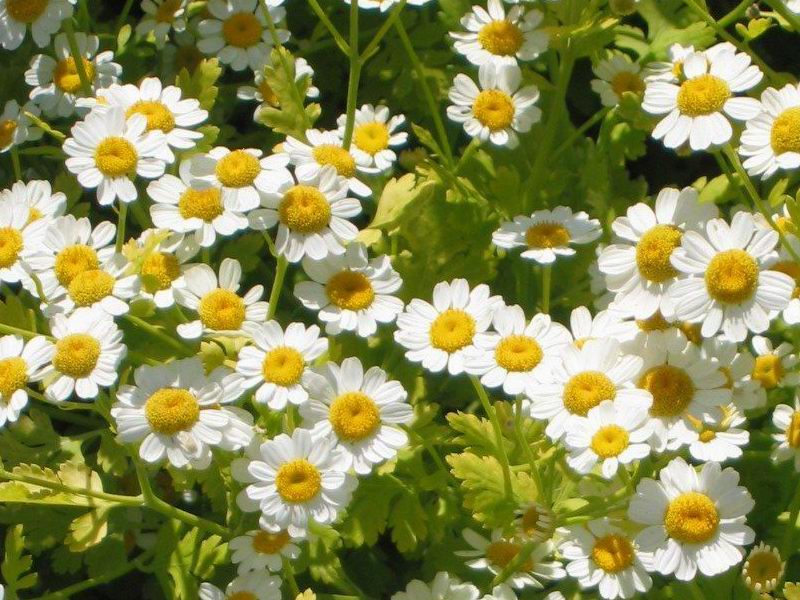
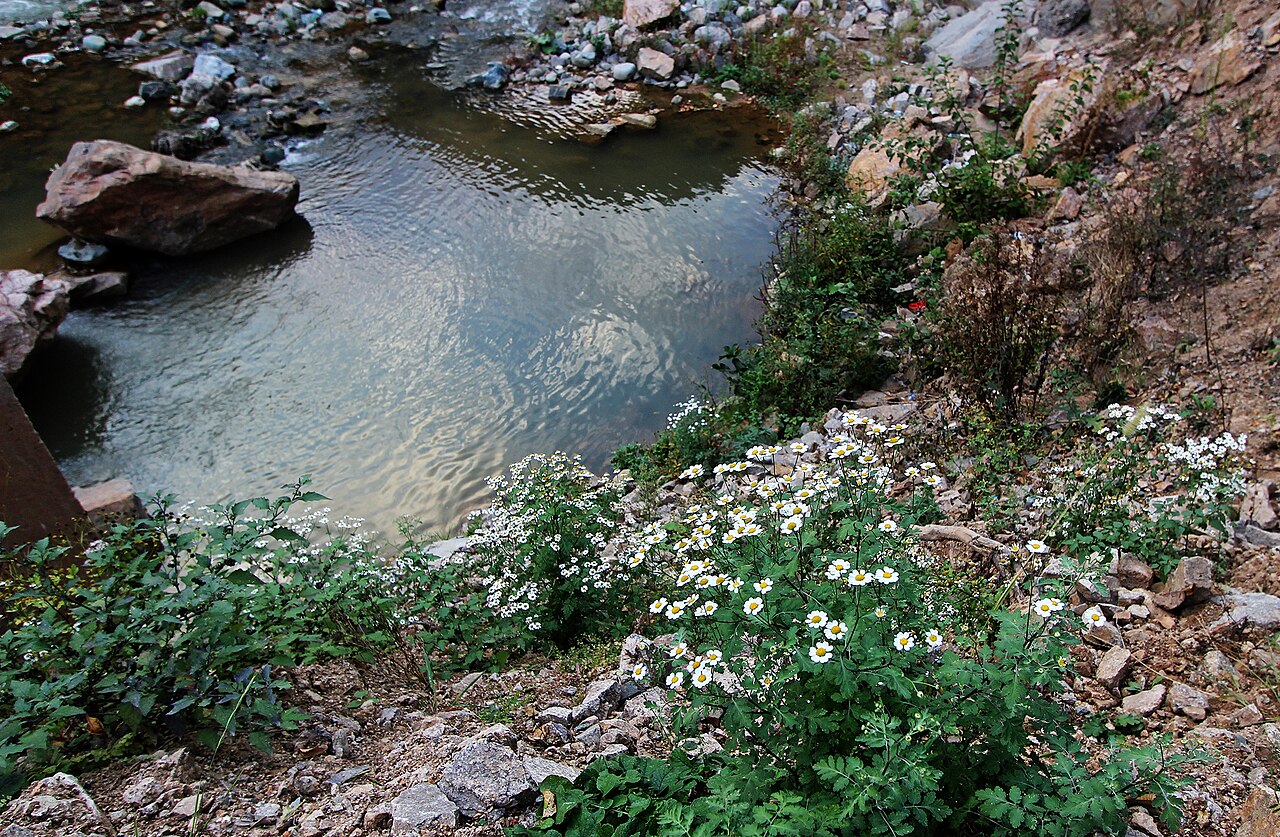
Aureum is feverfew with the foliage turned up to gold. The leaves emerge chartreuse and hold a bright golden-green through the season, especially vivid in cool spring weather, while the plant still carries the species’ sprays of small white daisies with yellow centers. In a border, it reads as a foliage plant first and a flower second — a splash of light among green herbs that never needs a bloom to justify its spot.
It is also a smaller, more compact plant than the species, around 12 inches tall, which makes it a front-of-border and edging plant rather than a back-row filler. Traditional-use framing, honestly: feverfew has a long folk history, and its leaves are strongly aromatic and bitter — handle with care, since some people develop skin or mouth sensitivity to feverfew foliage, and this guide makes no health claims for it. Grow Aureum for the gold, the daisies, and the pollinators, and leave the medicine chest out of it.
How to grow
Sow seed indoors 6–8 weeks before last frost or direct-sow in spring or fall, pressing seed onto the surface — feverfew seed needs light to germinate. Transplant into full sun to part shade and average, well-drained soil; it tolerates poor soil happily and sulks only in soggy ground. In Florida, treat it as a cool-season short-lived perennial in part shade, sown in fall.
Space 12–18 inches apart and deadhead spent flowers if you do not want volunteers — or let it self-sow and thin the seedlings, which is how most feverfew patches renew themselves. Cut plants back after the first flush for a second round of gold foliage and flowers.
Water & feeding
Water at planting and through establishment, then water when the top inch dries. Aureum tolerates short dry spells once rooted but flowers best with steady moisture; soggy soil is its one real enemy, inviting crown rot.
Feed lightly or not at all. Poor to average soil keeps Aureum compact and golden; rich soil pushes leggy, greener growth that loses the very color you planted it for.
Common problems
- Self-sowing — Aureum volunteers freely. Deadhead before seed ripens for a tidy bed, or embrace the colony and thin in spring.
- Heat fade in summer — in Florida, expect a summer slump and a fall revival; part shade and steady water stretch the season.
- Crown rot in soggy soil — plant in well-drained soil or raised beds, never in a puddle.
- Skin sensitivity — some people react to feverfew foliage on contact. Wear gloves when handling large quantities, and wash hands after cutting; this is a plant to admire and handle with respect, not to rub on skin.
Harvest
Pick leaves from about 60 days and flowers from 70–90 days, cutting stems for bouquets or drying. The golden foliage makes a striking filler in fresh arrangements, and dried flower heads store well in a sealed jar out of light.
Cut plants back by half after the main flush for fresh gold growth and a second flowering. Leave a few heads to seed at season’s end if you want volunteers next year — or deadhead everything for a clean bed and buy fresh seed.
Browse all plant & pest guides
Saving seeds
Aureum is a golden-leaf form, so seed saved from it won’t come true — buy plants instead. The Saving seeds section of the Feverfew guide covers seed for the straight species.