
🌼 Feverfew
What it looks like
How to grow
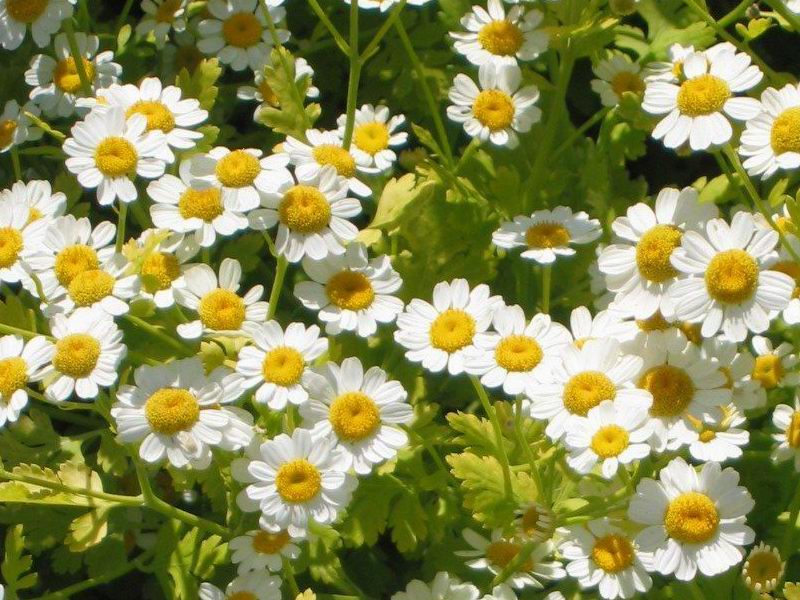
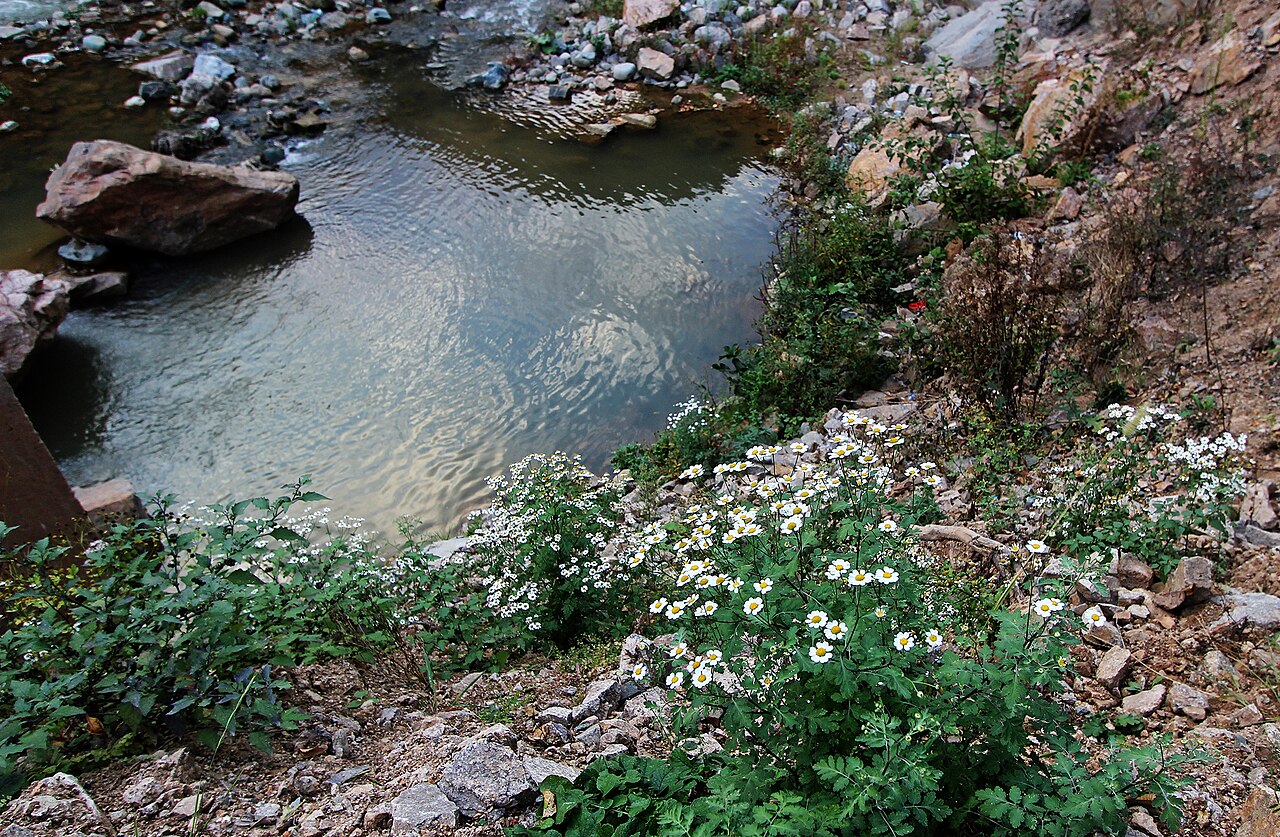
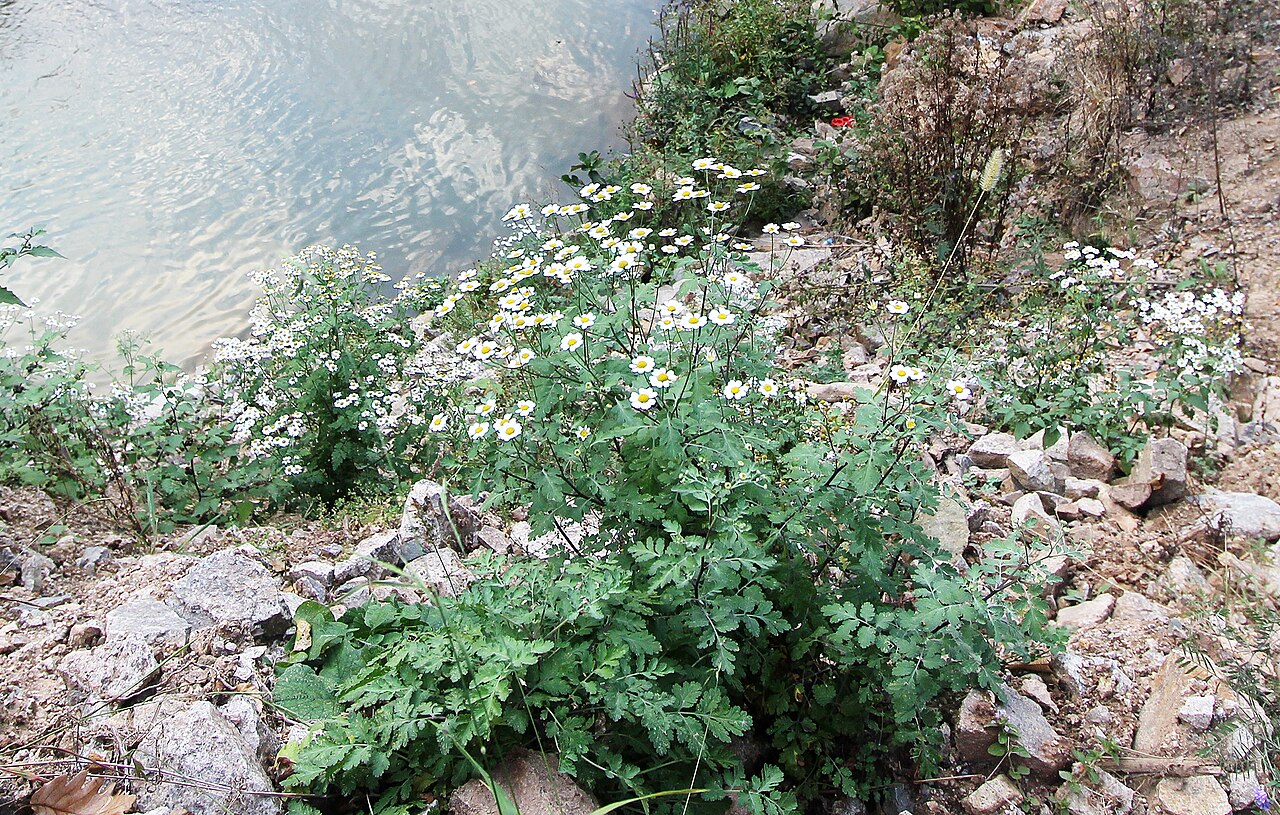
Feverfew is a short-lived perennial with lacy, aromatic leaves and masses of small white daisies with yellow centers. Start seeds indoors 6-8 weeks before last frost or direct-sow in spring or fall, pressing seeds onto the soil surface — they need light to germinate, so do not bury them. It tolerates average, well-drained soil and is unbothered by poor soil, but it sulks in soggy ground. Give it full sun in cool climates and afternoon shade where summers are brutal. Plants reach 18-36 inches and flower from early summer on, drawing in pollinators by the dozen. Deadhead if you do not want seedlings everywhere, because feverfew reseeds with enthusiasm and will happily colonize a gravel path.
Water & feeding
Water regularly until established, then about an inch a week; feverfew tolerates short dry spells once its roots are down. It is a light feeder — compost or worm castings at planting is plenty, and too much nitrogen gives you floppy stems and fewer flowers. Mulch lightly to hold moisture, but keep mulch off the crown in wet winters, where rot is the main enemy.
Common problems
- Aphids on buds and stems — blast with water and let ladybugs do the rest; avoid heavy nitrogen that invites them.
- Powdery mildew in crowded, humid beds — space for airflow, water at the base, and cut out affected stems.
- Seedlings everywhere — deadhead spent flowers before they set seed, or embrace the chaos and thin volunteers in spring.
- Flopping in rich soil or shade — grow in sun and lean soil, and cut plants back by a third after the first flush to keep them bushy.
Harvest
Snip leaves as needed through the season, and cut flowering stems just as the daisies open if you want to dry them — hang small bunches upside down in a dark, airy spot. Leave a few flowers to set seed if you want next year’s volunteers. Fresh leaves are intensely bitter and aromatic, so handle the plant with gloves if your skin is sensitive, and wash hands after cutting.
Browse all plant & pest guides
Saving seeds
Feverfew is the easiest seed-saving plant on this list, and also the one most likely to save itself whether you ask it to or not. This is a prolific self-seeder: leave a few flower heads alone and you will have volunteers next year, and the year after that, and possibly in the cracks of the path as well. Saving seed deliberately is mostly about choosing where those volunteers appear, instead of letting the plant decide for you, which it will do with great enthusiasm and no sense of garden design.
Let some flowers finish completely. When the little white daisies have faded and the heads have turned brown and dry, cut the stems and drop the heads into a paper bag, head-first, then hang the bag or lay it in a cool, dry place for a few days to finish drying. Shake the bag hard, and the tiny, light-brown seeds will fall out with a quantity of chaff that seems wildly out of proportion to the seed. That is normal. Winnow gently or pick out the larger bits of chaff by hand, and do not obsess over perfect cleanliness: feverfew seed is so small that chasing every fleck of chaff will drive you mad, and a little chaff in the packet does no harm. Dry the cleaned seed thoroughly, spread thin for a week or so, before it goes into storage, because Florida humidity will turn a damp packet into a moldy packet with impressive speed. Store in an airtight container or a sealed paper envelope inside a jar, with a desiccant packet, in a cool, dark place. Stored this way, feverfew seed is often cited as staying viable for around two years, though your own germination will tell you more than any number: if a pinch sown on damp mix sprouts within a couple of weeks, the lot is good.
Sowing is where feverfew shows its daisy-family manners. The seed needs light to germinate well, so surface-sow it, pressing it gently into moist mix or soil without burying it, and keep it evenly moist until seedlings appear, usually within about two weeks in warmth. Sow indoors in late winter or direct-sow in spring, or let the plants do it themselves in fall, which is how most established feverfew patches perpetuate themselves. Wear gloves when you handle the plants and the seed heads, because feverfew contains parthenolide, the bitter compound behind its herbal reputation, and some people develop skin sensitivity from handling the foliage. Wash your hands after cutting, and do not rub your eyes mid-harvest, which is advice born of experience, not theory.
Will seedlings grow true? Feverfew is self-fertile, so a lone plant can set viable seed on its own, but insects also visit the flowers, so seed from a garden with several types nearby can carry some crossing. The plain species type generally comes true enough that you will recognize it, but named forms, like double-flowered types or golden-leaved forms, may not: their seedlings can revert toward the plain green, single-flowered plant, which is charming if you like surprises and disappointing if you wanted a matched row of doubles. If a named form matters to you, propagate it by division or cuttings instead, and let seed saving be the way you keep the species going. And the control note: if you do not want feverfew everywhere, deadhead ruthlessly before seed forms, leaving only the heads you intend to save.
Varieties
Every named variety of Feverfew with its own growing guide:
- Aureum Feverfew — Golden feverfew: chartreuse-gold foliage that lights up a border, under the same small white daisies — the ornamental feverfew that still smells like the apothecary.
- Flore Pleno Feverfew — Double feverfew: fluffy white pompon buttons instead of daisies, on the same self-sowing, cottage-garden perennial.