
🌼 Flore Pleno Feverfew
What it looks like

Why this variety
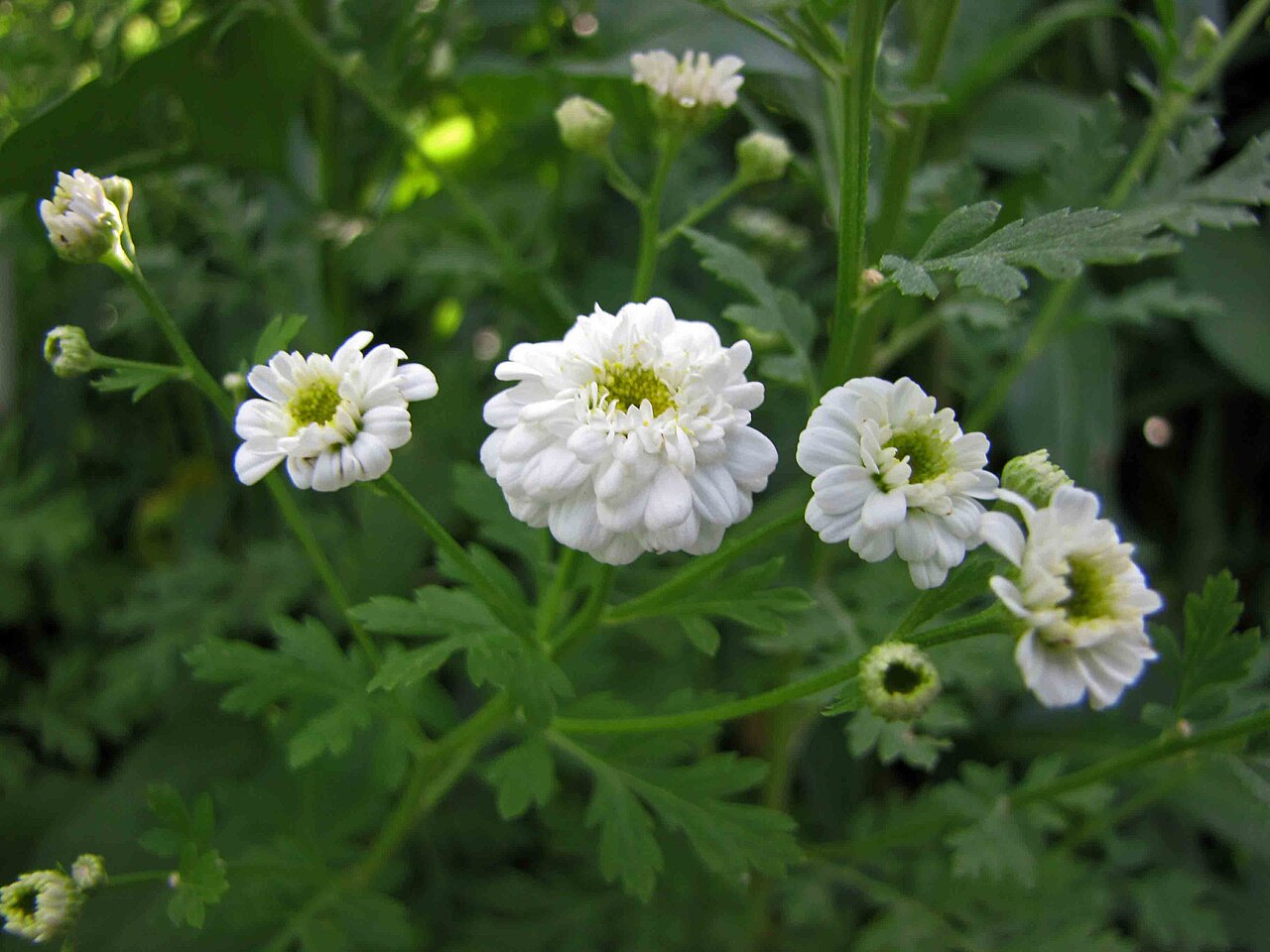
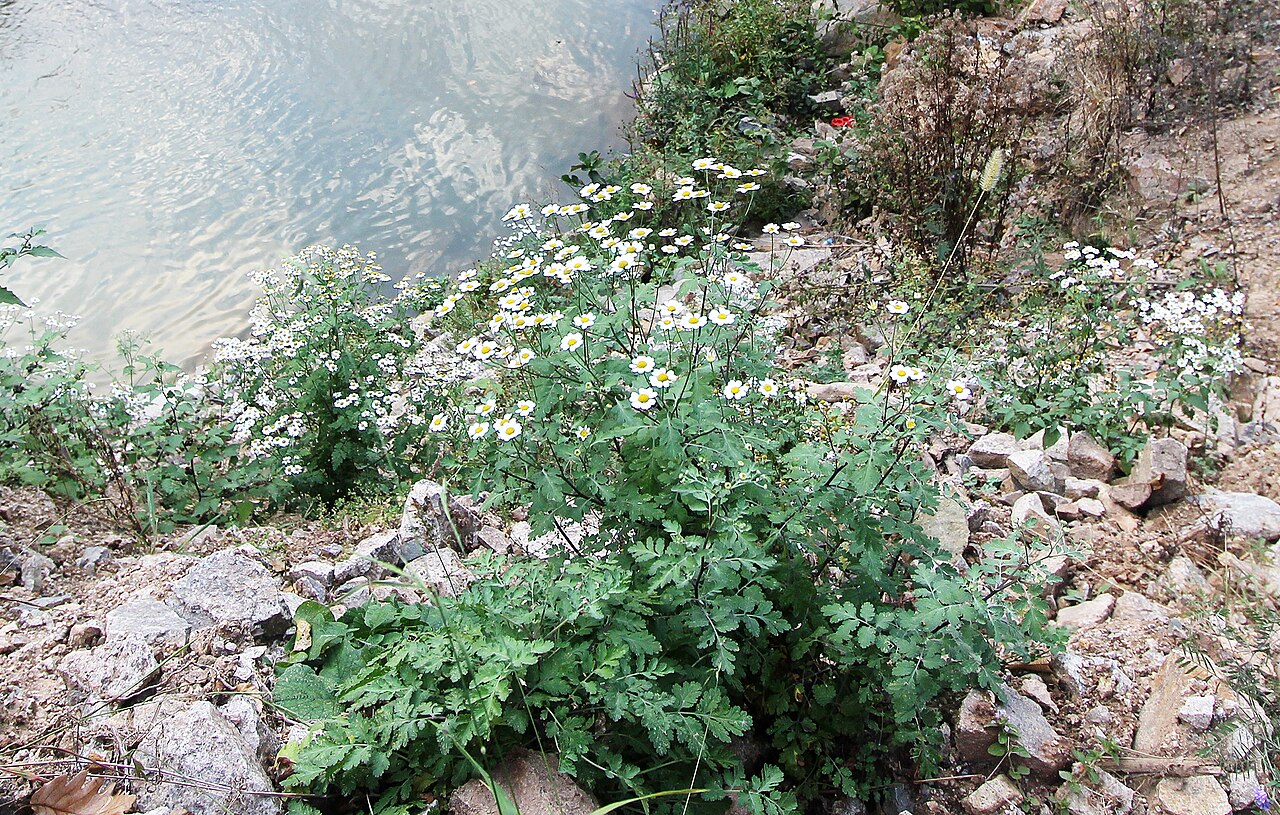
Flore Pleno is feverfew rewritten as a button flower. Instead of the species’ single white daisies with yellow centers, this old cottage-garden form carries fully double, pompon-like white blooms — tiny white balls on wiry stems, like miniature chrysanthemums — above the same lacy, aromatic foliage. It is the feverfew you plant when the flowers are the point and the border needs a white accent that blooms for weeks.
It keeps the species’ best habits: it is easy from seed, short-lived but self-sowing, floriferous, and beloved by pollinators, though the double flowers offer pollinators less than single ones do — a fair trade to note honestly. Traditional-use note, kept plain: feverfew foliage can irritate skin and mouths in sensitive people, and this guide claims no health benefit for any feverfew. Grow Flore Pleno for the pompons, cut them by the armful, and handle the foliage with gloves.
How to grow
Sow seed indoors 6–8 weeks before last frost or direct-sow in spring or fall, pressing seed onto the surface for light germination. Transplant into full sun to part shade and average, well-drained soil; feverfew tolerates poor soil and only truly dislikes wet feet. In Florida, sow in fall for a cool-season display.
Space 12–18 inches apart and deadhead regularly — cutting flowers for the vase is deadheading with a reward, and it keeps the plant blooming instead of seeding. Let a few heads ripen at season’s end for volunteers, or deadhead all of them for a tidy bed.
Water & feeding
Water through establishment, then water when the top inch of soil dries. Flore Pleno flowers best with steady moisture but tolerates short dry spells; soggy ground invites crown rot, the one soil condition it will not forgive.
Feed lightly. Average soil suits feverfew; heavy feeding grows leaves at the expense of the pompons you planted it for.
Common problems
- Self-sowing — double feverfew still seeds, though seedlings may vary toward single flowers. Deadhead for tidiness or thin volunteers in spring, keeping the best doubles.
- Heat fade in summer — a cool-season performer in Florida; part shade and water stretch it, but summer is its rest season, not its show season.
- Crown rot in wet soil — well-drained soil or raised beds, always.
- Skin sensitivity to foliage — wear gloves for big cutting sessions and wash hands afterward; the flowers are the joy, the foliage is the part to respect.
Harvest
Cut flower stems from 70–90 days, as pompons open fully, for fresh bouquets — they last well in water — or dry them on a screen out of direct sun for everlasting arrangements. Regular cutting is the best way to keep the plant flowering.
Cut plants back by half after the main flush for fresh foliage and a second bloom. At season’s end, either let heads seed for volunteers or clear the bed and start fresh seed next fall.
Browse all plant & pest guides
Saving seeds
Flore Pleno is an open-pollinated feverfew, and seed produces a high percentage of double-flowered plants — let a few heads ripen at season’s end for volunteers, though not every seedling will be double. The full method is in the Saving seeds section of the Feverfew guide.