
🌬️ Honorine Jobert Anemone
What it looks like
Why this variety
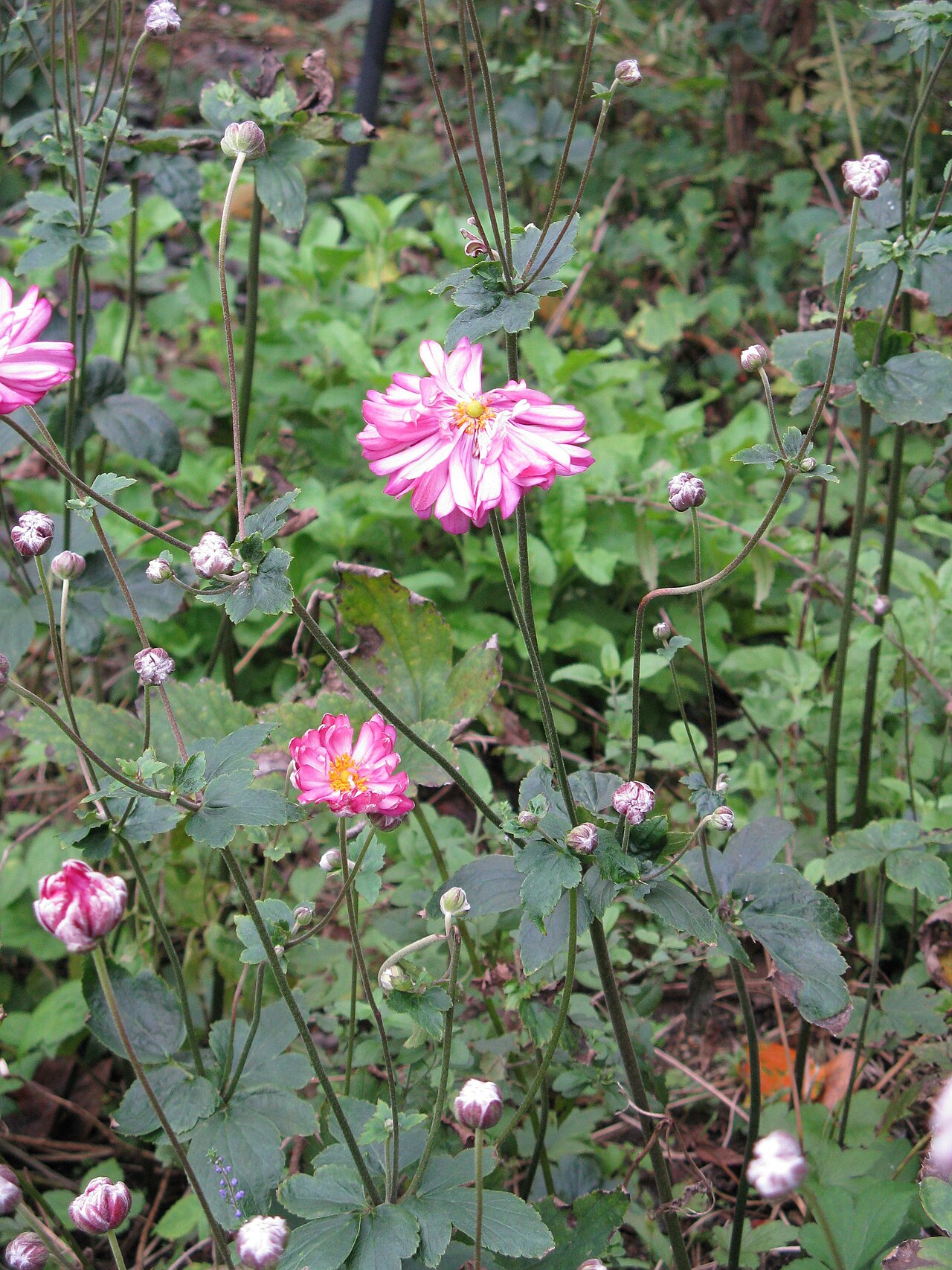
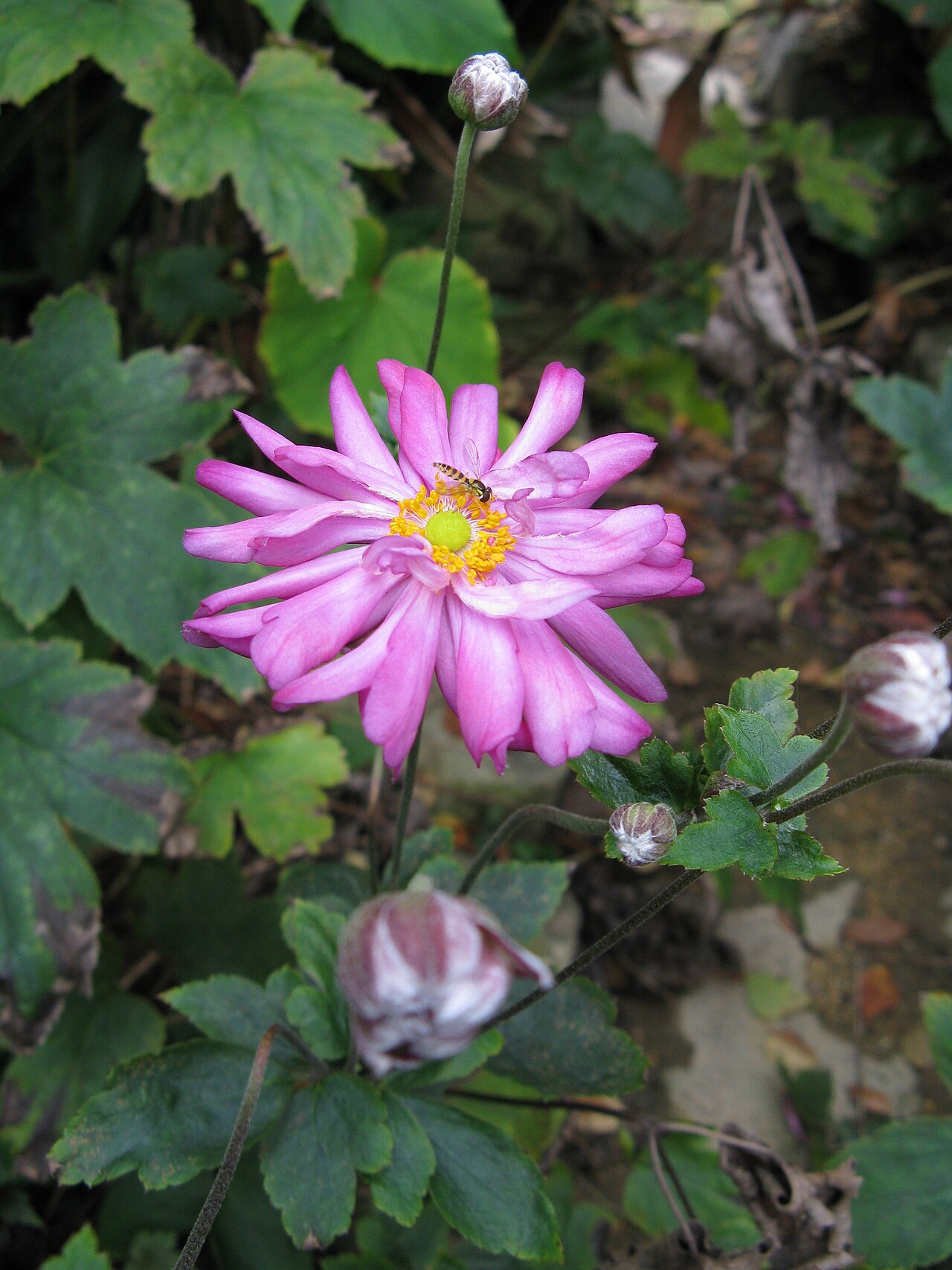
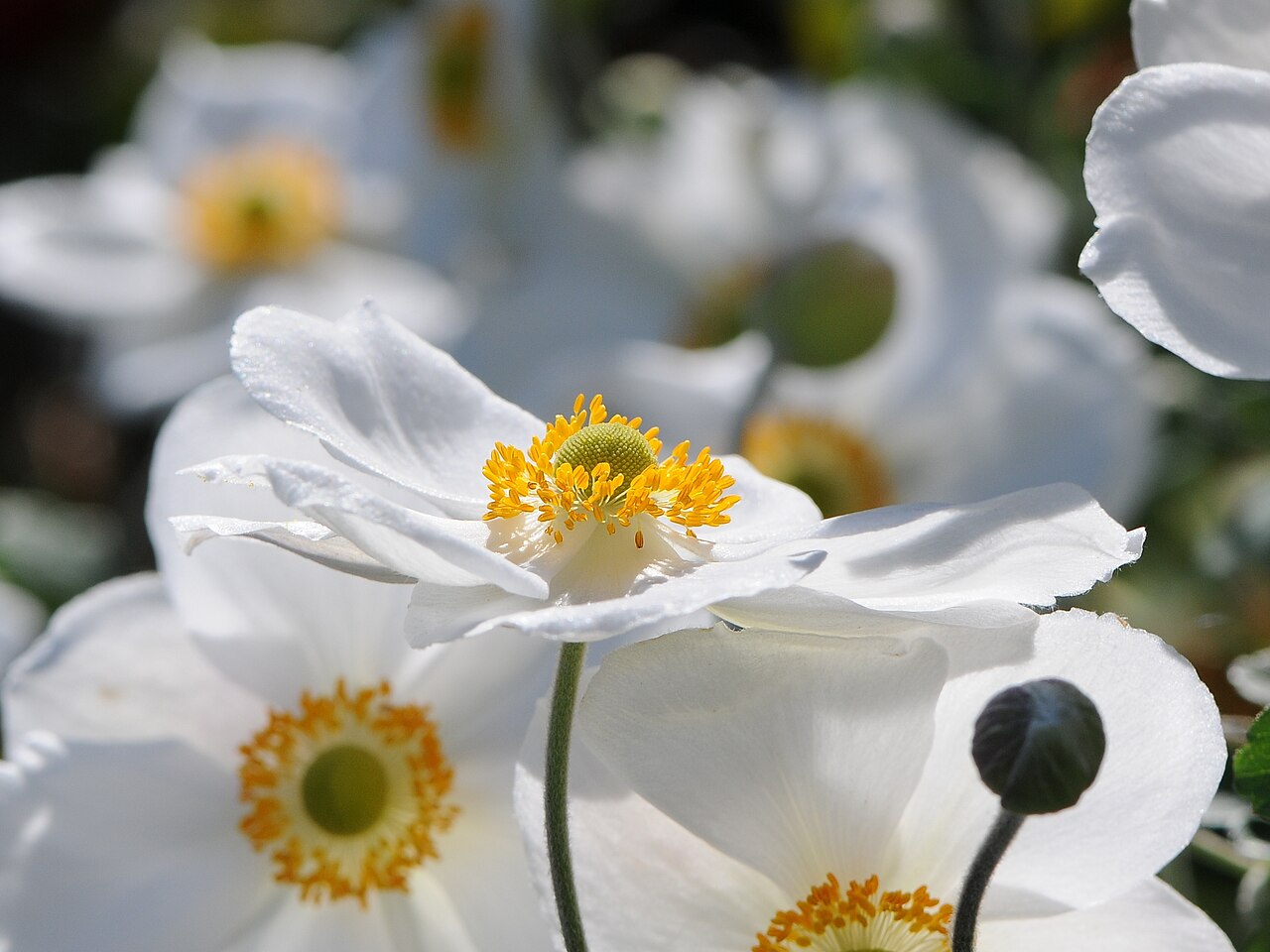
Honorine Jobert is the Japanese anemone against which all others are measured: a hybrid discovered as a sport in Verdun, France, in 1858, with large, single, pure-white flowers — wide, silky sepals flushed pink on the outside — on stems 3 to 4 feet tall, from late summer into fall. It was named the Perennial Plant Association’s 2016 Perennial Plant of the Year, and it rated well in the Chicago Botanic Garden’s evaluation trials, which is the plant world’s way of saying it is not just pretty, it is proven. In a season when most perennials are winding down, Honorine Jobert is just getting going, and that timing is its whole argument.
The trade-off is spread: Japanese anemones travel by underground runners, and a happy Honorine Jobert will colonize more ground than you allotted it, politely but persistently. Site it where it has room to roam, or be prepared to edit the edges with a spade every few years — division in spring is easy, and the divisions are gifts your gardening friends will actually want. It also wants consistent moisture; a dry, sunny spot turns it from a cloud of white into a sulk.
If you are new to choosing between cultivars, the Varieties Matter guide explains why the name after the plant matters as much as the plant itself. Honorine Jobert is a perfect example: it is not just a anemone in the abstract, it is a anemone with a specific job, a specific history, and specific strengths.
Florida honesty, stated plainly: Japanese anemone is a North Florida trial plant, not a statewide promise. It is hardy to zone 8, and Florida’s heat and humidity push past what it enjoys — expect it to be short-lived, sparse, or foliage-only south of the Panhandle, and even in North Florida it wants part shade, afternoon protection, rich, moist, well-drained soil, and mulch that never lets the roots dry out. If it fails, it fails in the first hot summer, which is useful information: this is a plant to try in a cool, shaded corner, not one to build a border around.
How to grow
Plant in spring in rich, moist, well-drained soil in part shade — Japanese anemones are woodland-edge plants, not sun-baked border plants, and they show it. Work worm castings and compost into the bed at planting, mulch deeply to hold moisture, and give the clump room to spread by runners, because it will. Do not plant it in a dry, sunny spot and expect the fall cloud in the catalog photo; that photo was taken in a moist, shaded garden, and the plant knows the difference.
Set plants 18-24 inches apart in soil with a pH around 6.0-7.0. Work worm castings into the bed at planting and mulch to hold moisture. A well-fed anemone plant rewards that care directly: steadier growth, better bloom, and a show that actually shows up.
Water & feeding
Keep soil consistently moist — Japanese anemones sulk, wilt, and thin out in dry soil, and no fertilizer compensates for drought. Water at the soil line, mulch deeply to hold moisture, and feed lightly: castings and compost at planting plus a spring top-dress is enough. In a dry spell, water is the whole care program; everything else is commentary.
Common problems
- Spreading beyond bounds — Japanese anemones travel by runners; edit the edges with a spade every few years and share the divisions.
- Wilting in dry soil — anemones need consistent moisture; mulch deeply and water through dry spells, or the fall show thins out.
- Powdery mildew in humid, crowded plantings — space for air, water at the soil line, and remove affected leaves.
- Slugs and snails on low foliage in wet weather — keep mulch pulled back slightly from crowns, pick at dusk, and trap with boards.
- Short life in hot climates — heat and humidity shorten anemone life; in warm zones, treat it as a trial in a cool, shaded corner, not a permanent border plant.
Harvest
Cut flowers for bouquets from late summer into fall, when blooms are fully open — Japanese anemones last well in water and their wiry stems suit loose, natural arrangements. Deadhead spent flowers if you do not want seedlings, or leave seed heads standing for winter interest and bird food. Divide congested clumps in spring every few years, replanting divisions at the same depth, and share the extras: a divided anemone is a gift gardeners actually want.
Browse all plant & pest guides
Saving seeds
Honorine Jobert is a Japanese anemone hybrid discovered as a sport in Verdun, France, in 1858, with large, single, pure-white flowers, and seedlings won’t hold that form — divide the clump or move the runners it sends out, and give it room to roam. The Propagation section of the Anemone guide covers propagation for the species.