
🎈 Sentimental Blue Balloon Flower
What it looks like
Why this variety
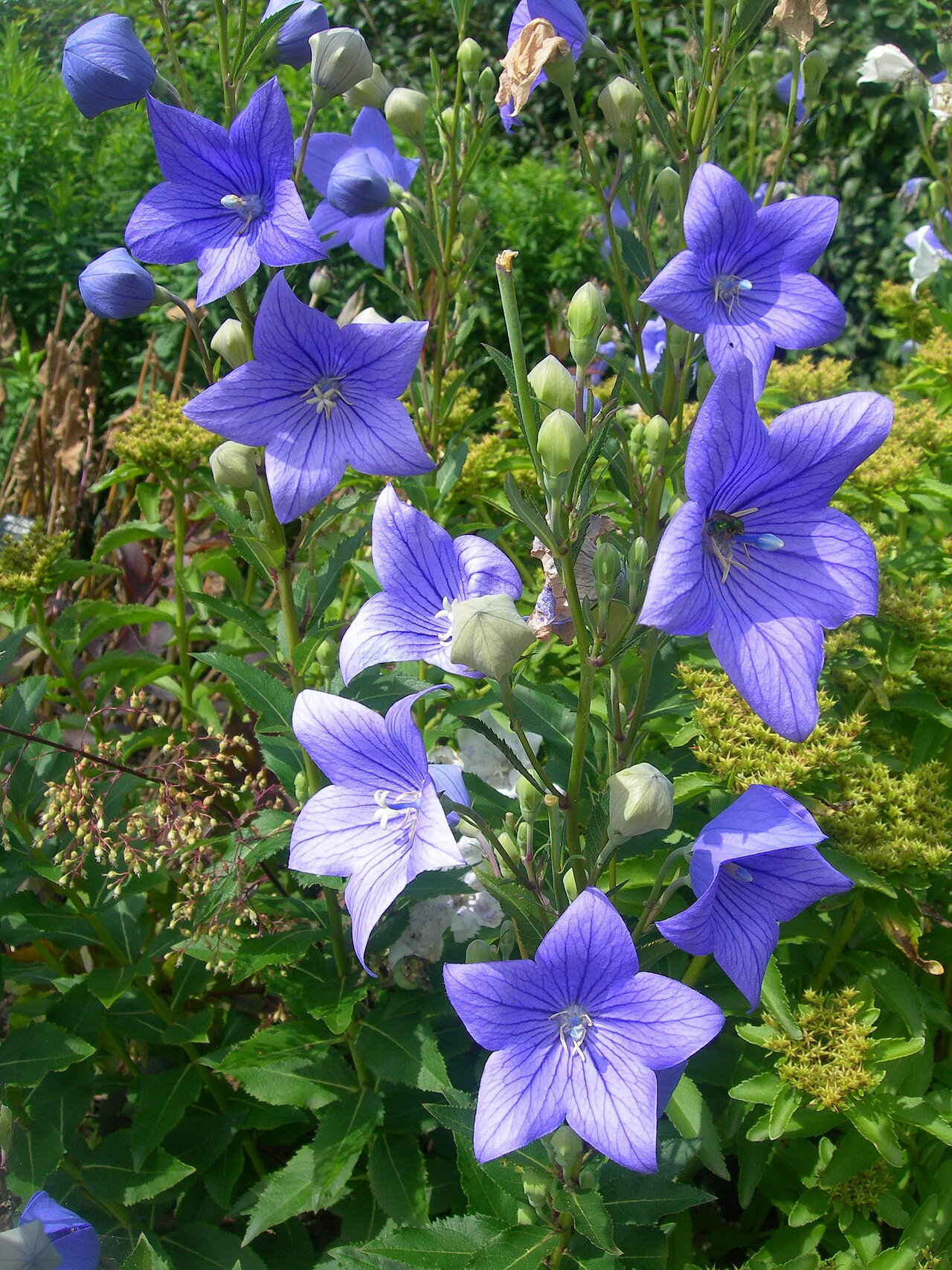
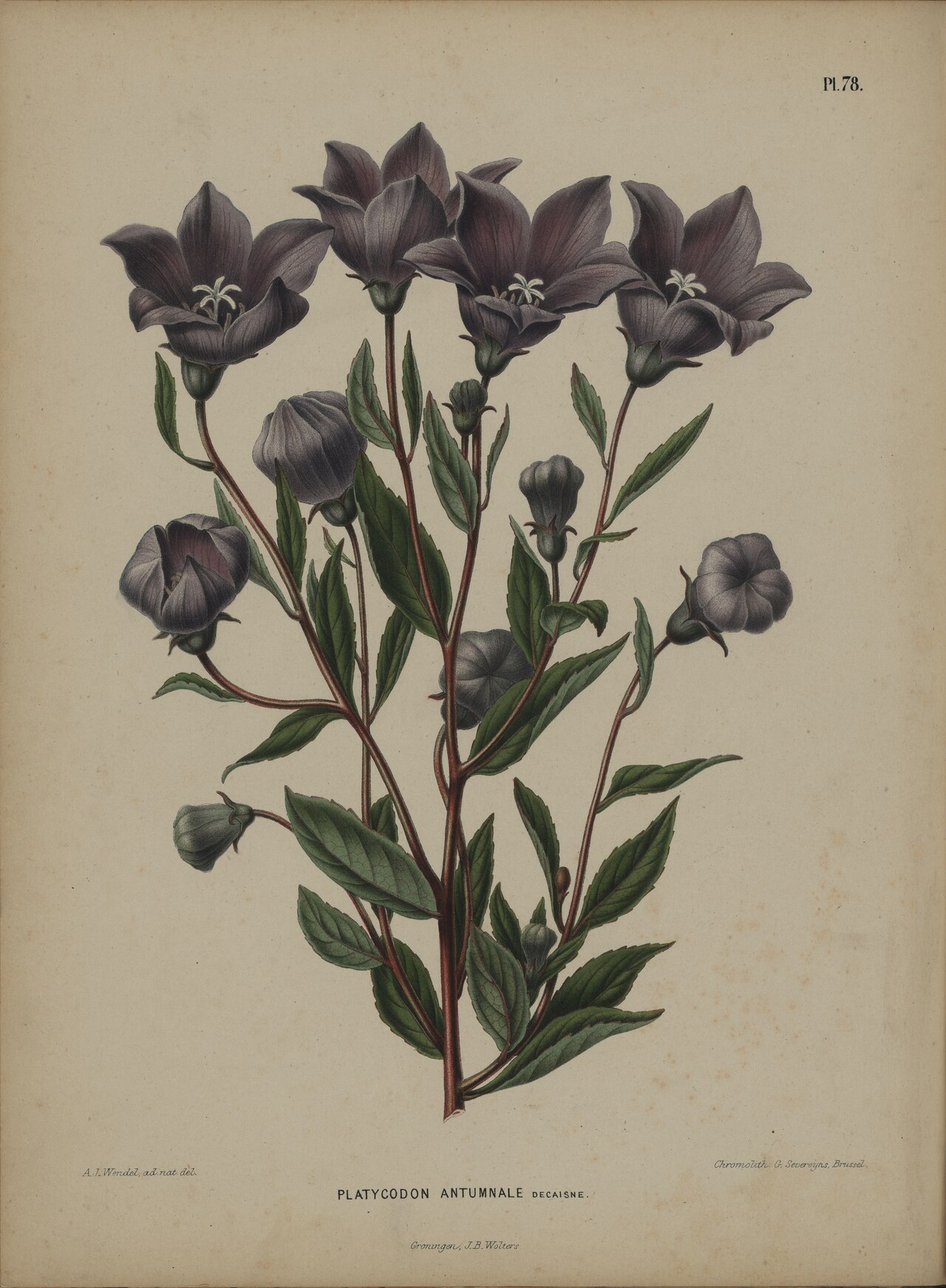
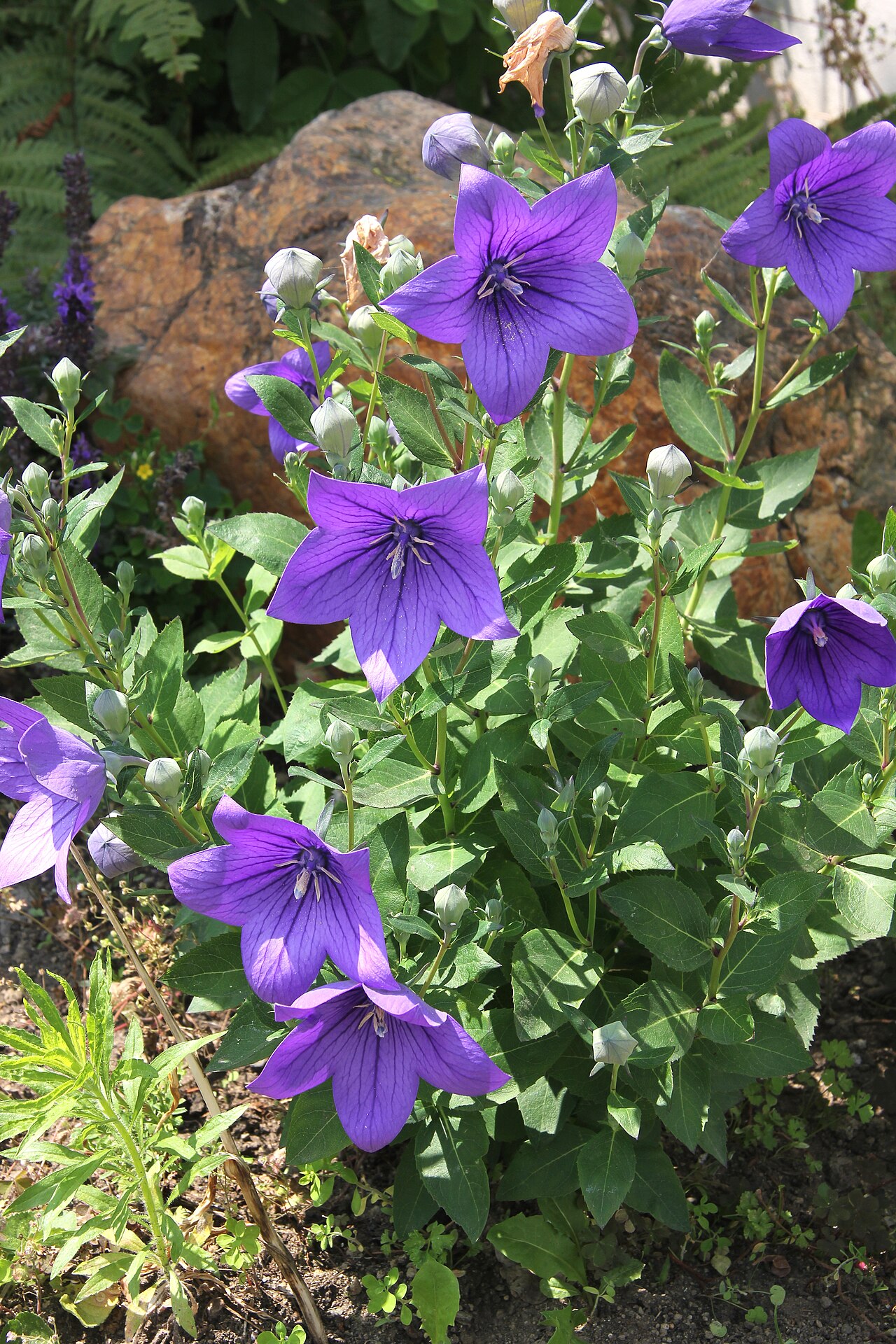
Sentimental Blue is the balloon flower for gardeners who love the buds but do not have room for a 30-inch plant: a very dwarf, compact selection, 6 to 9 inches tall by Cornell’s account and up to about 18 inches in lusher conditions, with violet-blue, star-shaped flowers that bloom from seed in the first year — a rarity among perennials, most of which make you wait a season. It was bred for dense, basal branching, with three to five primary stems per crown instead of the older types’ one or two, so the plant looks full rather than sparse, and it blooms early — late June, 10 to 14 days ahead of older cultivars — and keeps going for 8 to 12 weeks with deadheading. It is the balloon flower for edging, containers, and the front of the border.
The trade-off is scale: Sentimental Blue is a small plant making a small statement, and a single plant in a big border will vanish. Plant it in drifts, along an edge, or in a pot where its balloon buds are at eye level — that is where the charm lives, in the buds swelling and popping at close range. It is also less tolerant of heavy clay than the taller types, so drainage matters even more at this size: a dwarf plant in wet soil rots faster than a tall one, because there is less plant to lose before it is gone.
If you are new to choosing between cultivars, the Varieties Matter guide explains why the name after the plant matters as much as the plant itself. Sentimental Blue is a perfect example: it is not just a balloon flower in the abstract, it is a balloon flower with a specific job, a specific history, and specific strengths.
Florida honesty, stated plainly: balloon flower is a North Florida trial, not a statewide promise. It is hardy to zone 8, and Florida’s heat, humidity, and wet summers are not its home weather — expect short life or failure south of the Panhandle, and even in North Florida give Sentimental Blue light afternoon shade, sharp drainage (containers and raised beds are your friends at this size), and a permanent spot. Its first-year bloom is an advantage in a trial: if it fails, you will know in one season, not three.
How to grow
Plant in spring in well-drained soil in sun to part shade, and plant it where it can stay — balloon flower grows a long, fleshy taproot that resents moving once settled. Work worm castings into the bed at planting, mark the spot (it emerges late in spring and is easy to damage with a fork), and do not transplant it in year two because you changed your mind. Give it sun, drainage, and permanence, and it will be long-lived and nearly carefree.
Set plants 12 inches apart in soil with a pH around 5.5-7.5. Work worm castings into the bed at planting and mulch to hold moisture. A well-fed balloon flower plant rewards that care directly: steadier growth, better bloom, and a show that actually shows up.
Water & feeding
Keep soil evenly moist but well-drained — balloon flower wants steady moisture and sharp drainage at the same time, which is why raised beds and amended soil suit it. Water at the soil line, mulch lightly, and feed lightly: castings at planting plus a balanced organic feed in spring is plenty. Overwatering in heavy soil rots the taproot, which is the one injury this plant does not forgive.
Common problems
- Rot in wet soil — the taproot rots in heavy, waterlogged soil; plant in sharp drainage or raised beds and do not overwater.
- Damage from moving — a moved balloon flower sulks or dies; plant it where it can stay and mark the spot, because it emerges late in spring.
- Slugs and snails on young growth in wet weather — pick at dusk and keep mulch pulled back slightly from crowns.
- Flopping tall types in rich soil — lean soil makes sturdier stems; stake only if your site is windy, and do not overfeed.
- Short life in hot, humid climates — heat and wet summers shorten balloon-flower life; in warm zones, treat it as a trial in sharp drainage.
Harvest
Cut stems for bouquets in summer, when buds are swelling or flowers are open — balloon flowers last well in water, and a stem with both buds and open bells is the best of both shows. Deadhead regularly for continuous bloom, and do not cut the plant back hard in fall: leave the foliage to feed the taproot, and cut back only dead stems in spring after new growth appears. Never move an established plant for a bouquet — cut the stems, not the plant.
Browse all plant & pest guides
Saving seeds
Sentimental Blue is the balloon flower for gardeners who love the buds but do not have room for a 30-inch plant: a very dwarf, compact selection, 6 to 9 inches tall by Cornell’s account and up to about 18 inches in lusher conditions, with violet-blue, star-shaped flowers that bloom from seed in the first year — a rarity among perennials, most of which make you wait a season. As an open-pollinated balloon flower it comes true from seed — it was bred as a seed strain for dense, basal branching, with three to five primary stems per crown instead of the older types’ one or two — though a few seedlings may vary in height and shade, so start extras and keep the most compact, bluest plants. Plant in spring in well-drained soil in sun to part shade, and plant it where it can stay — balloon flower grows a long, fleshy taproot that resents moving once settled. The full method is in the Saving seeds section of the Balloon Flower guide.