
🎈 Balloon Flower
What it looks like
How to grow
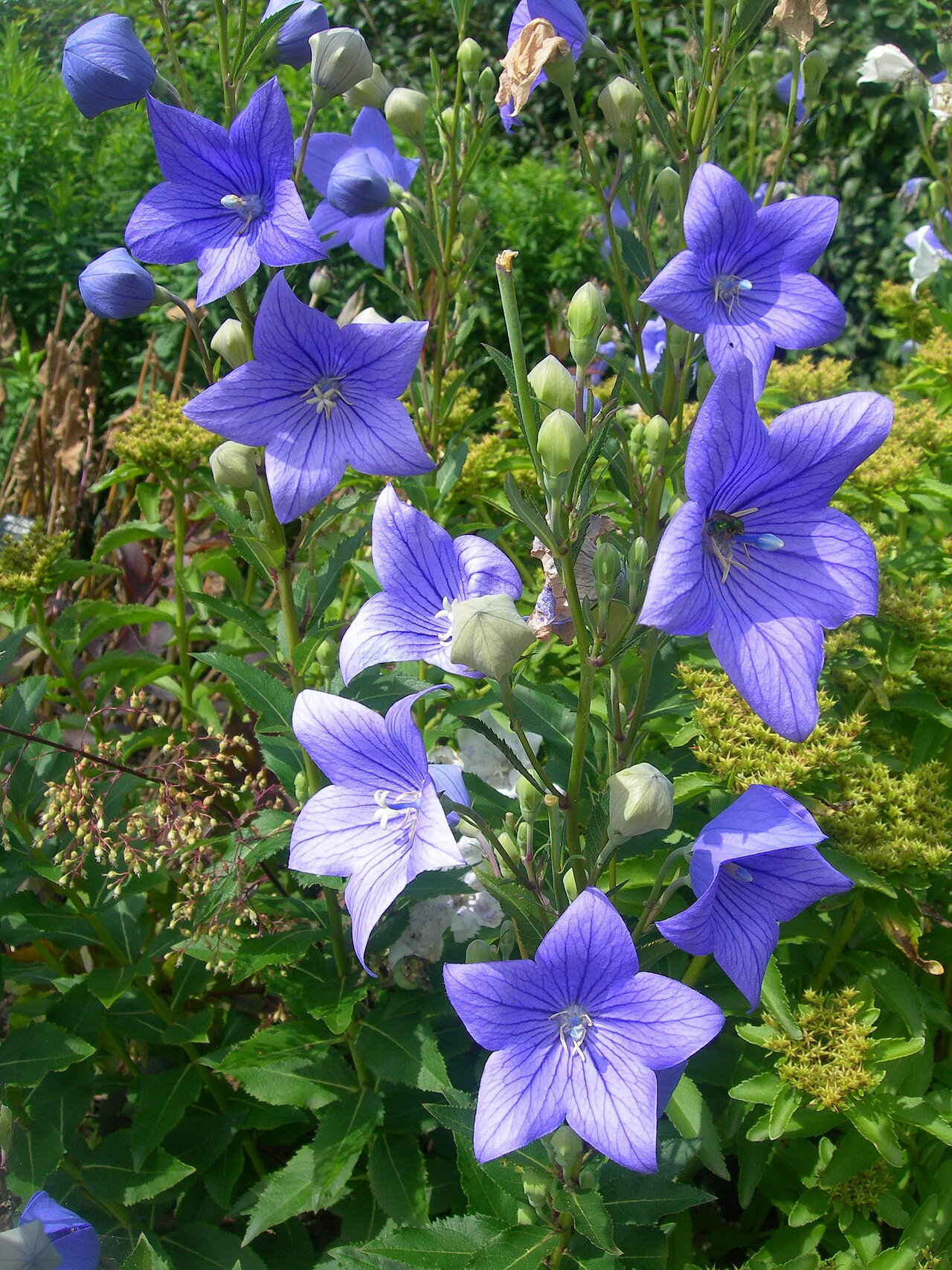
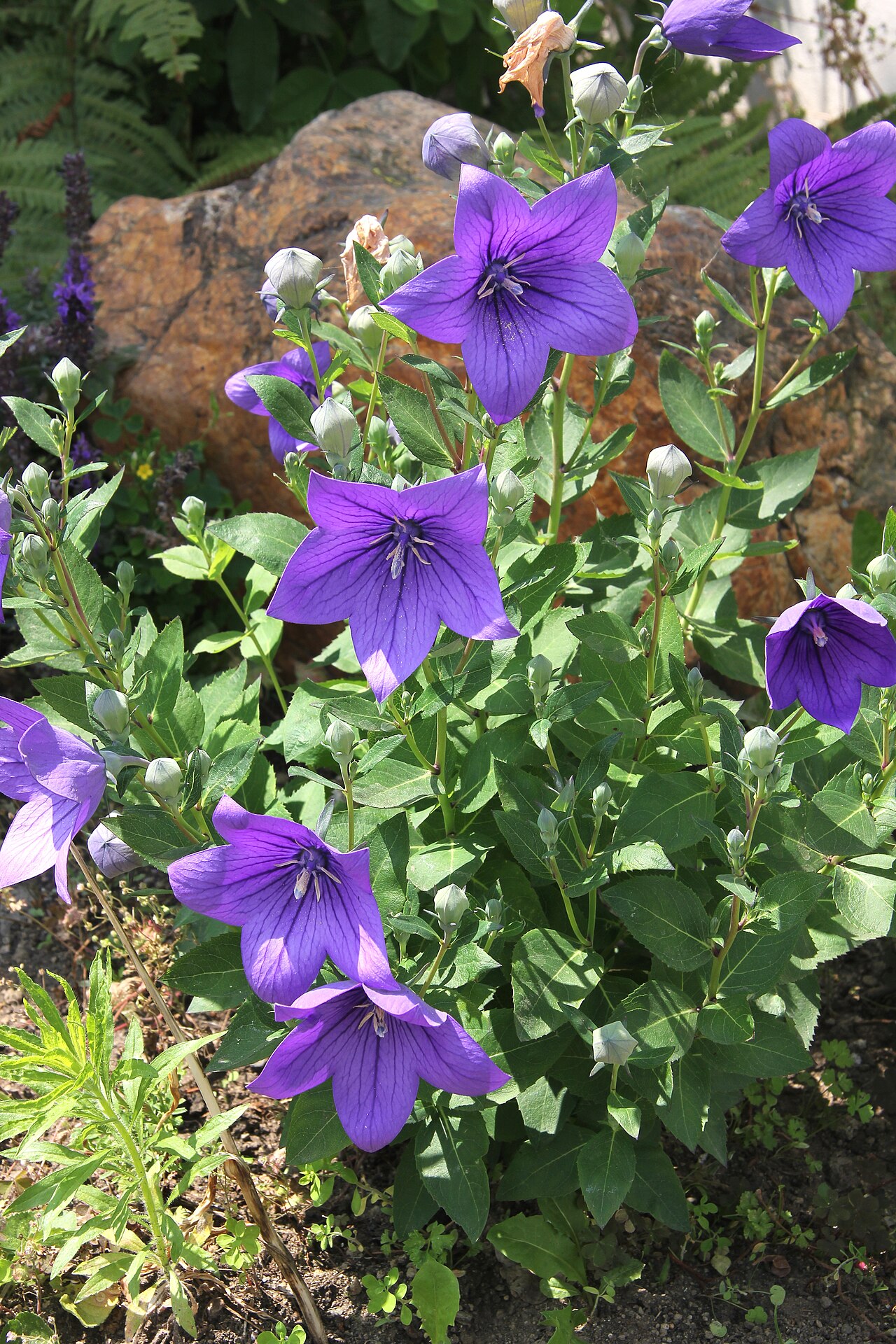
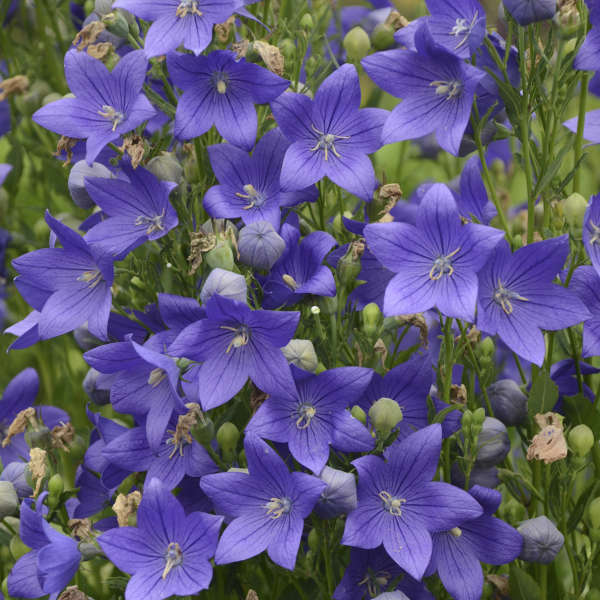
Balloon flower earns its name honestly: its buds swell into puffy, balloon-like pouches before popping open into wide bell or star-shaped flowers in blue, pink, or white, all summer long. Plants grow 1–2 feet tall (dwarf types shorter) with neat, blue-green leaves that turn yellow in fall. Plant in spring or fall in full sun — light afternoon shade in zones 7–8 — in deep, humus-rich, well-drained soil, and plant it where it can stay: balloon flower grows a long taproot and resents moving. It is famously slow to wake in spring, so mark the spot and do not panic when neighbors are already leafing out; it will show up, fashionably late.
Water & feeding
Keep soil evenly moist but never waterlogged; balloon flower likes regular water and mulches well. Feed lightly in spring with compost or a slow-release fertilizer if soil is poor — it is not a heavy feeder. Taller types may need a discreet stake in windy spots.
Common problems
- Slow spring emergence — mark the plant and wait; it is not dead, just late.
- Root rot in wet soil — drainage is non-negotiable.
- Flopping — usually too much shade; give more sun or stake.
- Short life after transplanting — avoid moving established plants; start new ones from seed or young nursery plants.
Notes
Deadhead spent flowers to stretch the bloom season, and leave stems standing until spring to protect the crown, then cut back. Divide only in early spring and only if truly necessary — most gardeners find balloon flower lives longer undisturbed. Sow seed indoors a few weeks before last frost or direct-sow after frost, barely covering the seed.
Browse all plant & pest guides
Saving seeds
Saving balloon flower (Platycodon grandiflorus) seed asks you to do one slightly painful thing: stop deadheading. Deadheading stretches the bloom season beautifully, but every spent flower you snip off is a seed pod that will never exist. So pick your compromise — deadhead most of the plant for flowers, and leave a few of your best stems alone to go to seed. Where each balloon popped open into its star-shaped flower, a pod will swell in its place, and that pod is your seed bank.
Wait until the pods turn tan or brown, dry, and papery, and you can hear the tiny black seeds rattling inside when you shake one gently. Do not wait too long past that point, because ripe pods split open and scatter their seed to the four winds, which is great for the plant’s travel plans and terrible for your jar. Snip the dry pods into a paper bag, let them finish drying indoors for a few days, then crack them open over a tray and tip out the small, dark seeds. Dry the seed a few more days on a tray before storing — in Florida, any seed that goes into a jar even slightly damp is a mold experiment, so dry thoroughly, store airtight with a desiccant packet, and keep it cool and dark. Sow saved seed within a season or two rather than hoarding it for years, since balloon flower seed does not stay vigorous indefinitely.
When sowing time comes, remember that this seed wants light: press it onto the surface of a well-draining mix and barely cover it, if at all, keep it evenly moist, and give it warmth in the mid-60s to around 70 degrees. Germination usually takes a few weeks, and the seedlings are delicate, so handle them as little as possible. That delicacy is the real story of balloon flower propagation: the plant grows a long taproot and deeply resents being moved. The kindest approach is to sow saved seed where the plants will actually live, or to transplant seedlings only while they are very young and with the whole root ball intact. Do not divide an established plant casually to multiply it — division is the only way to clone an exact plant, but the taproot makes it a risky operation, and most gardeners are better off with seed.
Two things to expect from saved seed. First, your new plants may not flower in their first year; balloon flowers are slow to settle in, and patience is part of the deal. Second, saved seed will not reliably reproduce a named variety’s exact flower color — the next generation’s colors are a surprise party, which is either a delight or a disappointment depending on how attached you were to that particular shade of blue. Open-pollinated, species-type plants grow true to the species, but seeds from F1 hybrid varieties will not grow true. In Florida’s heat, balloon flower can also be shorter-lived than in cooler climates, which makes a jar of your own saved seed less of a keepsake and more of a practical renewal plan.
Varieties
Every named variety of Balloon Flower with its own growing guide:
- Fuji Blue Balloon Flower — The tall cut-flower balloon: 20- to 30-inch stems of deep violet-blue, star-shaped bells — the balloon flower for bouquets and the middle border.
- Fuji Pink Balloon Flower — The pink cut-flower balloon: soft pink, semi-double bells on vigorous 24- to 30-inch stems — the romantic balloon flower.
- Sentimental Blue Balloon Flower — The dwarf edging balloon: a compact, 6- to 18-inch mound of violet-blue stars that blooms from seed in its first year — the front-of-border balloon.