
🎈 Fuji Blue Balloon Flower
What it looks like
Why this variety
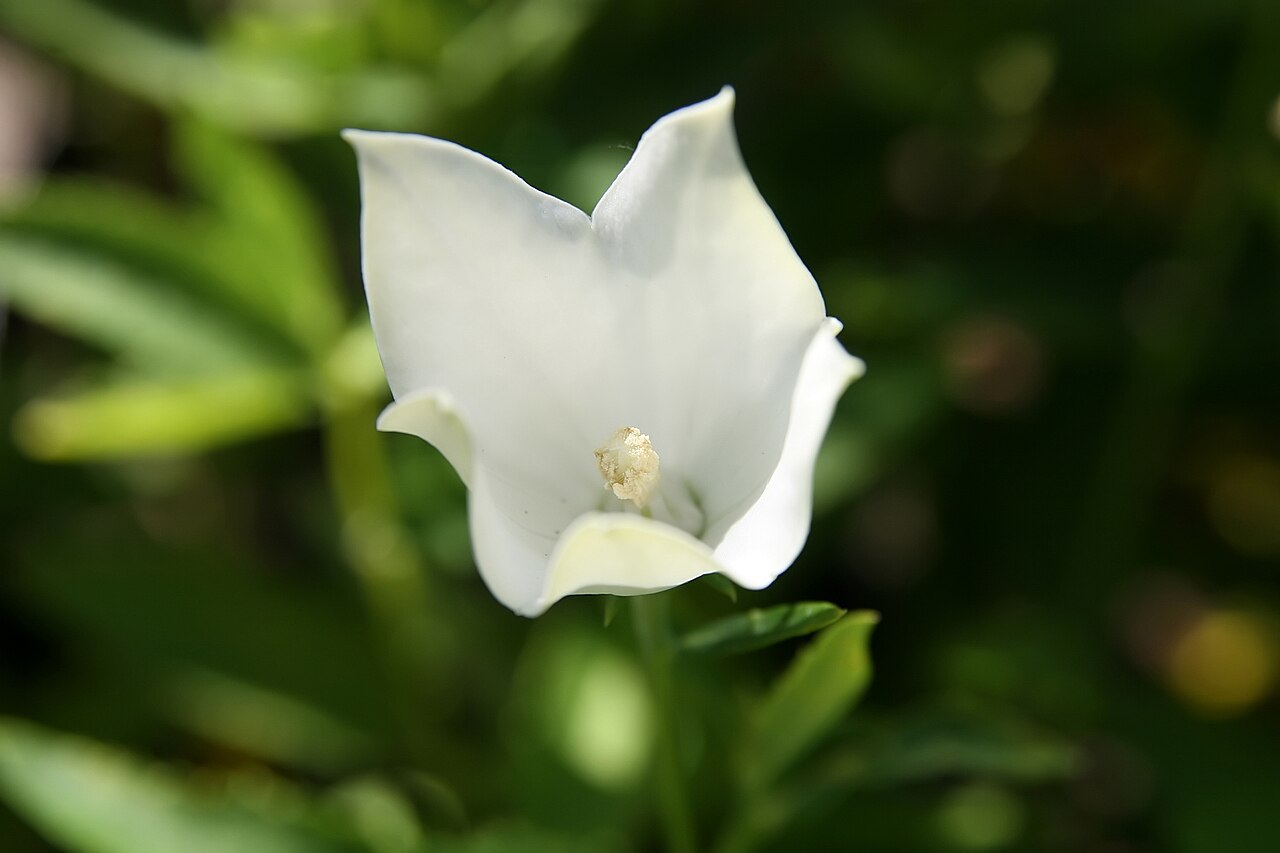
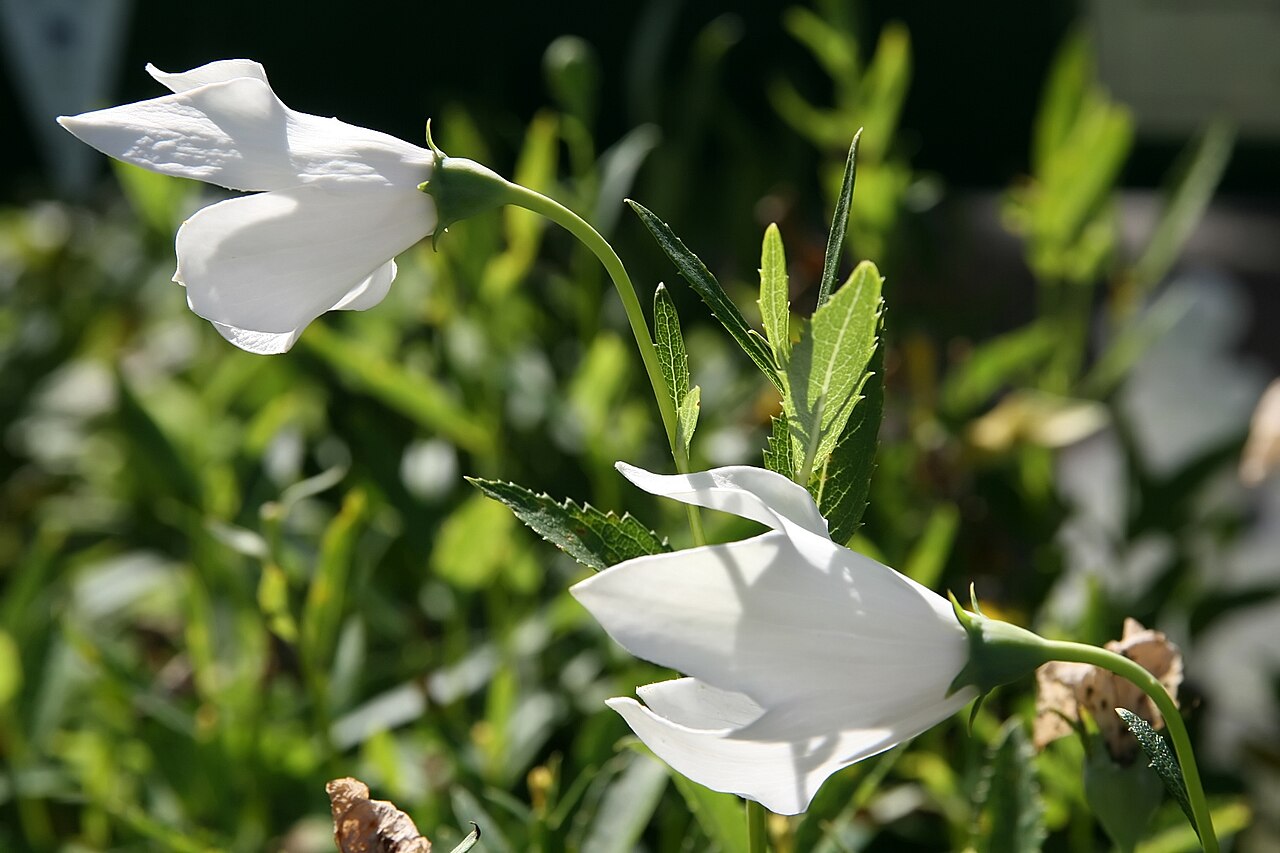
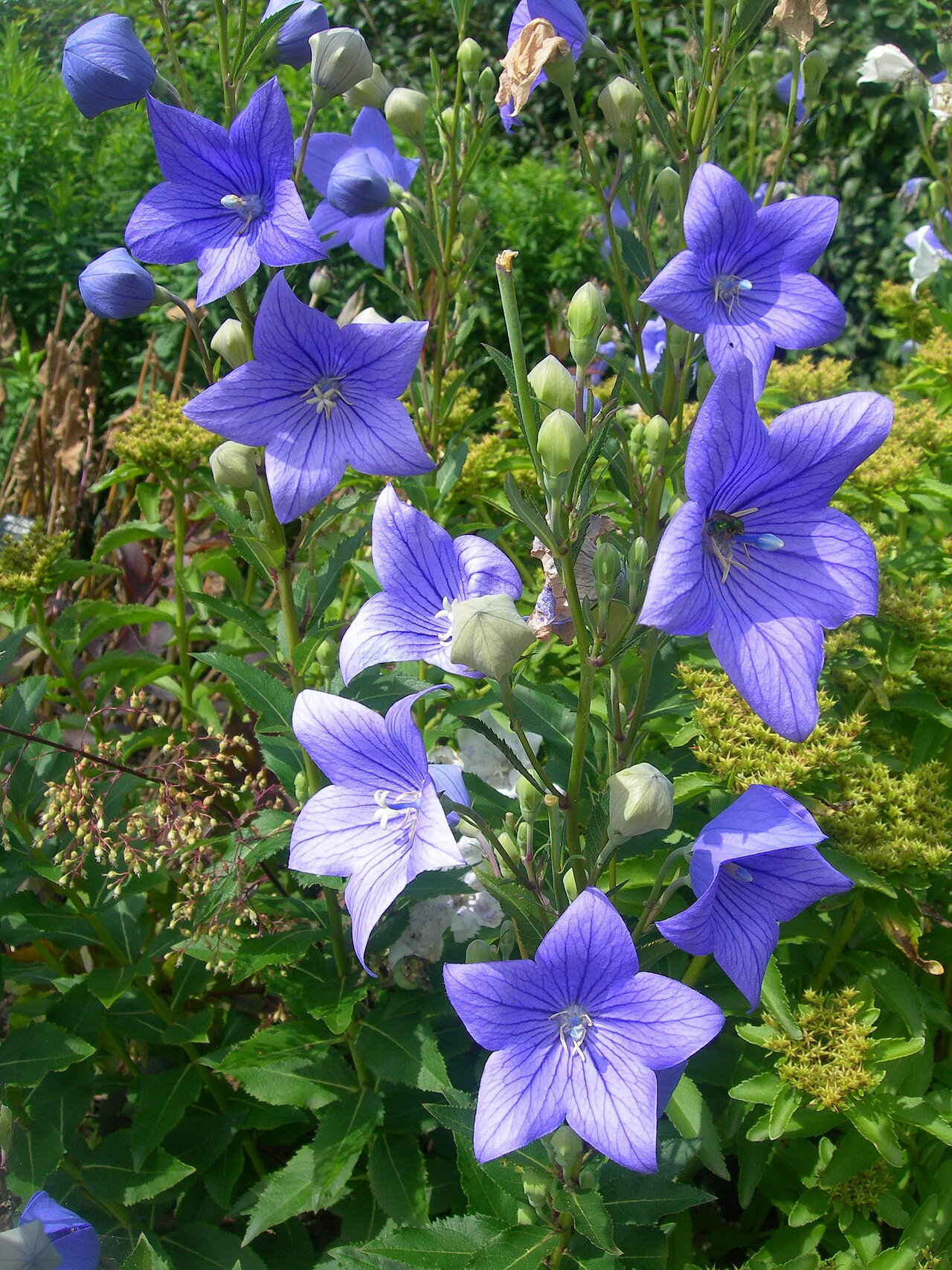
Fuji Blue is the balloon flower most often sold as a cut flower, and the reason is size plus color: plants 20 to 30 inches tall, with large, 2- to 2.5-inch, violet-blue, bell-shaped flowers that open from the plant’s signature inflated, balloon-like buds. The Fuji series was bred for larger flowers and a taller, cutting-friendly habit than the dwarf strains, and Fuji Blue is the deepest blue of the series — a cool, refreshing color that stands out against the greens of a perennial border and holds its face up in a vase instead of nodding, which is rarer in bellflowers than it should be. Deadheaded regularly, it flowers dependably through summer, and it is pest- and disease-resistant and rarely of interest to deer.
The trade-off is patience plus permanence: balloon flower is slow to establish and famously resentful of moving, because it grows a long, fleshy taproot that does not transplant well once settled. Plant Fuji Blue where it can stay, mark the spot (it emerges late in spring and is easy to damage with an enthusiastic fork), and do not move it in year two because you changed your mind — it will punish you by sulking for a season or dying outright. Given a permanent home, it is long-lived and nearly carefree.
If you are new to choosing between cultivars, the Varieties Matter guide explains why the name after the plant matters as much as the plant itself. Fuji Blue is a perfect example: it is not just a balloon flower in the abstract, it is a balloon flower with a specific job, a specific history, and specific strengths.
Florida honesty, stated plainly: balloon flower is a North Florida trial, not a statewide promise. It is hardy to zone 8, and Florida’s heat, humidity, and wet summers are not its native East Asian mountain weather — expect short life or failure south of the Panhandle, and even in North Florida give it full sun to light afternoon shade, sharp drainage (raised beds help), and a permanent spot it will never be moved from. A Fuji Blue that blooms through a North Florida summer has beaten the odds; one that rots in a wet summer has told you about your drainage.
How to grow
Plant in spring in well-drained soil in sun to part shade, and plant it where it can stay — balloon flower grows a long, fleshy taproot that resents moving once settled. Work worm castings into the bed at planting, mark the spot (it emerges late in spring and is easy to damage with a fork), and do not transplant it in year two because you changed your mind. Give it sun, drainage, and permanence, and it will be long-lived and nearly carefree.
Set plants 12-24 inches apart in soil with a pH around 5.5-7.5. Work worm castings into the bed at planting and mulch to hold moisture. A well-fed balloon flower plant rewards that care directly: steadier growth, better bloom, and a show that actually shows up.
Water & feeding
Keep soil evenly moist but well-drained — balloon flower wants steady moisture and sharp drainage at the same time, which is why raised beds and amended soil suit it. Water at the soil line, mulch lightly, and feed lightly: castings at planting plus a balanced organic feed in spring is plenty. Overwatering in heavy soil rots the taproot, which is the one injury this plant does not forgive.
Common problems
- Rot in wet soil — the taproot rots in heavy, waterlogged soil; plant in sharp drainage or raised beds and do not overwater.
- Damage from moving — a moved balloon flower sulks or dies; plant it where it can stay and mark the spot, because it emerges late in spring.
- Slugs and snails on young growth in wet weather — pick at dusk and keep mulch pulled back slightly from crowns.
- Flopping tall types in rich soil — lean soil makes sturdier stems; stake only if your site is windy, and do not overfeed.
- Short life in hot, humid climates — heat and wet summers shorten balloon-flower life; in warm zones, treat it as a trial in sharp drainage.
Harvest
Cut stems for bouquets in summer, when buds are swelling or flowers are open — balloon flowers last well in water, and a stem with both buds and open bells is the best of both shows. Deadhead regularly for continuous bloom, and do not cut the plant back hard in fall: leave the foliage to feed the taproot, and cut back only dead stems in spring after new growth appears. Never move an established plant for a bouquet — cut the stems, not the plant.
Browse all plant & pest guides
Saving seeds
Fuji Blue is part of the Fuji seed strain, sold and raised from seed, and balloon flowers self-seed readily — let the pods dry on the plant, break them open, and collect the seed, though the exact shade may vary a little from plant to plant. The full method is in the Saving seeds section of the Balloon Flower guide.