
🤍 Aurea Meadowsweet
What it looks like
Why this variety
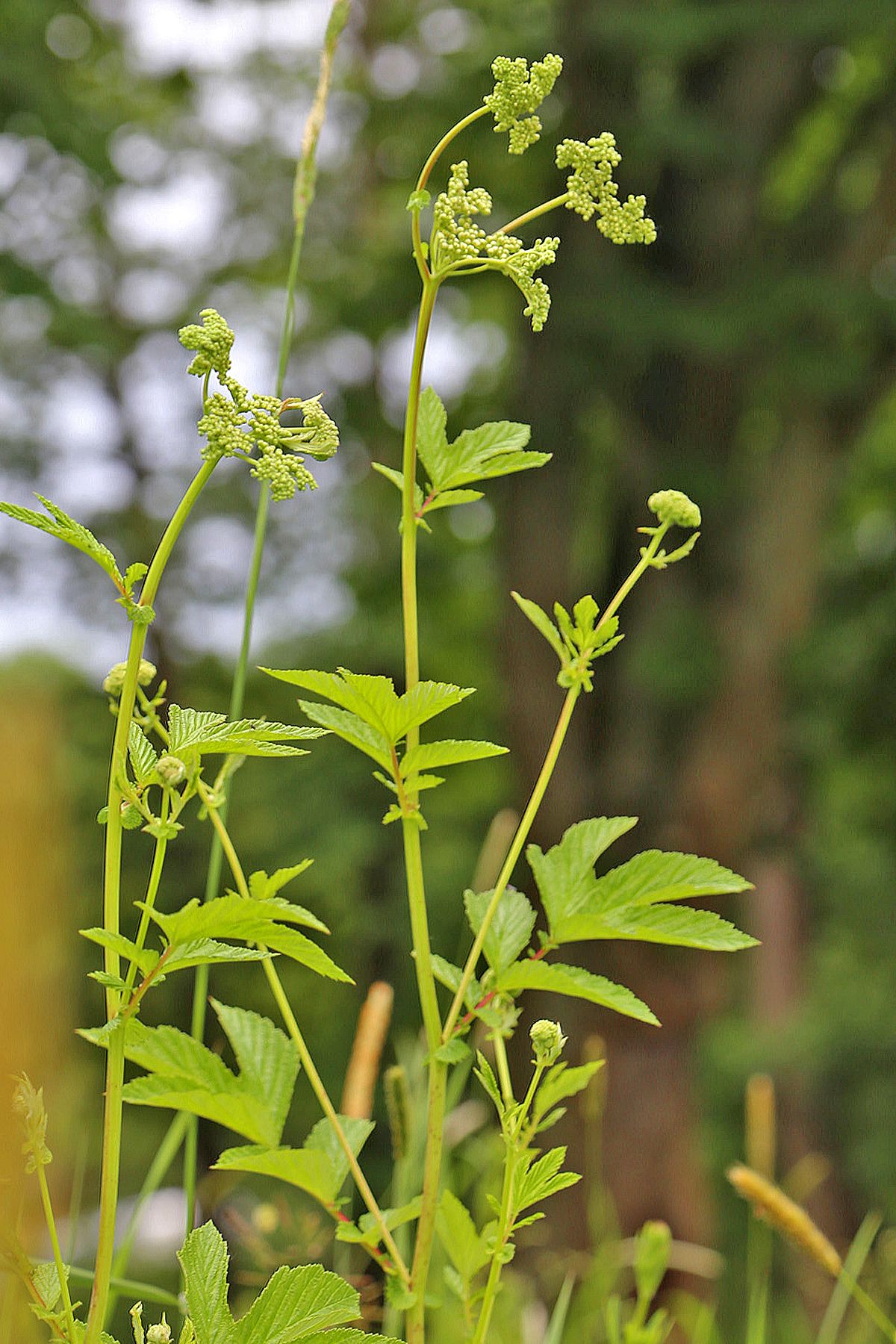
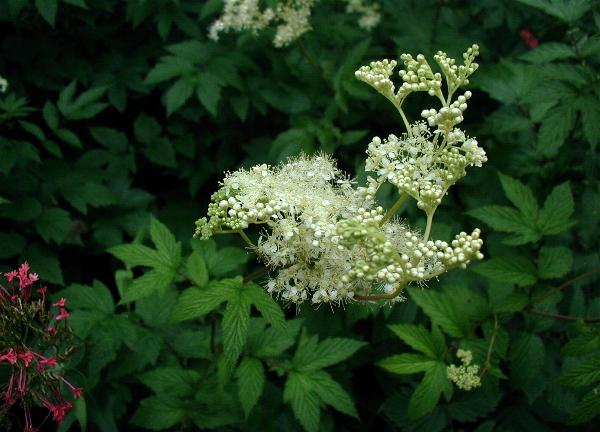
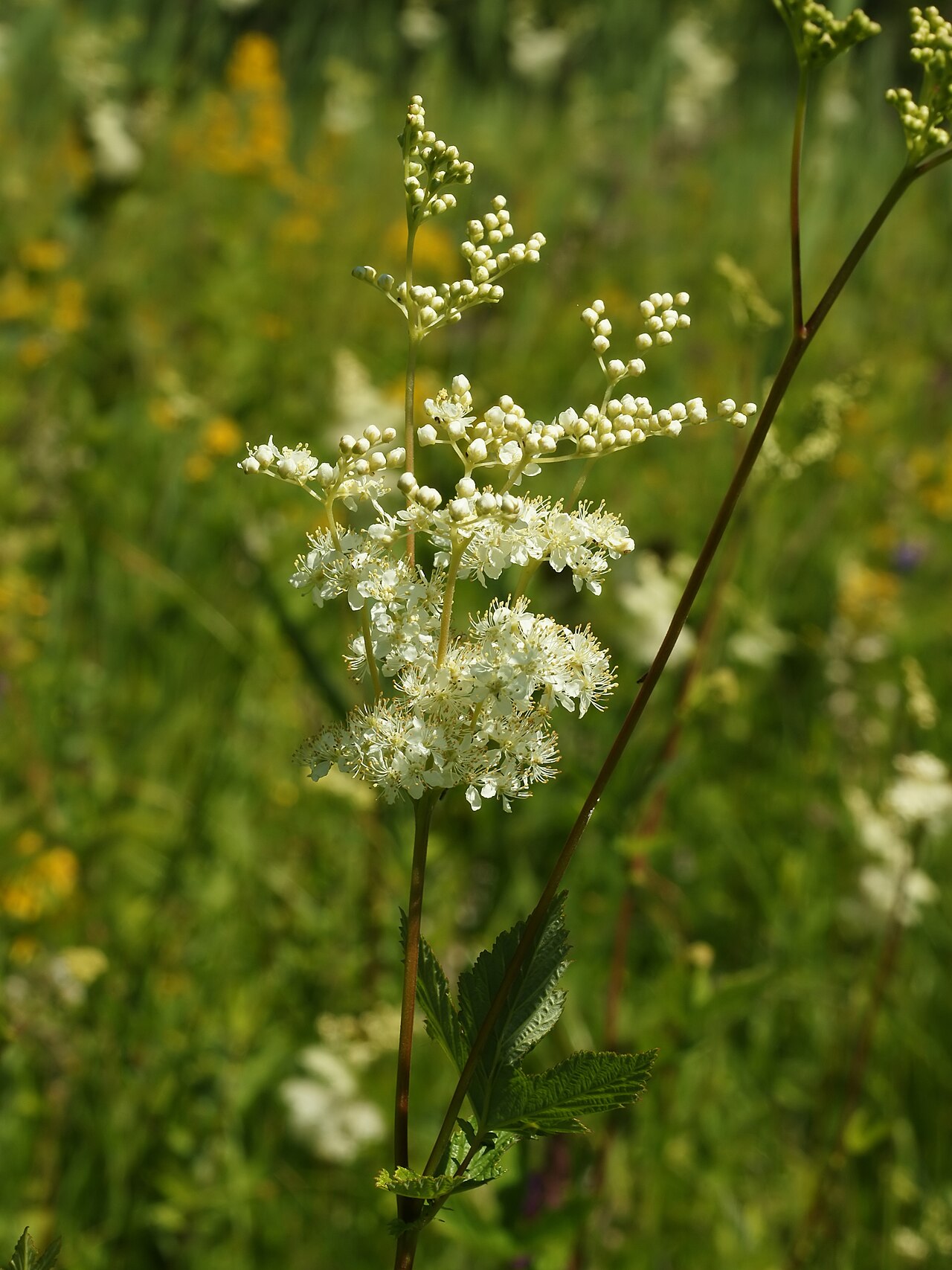
Aurea is meadowsweet with the foliage doing half the show. The leaves start warm yellow in spring, mature to creamy yellow, then soften toward pale green as the season progresses, all under the species’ frothy plumes of creamy-white, sweetly almond-scented flowers in midsummer. In a damp border or rain-garden edge, it reads like a gold shrub that happens to flower, and it holds that color best with a little shade — full sun bleaches it, deep shade greens it.
It is also a genuinely moisture-loving plant in a genus of moisture lovers: meadowsweet wants soil that stays damp, and Aurea is no exception. In Florida that makes it a cool-season, part-shade, damp-spot plant rather than a year-round perennial — plant it where a downspout, a low spot, or a rain garden keeps the soil moist, and it will reward you; plant it in a dry sunny bed and it will crisp and vanish. Honest siting is the whole guide.
How to grow
Start from divisions in fall or spring — divisions hold the gold color, while seed-grown plants vary — or buy plants. Plant in a damp, moisture-retentive spot enriched with compost, in full sun to part shade, with light shade in hot gardens to protect the gold foliage. Space 12–18 inches apart.
Water in well and mulch to hold moisture. Cut back after bloom for a fresh flush of gold foliage, and divide congested clumps in fall every few years. In Florida, treat Aurea as a cool-season perennial: plant in fall, enjoy through spring, and expect a summer rest or decline in heat, with recovery possible in fall if the crown stayed moist.
Water & feeding
Water regularly and generously — meadowsweet is a damp-meadow plant, and Aurea’s gold foliage scorches fast in dry soil. A rain-garden edge, a spot near a downspout, or a bed you water often are the right homes; a dry bed is the wrong one, full stop.
Feed lightly with compost or castings in spring. Rich, moist soil suits meadowsweet, but heavy fertilizer in dry soil only stresses it further — moisture first, food second.
Common problems
- Drought and heat — the main Florida problem. Aurea needs damp soil and part shade; without them it crisps, and no fertilizer rescues a thirsty meadowsweet.
- Powdery mildew in humid, still air — space for airflow, water at the base, and cut out affected stems; mildew is common on meadowsweet but rarely fatal.
- Leaf scorch in full sun — light shade preserves the gold; full Florida sun bleaches it to a tired yellow-green.
- Self-sowing — meadowsweet seeds freely, though seedlings may not hold the gold color. Deadhead after bloom if volunteers would be unwelcome, or thin seedlings in spring.
Harvest
Pick flowers in year 1–2 as plumes open fully, for fresh bouquets — the almond scent is the draw — and cut foliage through the season for arrangements, choosing the goldest leaves for contrast. Leaves are traditionally used for tea and flavoring; this guide claims no health benefit, and meadowsweet foliage should be used as a culinary herb in the traditional, light-handed way, not as medicine.
Cut back after bloom for fresh gold foliage, and divide in fall for new plants. Aurea’s harvest is half flowers, half foliage color, and both peak in the cool, moist part of the year.
Browse all plant & pest guides
Saving seeds
Aurea is a golden-leaf form, so seed saved from it won’t come true — start from divisions instead. The Saving seeds section of the Meadowsweet guide covers seed for the straight species.