
🤍 Meadowsweet
What it looks like
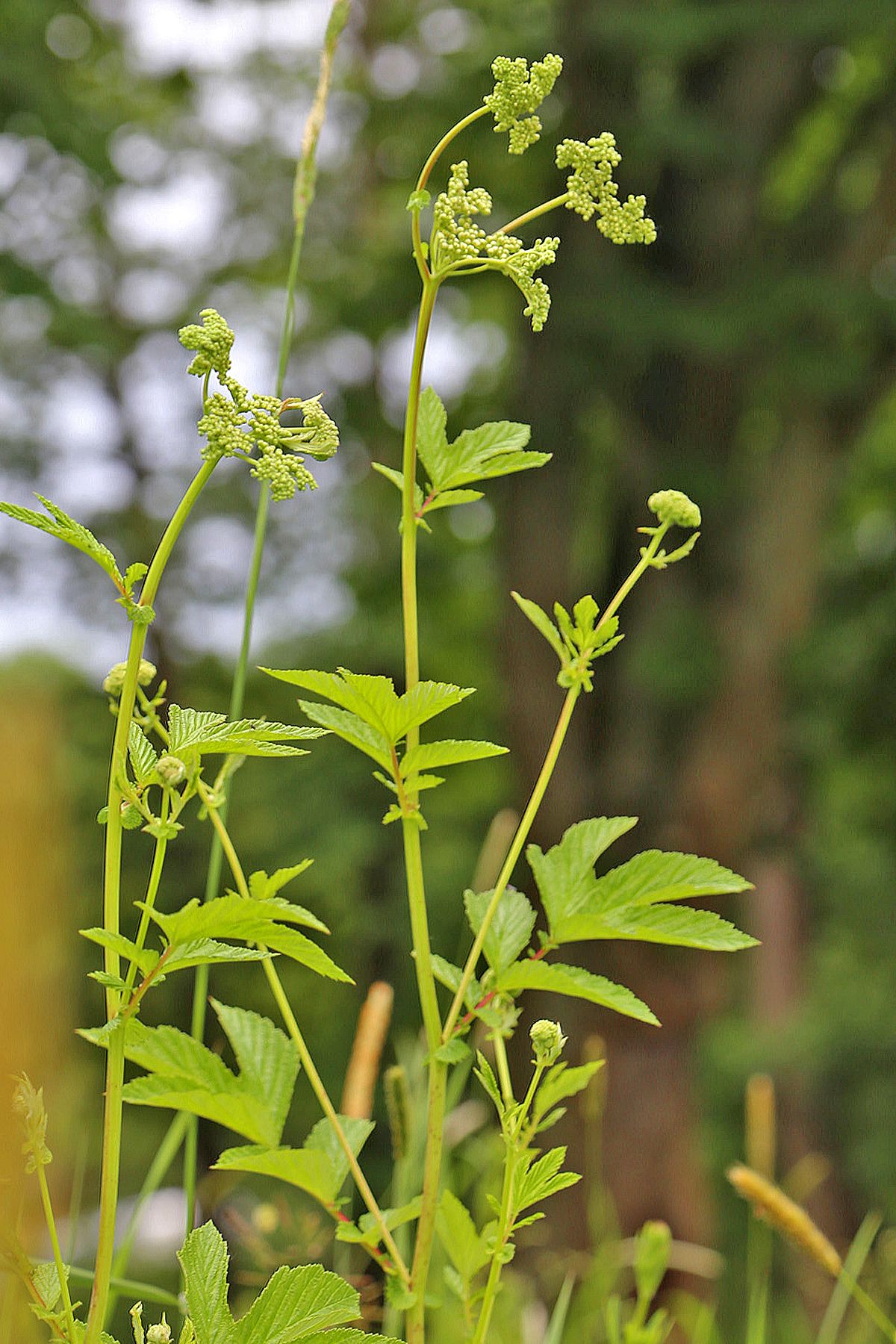
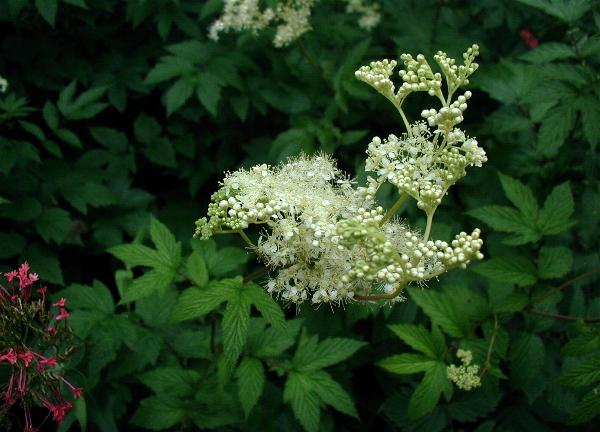
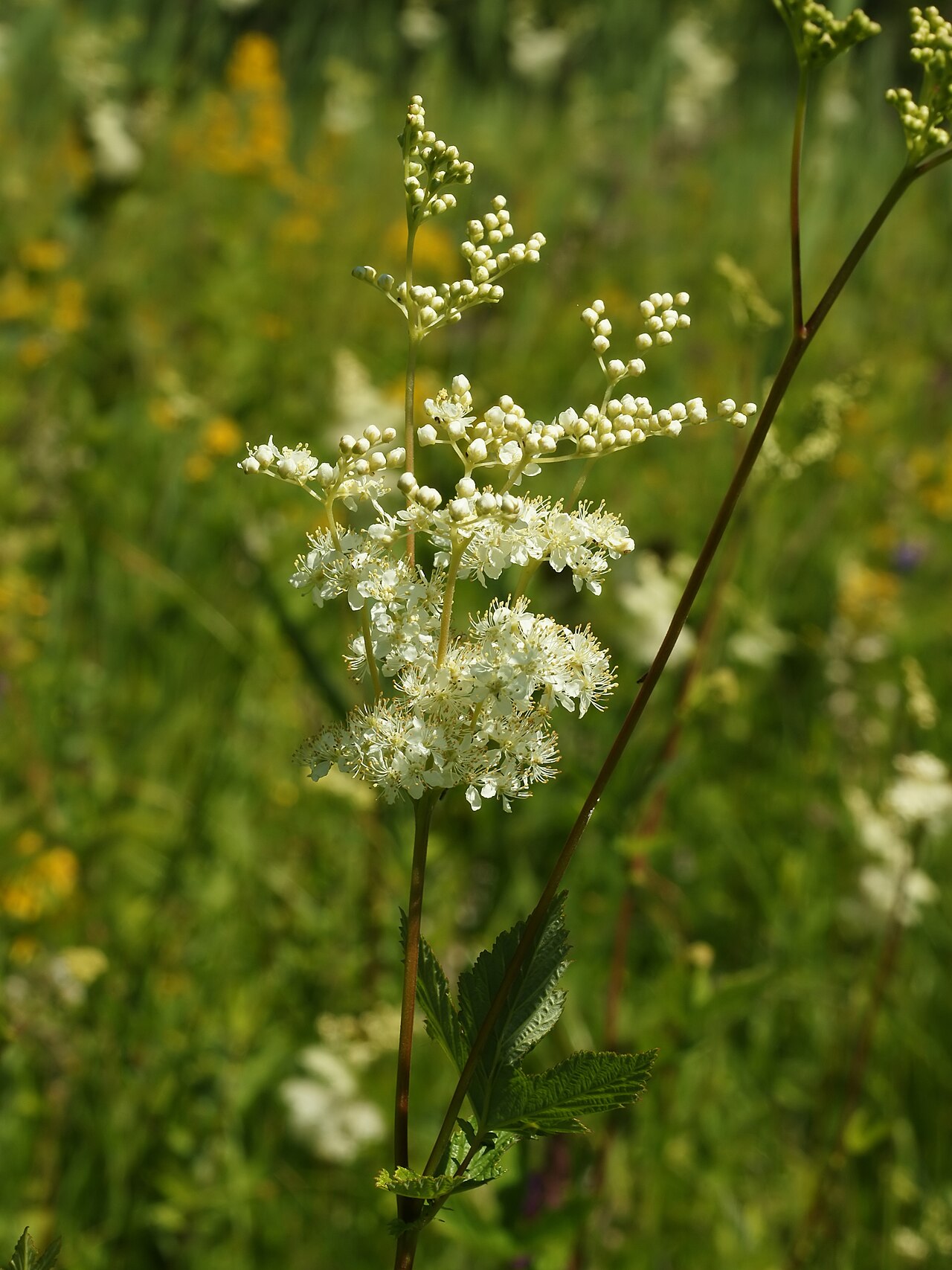
How to grow
Meadowsweet is a graceful perennial, 2-4 feet tall, with deeply veined, fern-like leaves and frothy clusters of creamy-white, sweetly almond-scented flowers in midsummer. Start from seed in fall (it benefits from a cold, moist period, though stratification is not strictly required) or from divisions in fall, and plant it where the soil stays moist: a rain-garden edge, a damp low spot, or a bed you water often. It prefers sun to part shade and moisture-retentive soil enriched with compost or leaf mold; in dry soil it sulks, goes dormant, and comes back smaller. Divide every 3-4 years in fall to keep clumps vigorous, and cut back after flowering for a fresh flush of leaves. In hot climates, give it afternoon shade and extra water, and accept that it is a cool-climate plant at heart.
Water & feeding
Keep soil consistently moist — meadowsweet is a wetland-edge plant, and dry soil is its main enemy. Water deeply in dry spells and mulch thickly with compost or leaf mold. Feed with compost in spring; it appreciates fertility, unlike most herbs, and rewards rich, damp soil with the biggest flower heads.
Common problems
- Drought stress — leaves scorch at the edges and growth stalls; water deeply, mulch, and add shade in hot climates.
- Powdery mildew in humid, crowded beds — space for airflow, water at the base, and cut out affected stems.
- Declining center in old clumps — lift and divide every 3-4 years in fall, replanting the outer, vigorous pieces.
- Aphids on flower heads — usually minor; blast with water and let beneficial insects handle the rest.
Harvest
Gather young leaves in spring and flowers just as they open in midsummer, drying both promptly in a dark, airy place if you want to keep them. Fresh flowers scent salads, drinks, and desserts with a sweet almond fragrance. One honest caution: meadowsweet contains compounds related to aspirin, so people who cannot take aspirin, and anyone on blood-thinning medicine, should not use it medicinally without a clinician’s advice — this guide is about growing a beautiful, fragrant garden plant, and the flowers alone are reason enough to grow it.
Browse all plant & pest guides
Saving seeds
Meadowsweet seed is tiny, and saving it is a matter of patience and a paper bag. After the creamy, almond-scented flower foam fades in midsummer, the seed ripens in small dry follicles. Wait until the heads turn brown and dry, then cut whole stems into a paper bag and let them finish drying. Crush the dried heads gently and winnow away the chaff with a breeze. The seed is dust-fine, so work over a tray and do not do this on a windy day.
There is no scarification and no fuss, but there is a cold period. Sow the seed outdoors in fall and let winter do the stratifying for you, or mix it with damp sand in a sealed bag and refrigerate it for a couple of months before sowing in spring. Surface sow, barely covered, in moist, humus-rich soil in part shade. Germination is uneven and slow, sometimes taking a full season, so sow generously and be patient.
Division is the reliable route to more plants that are exactly like the parent. In early spring, just as new growth appears, lift a clump and split it into sections, each with roots and growing points. Replant immediately in moist soil and keep it damp until it settles. A divided clump establishes fast and flowers the next summer, looking exactly like its parent, because it is its parent.
Crossing happens within the genus, so if you grow more than one Filipendula species and save seed, expect hybrids. Grow one species if you want seed that stays itself. Self-seeding happens around an established clump in moist ground, and the volunteers are worth potting up while they are small.
Florida honesty: meadowsweet is a cool-climate damp-meadow plant, and it struggles in Florida heat and humidity. In North Florida it can work in moist soil with afternoon shade; in Central and South Florida it is a short-lived experiment at best. This section is for the gardener in its proper climate, not a recommendation to plant it in a humid garden.
Varieties
Every named variety of Meadowsweet with its own growing guide:
- Aurea Meadowsweet — Golden meadowsweet: glowing chartreuse-gold foliage under creamy, almond-scented flower foam — the damp garden's answer to a gold-leaved shrub.
- Flore Pleno Meadowsweet — Double meadowsweet: creamy pompon flower heads, sterile and seed-free, on the classic damp-meadow perennial.