
🫘 Henderson Lima Bean
What it looks like
Why this variety
Henderson — also sold as Henderson’s Baby Lima — is the baby lima that made baby limas famous: introduced in 1889 from seed first found in Virginia in 1883, it revolutionized lima growing with a compact, bushy habit, plants only 18 to 24 inches tall, producing flat pods about three inches long with three to four creamy-white beans each. It is early, about 60 to 70 days, enormously prolific, and it bears continuously from the time it starts until frost, which is why generations of gardeners have called it America’s favorite baby lima without exaggeration. If you think you do not like limas, Henderson is the variety most likely to change your mind, because fresh baby limas taste nothing like canned ones.
The eating case is about tenderness: baby limas are small, creamy, buttery, and mild, with a smooth texture that makes them superb fresh, frozen, or canned, and their small size means they cook fast and evenly. Henderson’s bush habit also makes it a container and small-garden variety, no trellis required, and its earliness means it can be succession-sown in a long season for multiple harvests. Grow Henderson if you want limas without the long wait and the tall trellis that large pole limas demand.
If you are new to choosing between cultivars, the Varieties Matter guide explains why the name after the plant matters as much as the plant itself. And if you want the whole clan at a glance, the broader Lima Bean guide covers lima beans generally.
How to grow
Lima beans in Florida are a long, hot-season crop that rewards patience the way few beans do: sow after the soil is warm, give bush types a sunny bed and pole types a serious trellis, and settle in, because limas take their time getting started and then produce for months. They love heat that makes snap beans drop blossoms, they tolerate humidity better than most beans, and they keep setting pods deep into summer, which makes them one of the best beans for a Florida garden that wants dinner in August. The trade-off is time: large limas need the longest season of any common bean, so sow early in spring or plan a late-summer sowing for fall, and do not judge a lima plant by its first slow month. Once it starts, it does not stop.
Sow after the last frost, once the soil is at least 65°F, seeds an inch deep and 4 to 6 inches apart in rows 24 to 30 inches apart, in full sun and fertile, well-drained soil. Do not sow into cold soil — limas rot in cold mud faster than almost any bean — and do not rush the season: warm soil is the whole secret. Water steadily, mulch to hold moisture, and pick often once pods fill, because regular picking encourages more pods and prevents the plant from deciding it is done. In Florida, spring and late-summer sowings both work, with the fall crop often the better one, away from summer pest pressure.
Water & feeding
Limas want deep, steady water — about an inch to an inch and a half a week — especially while pods fill, because drought during pod fill makes small, tough beans and dropped flowers. Work worm castings into the bed at sowing, water at soil level to keep foliage dry in humid weather, and mulch thickly to hold moisture in sandy soil. Go easy on nitrogen fertilizer: limas fix their own nitrogen, and extra nitrogen grows vines instead of beans. Keep watering through the harvest, because a lima vine that is still picking is still drinking.
Common problems
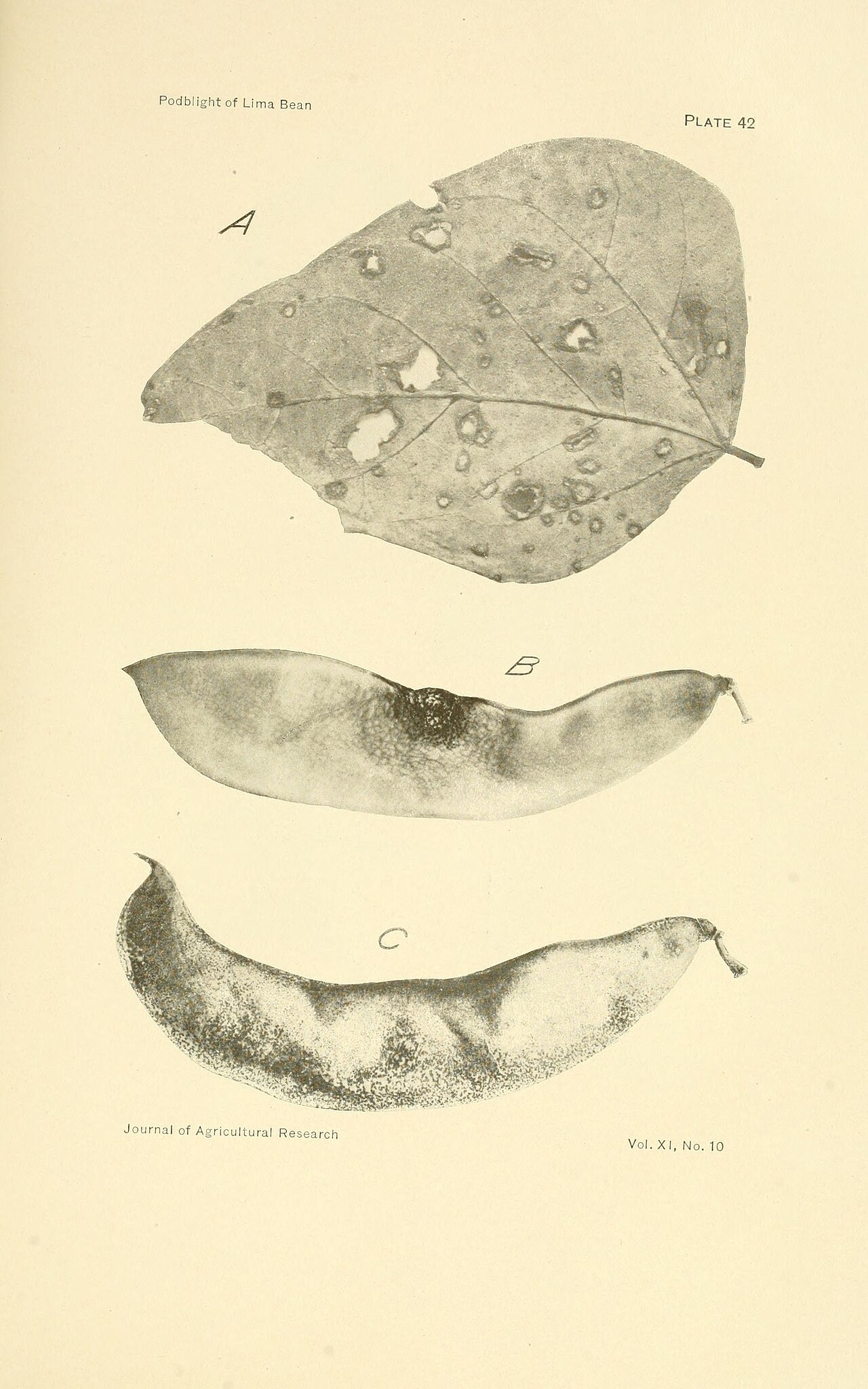
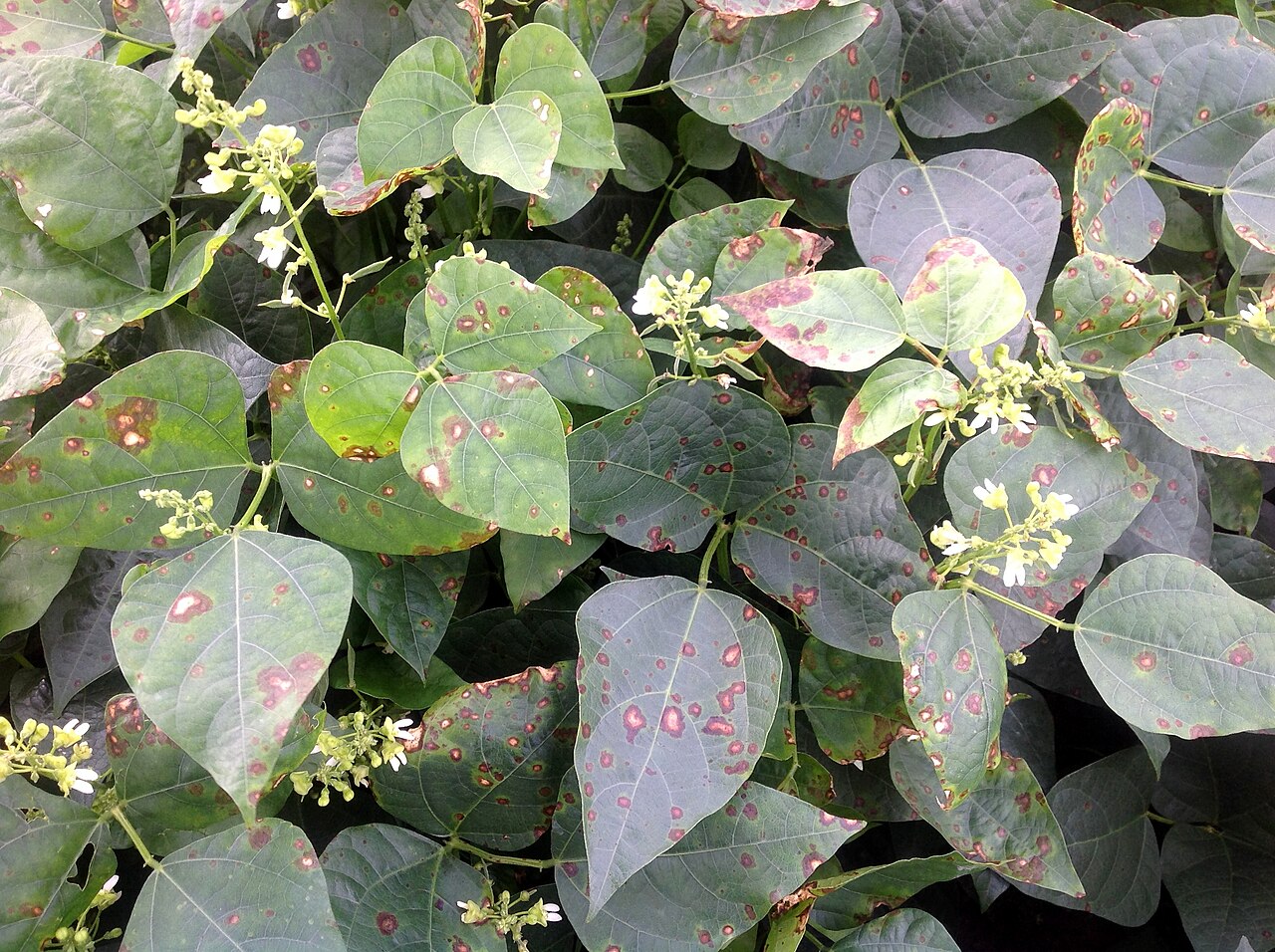
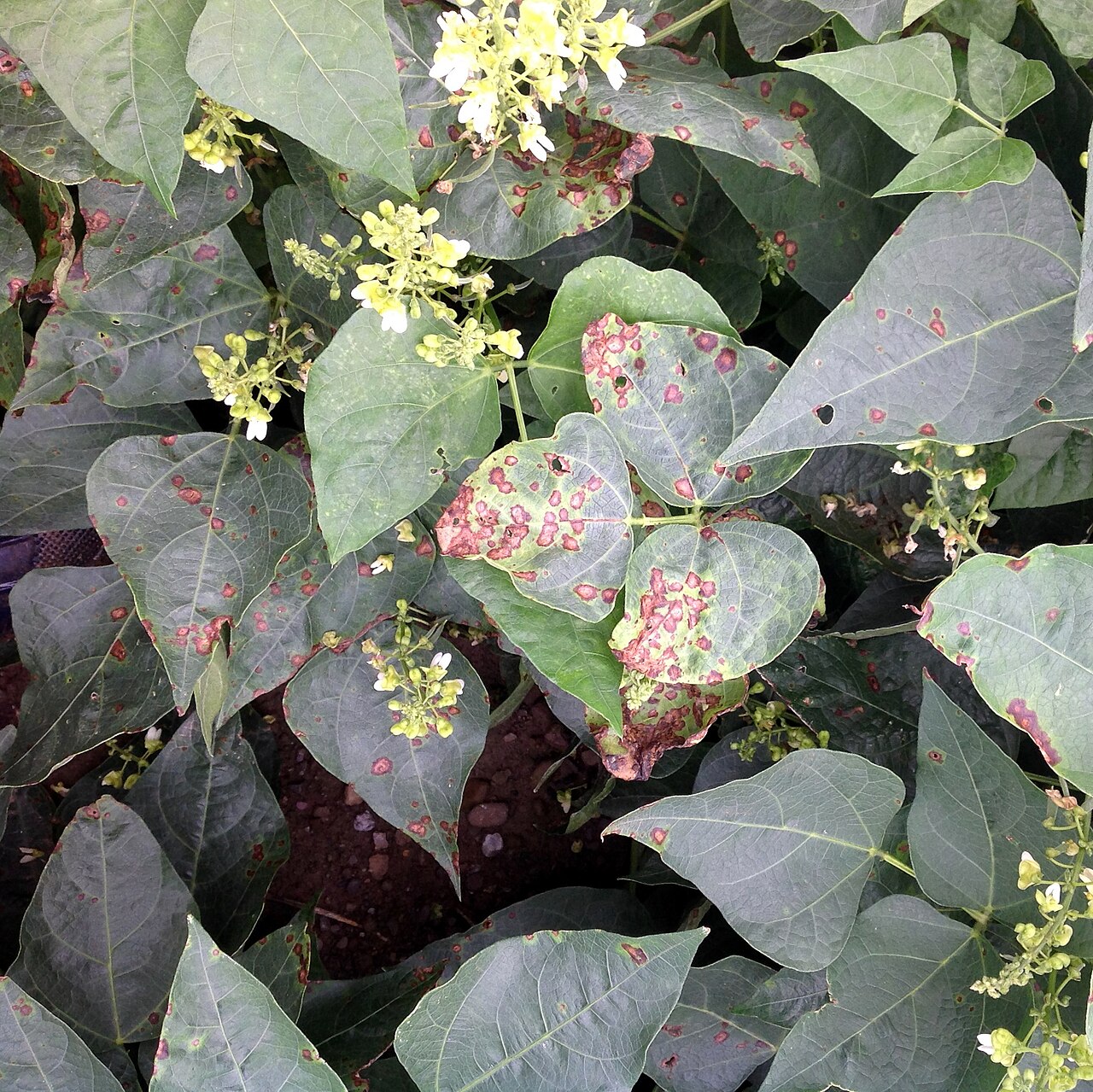
Bean beetles, stink bugs, and aphids are the usual pests; check plants and hand-pick beetles, wash aphids off. Bacterial blight and other leaf diseases appear in wet weather, so water at soil level and space for air. Drought during pod fill makes small, tough beans, so keep water steady while pods fill. And the cold-soil warning bears repeating: limas planted too early do not just grow slowly, they rot, so wait for warm soil even if the calendar says spring.
Harvest
Pick pods when they are plump and well filled but still green, shell fresh beans, and cook promptly — fresh baby limas need only brief cooking and are superb with butter, herbs, or in succotash. For dry beans, let pods yellow and dry on the plant, thresh, and store airtight. Freeze blanched baby limas in bags for winter. Save seed from healthy plants; Henderson is open-pollinated and comes true, though limas cross with nearby limas, so isolate if purity matters.
Nerdy fact: Henderson’s story is a reminder that a variety can be a revolution: before it, limas were mostly tall pole beans needing a long season, and Henderson’s compact, early bush habit put fresh baby limas within reach of ordinary gardens — a 19th-century breakthrough that still feeds 21st-century cooks.
Saving seeds
Henderson is the baby lima that made baby limas famous, introduced in 1889 from seed first found in Virginia in 1883, and it is an open-pollinated heirloom, so saved seed comes true — let a few pods mature and dry on the plant, then shell and store the dry seed. The full method is in the Saving seeds section of the Lima Bean guide.