
🫘 Lima Bean
What it looks like
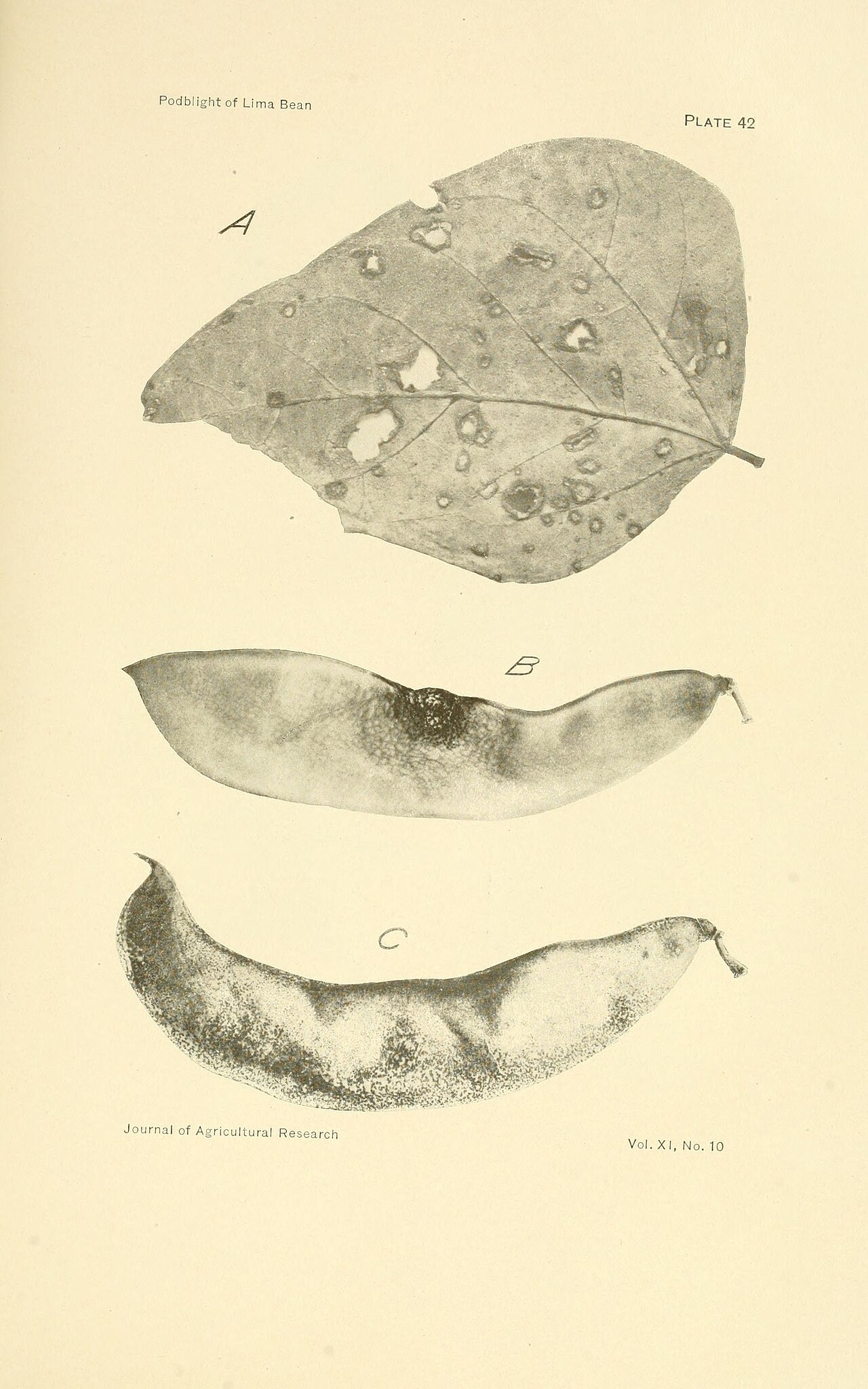
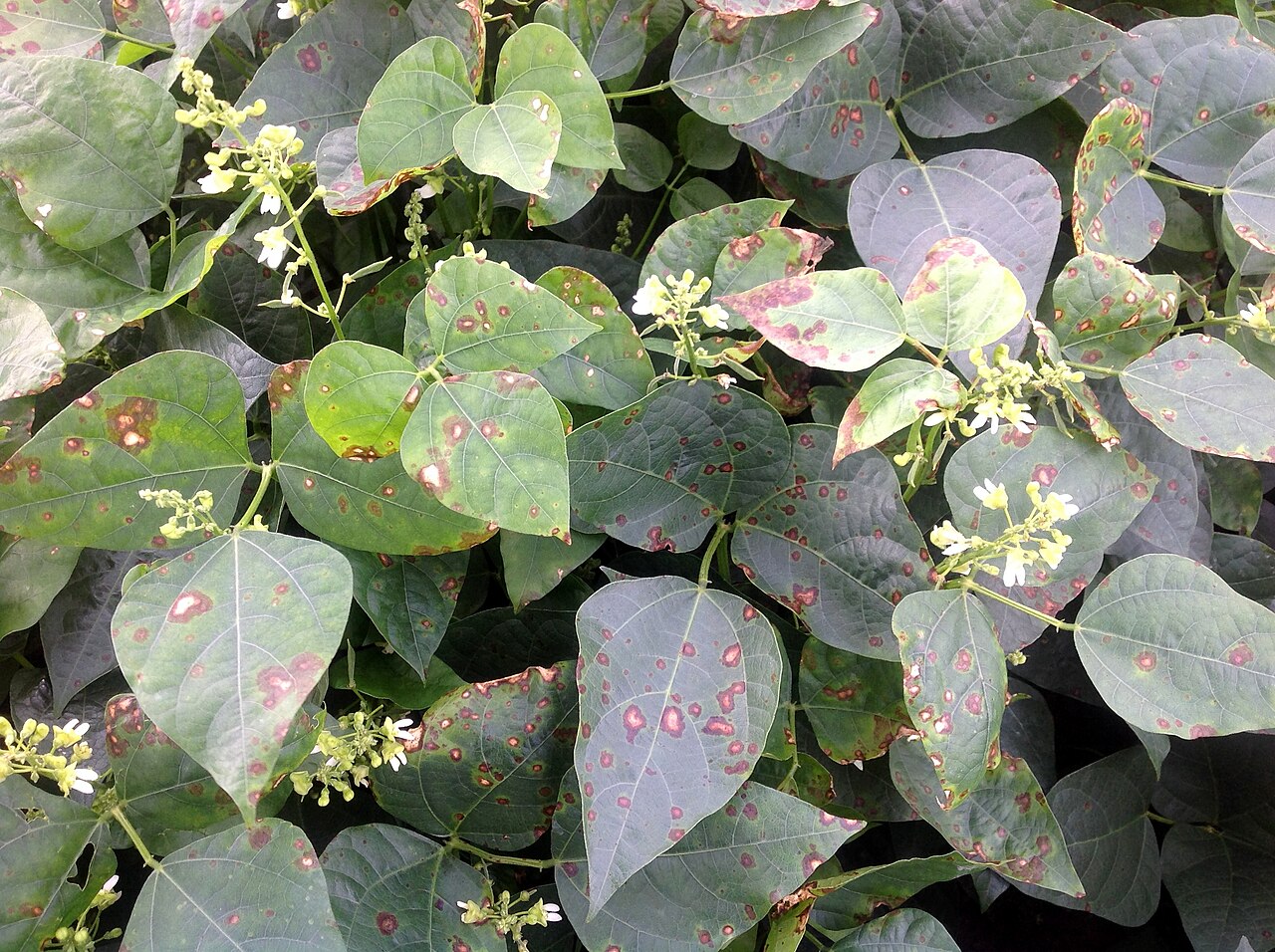
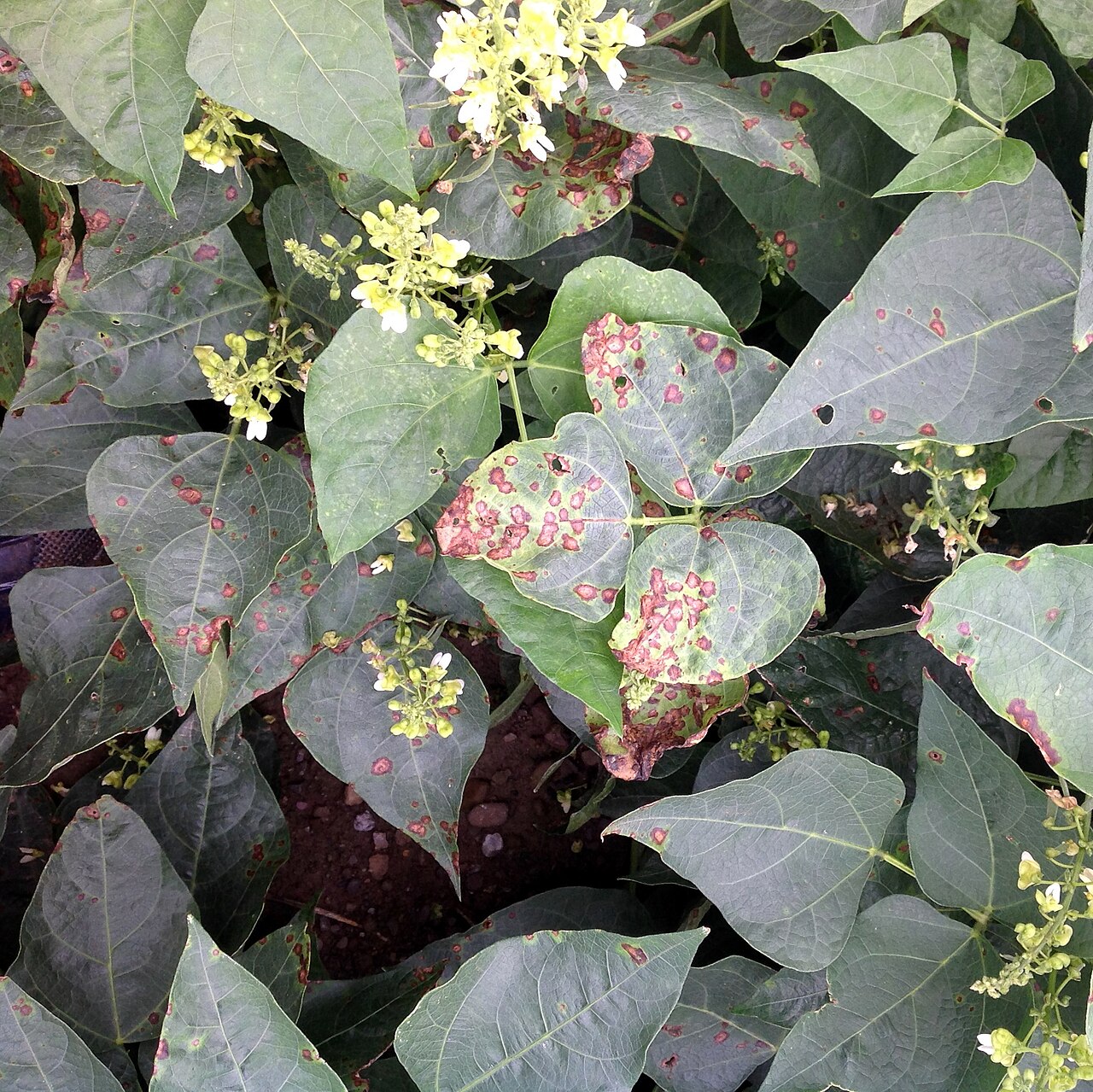
How to grow
Lima beans are a different species from ordinary beans — Phaseolus lunatus, not vulgaris — and they behave like it: slower to start, fussier about cool soil, and far more productive once summer heat arrives. Baby limas (small, quick) suit short seasons; large limas and butterbeans want a long, warm summer and repay it with heavy pods.
Direct-sow only, 1 inch deep, after soil is reliably 65°F or warmer — lima seed rots in cold, wet soil faster than snap beans do. Bush limas give a concentrated harvest for freezing and canning; pole limas climb 8–10 feet and produce steadily until frost, but need a trellis installed before planting, not wrestled in later.
As legumes, limas fix their own nitrogen through rhizobium bacteria in root nodules, so skip nitrogen fertilizer. In a brand-new bed, inoculating seed with the right rhizobium strain helps; in established garden soil, the bacteria are usually already there.
Water & feeding
About 1 inch a week, critical during flowering and pod-fill — drought at pod-fill means flat, empty pods. Work worm castings into the bed before planting for phosphorus and micronutrients; castings carry a low burn risk and won’t burn seed the way fresh manure can. Mulch to keep pods clean and soil moisture even.
Common problems
- Poor germination in cool soil: wait for 65°F soil; a soil thermometer is cheaper than replanting.
- Bean beetles and aphids: hand-pick beetle larvae, blast aphids with water, and use row cover until flowering.
- Blossom drop in extreme heat: keep water even and be patient — plants usually resume setting pods when nights cool slightly.
- Pods that stay flat: drought during pod-fill, or picking too early — wait until pods feel plump and seeds bulge.
Harvest
Pick when pods are plump and seeds are clearly bulging, but before pods dry — shell fresh for immediate cooking, or let pods dry on the plant for dry limas. Fresh-shelled limas cook in minutes and taste nothing like the canned kind; dry limas store for a year in a cool, dry jar. Pick pole types every few days to keep production going.
Browse all plant & pest guides
Saving seeds
Lima beans are one of the friendliest crops to save seed from, and the reason is built into the flower. Lima beans (Phaseolus lunatus) mostly pollinate themselves before the flower even opens, so crossing between varieties is uncommon — though not impossible, especially where bees are busy. If you grew only one lima variety, your saved seed is almost certainly true to type. If you grew several and want pure seed, give the varieties some space: references disagree on the distance, ranging from a few dozen feet for home gardens to well over a hundred feet for strict purity, so a practical rule is to grow one variety for seed and enjoy the others for eating.
Pick your best plants early — the healthiest, most productive vines with pods that fill well — and mark them with a bit of string so you stop picking from them. Let the pods stay on the vine long past the eating stage, until they are brown, papery, and dry, and the beans rattle inside. In a dry spell they finish beautifully on the vine; if heavy rain threatens before they are ready, pull the whole vine and hang it upside down somewhere dry and airy to finish, because pods that stay damp will mould or sprout in the pod, and a sprouted bean is done for.
Shell the dry pods by hand, or tip a big batch into a pillowcase and thresh it gently to crack the pods open, then winnow away the papery chaff by pouring the beans slowly between two buckets in a light breeze. Spread the shelled beans in a single layer and dry them further indoors for at least a week or two. The test is simple: a properly dry bean is hard enough that your fingernail will not dent it, and it snaps rather than bends. Anything that bends is still holding moisture and will go mouldy in storage.
Sort ruthlessly. Keep only plump, undamaged beans, and toss anything cracked, shrivelled, holed, or mouldy. If bean weevils are a worry, one extra step helps: once the beans are thoroughly dry, seal them in a bag and freeze them for a few days to kill any insect eggs hiding inside, then bring them back to room temperature before storing. And the usual honesty rule: save seed from open-pollinated or heirloom varieties, not from F1 hybrids, whose next generation scatters back toward the parent lines instead of growing true.
Florida note: our humidity is the recurring villain of bean seed saving, and summer rain is the accomplice — time your seed pods to finish before the wettest weather, dry the beans longer indoors than you think you need to, and store them labelled with variety and year in an airtight jar with a silica gel packet or two, somewhere cool and dark. Properly dried and stored, lima bean seed generally keeps for several years.
Varieties
Every named variety of Lima Bean with its own growing guide:
- Fordhook 242 Lima Bean — The gold-standard bush lima — large, plump beans, a 1945 All-America winner, and still the benchmark.
- Henderson Lima Bean — America's favorite baby lima — early, bushy, and famously easy, since 1889.
- Jackson Wonder Lima Bean — The speckled Southern lima — heat-tough, early for a bush lima, and a favorite for fresh and dry use.
- Dixie Butterpea Lima Bean — The Southern butterpea: small, creamy, heat-loving baby limas that keep bearing until frost.
- Eastland Lima Bean — The early bush lima: ready a week sooner than the classics, then keeps on bearing for yields second to none.
- Baby Fordhook Lima Bean — The little Fordhook: small, delicately flavored white limas on a compact 12-to-18-inch bush — big Fordhook flavor, smaller seed.
- King of the Garden Pole Lima Bean — The pole lima with the royal name and the harvest to back it: huge white beans on a vine that climbs past your head.
- Christmas Lima Bean — The speckled holiday heirloom: huge, chestnut-patterned beans on a vigorous pole vine — as pretty as it is buttery.
- Thorogreen Lima Bean — The green baby lima that stays green: small, tender, heat-tough beans on a compact bush — the freezer lima.
- Carolina Sieva Lima Bean — The small white Southern lima: tender sieva beans on a bush, bred for heat and beloved in the Lowcountry.
- Willow Leaf Lima Bean — The pole lima with the unmistakable foliage: narrow, willow-like leaves and small tender beans on a vigorous vine.