
🫘 Baby Fordhook Lima Bean
What it looks like
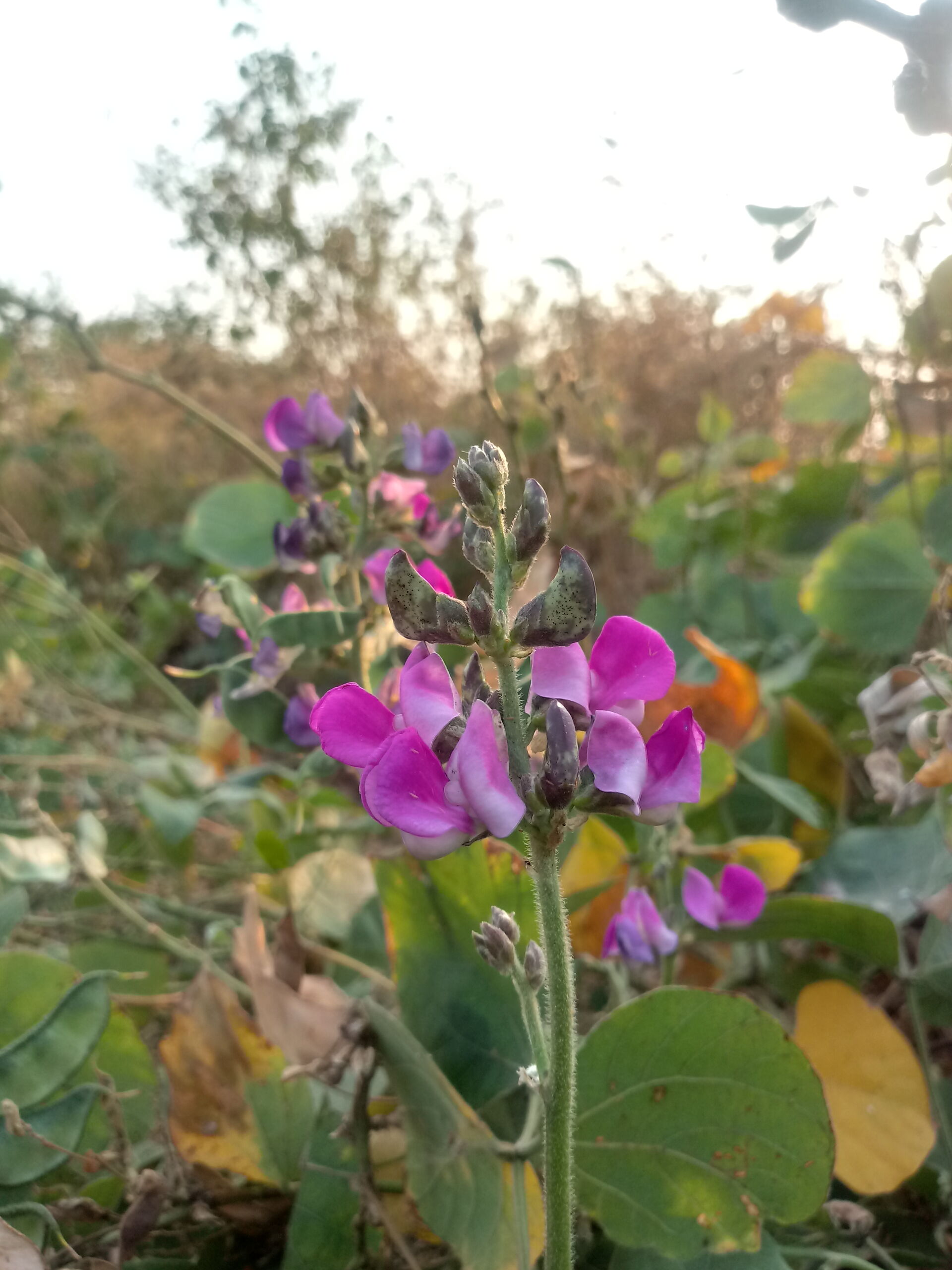
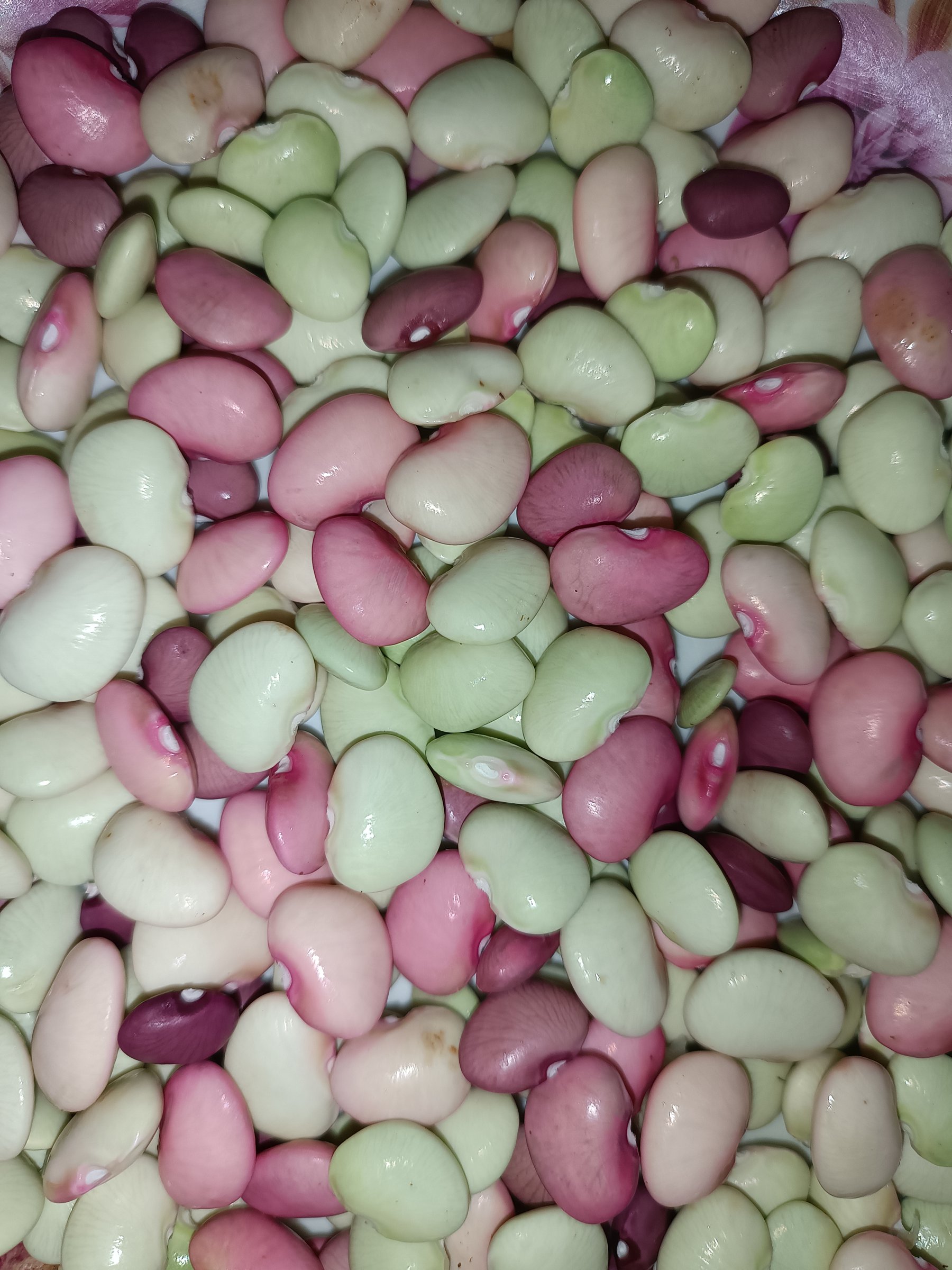
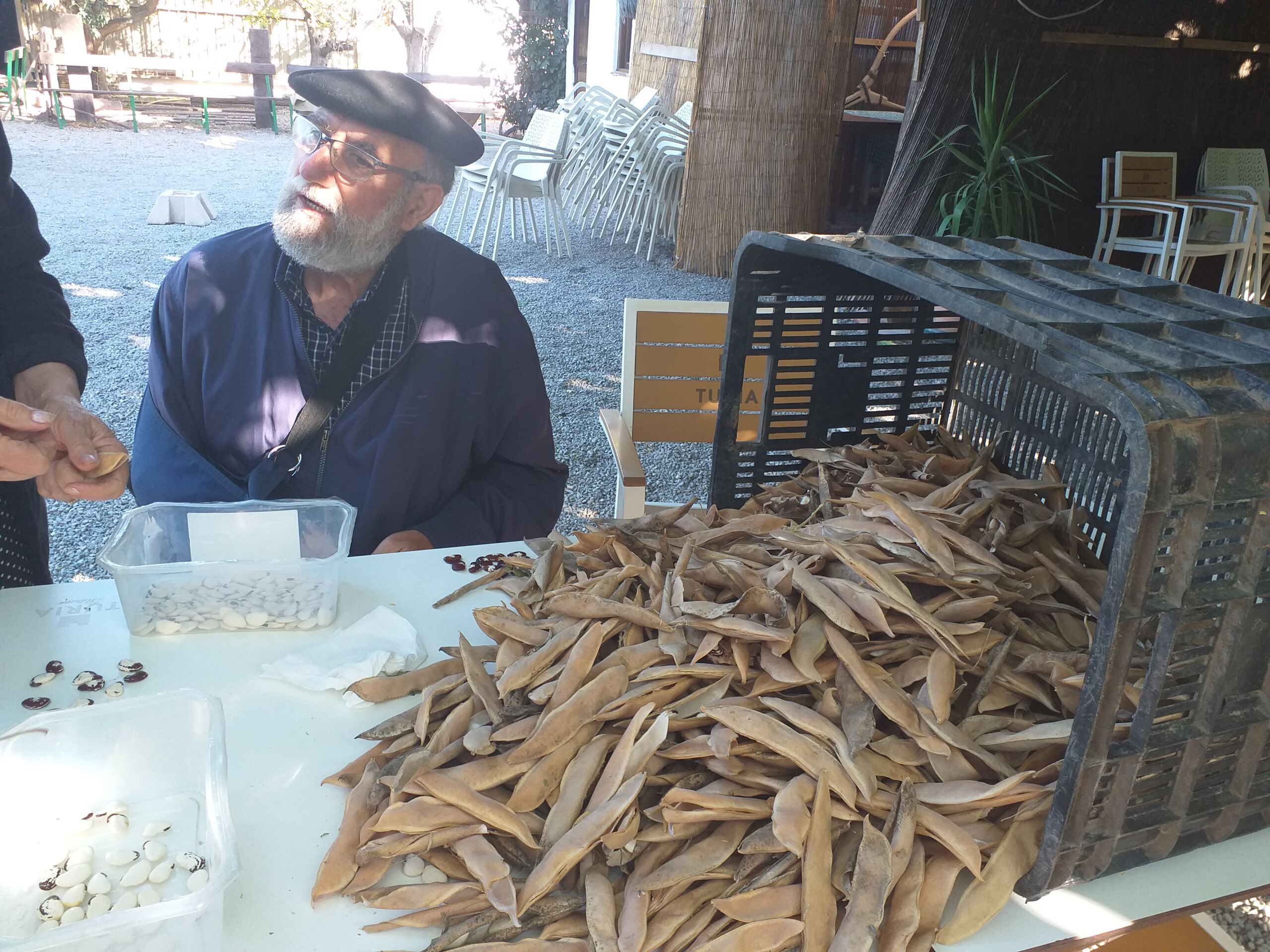
No verified photo of ‘Baby Fordhook’ itself was found, so the pictures below show the species — the same plant, photographed generally.
Why this variety
Baby Fordhook shares a name with the Fordhook that home cooks consider the gold standard for preserving and fresh eating — but it is not just a smaller Fordhook 242. It has smaller seeds with a more delicate flavor, on plants just 12-18 inches tall. That compact size is the whole pitch: Fordhook flavor and canning quality from a bush so small it fits containers and small beds without trellising.
It is also heat tolerant and adaptable to a wide range of conditions, which is why it shows up on best-lima lists year after year. If Fordhook 242 is the big, plump benchmark, Baby Fordhook is the version for gardeners who want the same reputation in a smaller package — and who prefer a more delicate bean on the plate.
If you have not grown the species before, start with the Lima Bean growing guide for the general picture, then come back here for what makes this variety different.
How to grow
Direct-sow Baby Fordhook after soil has warmed thoroughly, about an inch deep, 4-6 inches apart in rows 24-36 inches apart, in full sun. In Florida, spring planting gives a long summer harvest. Plants stay 12-18 inches tall and need no support, which makes them one of the easiest limas to fit into a mixed bed.
Work worm castings into the bed at planting and mulch to hold moisture. As a legume, Baby Fordhook fixes nitrogen with rhizobium bacteria, so skip nitrogen fertilizer. Keep the bed weed-free early — small plants are easily swamped by weeds, and a weedy start costs yield all season.
Water & feeding
About an inch a week, steady through flowering and pod-fill, at the base. Inconsistent water means poorly filled pods and dropped flowers. Mulch holds moisture in sandy soil and keeps the root zone steadier; overhead watering in humid weather invites leaf disease, so water low.
Common problems
- Aphids and bean beetles — handpick, blast aphids with water, encourage ladybugs.
- Leaf diseases in humid weather — space for airflow, water at the base, do not work wet plants.
- Poor germination in cool soil — wait for warm soil; cold, wet soil rots lima seed faster than almost any other bean.
- Pods not filling — usually drought at flowering. Steady water at bloom is the fix, not fertilizer.
Harvest
Pick Baby Fordhook pods when plump and green, about 70 days from sowing, and shell the small white beans for fresh cooking — always cooked thoroughly, never raw. Baby Fordhook is excellent for canning and freezing, which is where the Fordhook name earned its reputation: small, tender beans that hold their texture. For dry use, let pods dry fully on the plant, then shell and store airtight.
Browse all plant & pest guides
Saving seeds
Baby Fordhook is an open-pollinated variety, so it comes true from seed — save seed from your best pods and let them dry fully before storing. The full method is in the Saving seeds section of the Lima Bean guide.