
🫘 Willow Leaf Lima Bean
What it looks like
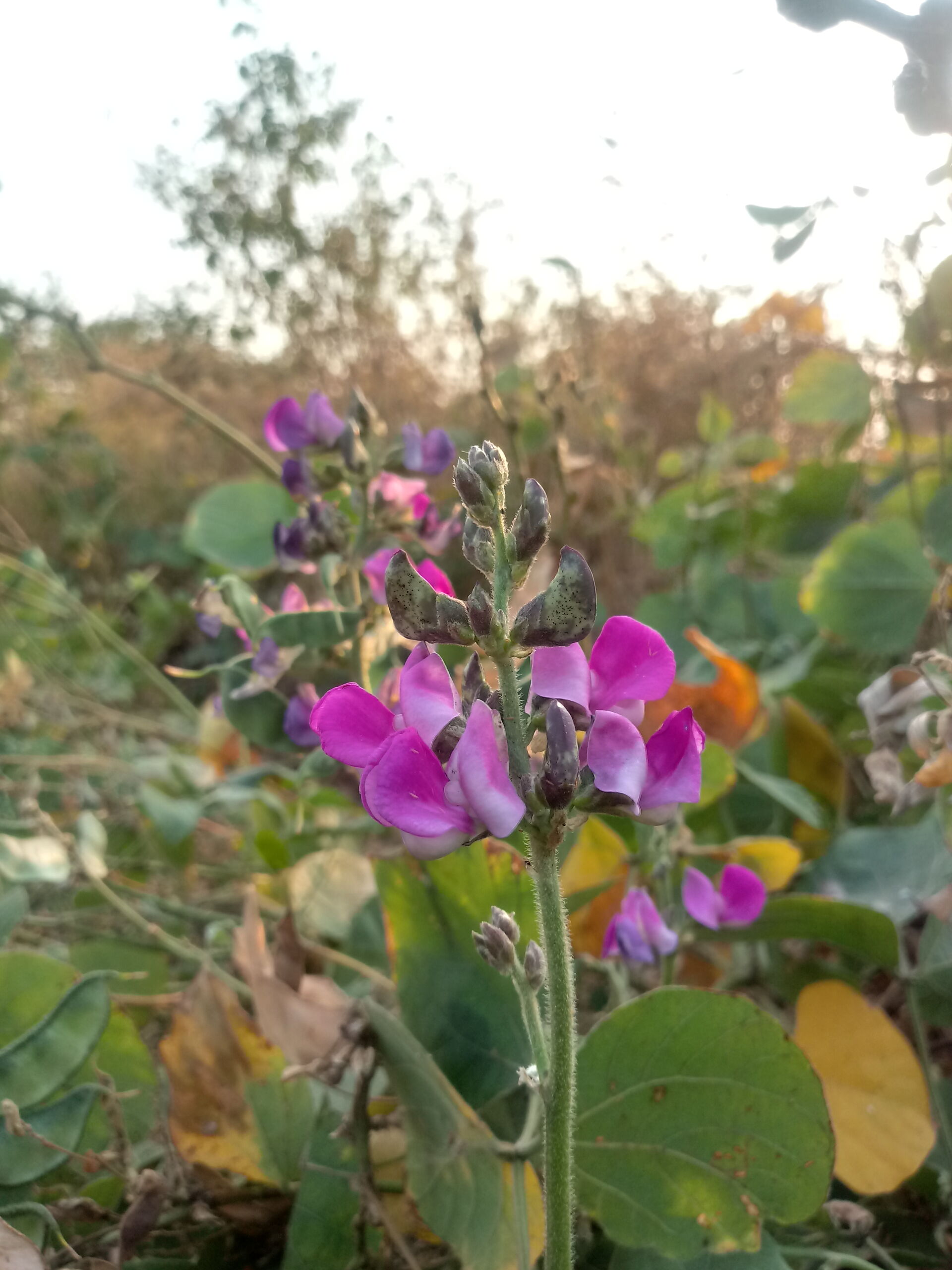
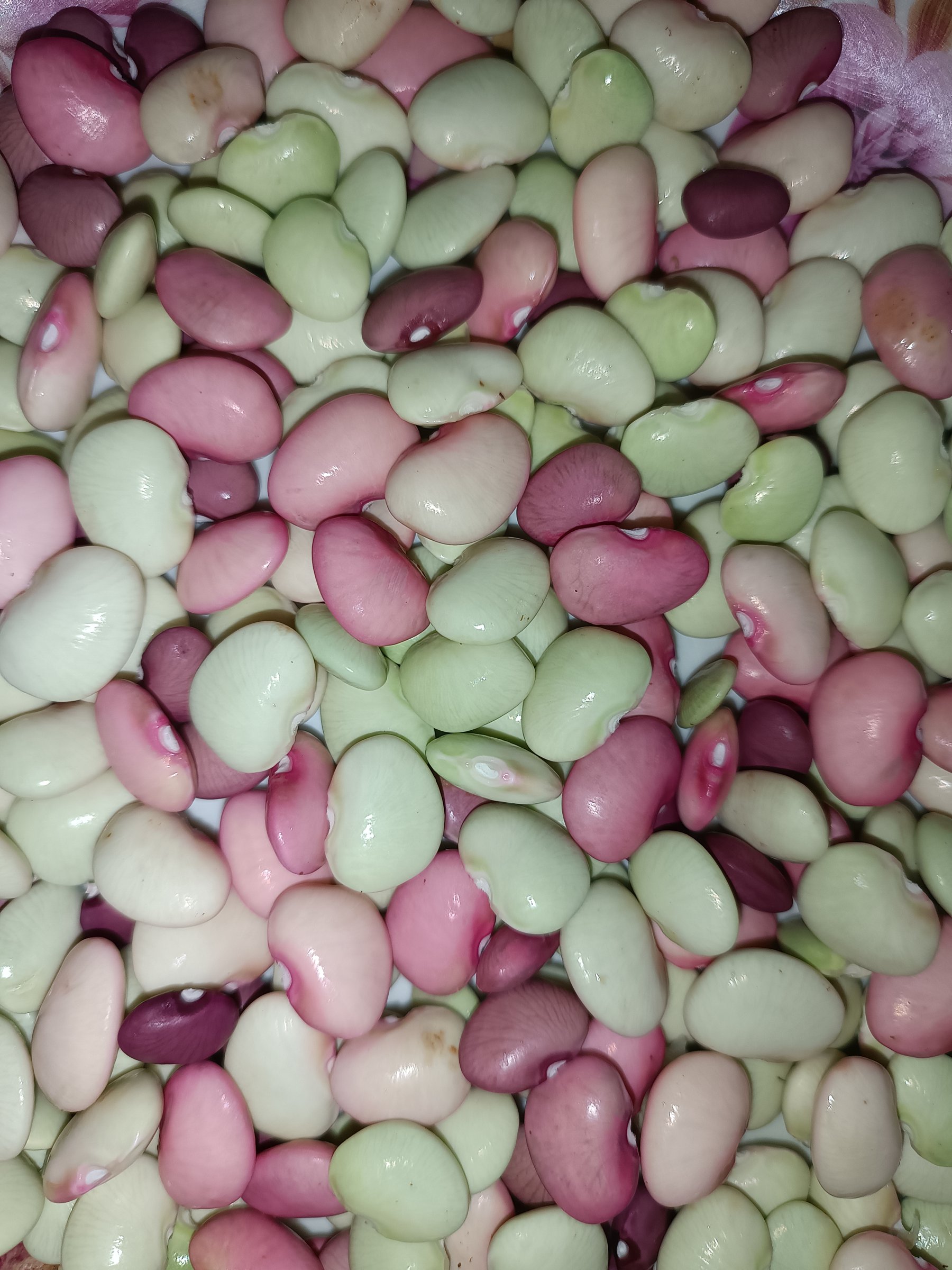
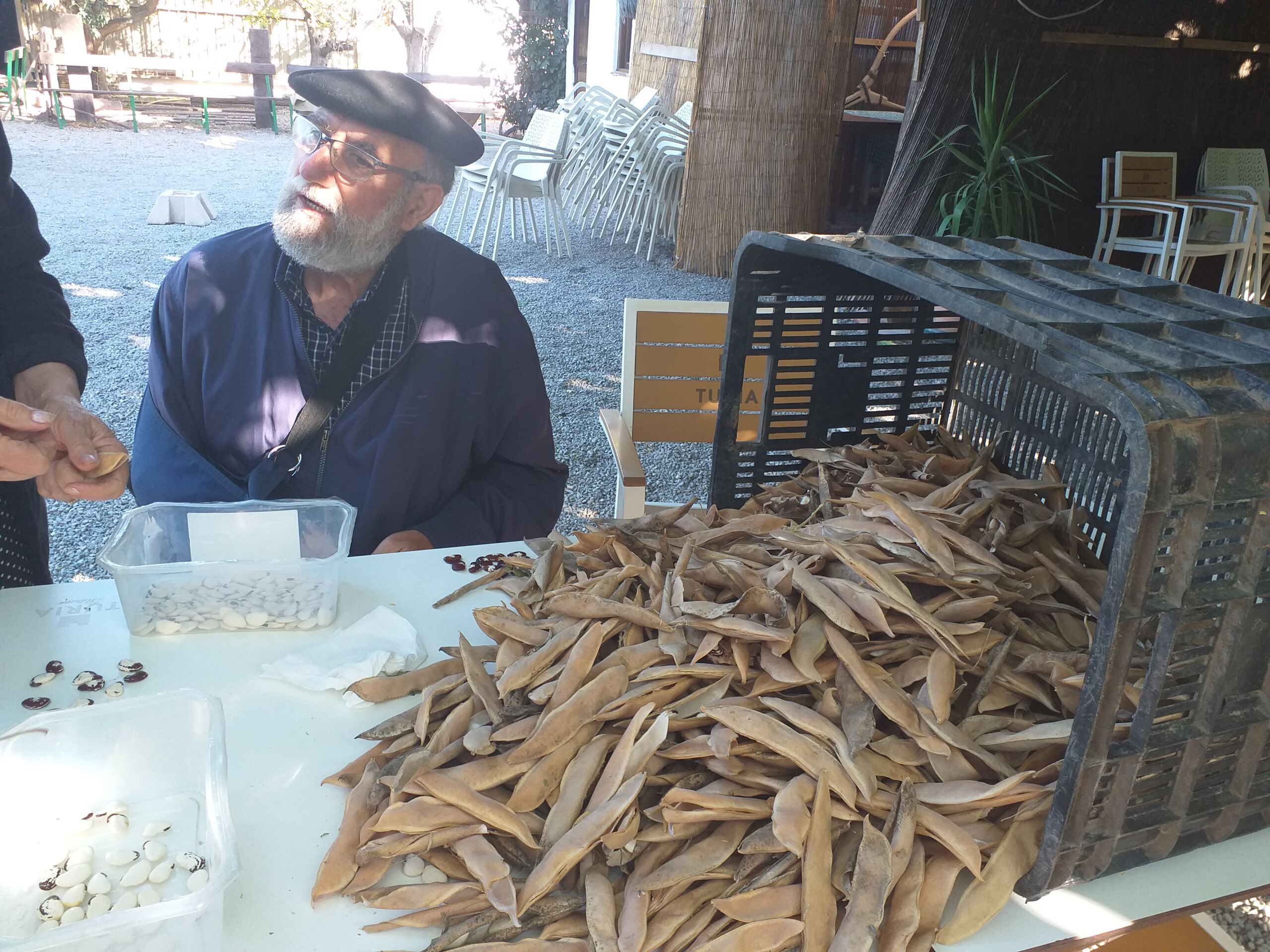
No verified photo of ‘Willow Leaf Lima Bean’ itself was found, so the pictures below show the species — the same plant, photographed generally.
Why this variety
Willow Leaf Lima is the variety you can identify before it ever makes a bean: its leaflets are narrow and willow-like, utterly unlike the broad leaves of other limas. That foliage is not just a curiosity — narrow leaves let more air and light into the vine, which helps in humid climates where dense lima foliage invites disease. Gardeners in the humid South have grown Willow Leaf for generations for exactly that reason.
The beans themselves are small and tender, a sieva-type pole lima, borne on a vigorous climbing vine over a long season. Willow Leaf is a long-season commitment at 85-90 days, but it is a heat-loving commitment, and Florida’s long warm season is the right place to make it. Fresh-shelled Willow Leaf beans are delicate and creamy — a shell bean for eating fresh, not for the storage jar.
If you have not grown the species before, start with the Lima Bean growing guide for the general picture, then come back here for what makes this variety different.
How to grow
Set up a tall, sturdy trellis before planting — Willow Leaf is a vigorous pole vine. Sow about an inch deep at the trellis base, 6-8 inches apart, once soil is at least 65°F; limas rot in cold, wet soil, so warm soil is the price of admission. In Florida, sow in spring once soil is truly warm and again in late summer for fall harvest.
The narrow foliage is an airflow advantage, but do not waste it by crowding vines together — give each vine its space and its own section of trellis. Mulch to hold moisture and keep water steady from flowering through pod-fill; a long-season vine needs steady water for a long time.
Water & feeding
About an inch a week, steady through flowering and pod-fill, for the whole long season. Willow Leaf fixes its own nitrogen via rhizobium nodules, so skip nitrogen fertilizer. Worm castings worked in before planting supply phosphorus and micronutrients.
Common problems
[“Lima bean pod borers and stink bugs target pods — scout as pods swell. Root-knot nematodes can trouble limas in sandy Florida soil; rotate beds and add organic matter. Rust and blight love humidity: water at the base, do not handle wet vines, rotate beds yearly. Willow Leaf’s open foliage helps with disease, but it is not immunity — scout weekly.”]
Harvest
Pick Willow Leaf pods when plump and the beans inside are full-sized but still tender, then shell fresh and cook briefly — small sieva-type beans go from tender to starchy fast if overcooked. For dry beans, leave pods on the vine until dry and rattling. Pick regularly to keep the vine bearing.
Saving seeds
Willow Leaf Lima is the variety you can identify before it ever makes a bean: its leaflets are narrow and willow-like, utterly unlike the broad leaves of other limas. That foliage is not just a curiosity — narrow leaves let more air and light into the vine, which helps in humid climates where dense lima foliage invites disease. Gardeners in the humid South have grown Willow Leaf for generations for exactly that reason. The beans themselves are small and tender, a sieva-type pole lima, borne on a vigorous climbing vine over a long season. It is an open-pollinated heirloom — Thresh Seed calls it “a rare heirloom variety introduced by Burpee in 1891”, and there are white-seeded and variously mottled strains — so seed saved from it comes true within its strain. Lima beans are self-pollinating, so saving seed is easy: let pods dry fully on the vine, shell them, and dry the seed hard before storing. The full method is in the Saving seeds section of the Lima Bean guide.