
🫘 Carolina Sieva Lima Bean
What it looks like
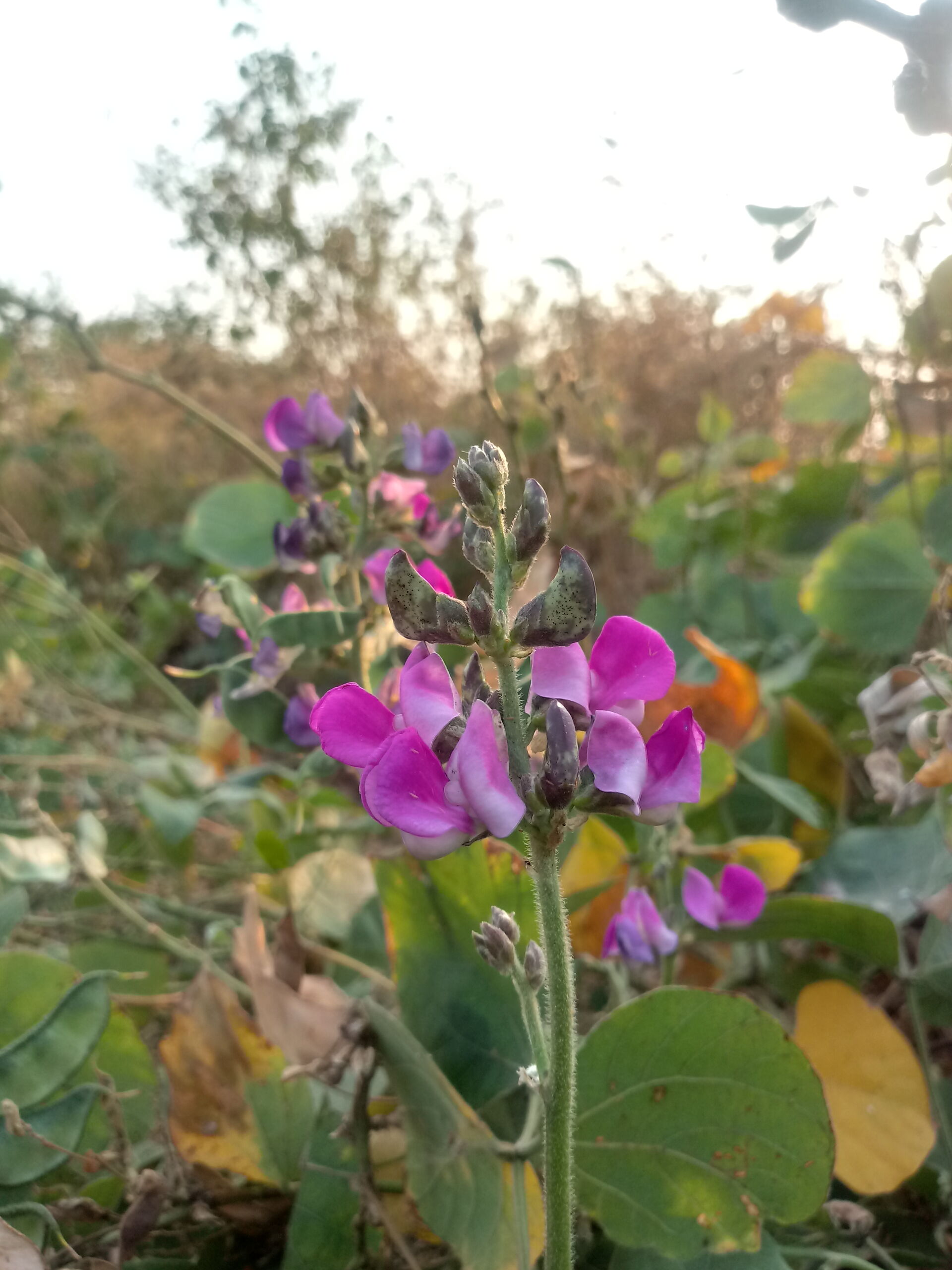
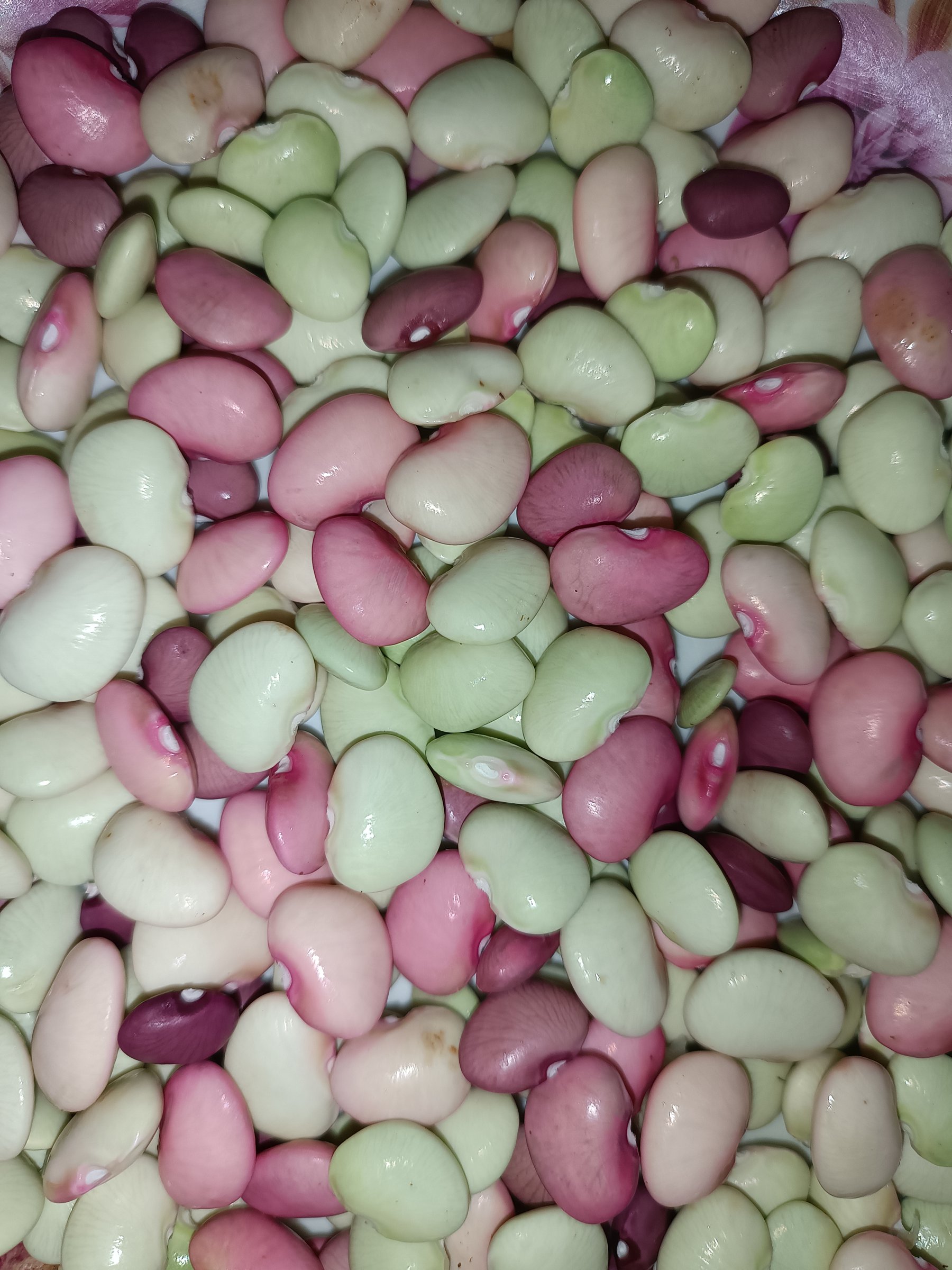
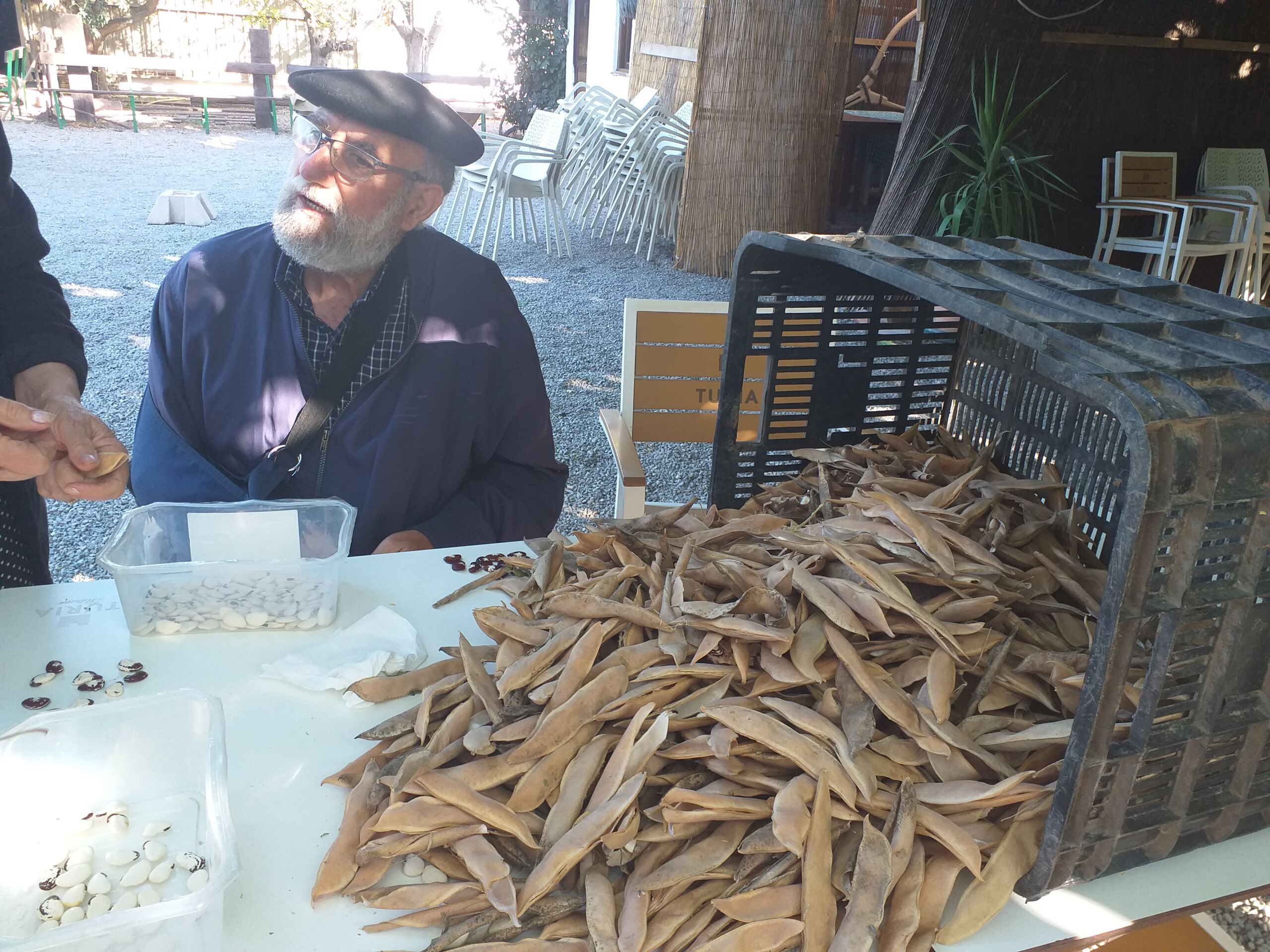
No verified photo of ‘Carolina Sieva Lima Bean’ itself was found, so the pictures below show the species — the same plant, photographed generally.
Why this variety
Carolina Sieva is the small white lima of the Southern coast — the sieva type, which means small, flat, tender beans, distinct from the big fat Fordhook type. In Lowcountry cooking, sieva limas are the butterbean: delicate, creamy, and quick-cooking, the bean for fresh shelling in summer rather than for drying by the bushel.
As a bush variety it fits gardens without trellises, and as a Southern variety it fits Florida’s heat: Carolina Sieva keeps setting pods through warm weather that ends snap-bean season, and its 72-78 day maturity fits both the spring and fall windows with room to spare. If you think you do not like limas, a fresh Carolina Sieva is the argument that might change your mind — most lima skeptics have only met the freezer kind.
If you have not grown the species before, start with the Lima Bean growing guide for the general picture, then come back here for what makes this variety different.
How to grow
Direct-sow Carolina Sieva about an inch deep, 4-6 inches apart in rows 24-30 inches apart, once soil is at least 65°F. In Florida, sow in spring once soil is truly warm and again in late summer for fall harvest. Limas rot in cold, wet soil, so do not let an early calendar date talk you into planting into mud.
Keep the bed evenly moist through emergence and mulch once plants are established. Sieva limas are bush plants but not small plants — give them the full row spacing for airflow, because humid, crowded foliage invites disease. Steady water from flowering through pod-fill keeps the small beans tender.
Water & feeding
About an inch a week, steady through flowering and pod-fill. Carolina Sieva fixes its own nitrogen via rhizobium nodules, so skip nitrogen fertilizer. Worm castings worked in before planting supply phosphorus and micronutrients.
Common problems
[‘Lima bean pod borers and stink bugs target pods — scout as pods swell and handpick. Root-knot nematodes can trouble limas in sandy Florida soil; rotate beds and add organic matter. Rust and blight love humidity: water at the base, do not handle wet plants, rotate beds yearly.’]
Harvest
Pick Carolina Sieva pods when plump and the beans inside are full-sized but still tender, then shell fresh — sieva beans are at their best freshly shelled and briefly cooked. For dry beans, leave pods on the plant until dry and rattling. Pick regularly to keep the bush producing.
Saving seeds
Carolina Sieva is a Southern heirloom type, so it comes true from seed — save seed from your best pods and let them dry fully before storing. The full method is in the Saving seeds section of the Lima Bean guide.