
🫘 Dixie Butterpea Lima Bean
What it looks like
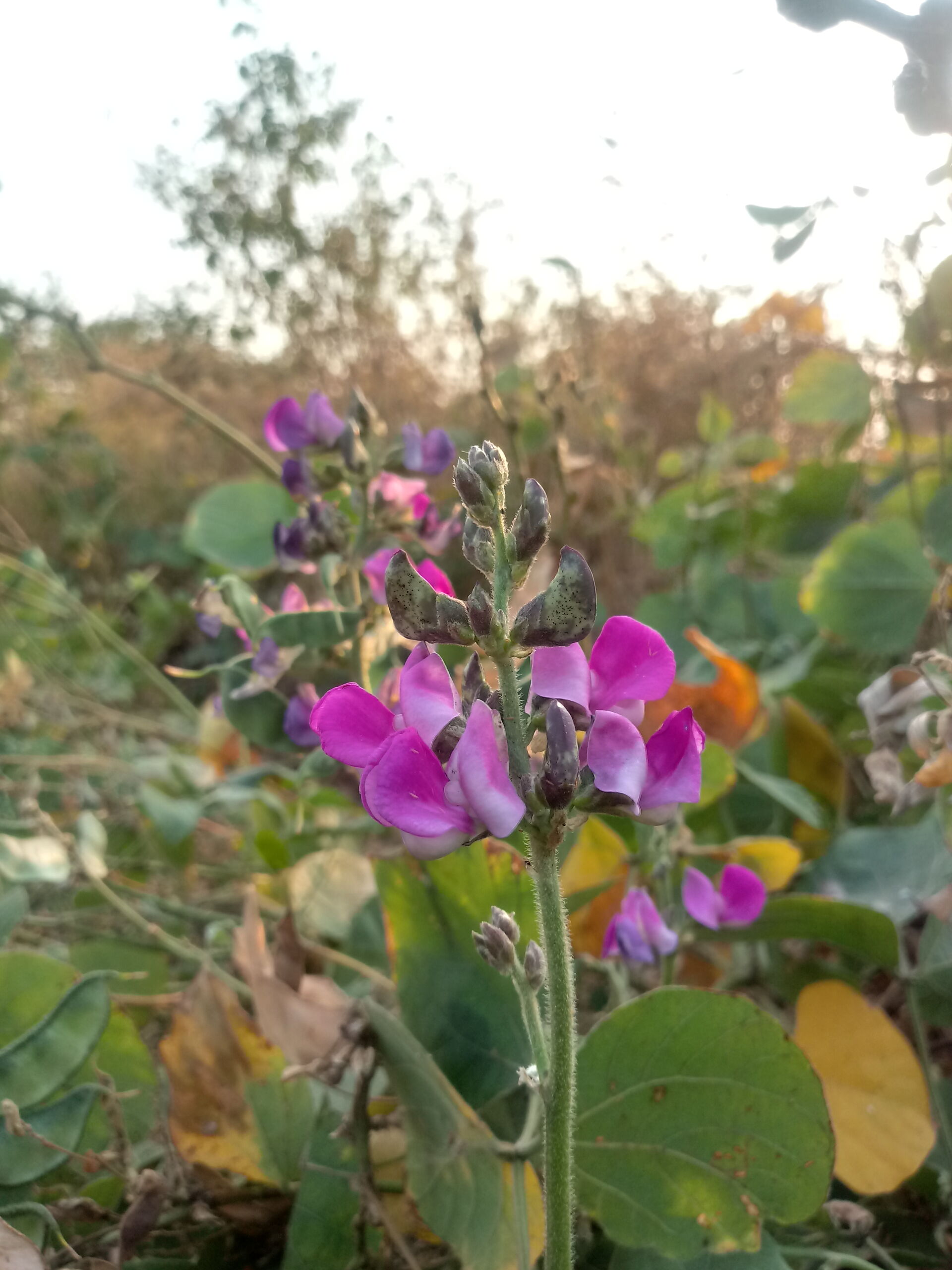
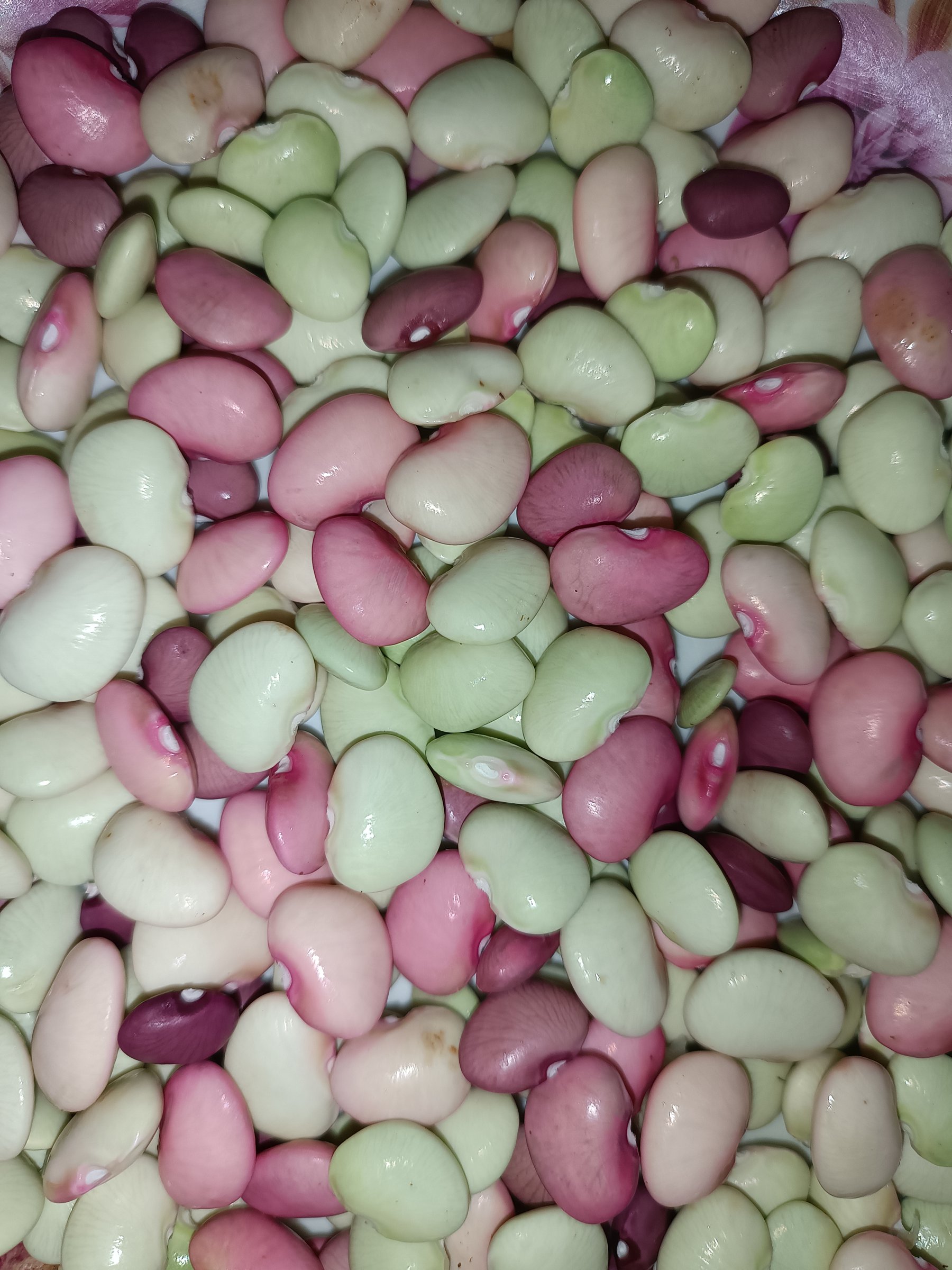
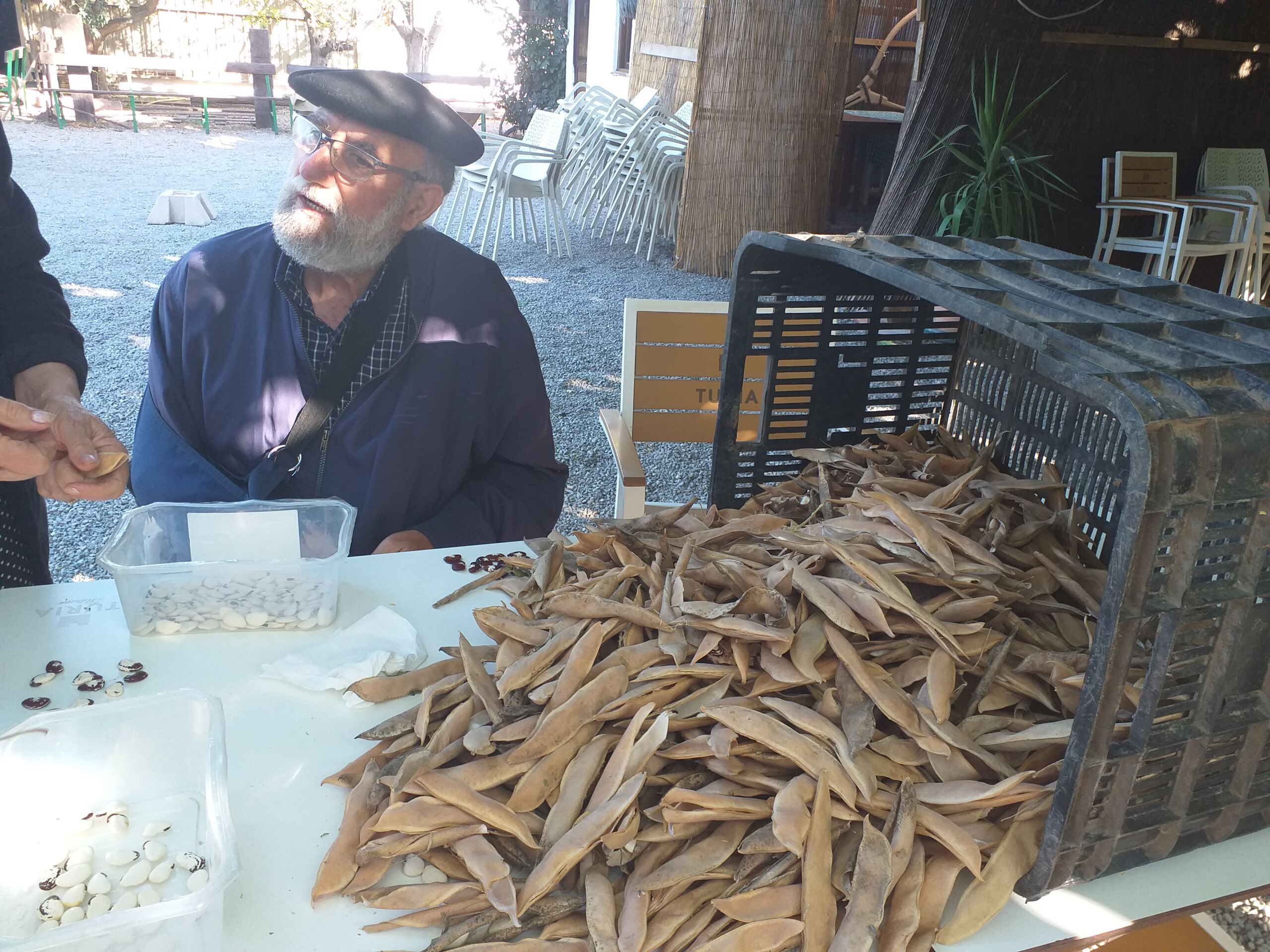
No verified photo of ‘Dixie Butterpea’ itself was found, so the pictures below show the species — the same plant, photographed generally.
Why this variety
Dixie Butterpea is the lima that Southern gardens kept growing while fancier beans came and went. It is a bush-type baby lima — small, nearly round, white seeds, 3-4 beans per pod — on compact plants 16-24 inches tall that need no trellis. The flavor is the point: creamy, buttery, and rich, the reason butterpeas have their own name in Southern cooking even though botanically they are lima beans.
Heat is where Dixie earns its keep. Lima beans in general want a long, hot season, and Dixie is specifically praised as a great variety for southern gardens because it does well in hot weather and keeps bearing until frost. If your summers have ever made a bean drop its blossoms and quit, Dixie is the answer bred for exactly that complaint.
If you have not grown the species before, start with the Lima Bean growing guide for the general picture, then come back here for what makes this variety different.
How to grow
Direct-sow Dixie after the soil has warmed in spring — limas want genuinely warm soil, warmer than snap beans do, so do not rush them. Sow about an inch deep, 4-6 inches apart in rows 24-36 inches apart, in full sun. In Florida, a spring sowing gives you a long summer harvest; a late-summer sowing can also work where the season runs long. Plants stay compact and bushy, so no support is needed, but give them room: crowded limas in humid air invite disease.
Work worm castings into the bed at planting and mulch to hold moisture. Like all legumes, Dixie fixes nitrogen with rhizobium bacteria, so skip nitrogen fertilizer. Keep the bed weed-free early — limas compete poorly with weeds when young, and a weedy start costs you the season.
Water & feeding
About an inch of water a week, steady through flowering and pod-fill. Inconsistent water means dropped flowers and poorly filled pods — the classic lima disappointment. Water at the base rather than overhead where you can; wet foliage in humid weather invites the leaf diseases limas are prone to. Mulch holds moisture and keeps the root zone steadier through hot spells.
Common problems
- Aphids and bean beetles — handpick, blast aphids with water, and encourage ladybugs.
- Leaf diseases in humid weather — space for airflow, water at the base, and do not work wet plants.
- Poor germination in cool soil — the most common lima failure. Wait for warm soil; cold, wet soil rots the seed.
- Pods not filling — usually drought at flowering or heat stress at the wrong moment. Steady water at bloom is the fix.
Harvest
Pick Dixie pods when they are plump and the beans inside are clearly swollen but the pods are still green and flexible, about 75 days from sowing — sometimes sooner in warm conditions. Shell and cook thoroughly before eating; like all lima beans, Dixie is a cooked bean, never a raw-snacking bean. For dry use, let pods dry fully on the plant, then shell and store airtight. Dixie keeps bearing until frost, so keep picking and it keeps paying.
Browse all plant & pest guides
Saving seeds
Dixie Butterpea is a bush-type baby lima, a traditional Southern variety, so it comes true from seed — save seed from your best pods and let it dry fully before storing. The full method is in the Saving seeds section of the Lima Bean guide.