
🔥 Mesa Yellow Blanket Flower
What it looks like
Why this variety
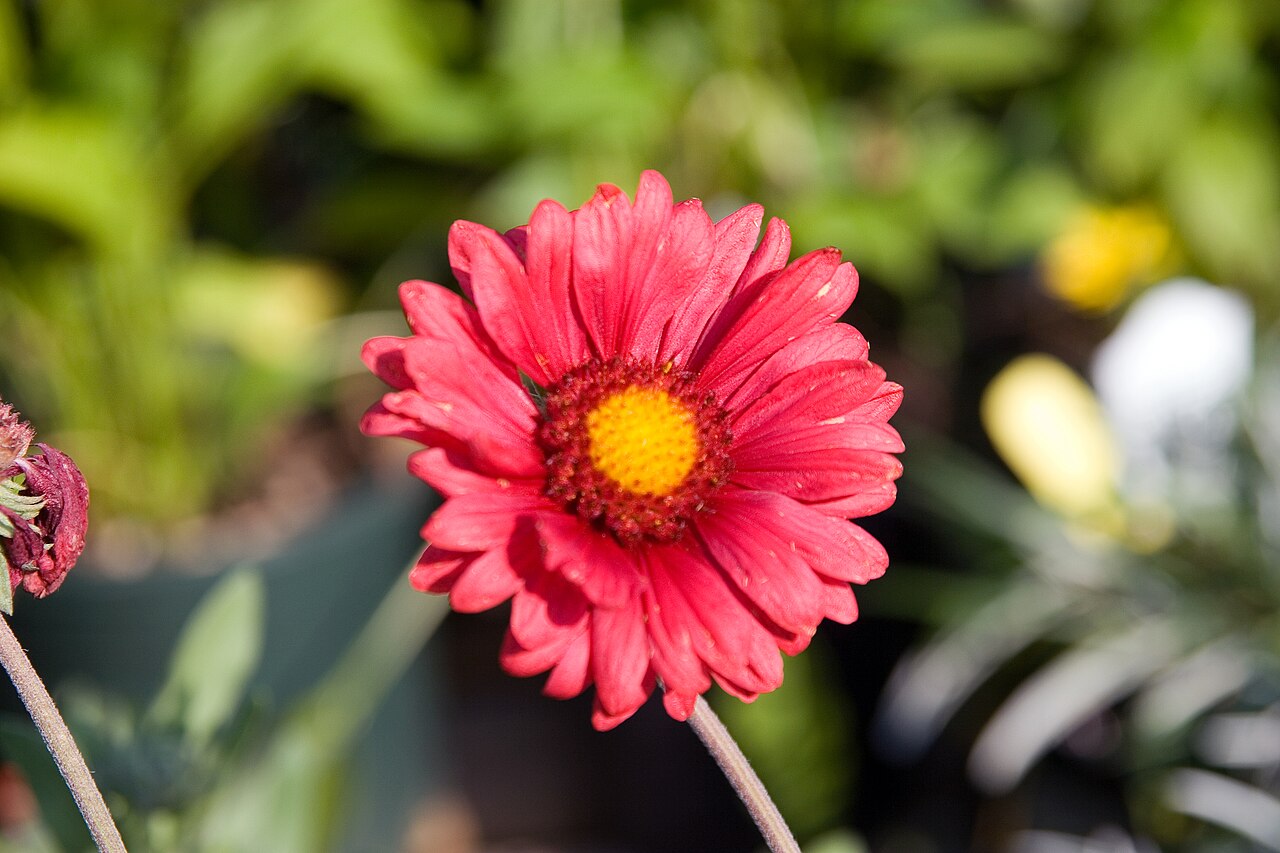
Mesa Yellow is the yellow blanket flower that fixed yellow’s reputation: a 2010 All-America Selections winner, compact and well-branched with a strong, upright habit, 16 to 18 inches tall and 20 to 22 inches wide, producing sunfast, pure sunshine-yellow blossoms 2.5 to 3.5 inches across in abundance, followed by attractive globe-shaped seed heads. Its party trick is earliness — it blooms about 2 to 3 weeks earlier than most gaillardias — which means it is in full color while other blanket flowers are still thinking about it, and it keeps going into fall with occasional deadheading. ‘Sunfast’ is a real claim here, not marketing: the yellow does not bleach to cream in strong sun the way some yellows do.
The trade-off is the gaillardia trade-off, again: short life, and a preference for lean, well-drained soil over rich, wet soil. Mesa Yellow is listed to zone 9 by some sources, which is narrower than Arizona Sun’s zone 10, so in the warmest gardens it behaves more like a short-lived perennial or annual — plant it, enjoy the long yellow season, let some seed heads stand for volunteers, and replant without ceremony. It also wants full sun; in shade it stretches, flops, and flowers sparsely, which is the plant’s way of asking for the sunny spot it was bred for.
If you are new to choosing between cultivars, the Varieties Matter guide explains why the name after the plant matters as much as the plant itself. Mesa Yellow is a perfect example: it is not just a blanket flower in the abstract, it is a blanket flower with a specific job, a specific history, and specific strengths.
In Florida, Mesa Yellow is a strong performer with a zone asterisk: most listings put it to zone 9, so in North and Central Florida it is a reliable short-lived perennial, while in South Florida (zone 10) it is best treated as a cool-season to warm-season annual that may not persist through the wettest summers. Everywhere in Florida, give it full sun, sharp drainage (raised beds where rain ponds), and deadheading for continuous bloom — and do not overwater it out of kindness, because wet feet, not heat, is what ends gaillardias in Florida.
How to grow
Plant in spring in full sun and sharply drained, even lean soil — gaillardia is a sun-and-drainage plant that rots in rich, wet soil faster than it starves in poor soil. Work a little worm castings into the bed at planting, but do not overfeed it, mulch lightly (or not at all in wet climates), and deadhead regularly for continuous bloom. Treat it as a glorious short-timer: plant it, enjoy the avalanche, let a few flowers go to seed for volunteers, and replant without mourning.
Set plants 12-18 inches apart in soil with a pH around 6.0-7.0. Work worm castings into the bed at planting and mulch to hold moisture. A well-fed blanket flower plant rewards that care directly: steadier growth, better bloom, and a show that actually shows up.
Water & feeding
Water to establish, then water sparingly — gaillardia is drought-tolerant once established and rots in wet soil, so the watering mistake to avoid is overwatering, not underwatering. Water at the soil line, do not mulch heavily in wet climates, and feed lightly: castings at planting is usually enough, because rich soil makes lush, short-lived plants. Lean soil, sun, and drainage make long-blooming ones.
Common problems
- Crown rot in wet soil — the gaillardia killer in humid climates; plant in sharp drainage or raised beds and do not overwater or mulch heavily.
- Short life — gaillardias are short-lived perennials, 2 to 3 good years; let some flowers seed for volunteers and replant without mourning.
- Aster yellows — distorted, yellowed growth spread by leafhoppers; pull affected plants and do not compost diseased material.
- Powdery mildew in humid, crowded plantings — space for air, water at the soil line, and remove affected leaves.
- Flopping in rich soil — lean soil makes sturdier gaillardias; do not overfeed, and deadhead for continuous bloom.
Harvest
Cut flowers for bouquets from early summer into fall, when daisies are fully open — gaillardias last well in water and their sunset colors suit summer arrangements. Deadhead regularly for continuous bloom, and leave some seed heads standing for birds and volunteers if you like a naturalized look. At the end of a short-lived plant’s life, let it seed, collect seed if you want the same colors (hybrids vary), and replant fresh without mourning.
Browse all plant & pest guides
Saving seeds
Mesa Yellow is the yellow blanket flower that fixed yellow’s reputation: a 2010 All-America Selections winner, compact and well-branched with a strong, upright habit, 16 to 18 inches tall, producing sunfast, pure sunshine-yellow blossoms 2.5 to 3.5 inches across in abundance — and its party trick is earliness, blooming about 2 to 3 weeks earlier than most gaillardias. It was the very first F1 hybrid blanket flower grown from seed (OSC Seeds), so it does not come true from seed: saved seed would give you variable plants, not another Mesa Yellow. Plant in spring in full sun and sharply drained, even lean soil — gaillardia rots in rich, wet soil faster than it starves in poor soil. The full method is in the Saving seeds section of the Blanket Flower guide.