
🫘 Berken Mung Bean
What it looks like
Why this variety
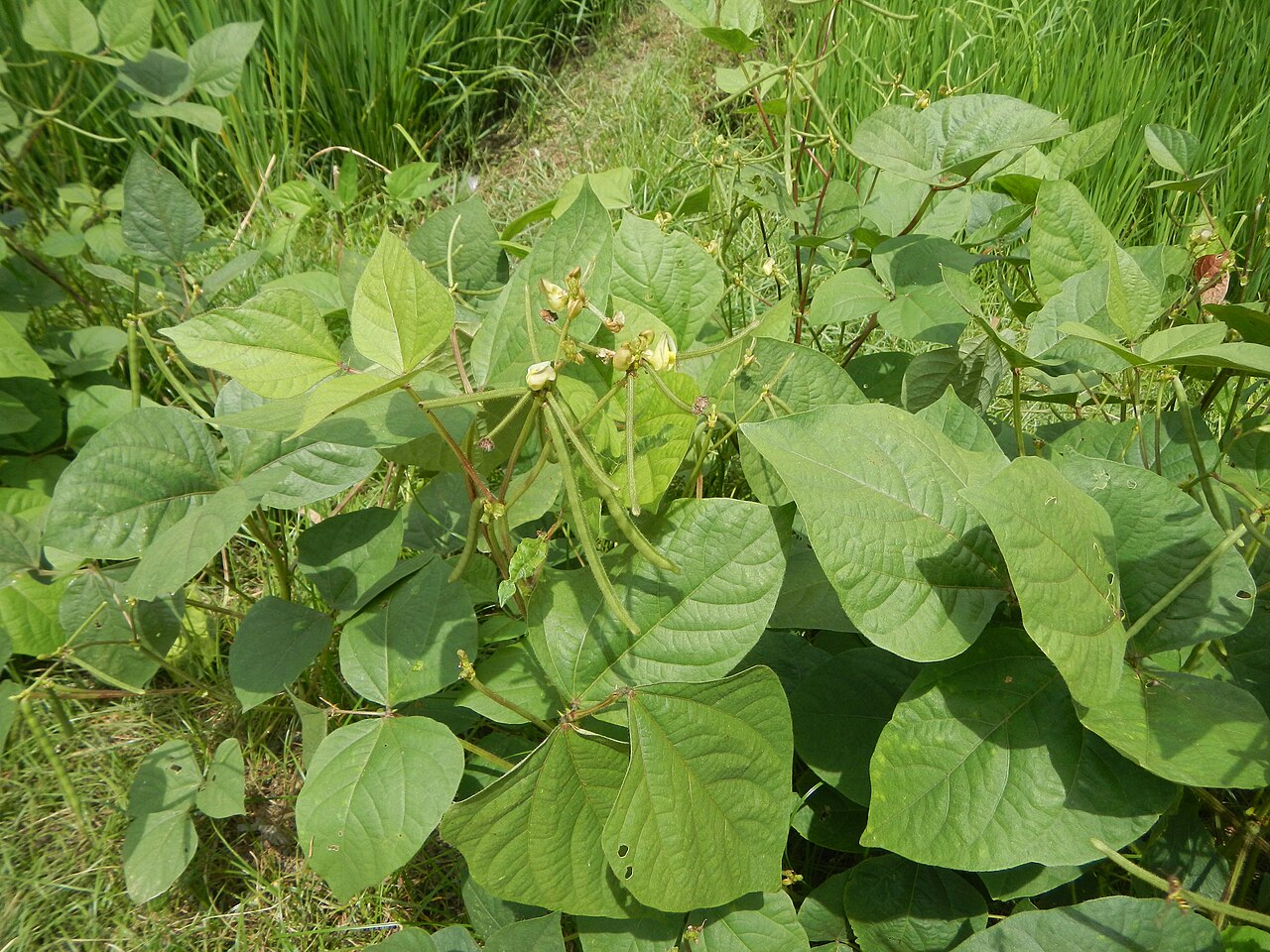
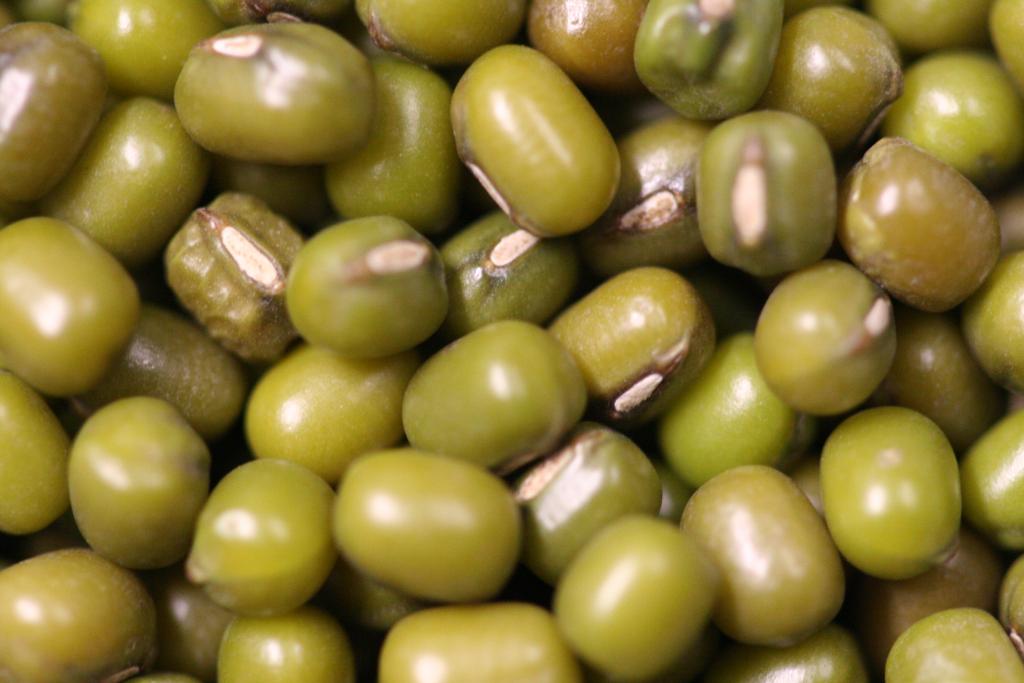
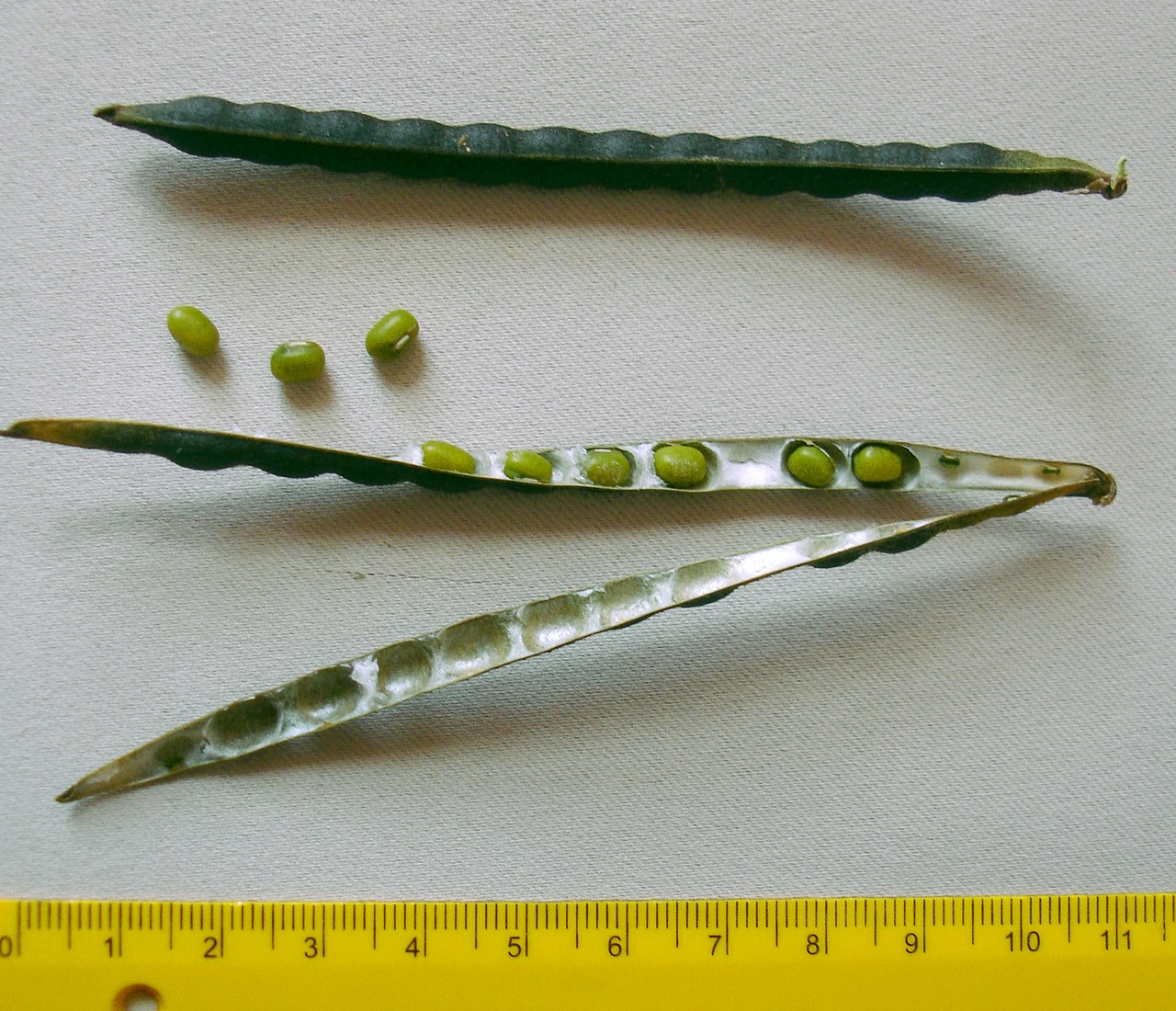
Berken is the mung bean that the trade actually trades: the major certified variety, green-seeded, described in extension guides as what most buyers prefer to purchase, and the variety behind much of the mung bean seed sold in the United States. It is a bushy, warm-season legume with slender pods holding ten to fifteen small green seeds each, flowering in 50 to 60 days after a June planting and maturing for dry harvest in early to mid-September in trial regions — in Florida terms, a fast summer pulse that fits between spring and fall crops. If you want one mung bean to grow for dry beans, sprouts, and green manure, Berken is the documented, obtainable choice.
The triple-use case is why mung beans deserve more garden space than they get: Berken seed sprouts in two to five days into the crisp sprouts of pad thai and spring rolls, grows into plants that give young pods as a vegetable, and matures into dry green gram for dals, soups, and desserts. Its green seeds are the classic mung, nutty and mild, cooking faster than most dry beans, and its plants fix nitrogen while they grow, so a mung patch improves the bed for the next crop. Grow Berken if you want a summer pulse that feeds you three ways and asks for almost nothing in return.
If you are new to choosing between cultivars, the Varieties Matter guide explains why the name after the plant matters as much as the plant itself. And if you want the whole clan at a glance, the broader Mung Bean guide covers mung beans generally.
How to grow
Mung beans in Florida are a fast, heat-loving crop that fits the garden’s hottest months like they were made for them: sow after the last frost, once the soil is warm, and expect sprouts in days and pods in two months, which is a speed no other dry bean in this list can match. They are bushy, compact plants that tolerate sandy soil and heat, and they are a triple crop — sprouts in the kitchen in days, young pods as a vegetable, and dry beans for the pantry — so one sowing can feed you three ways. The main Florida caution is harvest timing: pods mature unevenly and shatter if left too long, so pick often, and dry pods promptly indoors rather than leaving them to Florida’s afternoon thunderstorms. Treat mung as your summer pulse, sown in succession for a long season.
Sow after the last frost, once the soil is at least 65 to 70°F — germination fails below 65°F, so warm soil is the rule — seeds about an inch deep and 3 to 4 inches apart in rows 18 to 24 inches apart, in full sun and well-drained, sandy loam if you have it. Keep the seedbed moist until emergence, then water steadily, about an inch a week, while flowering and filling pods. In Florida, sow in spring for a summer harvest, or in late summer for fall, and pick pods often once they start to dry, because mung pods mature unevenly and shatter if left too long.
Water & feeding
Mung beans want moderate, steady water — about an inch a week while flowering and filling pods — and they tolerate dry spells once established, but drought during pod fill cuts yields sharply. Work worm castings into the bed at sowing, water at soil level, and mulch to hold moisture. Skip nitrogen fertilizer, because mung fixes its own, and extra nitrogen grows leafy plants with fewer pods. Ease off water once pods start to dry for the dry-bean harvest, and harvest in the morning, when pods are less likely to shatter than in the heat of the afternoon.
Common problems
Bean beetles, aphids, and stink bugs may visit; check plants and hand-pick or wash off as needed. Leaf diseases appear in humid, crowded plantings, so space for air and water at soil level. Drought during pod fill cuts yields, but overwatering at dry harvest invites mold, so ease off water as pods dry. The main harvest risk is shattering: pods that are fully dry on a hot afternoon will pop, so harvest in the morning and finish drying indoors under cover, rather than gambling on a dry spell.
Harvest
For sprouts, soak seed overnight, rinse twice daily in a jar, and harvest in two to five days, using only untreated seed sold for sprouting. For dry beans, pick pods as they brown, or pull plants and finish on a tarp indoors, thresh, winnow, and store airtight and cool for a year or more. Cook dry mung beans after soaking, simmering until tender, for dal, soup, or sweet mung desserts. Save seed from healthy plants; Berken is self-pollinating and comes true, and mung seed stays viable for several years if stored cool and dry.
Nerdy fact: Mung bean sprouts are the most widely eaten sprout in the world, and they are also one of the easiest foods to grow indoors — a jar, water, and a few days turn Berken seed into a salad ingredient fresher than anything in a store, which is a good argument for growing a pulse even if you never harvest a dry bean.
Saving seeds
Berken is a certified variety, so it comes true from seed — save seed from your best pods and let them dry fully before storing. The full method is in the Saving seeds section of the Mung Bean guide.