
🫘 Mung Bean
What it looks like
How to grow
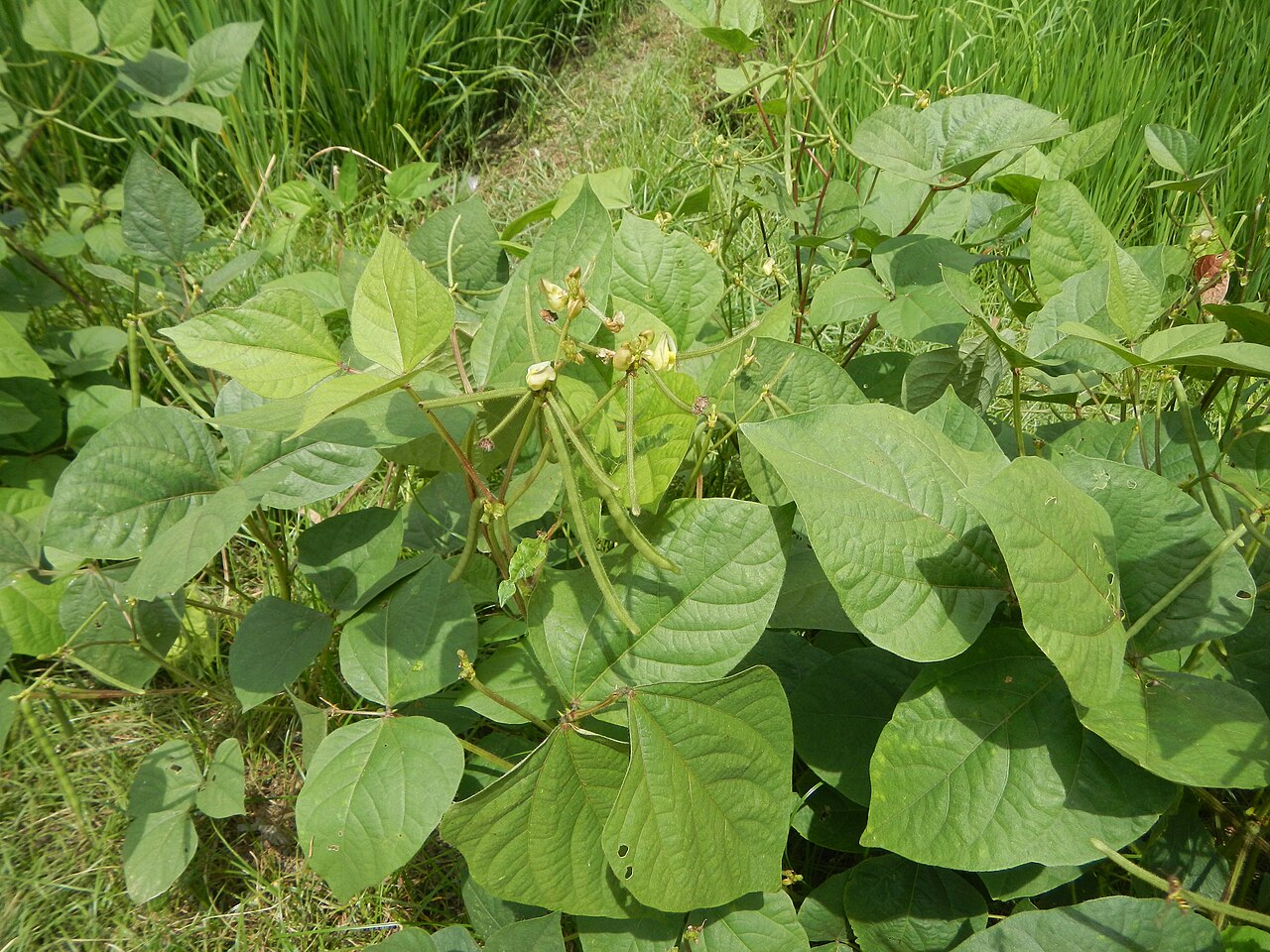
Mung beans, also called moong or green gram, are fast, warm-season legumes grown for dry beans, young pods, and sprouts. Sow after the last frost, when soil is at least 65–70°F — germination fails below 65°F — planting about an inch deep. Soaking seed 4–6 hours speeds sprouting, which takes 3–10 days. Plants are upright and bushy, 1–2 feet tall, and most varieties are short-day sensitive, so flowering follows shortening days. Mung bean is a short-duration crop needing 90–120 frost-free days for full dry-bean maturity in some varieties, though many garden varieties finish in 60–90 days. It tolerates drought once established but sets seed poorly if rain falls during flowering.
Water & feeding
Keep soil evenly moist but never waterlogged, about an inch a week, and mulch to hold moisture. No fertilizer is needed in fertile soil — mung beans fix their own nitrogen. Reduce watering as pods dry.
Common problems
- Cold soil — the most common failure; wait for genuinely warm soil.
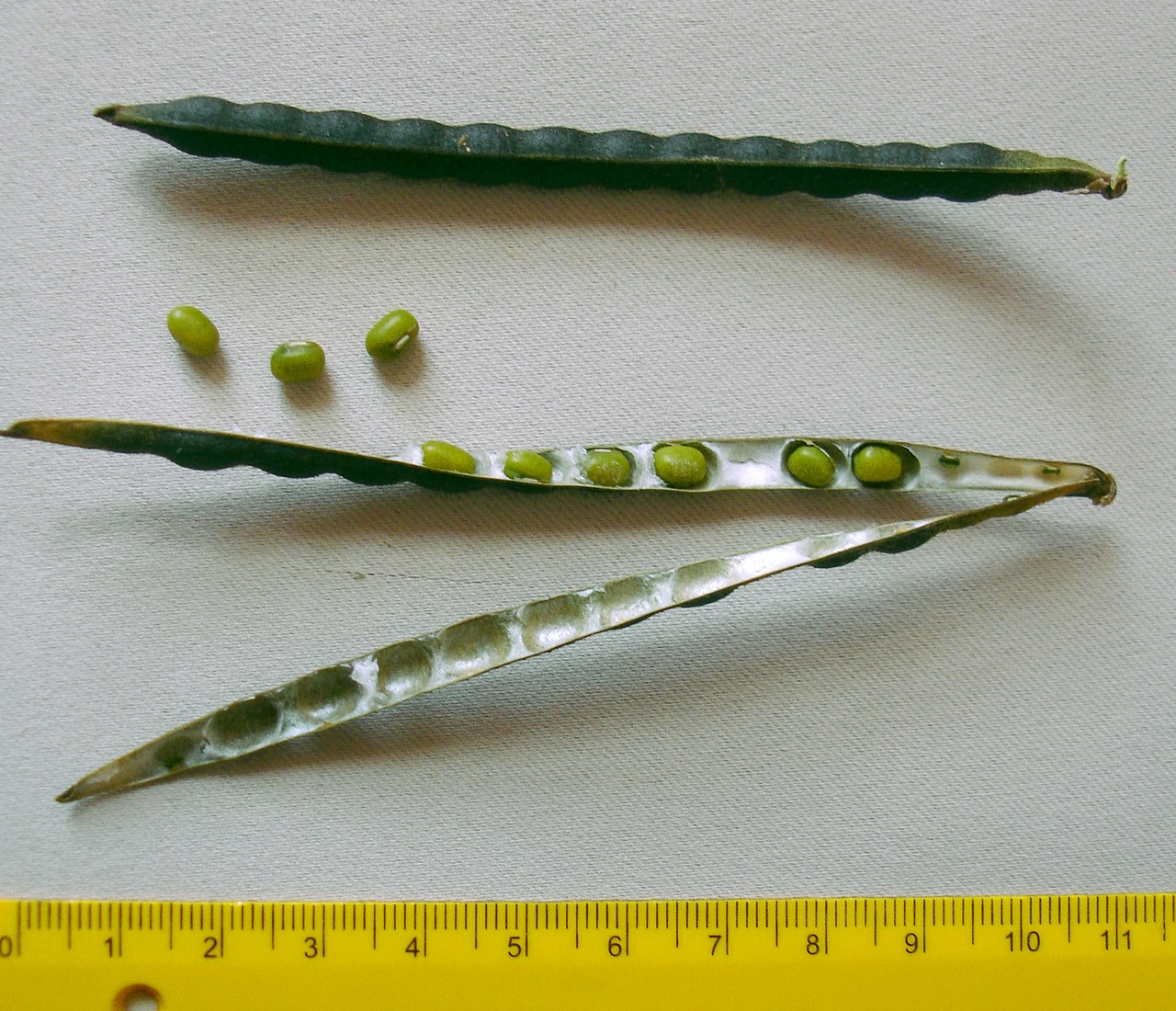
- Pods shattering — pods mature unevenly, so pick 2–5 times as pods darken, rather than waiting for one big harvest.
- Aphids, thrips, and pod borers — row cover early and scout regularly.
- Powdery mildew and leaf spot in humid weather — space for airflow and avoid overhead watering.
Harvest
For sprouts, sprout seed indoors in 3–5 days in the dark with twice-daily rinsing, using food-safe seed and careful hygiene. For young pods, pick green and plump. For dry beans, pick pods as they darken, shell, and dry fully before storing airtight in a cool, dark place. Cook mung beans for dal, soups, and stews — they cook faster than most dry beans and need no overnight soak in many recipes.
Browse all plant & pest guides
Saving seeds
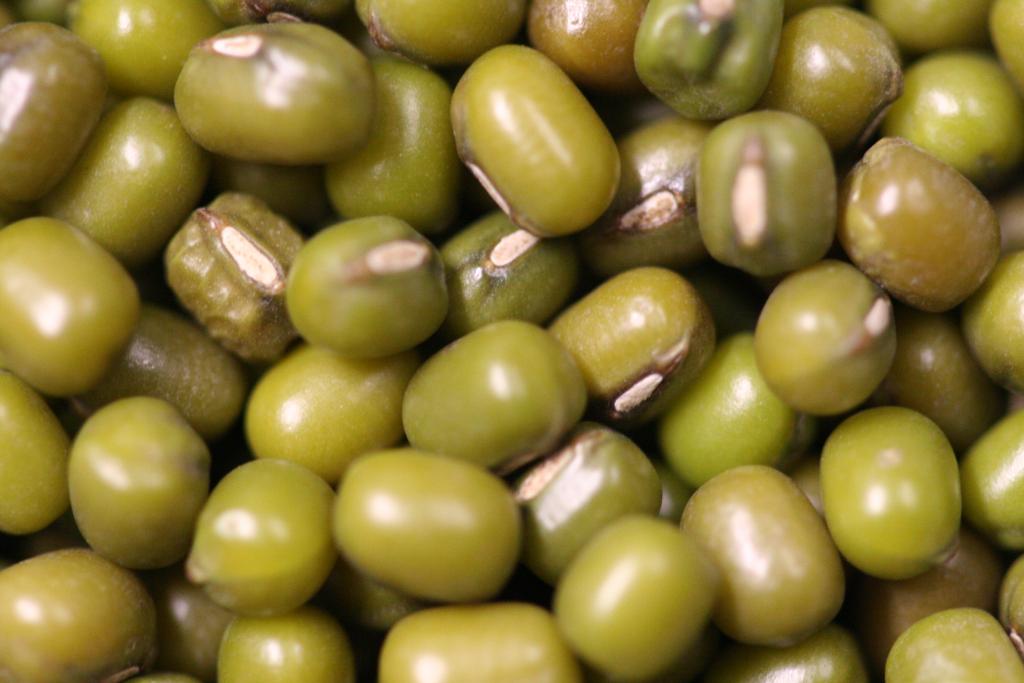
Mung bean is one of the easiest seeds in the garden to save, and one of the most forgiving — a good first seed-saving project if you have never done it before. Let a few plants go all the way: the pods turn from green to tan and brown, dry and papery on the vine, and the beans rattle inside when you shake them. Pick the dry pods on a dry day, shell them into a bowl, and winnow out the chaff with a breeze or a fan. The beans should be hard and dry, and they should not dent when you bite one — a bean that dents is a bean that needs more drying.
Mung beans are mostly self-pollinating, which makes isolation easy. A few feet of separation from other mung bean varieties is plenty for home saving, and if you are only growing one variety, you do not need to worry about crossing at all. Save seed from your healthiest, most productive plants — the ones that bore well and stayed disease-free — and save more than you need, because a handful of plants gives you next year’s seed and then some.
The storage rule is the one that matters most in Florida: the beans must be bone dry before they go into a jar. Spread them on a tray in a dry, airy spot for a week or two after shelling, stirring them now and then, until they are hard as pebbles. Then jar them with a silica gel packet and keep them cool and dark. Florida humidity is the enemy of stored seed, and a jar of beans that goes in even slightly damp will mold — and a moldy jar is a lost jar. Properly dried, mung bean seed keeps for several years.
One practical note: the beans you save are the same beans you eat, so taste-test your harvest before you save it. If the beans cook up well and taste good, the seed is worth keeping. If they were tough or bland, eat the rest and try a different variety next year.
Varieties
Every named variety of Mung Bean with its own growing guide:
- Berken Mung Bean — The major certified mung bean — green-seeded, reliable, and the variety most buyers actually want.
- Texsprout Mung Bean — The sprouting mung bean — selected for vigorous sprouts and a fast, reliable garden crop.
- Oklahoma 12 Mung Bean — The small-seeded sprouting classic: one of America’s original 1963 mungbean releases, bred for reliable sprouts and dry beans.
- Kiloga Mung Bean — The third of the 1963 trio: a historic American mungbean release from the same Oklahoma breeding work as Berken.