
🫘 Texsprout Mung Bean
What it looks like
Why this variety
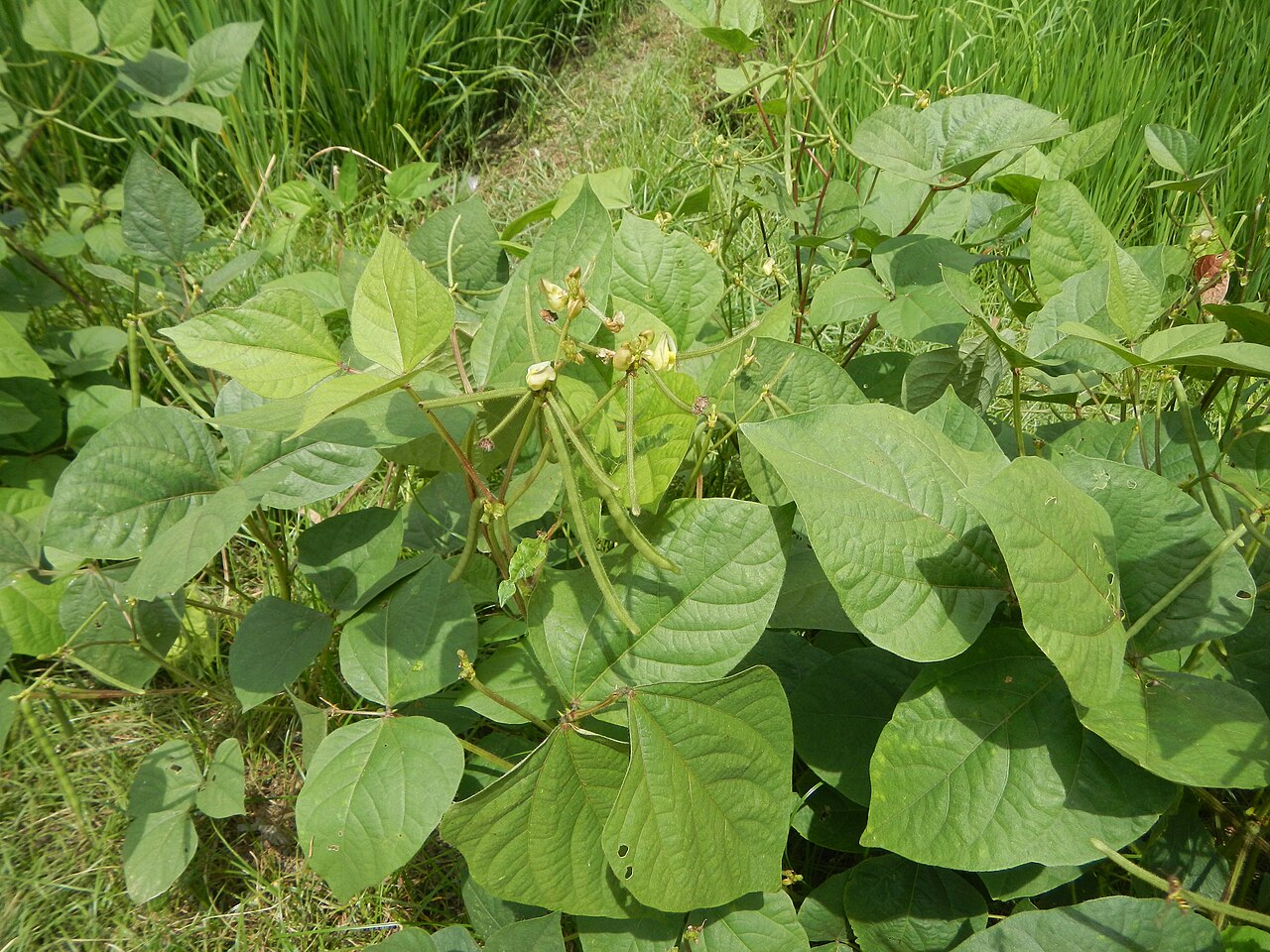
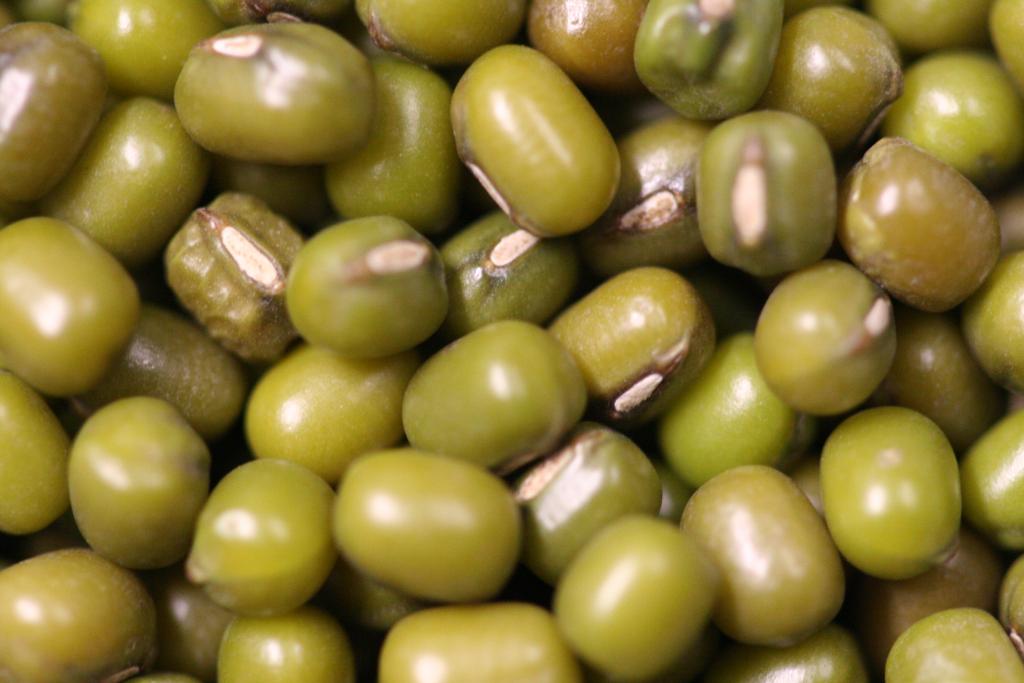
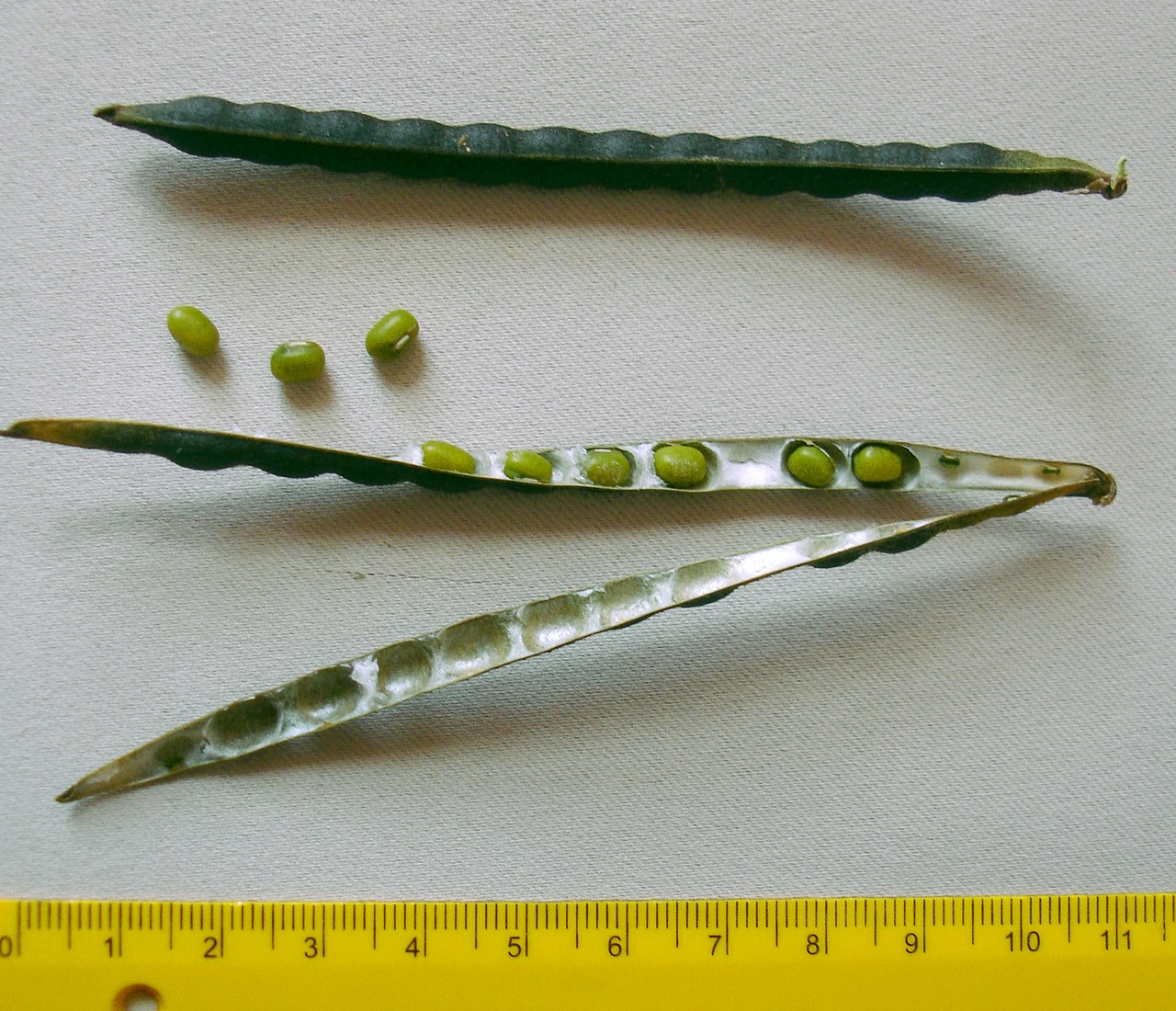
Texsprout is the mung bean that extension guides name alongside Berken as one of the few available varieties, and its name tells you its job: it is a mung bean selected for sprouting, with vigorous, uniform sprouts and a garden plant to match. Like Berken, it is a bushy, warm-season Vigna radiata with slender pods and small green seeds, flowering in about two months and maturing for dry beans in three to four, but Texsprout’s reputation is built in the sprouting jar, where its seeds germinate evenly and produce thick, tender, crisp sprouts. Grow Texsprout if your mung bean plan starts in the kitchen, with a jar, and only later moves to the garden bed.
The sprouting advantage is real and measurable: sprouting varieties are selected for high germination and vigor, which means fewer duds in the jar, thicker sprouts, and a better crunch in stir-fries and salads — the difference between a jar of uneven sprouts and a jar that fills evenly in three days. Texsprout also makes a fine garden dry bean, nutty and mild, cooking fast for dal and soup, and its plants fix nitrogen like any mung, so a Texsprout patch is both a sprout source and a soil builder. If Berken is the field standard, Texsprout is the kitchen specialist, and a gardener who sprouts weekly will notice the difference.
If you are new to choosing between cultivars, the Varieties Matter guide explains why the name after the plant matters as much as the plant itself. And if you want the whole clan at a glance, the broader Mung Bean guide covers mung beans generally.
How to grow
Mung beans in Florida are a fast, heat-loving crop that fits the garden’s hottest months like they were made for them: sow after the last frost, once the soil is warm, and expect sprouts in days and pods in two months, which is a speed no other dry bean in this list can match. They are bushy, compact plants that tolerate sandy soil and heat, and they are a triple crop — sprouts in the kitchen in days, young pods as a vegetable, and dry beans for the pantry — so one sowing can feed you three ways. The main Florida caution is harvest timing: pods mature unevenly and shatter if left too long, so pick often, and dry pods promptly indoors rather than leaving them to Florida’s afternoon thunderstorms. Treat mung as your summer pulse, sown in succession for a long season.
Sow in the garden after the last frost in warm soil, at least 65°F, seeds an inch deep and 3 to 4 inches apart in rows 18 to 24 inches apart, in full sun and well-drained soil, watering steadily while flowering and filling pods. For sprouting indoors, soak seed overnight, drain, rinse twice daily, keep the jar in a warm, dark place with air circulation, and harvest in two to five days, giving sprouts a little light at the end to green up if you like. Use only untreated seed for sprouting, and keep sprouting jars clean, because warm, damp sprouts are also a place bacteria can grow if hygiene slips.
Water & feeding
Mung beans want moderate, steady water — about an inch a week while flowering and filling pods — and they tolerate dry spells once established, but drought during pod fill cuts yields sharply. Work worm castings into the bed at sowing, water at soil level, and mulch to hold moisture. Skip nitrogen fertilizer, because mung fixes its own, and extra nitrogen grows leafy plants with fewer pods. Ease off water once pods start to dry for the dry-bean harvest, and harvest in the morning, when pods are less likely to shatter than in the heat of the afternoon.
Common problems
In the garden, bean beetles, aphids, and stink bugs are the usual visitors; hand-pick and wash off as needed, and space for air to limit leaf disease in humid weather. Drought during pod fill cuts yields, so water steadily while pods fill, then ease off as pods dry for the dry harvest. In the sprouting jar, the main risk is not a pest but a process: rinse thoroughly, drain completely, and do not let sprouts sit in standing water, which invites spoilage. Harvest sprouts promptly at the size you like, refrigerate, and eat within a week.
Harvest
Harvest sprouts in two to five days for fresh eating, dry beans in 90 to 120 days by picking brown pods or pulling plants and threshing indoors, and young pods earlier as a vegetable if you like. Cook dry Texsprout beans after soaking for dal, soup, or desserts, and use sprouts fresh in salads, spring rolls, and stir-fries, where their crunch holds up to quick heat. Save garden seed from healthy plants; Texsprout is self-pollinating and comes true, and stored cool and dry, mung seed stays viable for years.
Nerdy fact: The name Texsprout is a clue to its origin story: mung beans grown in Texas for sprouting, selected for the jar as much as the field — a reminder that a variety’s name often tells you exactly what it was bred to do, if you listen to it.
Saving seeds
Texsprout is the mung bean that extension guides name alongside Berken as one of the few available varieties, and its name tells you its job: it is a mung bean selected for sprouting, with vigorous, uniform sprouts and a garden plant to match. Like Berken, it is a bushy, warm-season Vigna radiata with slender pods and small green seeds, flowering in about two months and maturing for dry beans in three to four, but Texsprout’s reputation is built in the sprouting jar, where its seeds germinate evenly and produce thick, tender, crisp sprouts. Grow Texsprout if your mung bean plan starts in the kitchen, with a jar, and only later moves to the garden bed. The sprouting advantage is real and measurable: sprouting varieties are selected for high germination and vigor, which means fewer duds in the jar, thicker sprouts, and a better crunch in stir-fries and salads. As a public, extension-named mung bean variety it comes true from seed: mung beans are highly self-pollinating, and no F1 hybrid mung bean seed exists in the trade. Mung beans in Florida are a fast, heat-loving crop that fits the garden’s hottest months like they were made for them: sow after the last frost, once the soil is warm, and expect sprouts in days and pods in two months, which is a speed no other dry bean in this list can match. They are bushy, compact plants that tolerate sandy soil and heat, and they are a triple crop — sprouts in the kitchen in days, young pods as a vegetable, and dry beans for the pantry — so one sowing can feed you three ways. The main Florida caution is harvest timing: pods mature unevenly and shatter if left too long, so pick often, and dry pods promptly indoors rather than leaving them to Florida’s afternoon thunderstorms. The full method is in the Saving seeds section of the Mung Bean guide.