
🫘 Kiloga Mung Bean
What it looks like
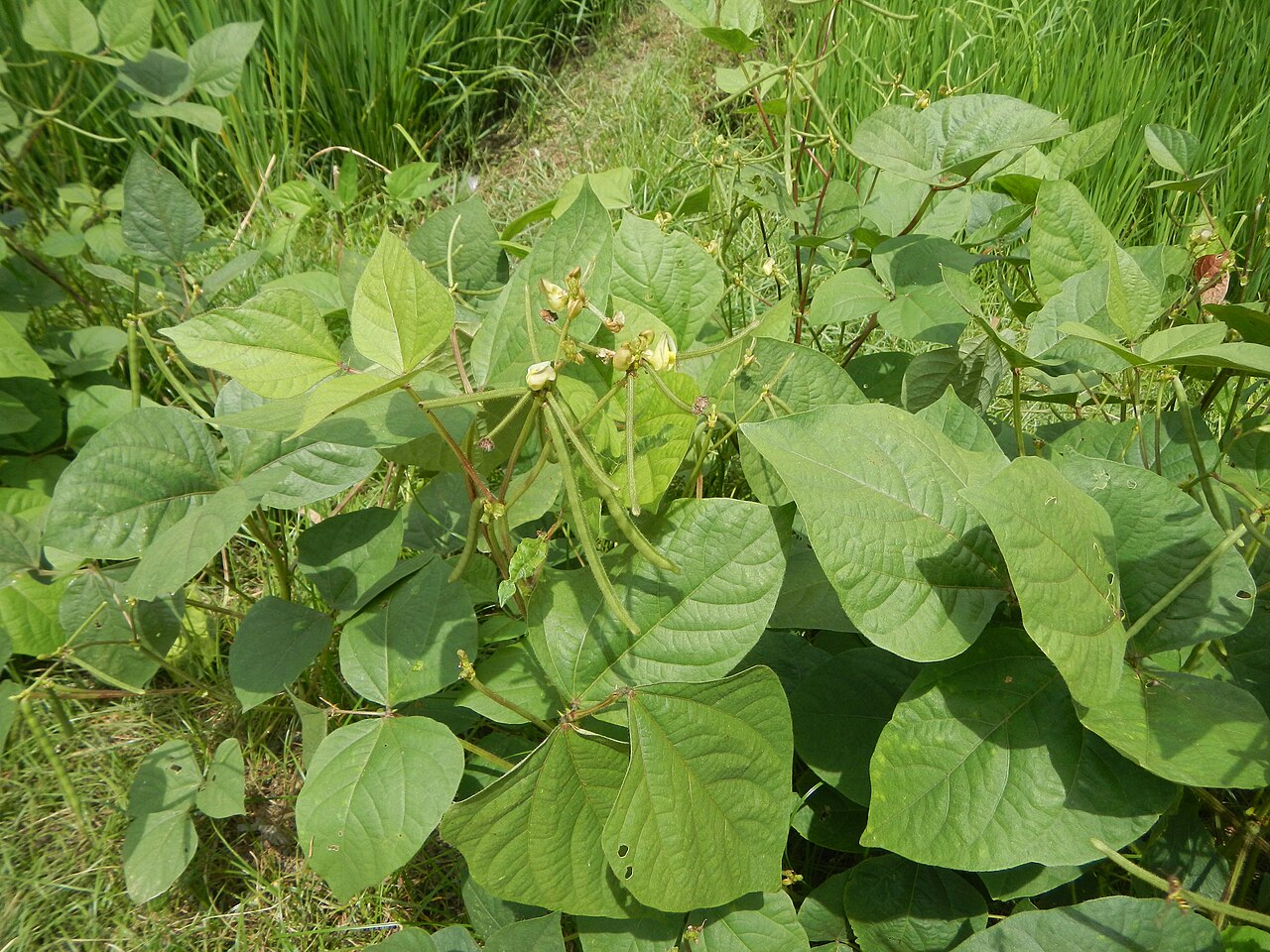
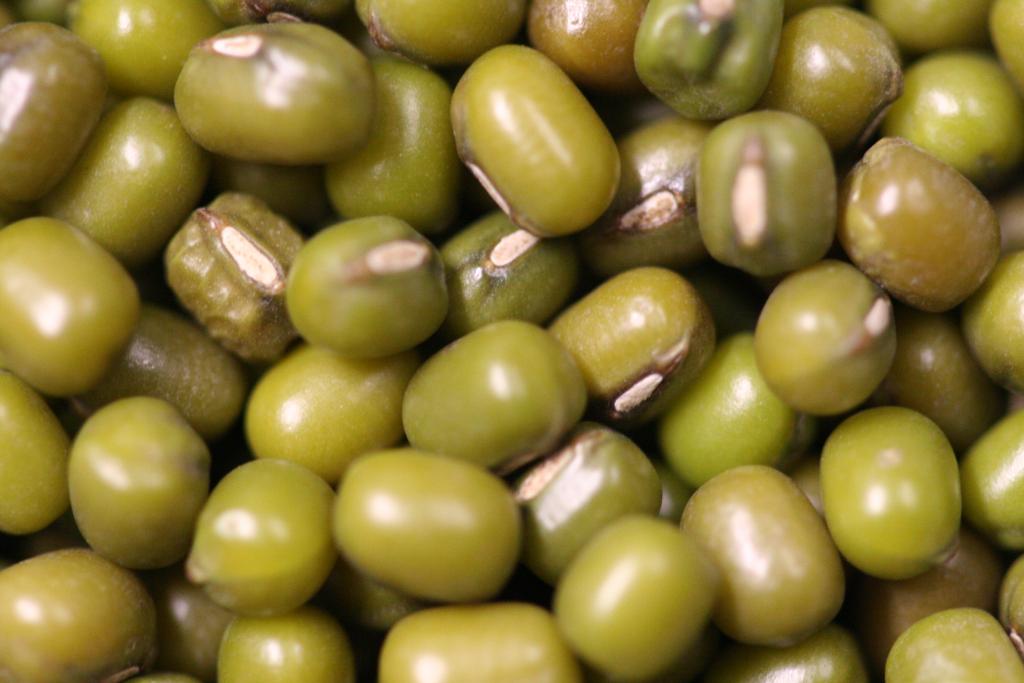
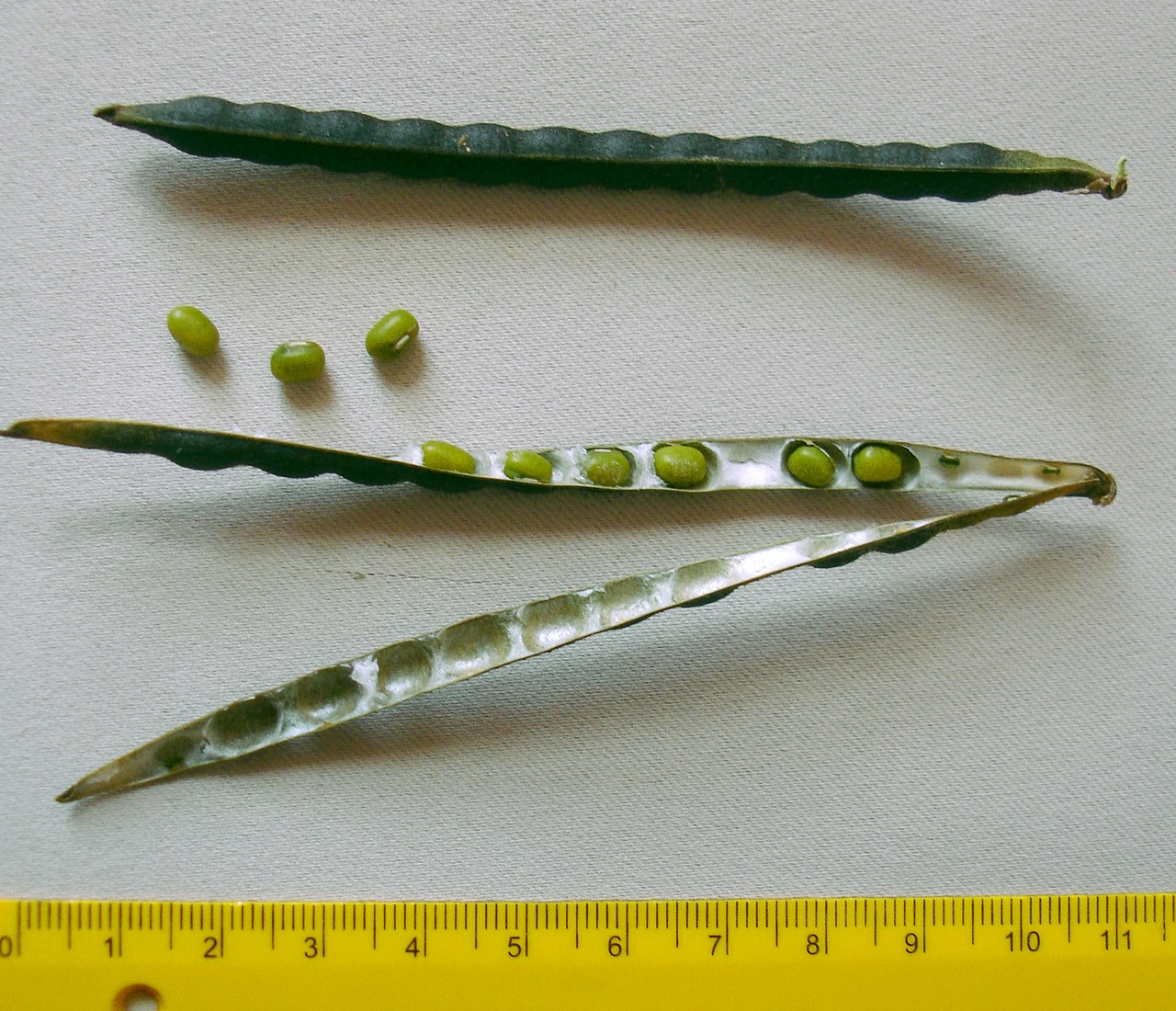
No verified photo of ‘Kiloga’ itself was found, so the pictures below show the species — the same plant, photographed generally.
Why this variety
Kiloga is the forgotten third of American mungbean history. When the Oklahoma Agricultural Experiment Station released its three mungbean cultivars in 1963 — Berken, Oklahoma 12, and Kiloga, all developed by selection from introduced germplasm — Berken went on to become the major certified variety and Oklahoma 12 became the sprouting favorite. Kiloga stayed in the record books and the genebanks, which is exactly why it deserves a guide: it is a real, released cultivar, not a seed-packet rumor.
A note on honesty: Kiloga-specific days-to-maturity figures are not published in the sources we found, so this guide uses the species standard of 60-90 days rather than inventing a number. Grown like any mungbean — warm soil, short season, dry finish — Kiloga behaves as the 1963 breeding work intended: an early, drought-tolerant, nitrogen-fixing bean for hot country.
If you have not grown the species before, start with the Mung Bean growing guide for the general picture, then come back here for what makes this variety different.
How to grow
Direct-sow Kiloga after soil is genuinely warm — at least 65-70°F — about an inch deep, 4 inches apart in rows 18-24 inches apart, in full sun. Soaking seed 4-6 hours speeds sprouting, which takes 3-10 days. Plants are upright and bushy, 1-2 feet tall, and most mungbeans are short-day sensitive, so flowering follows shortening days; in Florida, that means a summer sowing flowers as days begin to shorten.
Work a little compost or castings in at planting; no fertilizer is needed in fertile soil, since mungbeans fix their own nitrogen. Kiloga tolerates drought once established but sets seed poorly if rain falls during flowering — a Florida reality to plan around, not a reason to skip the crop.
Water & feeding
Keep soil evenly moist but never waterlogged, about an inch a week, and mulch to hold moisture. Reduce watering as pods dry. Base watering beats overhead watering in humid weather, where leaf spot and mildew wait for any excuse.
Common problems
- Cold soil — the most common failure; wait for genuinely warm soil.
- Pods shattering — pods mature unevenly, so pick 2-5 times as pods darken rather than waiting for one big harvest.
- Aphids, thrips, and pod borers — row cover early and scout regularly.
- Powdery mildew and leaf spot in humid weather — space for airflow and avoid overhead watering.
Harvest
For sprouts, sprout seed indoors in 3-5 days in the dark with twice-daily rinsing, using food-safe seed and careful hygiene. For dry beans, pick pods as they darken, shell, and dry fully before storing airtight in a cool, dark place. Cook Kiloga like any mungbean — dal, soups, and stews, faster than most dry beans and usually with no overnight soak.
Browse all plant & pest guides
Saving seeds
Kiloga is the forgotten third of American mungbean history, one of three mungbean cultivars released by the Oklahoma Agricultural Experiment Station in 1963, developed by selection from introduced germplasm, so saved seed comes true — direct-sow after soil is genuinely warm, at least 65 to 70°F, about an inch deep, and let pods dry for seed. The full method is in the Saving seeds section of the Mung Bean guide.