
🌿 Purpurascens Sage
What it looks like
Why this variety
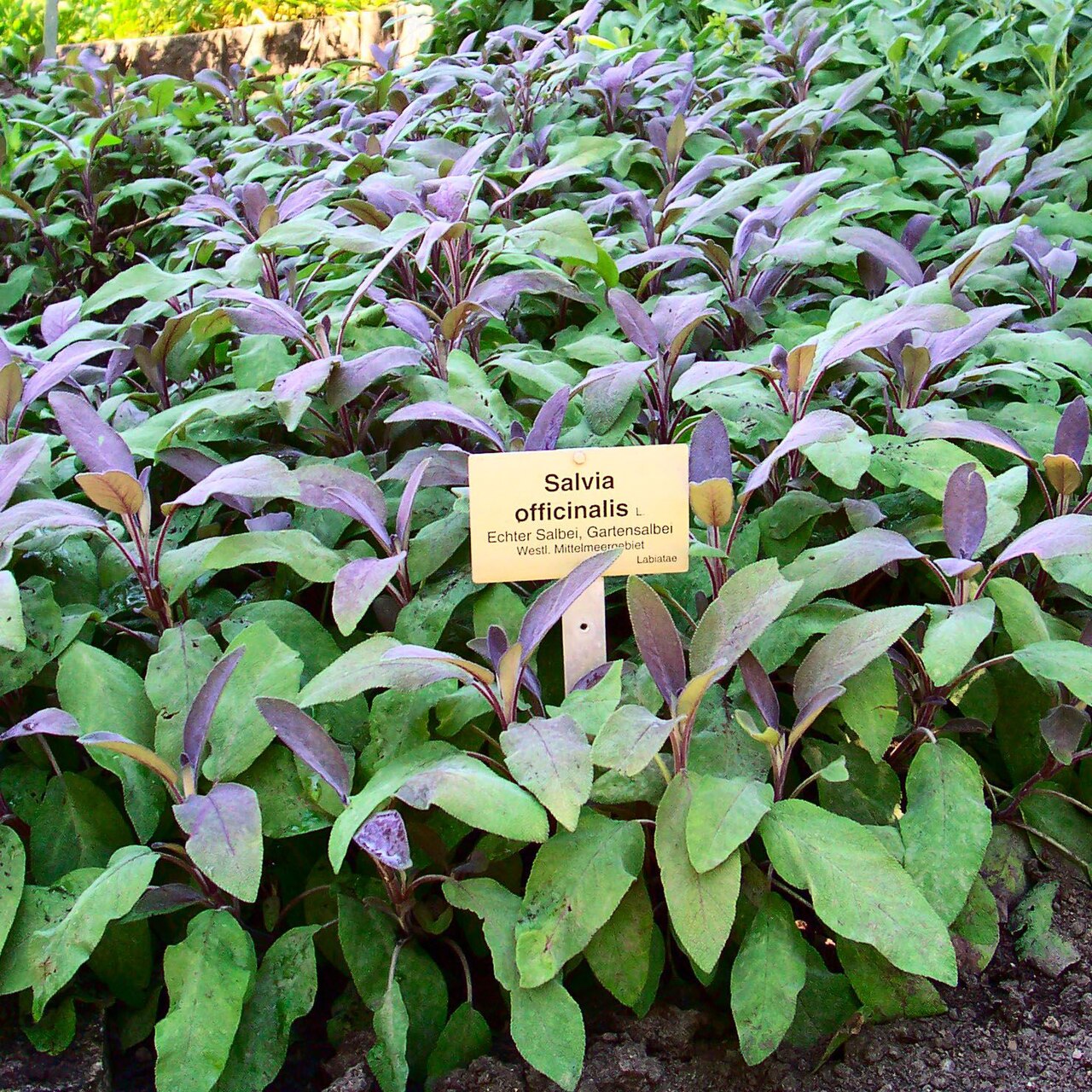
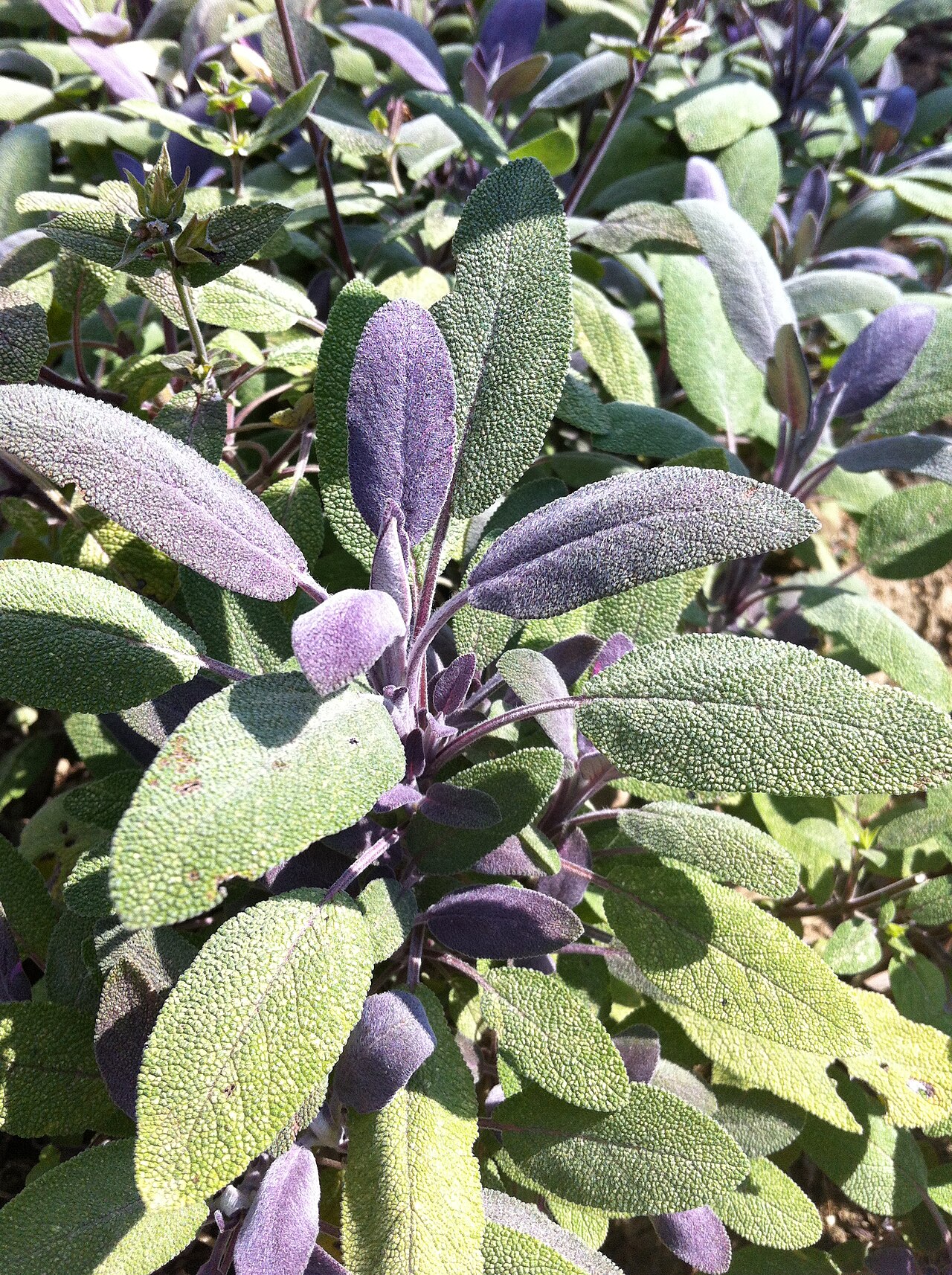
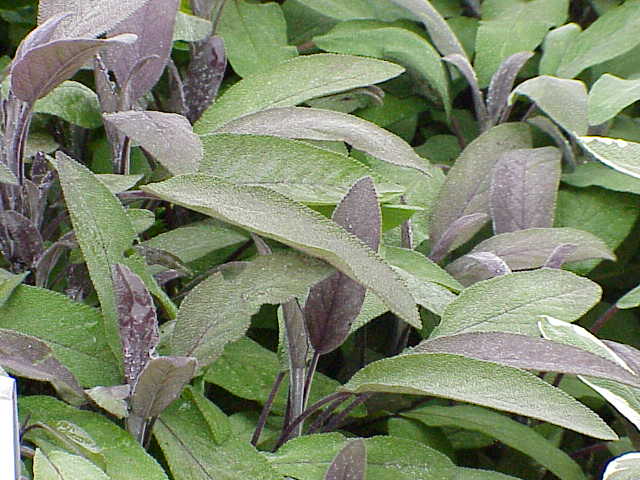
Purpurascens is sage in purple. Its young leaves and stems flush deep purple, maturing to gray-green as they age, so the plant carries two colors at once — purple tips over gray-green older growth — with purple-blue flowers in early summer. It is the sage for a border that needs color as well as flavor, and it cooks like the species, with a strong, pleasant savory taste that old herbals singled out as preferred for kitchen use.
The purple comes with a trade, kept honest: variegated and colored sages are a touch less hardy than plain green sage, and Purpurascens benefits from a sheltered spot and winter mulch at the cold edge of its range. In Florida, that trade reverses — cold is rarely the problem, drainage is, and Purpurascens wants the same raised bed, gritty mix, and sun as every sage. Grow it for the color, cook with it like sage, and prune it like sage, and it does all three jobs.
How to grow
Buy plants from cuttings to hold the purple color; seed-grown sage varies. Plant in spring in full sun and sharply drained, lean soil, in a raised bed or pot with gritty mix in Florida gardens, spacing 18–24 inches apart for airflow.
Pinch tips for bushiness and prune in spring into green growth only — never into bare wood. Cut back lightly after flowering to keep the purple new growth coming, since it is the young purple leaves that give the plant its color; an unpruned Purpurascens greens out and woodies up faster than the species.
Water & feeding
Water sparingly once established, letting soil dry between waterings; purple sage concentrates its oils and color in sun and lean, dry conditions, and overwatering washes out both. Water at planting and in drought only.
Feed lightly in spring, if at all. Lean soil keeps the purple vivid and the flavor strong; rich soil grows green, bland leaves, which defeats the point of planting a purple sage.
Common problems
- Root rot in wet soil — raised beds, gritty mix, and drainage are the Florida essentials for every sage.
- Color loss in shade or rich soil — full sun and lean conditions keep the purple; shade greens it out, and so does heavy feeding.
- Slightly lower cold hardiness than green sage — mulch in winter at the cold edge and site against a warm wall; in pots, move under cover for hard freezes.
- Woody centers with age — prune annually and replace plants after 4–5 years, as with all culinary sages.
Harvest
Pick young purple leaves for cooking and garnish — they are at their most colorful and flavorful when young — and pick older gray-green leaves for everyday cooking, where the flavor is the same classic sage. Use fresh for stuffing, sausage, and brown-butter sauces, or dry on a screen out of direct sun.
Prune in spring and after flowering, drying the prunings; purple leaves dry to a muted gray-purple that still looks striking in a jar. Store dried leaves whole in sealed jars and crumble as you cook.
Browse all plant & pest guides
Saving seeds
Purpurascens is sage in purple. Its young leaves and stems flush deep purple, maturing to gray-green as they age, so the plant carries two colors at once — purple tips over gray-green older growth — with purple-blue flowers in early summer. It is the sage for a border that needs color as well as flavor, and it cooks like the species, with a strong, pleasant savory taste that old herbals singled out as preferred for kitchen use. As a named sage form it is kept true by cuttings, not by seed — buy plants from cuttings to hold the purple color; seed-grown sage varies. Plant in spring in full sun and sharply drained, lean soil, in a raised bed or pot with gritty mix in Florida gardens, spacing 18–24 inches apart for airflow. The full method is in the Saving seeds section of the Sage guide.