
🌿 Sage
What it looks like
How to grow
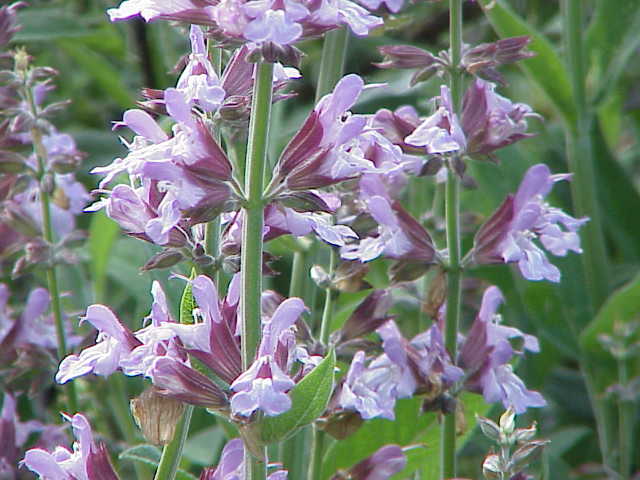
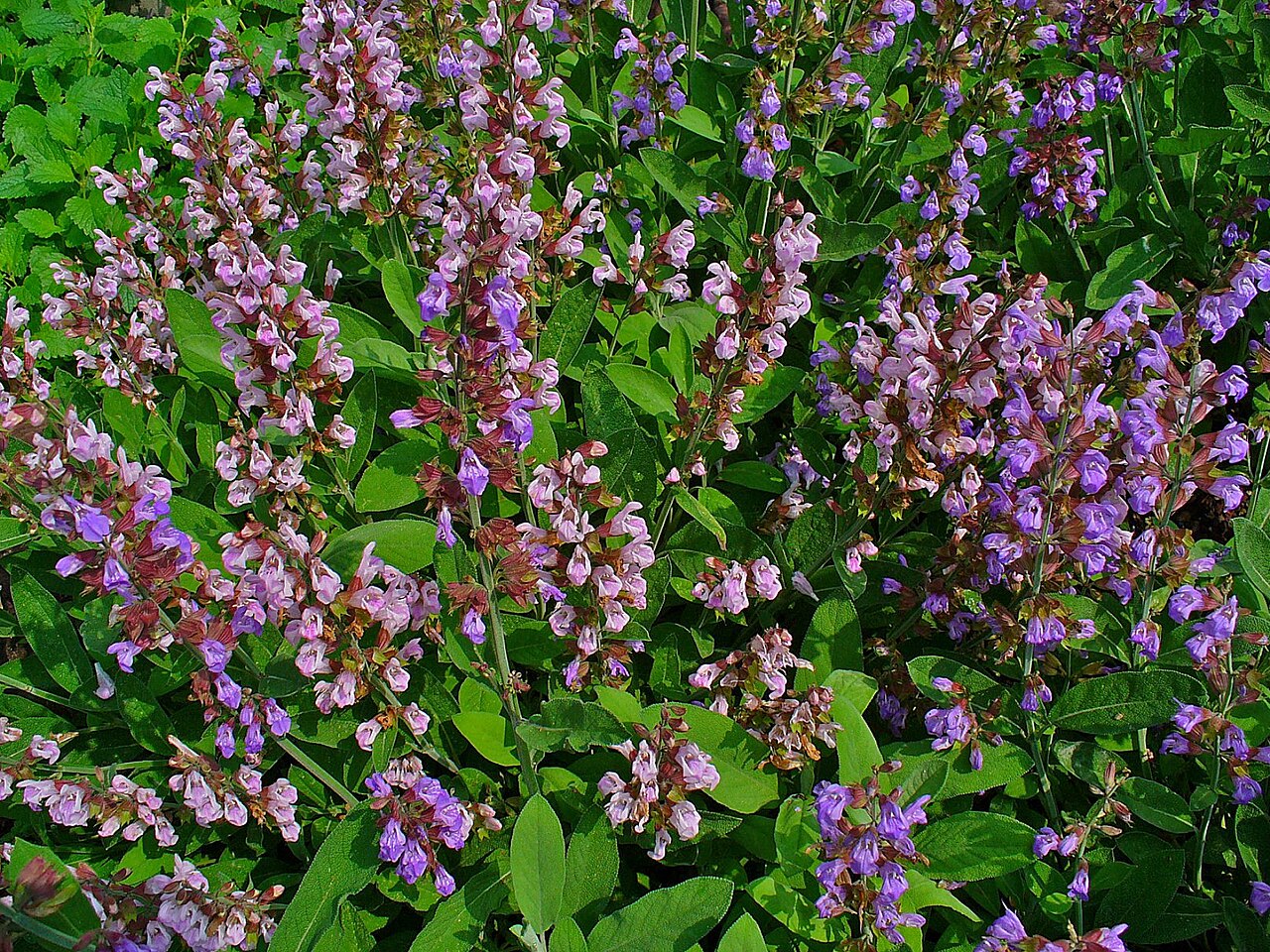
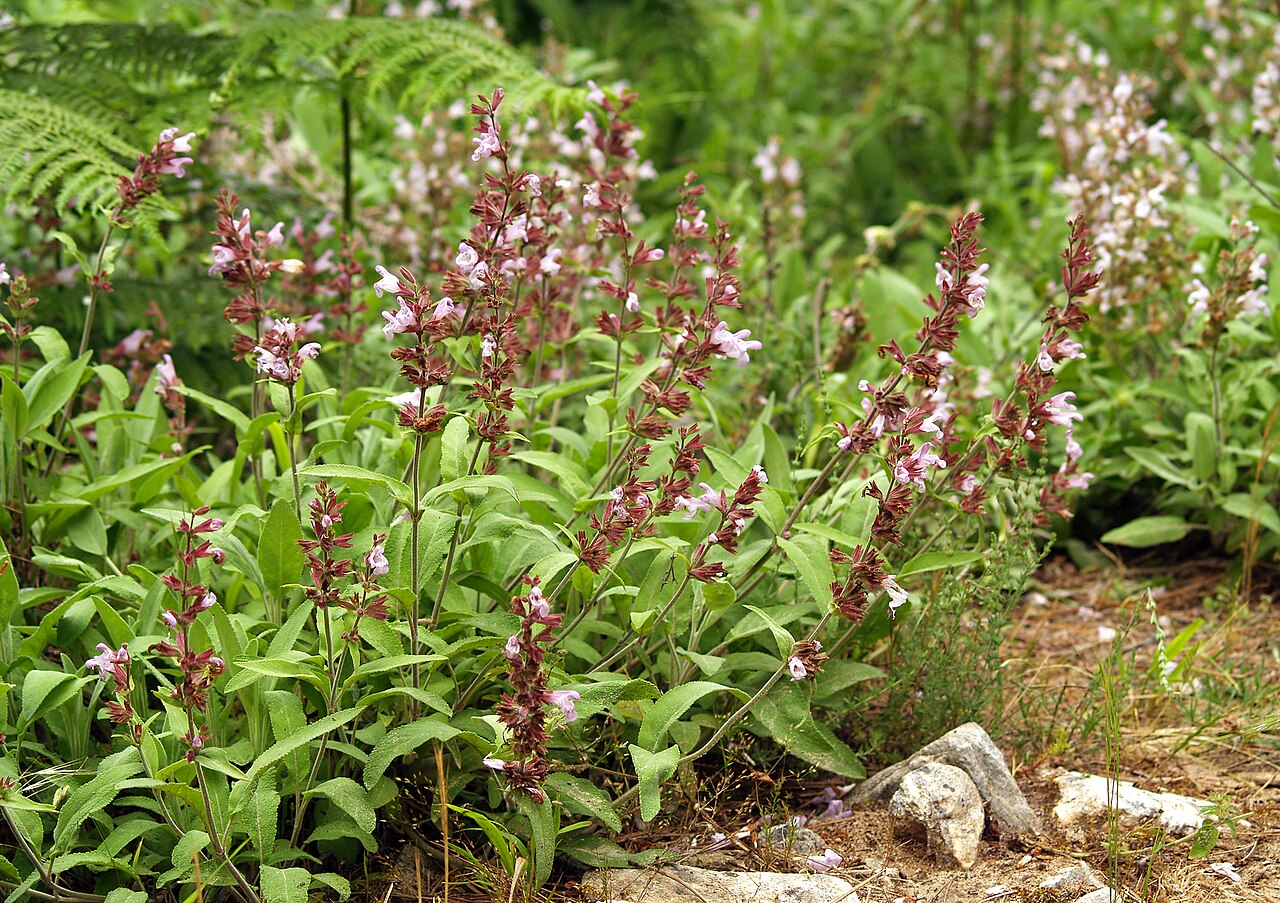
Culinary sage is not the ornamental salvias sold for flower beds — it is Salvia officinalis, a woody Mediterranean subshrub with soft, gray-green, pebbly leaves and a savory, slightly peppery flavor that defines stuffing, sausage, and brown-butter sauces. Do not confuse it with the showy annual salvias; they are pretty and mostly flavorless. Sage wants exactly what rosemary wants: full sun, excellent drainage, and lean soil. Wet feet kill it faster than cold does, so in heavy clay or humid climates, grow it in a raised bed or a pot with gritty mix. Start from transplants or cuttings — seed is slow and variable. Prune lightly after flowering to keep plants bushy, but never cut into bare woody stems with no leaves, because sage, like rosemary, does not reliably resprout from old wood. Replace plants every 4-5 years when they get woody and sparse; take cuttings first so the next generation is already rooted. In Florida and the humid South, treat sage as a short-lived perennial and give it maximum airflow and afternoon shade in summer.
Water & feeding
Water deeply but infrequently once established; let the soil dry between drinks. Sage is drought-tolerant and hates soggy soil. A light spring top-dress of worm castings is all the feeding it needs — overfed sage grows soft and loses the concentrated oils that carry its flavor.
Common problems
- Root rot in wet or heavy soil — improve drainage, raise the bed, or grow in a container.
- Woody, sparse centers — prune after flowering, never into bare wood, and renew plants every few years from cuttings.
- Powdery mildew in humid weather — space for airflow, water at soil level, and remove affected leaves.
- Winter kill in cold, wet zones — mulch lightly after the ground freezes and plant in the best-drained spot you have.
Harvest
Pick individual leaves or snip sprigs as needed once plants are established. Morning harvest has the strongest oils. Sage dries beautifully and keeps its flavor well; dry whole leaves flat or on stems in a dark, airy spot, and store them whole until use. Fried fresh sage leaves in butter are a two-minute garnish that makes plain pasta taste deliberate.
Browse all plant & pest guides
Saving seeds
Sage seed is easy to save — the plant makes it in abundance, and it practically falls into your hand. Let a few flower spikes stay on the plant instead of harvesting them: after the purple-blue flowers fade, tiny seed capsules form, and when they turn brown and dry, snip the spikes into a paper bag and let them finish drying indoors. Rub the spikes gently to free the small dark seeds, winnow away the chaff, and store the seed in a paper envelope in a cool, dry place. Sage seed keeps for a few years when it is dry.
Sow in spring, when the weather is warm. Sage seed germinates best around 65 to 75°F, so sow on the surface of a well-draining mix and press the seed in lightly — do not bury it, since sage seed needs light to germinate. Keep it moist and warm, and expect sprouts in one to three weeks. Seedlings grow slowly at first and need steady moisture without ever sitting wet, and they want sharp drainage from the start — a sage seedling in soggy soil is a dead seedling. Once established, sage is a tough, drought-tolerant shrub that largely takes care of itself.
The honesty part is the same one that applies to most named herbs: seedlings do not come true. Named varieties — the purple sage, the golden sage, the variegated forms — are propagated by cuttings for a reason, and a seedling may grow green when you wanted purple, or taste milder than the parent. Cuttings are the practical route: take a softwood cutting in warm weather, strip the lower leaves, stick it in moist mix, and you get a true copy of the plant you loved. Seed is for the experiment and for the gardener with a spare corner and no hurry.
Save seed from a healthy plant with the growth habit and flavor you love, and sow more than you need — germination is uneven, and a generous sowing is the practical approach. In Florida, sage grows well with sun and sharp drainage, so start seedlings in pots with a gritty mix and plant them out once they are sturdy. And dry your seed thoroughly before storing it, because our humidity is the enemy of stored seed.
Varieties
Every named variety of Sage with its own growing guide:
- Berggarten Sage — The big-leaf sage: broad, velvety, intensely aromatic leaves on a compact plant — the sage for stuffing, saltimbocca, and anyone who hates fiddly small leaves.
- Purpurascens Sage — Purple sage: young leaves flushed deep purple, maturing to gray-green — the ornamental sage that still seasons stuffing like the species.
- Tricolor Sage — Tricolor sage: green, cream, and purple-pink on every leaf — the most beautiful sage, and the most tender, so grow it like the treasure it is.
- Icterina Sage — The gold-variegated sage: green leaves edged and splashed with gold — the ornamental sage that still seasons stuffing like the species.
- Holt’s Mammoth Sage — The big-leaf sage for bulk: leaves 4 to 5 inches long on a vigorous 3-foot plant — the sage commercial growers cut by the armful.
- Albiflora Sage — The white-flowered sage: pure white blooms on a narrow-leafed plant said to be the best culinary sage — the connoisseur’s quiet pick.
- Aurea Sage — The golden sage: solid golden-yellow foliage on a compact, roughly one-foot plant — the sage that lights up the herb bed like a small sun.
- Minimus Sage — The tiny sage: a tightly compact culinary sage just 15–18 inches tall, with narrow gray-green leaves and lavender-blue flowers — the sage for pots, edges, and small gardens.