
🌿 Albiflora Sage
What it looks like
Why this variety
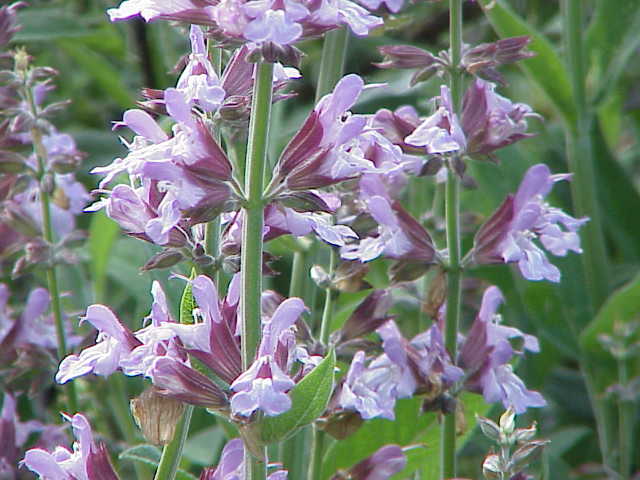
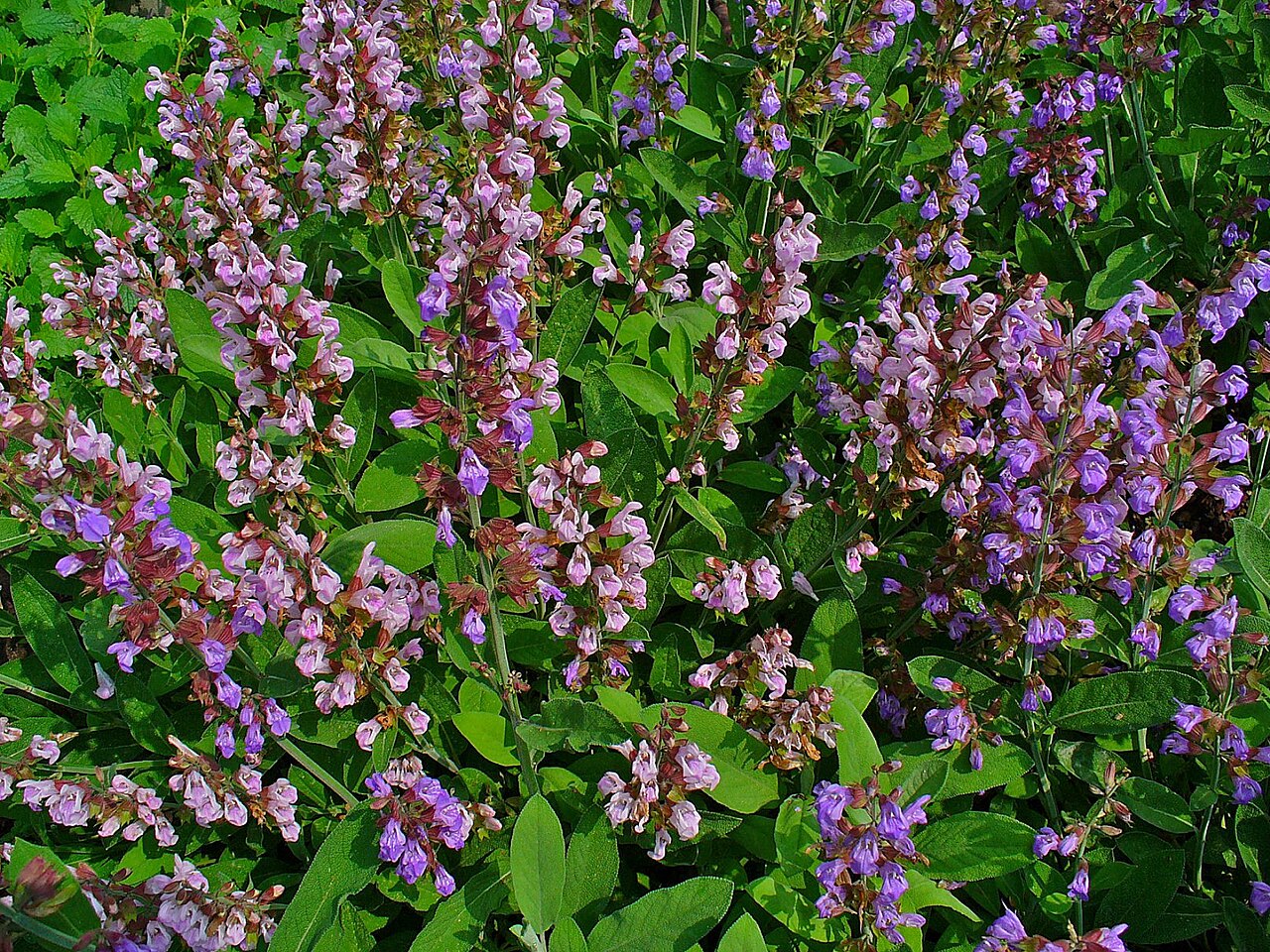
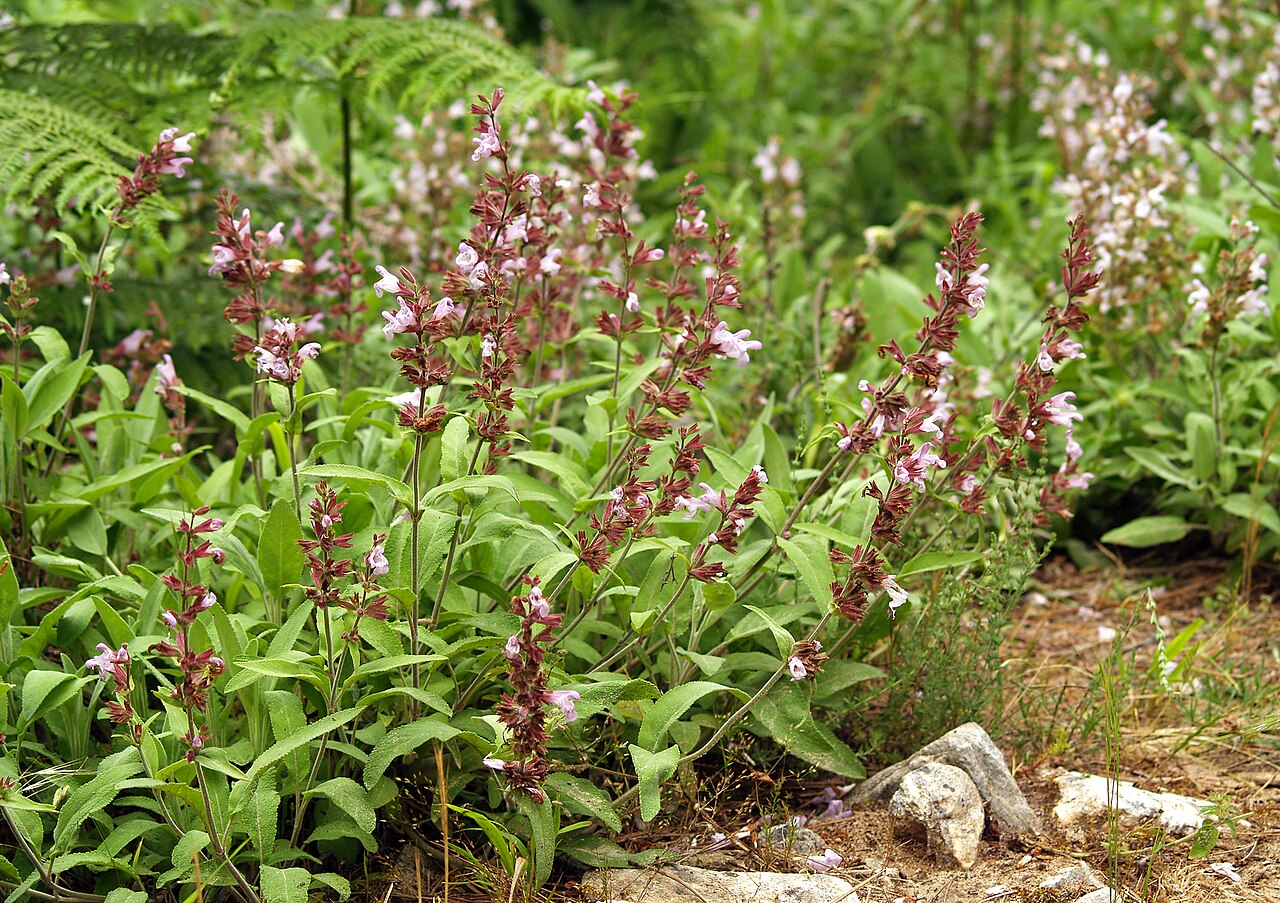
Albiflora is culinary sage in its quietest, most refined form: a seed-propagated variety with pure white flowers, narrower leaves than the species, and a reputation — recorded in herb references for decades — as the best culinary sage. It grows about 16 to 24 inches tall, a little smaller and neater than common sage, and its white blooms in summer are the giveaway that you are not looking at ordinary sage.
That ‘best culinary’ claim deserves its context: it comes from tasters who prize a clean, savory, slightly peppery flavor without the camphor edge that some sages carry, and Albiflora’s narrower leaves concentrate that flavor leaf for leaf. It will not out-yield Holt’s Mammoth or out-shine Tricolor, but for a cook who wants the finest-flavored sage rather than the biggest or prettiest, Albiflora is the insider’s answer.
How to grow
Start from transplants, cuttings, or seed — unusually for a named sage, Albiflora is seed-propagated, so seed comes reasonably true. Plant in full sun with excellent drainage and lean soil; in heavy clay or humid climates, a raised bed or pot with gritty mix is the safe home, because wet feet kill sage faster than cold does.
Prune lightly after flowering to keep plants bushy, but never cut into bare woody stems with no leaves — sage does not reliably resprout from old wood. Replace plants every 4–5 years when they get woody and sparse, taking cuttings first so the next generation is already rooted.
Water & feeding
Water deeply but infrequently once established; let the soil dry between drinks. Sage is drought-tolerant and hates soggy soil, and in Florida’s humidity, maximum airflow and afternoon shade in summer are the whole strategy for keeping it alive past its first year.
Feed lightly: a spring top-dress of worm castings is all it needs. Overfed sage grows soft and loses the concentrated oils that carry its flavor — and on a cultivar prized for flavor finesse, dilution is the one unforgivable sin.
Common problems
- Root rot in wet or heavy soil — improve drainage, raise the bed, or grow in a container.
- Woody, sparse centers — prune after flowering, never into bare wood, and renew plants every few years from cuttings.
- Powdery mildew in humid weather — space for airflow, water at soil level, and remove affected leaves.
- Winter kill in cold, wet zones — mulch lightly after the ground freezes and plant in the best-drained spot you have.
Harvest
Pick individual leaves or snip sprigs as needed once established; morning harvest has the strongest oils. Sage dries beautifully and keeps its flavor well — dry whole leaves flat or on stems in a dark, airy spot, and store them whole until use.
Use Albiflora anywhere sage leads: stuffing, sausage, brown-butter sauces, and fried sage leaves as garnish. Its narrower leaves fry crisper than broad ones, which is a small thing until you have eaten a plate of pasta with fried sage on top and understood why it matters.
Browse all plant & pest guides
Saving seeds
Albiflora is unusual for a named sage — it is seed-propagated, so seed comes reasonably true. Save seed from your best plants. The full method is in the Saving seeds section of the Sage guide.