
🌿 Minimus Sage
What it looks like
Why this variety
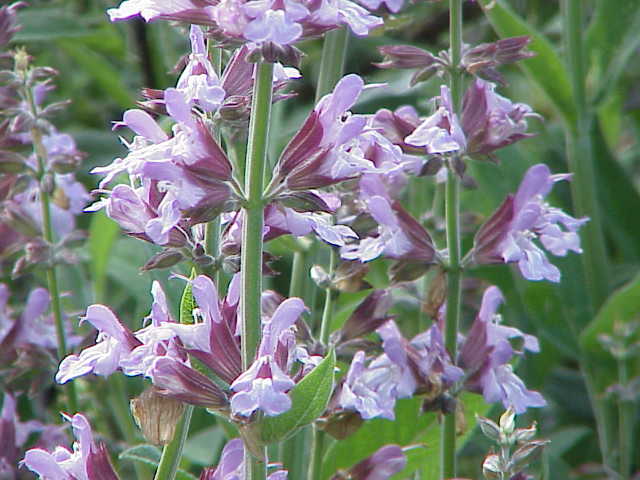
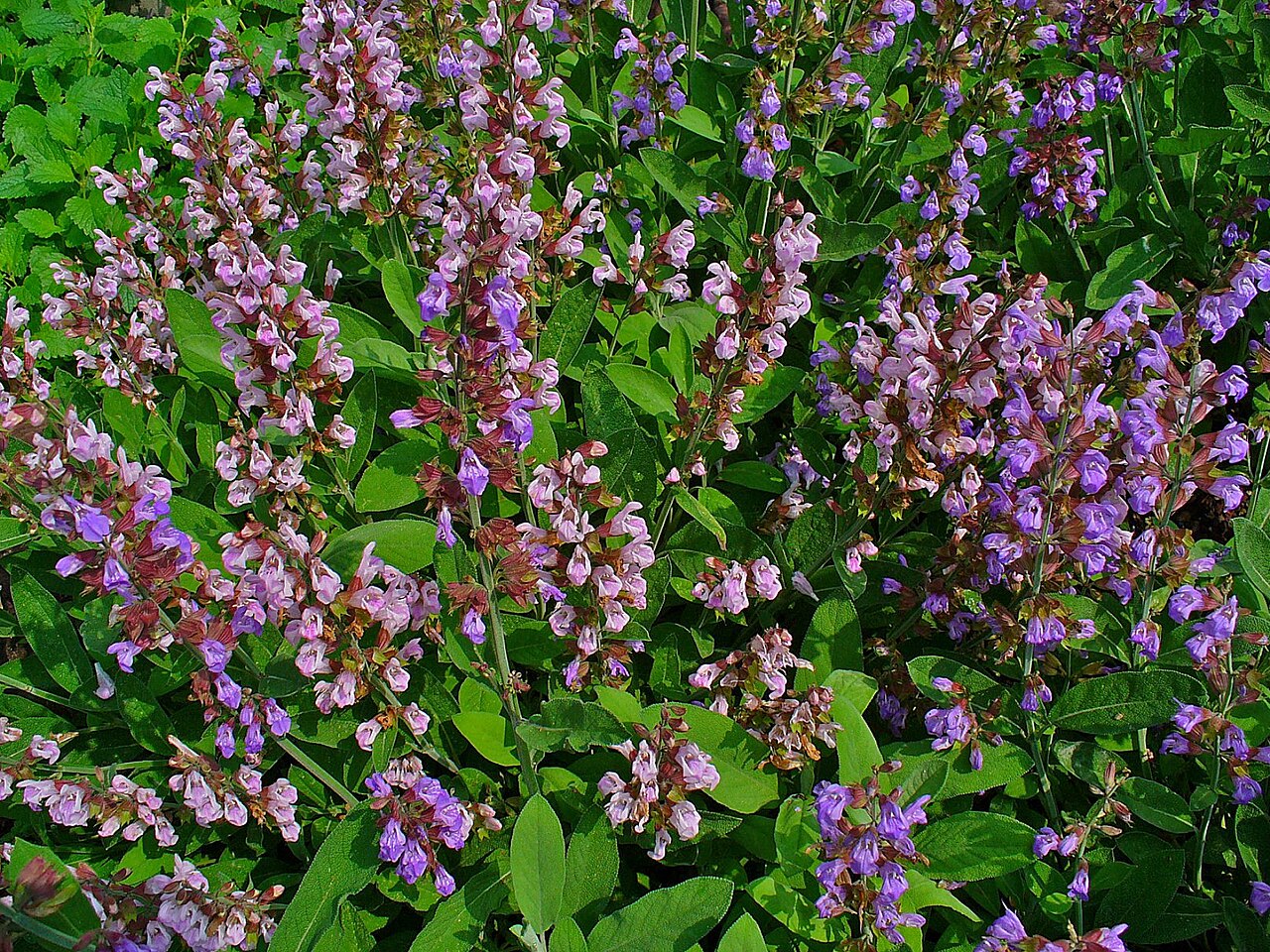
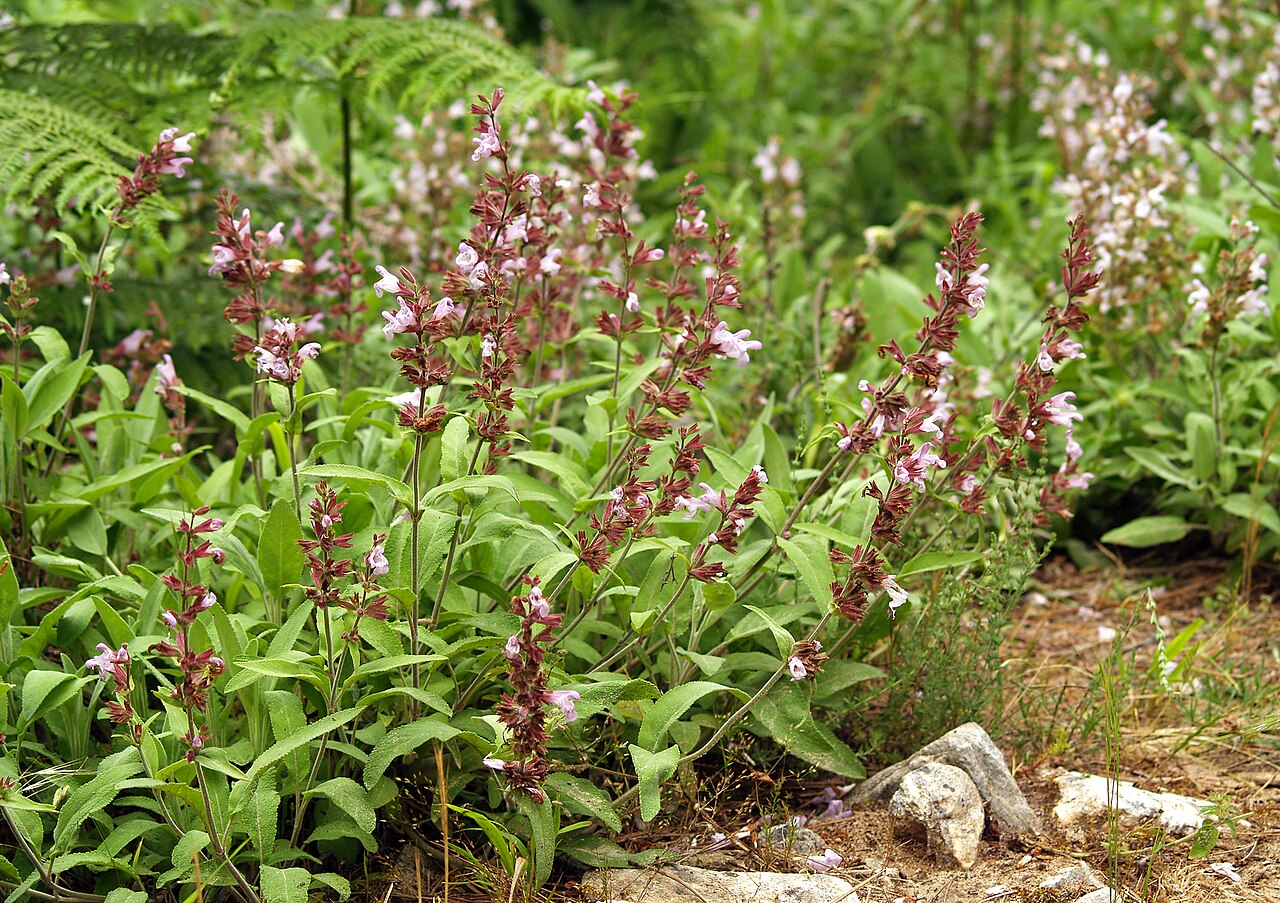
Minimus is common sage at its smallest and most disciplined: a tightly compact form of the culinary sage, notable for narrow, fragrant, gray-green leaves and lavender-blue, white-lined flowers in late spring or early summer, growing just 15–18 inches tall. Where a standard sage sprawls toward 3 feet and turns woody at the base, Minimus stays a dense little mound — the sage for pots, border edges, rock gardens, and gardeners who love sage but do not have a sage-sized hole in their bed.
Two traits make Minimus especially garden-worthy. First, it is extremely xeric — it tolerates dry conditions better than most sages once established, which in Florida means it forgives a missed watering better than a wet week (drainage still matters; xeric does not mean swamp-proof). Second, it does not self-seed, so it stays where you put it instead of volunteering across the bed like some sages do. Flavor is true common sage, so cook with it exactly as you would the full-sized plant, just from a smaller, tidier source.
For the species as a whole, see the Sage growing guide.
How to grow
Sage is a Mediterranean subshrub that wants sun, sharp drainage, and to be left mostly alone — it is the herb equivalent of a cat that only likes you on its own terms. Plant in full sun in gritty, well-drained soil, and never in a low spot that holds water after rain. Sage hates wet feet more than it hates cold, and in humid climates airflow matters as much as sun.
Florida note: sage is a perennial in warm winters but it is not a Florida summer fan — heat plus humidity plus wet soil is its worst combination. Give it the sunniest, best-drained spot you have, ideally a raised bed or container with gravel mulch, water at soil level, and expect it to look its best in the cool months. Replace plants every few years as they get woody and tired; a young sage out-produces an old one.
Water & feeding
Water to establish, then let it dry between waterings — sage would rather be thirsty than soggy. A whisper of worm castings in spring is all the feeding it wants; overfed sage is green fluff with no flavor. In Florida, mulch with gravel instead of wood chips so the crown stays dry, and never water overhead in humid weather.
Common problems
- Root rot in wet soil — the number one killer. Fix drainage or grow in containers; there is no spray for a drowned sage.
- Fungal issues in humidity — space generously, water at soil level, and prune for airflow after flowering.
- Woody, leggy growth — prune lightly after flowering and replace aging plants; sage does not rejuvenate from old wood the way some shrubs do.
- Aphids and spittlebugs — blast with water or prune affected tips; rarely a serious threat to an established plant.
Harvest
Pick individual leaves as needed once the plant is established, and take full sprigs for drying just before flowering, when oils peak. Harvest lightly the first year and fully from year two onward. Dry leaves slowly in a dark, airy spot — sage dries better than most herbs and keeps its flavor for months.
Browse all plant & pest guides
Saving seeds
Minimus is common sage at its smallest and most disciplined: a tightly compact form of the culinary sage, notable for narrow, fragrant, gray-green leaves and lavender-blue, white-lined flowers in late spring or early summer, growing just 15 to 18 inches tall. Where a standard sage sprawls toward 3 feet and turns woody at the base, Minimus stays a dense little mound — the sage for pots, border edges, rock gardens, and gardeners who love sage but do not have a sage-sized hole in their bed. As a named cultivar it is kept true by cuttings, not by seed — and the guide notes it does not self-seed, so it stays where you put it. Plant in full sun in gritty, well-drained soil, and never in a low spot that holds water after rain. The full method is in the Saving seeds section of the Sage guide.