
🌿 Holt’s Mammoth Sage
What it looks like
Why this variety
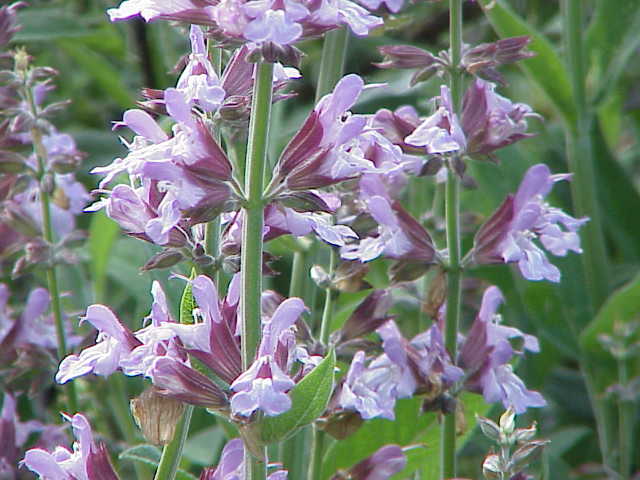
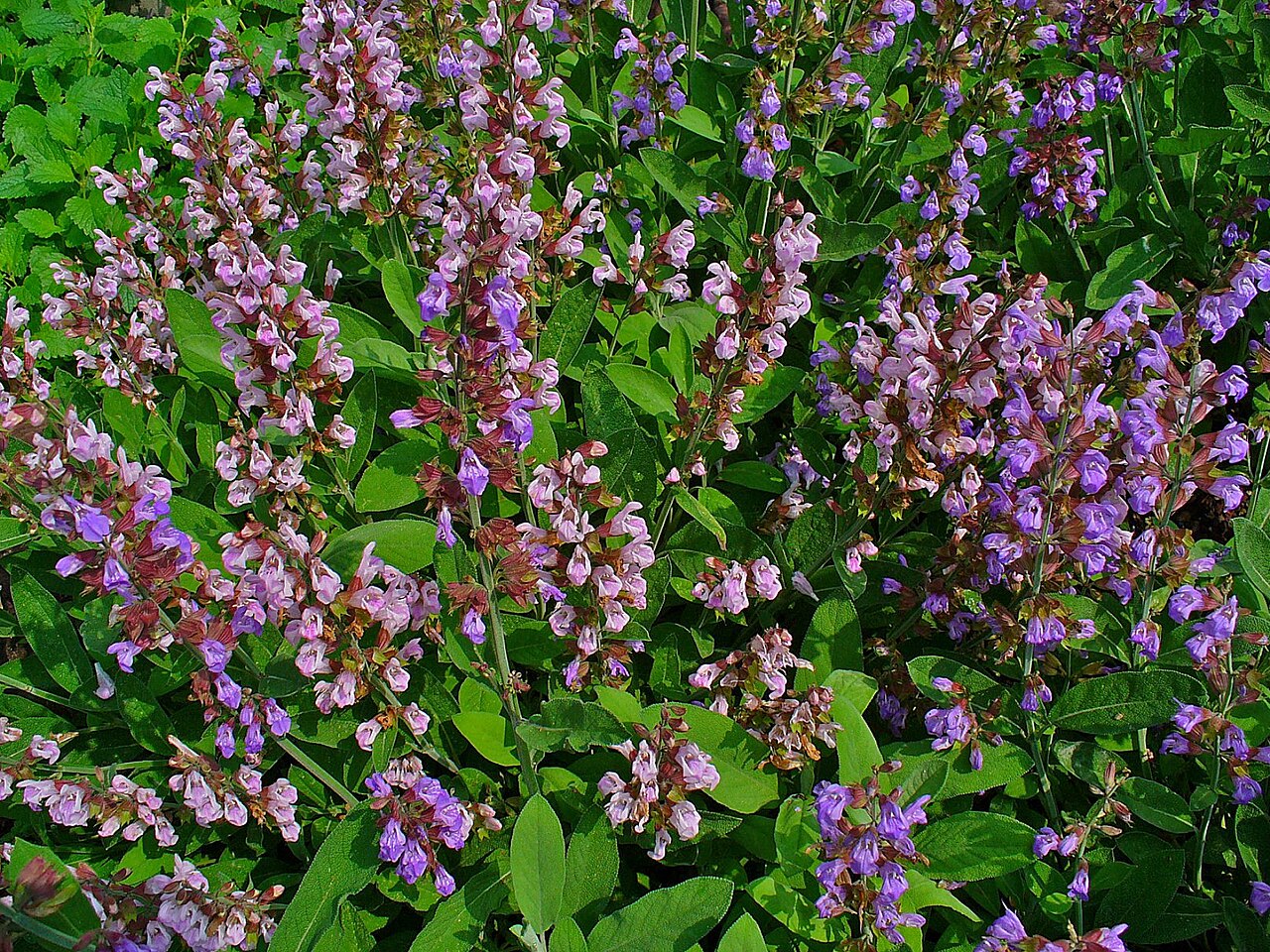
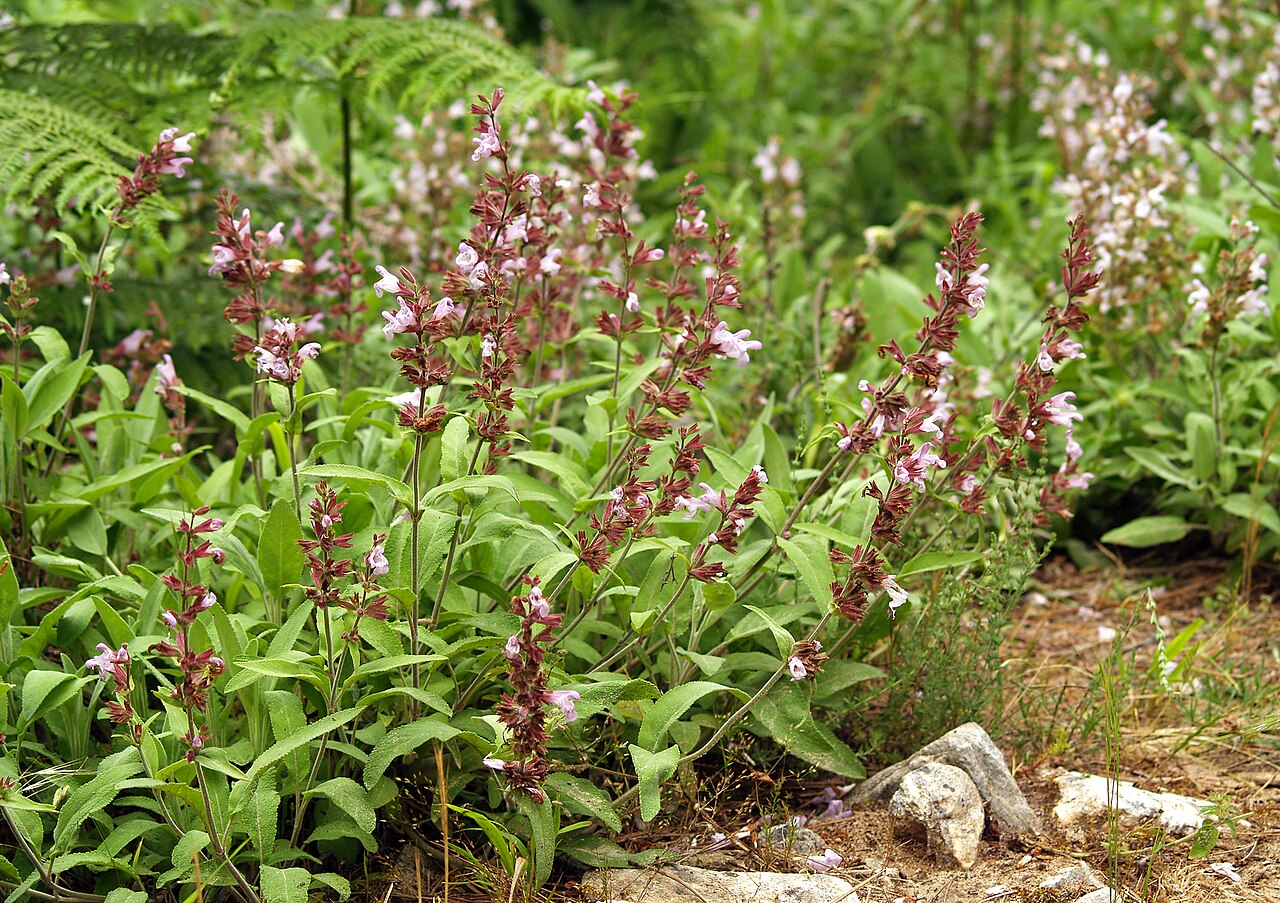
Holt’s Mammoth is culinary sage supersized: a vegetative variety with large, grey-green leaves — 4 to 5 inches long — on a vigorous plant that grows to 3 feet and grows quickly, which is why it is popular with commercial growers who have to cut and dry large quantities of leaves. Where Berggarten Sage is the compact big-leaf sage, Holt’s Mammoth is the sprawling one: same broad-leaf idea, more plant, more harvest, less patience required.
It rarely flowers, which is a virtue in a cooking sage: energy that other sages spend on bloom stays in leaves, and a plant that rarely flowers stays in harvest condition longer. If you dry sage by the jar, stuff a turkey more than once a year, or cook with sage by the handful, this is the cultivar that stops you from running out in November.
How to grow
Start from transplants or cuttings — seed is slow and variable, and a named cultivar’s character lives in the cutting, not the packet. Plant in full sun with excellent drainage and lean soil; in heavy clay or humid climates, a raised bed or pot with gritty mix is the safe home, because wet feet kill sage faster than cold does.
Give it room: a 3-foot plant needs its spacing honored, not aspirational. Prune lightly after flowering (when it bothers to flower) to keep it bushy, but never cut into bare woody stems with no leaves — sage does not reliably resprout from old wood. Replace plants every 4–5 years when they get woody and sparse, taking cuttings first.
Water & feeding
Water deeply but infrequently once established; let the soil dry between drinks. Sage is drought-tolerant and hates soggy soil, and a big-leafed type like Holt’s Mammoth shows overwatering as soft, floppy growth before it shows it as rot — firm, grey-green leaves are the sign you’re watering right.
Feed lightly: a spring top-dress of worm castings is all it needs. Overfed sage grows soft and loses the concentrated oils that carry its flavor, and on a bulk cultivar, the temptation to push yield with fertilizer is exactly what dilutes the harvest.
Common problems
- Root rot in wet or heavy soil — improve drainage, raise the bed, or grow in a container.
- Woody, sparse centers — prune after flowering, never into bare wood, and renew plants every few years from cuttings.
- Powdery mildew in humid weather — space for airflow (a 3-foot plant needs it), water at soil level, and remove affected leaves.
- Winter kill in cold, wet zones — mulch lightly after the ground freezes and plant in the best-drained spot you have.
Harvest
Pick individual leaves or snip sprigs as needed once established; morning harvest has the strongest oils. With leaves 4 to 5 inches long, one Holt’s Mammoth leaf does the work of three ordinary sage leaves — fewer leaves to pick, less stem to strip, and a faster path to a full drying rack.
Sage dries beautifully and keeps its flavor well: dry whole leaves flat or on stems in a dark, airy spot, and store them whole until use. A single vigorous plant fills jars for a year of stuffing, sausage, and brown-butter sauces, and regular cutting keeps it leafy instead of woody.
Browse all plant & pest guides
Saving seeds
Holt’s Mammoth is a vegetative culinary sage variety with large, grey-green leaves, and a named cultivar’s character lives in the cutting, not the packet — start from transplants or cuttings, and take cuttings before replacing plants every four to five years. The Saving seeds section of the Sage guide covers seed for the species generally.