
🌿 Berggarten Sage
What it looks like

Why this variety
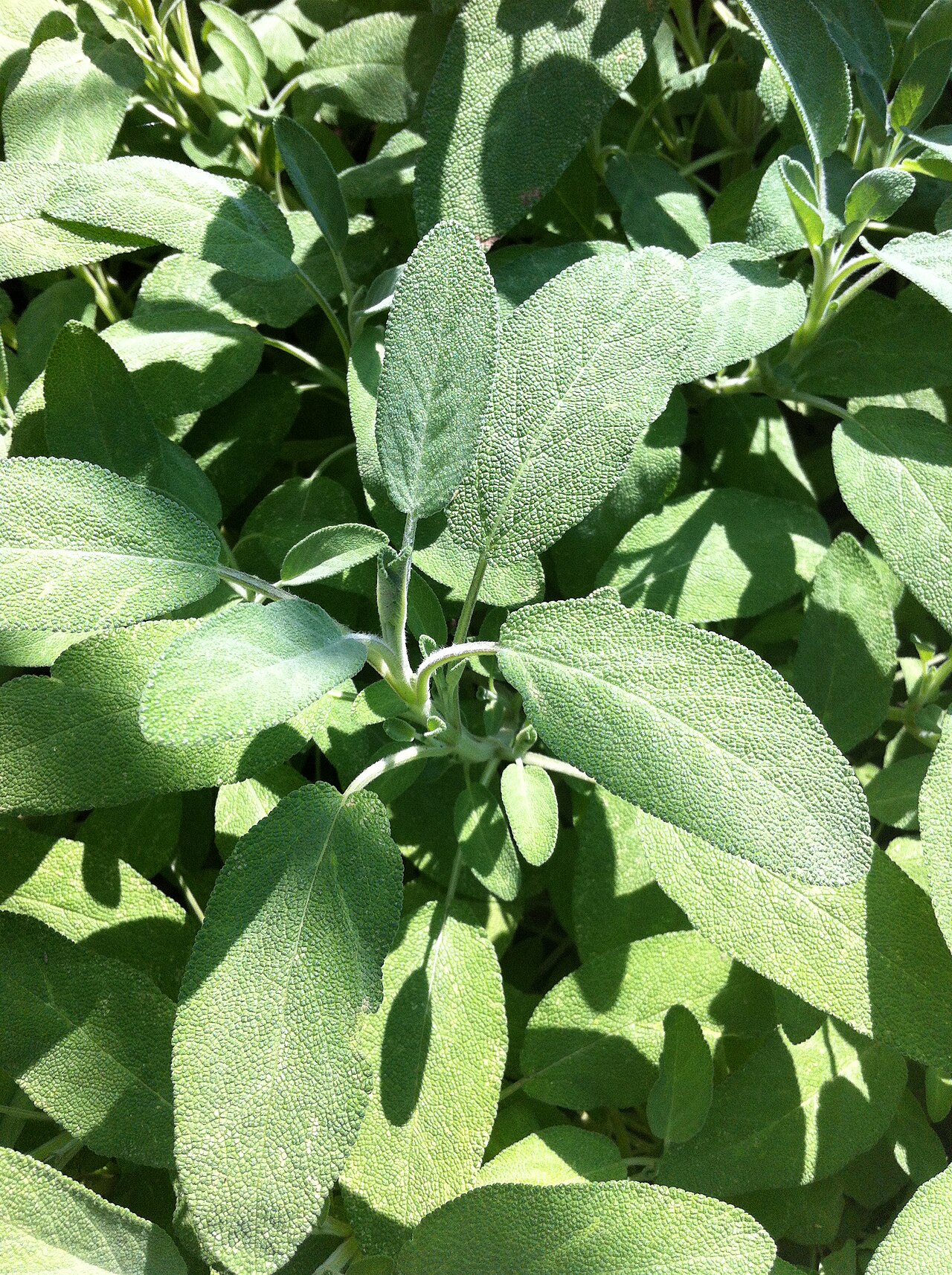
Berggarten is the sage cooks reach for first, for the most practical reason: its leaves are the largest of any common sage, broad, rounded, and velvety-soft, so one leaf does the work of three. It is a compact, spreading subshrub, about 2 feet tall, with very aromatic, gray-green foliage and pale violet-blue flowers in summer — though it flowers less reliably than the species, which most cooks count as a bonus, since flowering diverts energy from leaves.
The flavor is classic culinary sage — savory, slightly peppery, warm — on leaves big enough to wrap around veal for saltimbocca, to fry whole in brown butter, or to chop generously for stuffing without spending an afternoon picking. In Florida, Berggarten wants what all sage wants and what Florida gardens struggle to give: sun, sharp drainage, and lean soil, in a raised bed or pot where summer rain cannot drown it. Give it that and it is a perennial; give it wet feet and it is a lesson.
How to grow
Buy plants from cuttings to hold the big-leaf character. Plant in spring in full sun and sharply drained, lean soil — a raised bed or pot with gritty mix is the Florida default — spacing 18–24 inches apart for airflow. Sage hates wet feet more than cold, so drainage is the first decision and everything else is second.
Pinch tips when young for bushiness, and prune in spring to shape, cutting into green growth but never into bare old wood, which sage rarely regrows from. Replace plants that go woody and bare in the center after 4–5 years; sage is a subshrub with a prime, not a lifetime shrub.
Water & feeding
Water sparingly once established, letting soil dry well between waterings; sage is a Mediterranean subshrub that concentrates its oils in dry, sunny conditions, and overwatering dilutes flavor and invites root rot. Water at planting and in prolonged drought only.
Feed lightly in spring, if at all. Lean soil grows the most flavorful sage; rich soil grows big, bland, floppy leaves.
Common problems
- Root rot in wet soil — the sage killer in Florida. Raised beds, gritty mix, and no saucer puddles are the prevention.
- Woody, bare centers with age — prune annually into green growth and replace aging plants; a young sage out-flavors an old one.
- Fungal problems in humid, still air — space for airflow, water at the base, and prune for an open habit.
- Overwatering by kindness — sage wants less water than you think. When in doubt, wait a day, and check the soil before reaching for the can.
Harvest
Pick leaves from year one lightly and heavily from year two, taking individual leaves or short stems and leaving plenty behind. Berggarten’s big leaves are ideal for frying whole in butter, wrapping, and chopping for stuffing; use fresh for the brightest flavor, or dry on a screen out of direct sun — dried sage keeps its savory warmth well and is the version for winter cooking.
Prune in spring and dry the prunings for the pantry; a shaping cut on a Berggarten easily yields a season’s supply. Store dried leaves whole in sealed jars, crumbling as you cook.
Browse all plant & pest guides
Saving seeds
Berggarten is a selected cultivar, so seed saved from it won’t come true — buy plants from cuttings instead. The Saving seeds section of the Sage guide covers seed for the straight species.