
🌿 Tricolor Sage
What it looks like
Why this variety
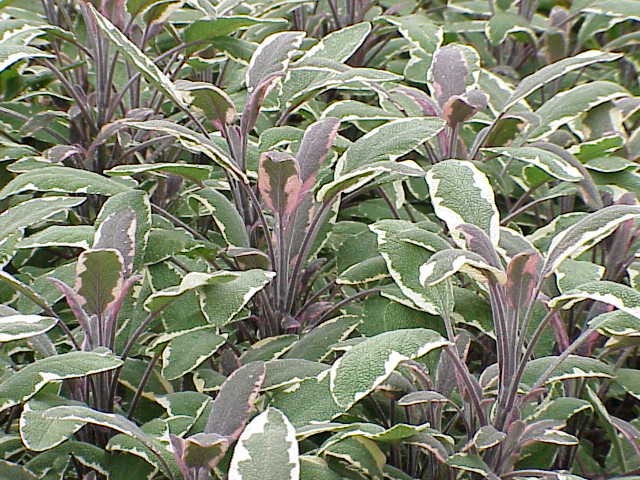
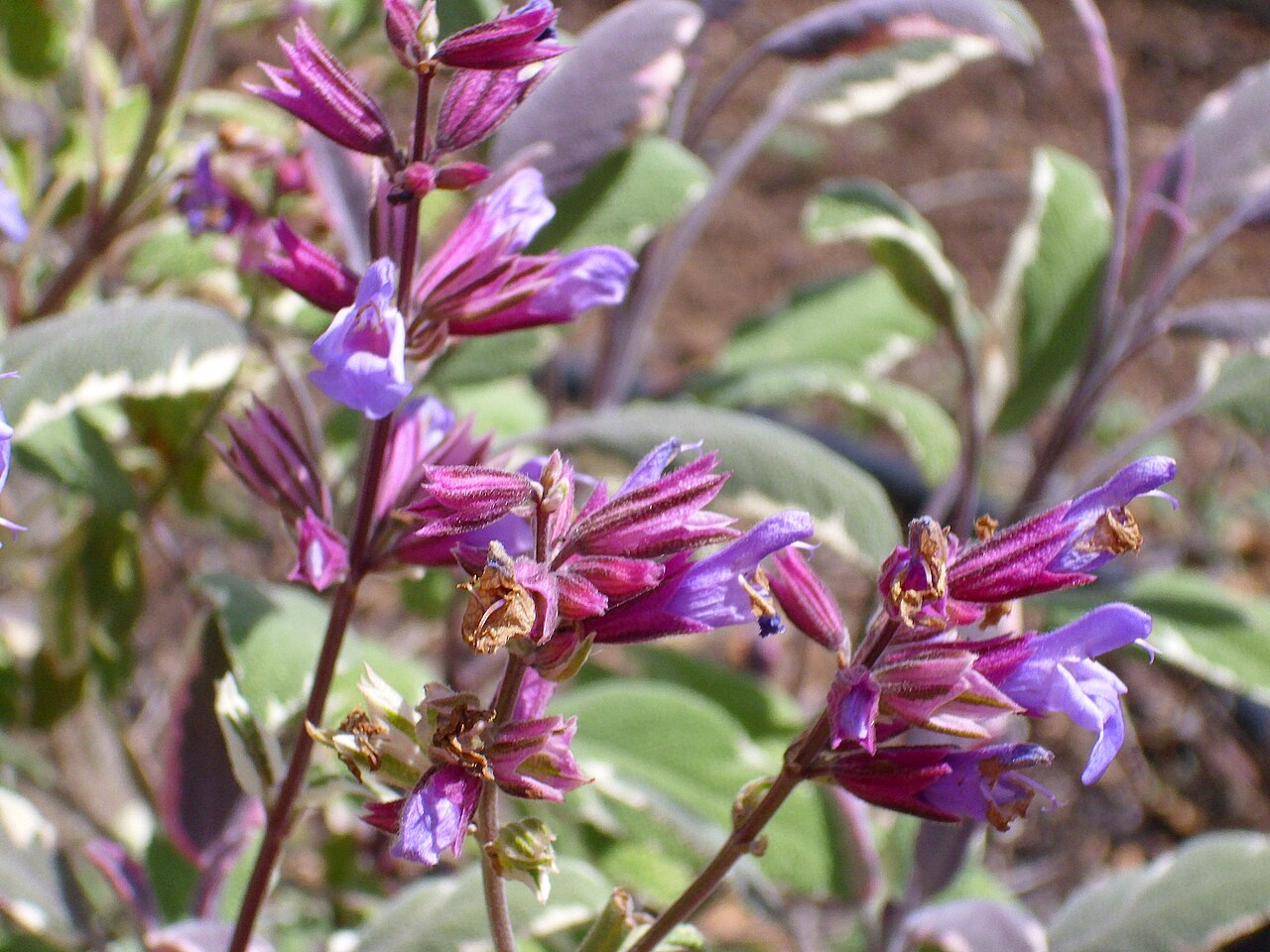
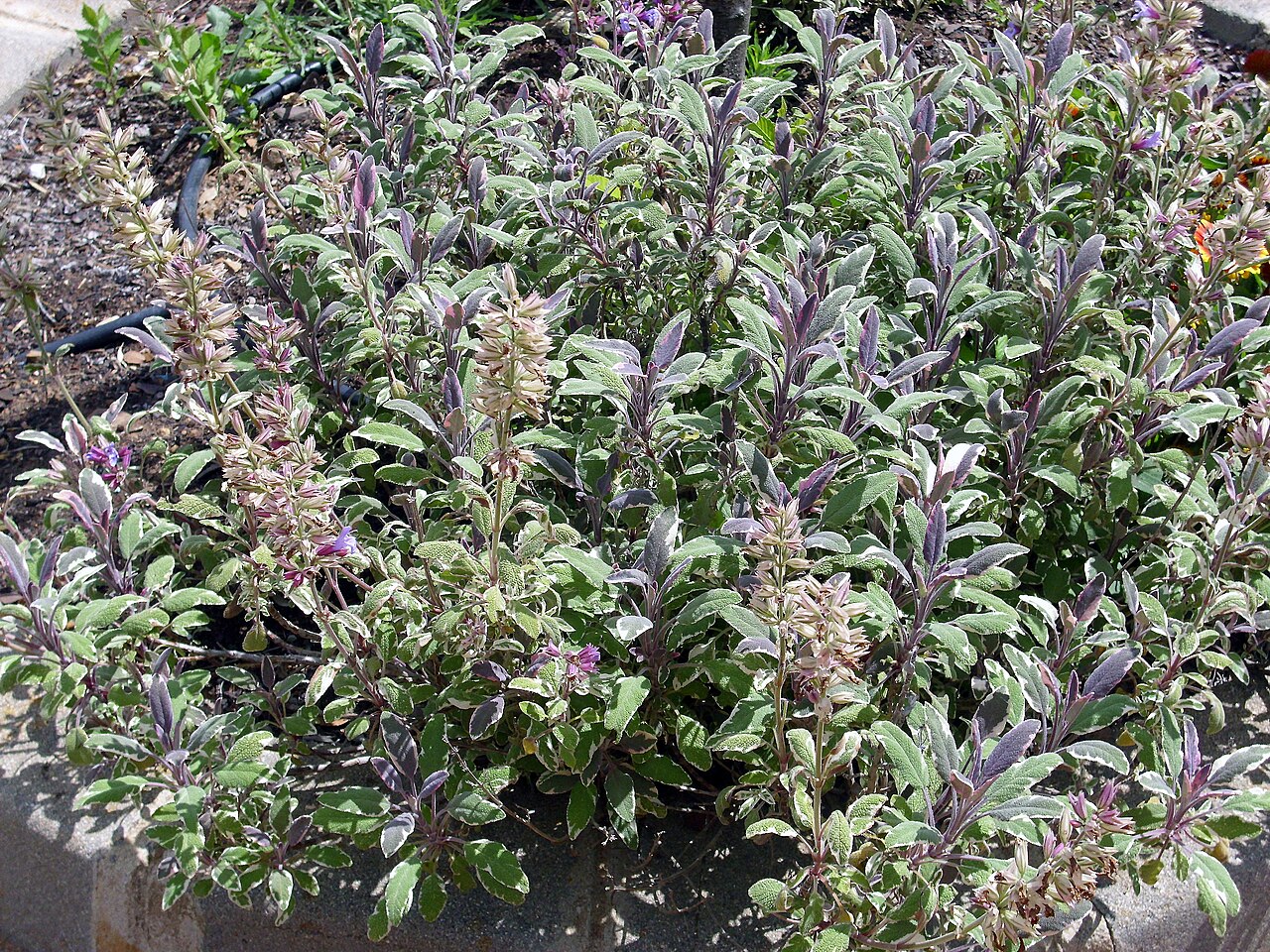
Tricolor is the most beautiful sage and the most honest about its needs. Each leaf carries three colors — gray-green centers, cream edges, and purple-pink flushes on the youngest growth — on a spreading subshrub with light blue flowers in early summer. In a pot by a path, or at the front of a sunny border, it is a foliage plant that happens to be a herb, and it stops visitors more reliably than any flower in the bed.
The beauty has a price, stated plainly: Tricolor is less hardy and less vigorous than green sage, its variegated leaves carry less chlorophyll, and it scorches more readily in harsh sun and suffers more in cold. In Florida, that means a pot with gritty mix, morning sun and afternoon shade, and a move under cover for cold snaps — a treasure plant, not a plant-and-forget herb. Its flavor is milder than green sage, which suits delicate dishes where strong sage would dominate, and its leaves are best used fresh, where the color shows.
How to grow
Buy plants from cuttings to hold the tricolor pattern; seed-grown sage will not repeat it. Plant in spring in a large pot with sharply drained, gritty mix, in full sun with afternoon shade in hot gardens, spacing 18–24 inches apart if planting several.
Pinch tips for bushiness, prune lightly into green growth only, and remove any all-green shoots promptly — they are more vigorous than variegated growth and will take over the plant if left. Move pots under cover for hard freezes, and refresh pot mix in spring every year or two.
Water & feeding
Water sparingly but steadily, letting mix dry between waterings without letting the plant wilt hard; Tricolor’s variegated leaves scorch faster than green leaves in drought, so steady, moderate water matters more than for green sage. Never let the pot sit in water.
Feed lightly in spring. Lean soil keeps variegation vivid; heavy feeding pushes green growth that dulls the tricolor pattern.
Common problems
- Reversion to green — cut out all-green shoots immediately, or the plant reverts within a season.
- Scorch in harsh sun or drought — afternoon shade and steady water protect variegated foliage.
- Root rot in wet soil — gritty mix, pots, and drainage are non-negotiable, especially in Florida summers.
- Lower vigor and cold tenderness — Tricolor is a pot treasure, not a workhorse; expect slower growth and a shorter prime than green sage, and propagate cuttings as insurance.
Harvest
Pick leaves lightly from year one and moderately from year two, choosing the most colorful sprigs for garnishes, light sauces, and dishes where the leaf shows — Tricolor’s flavor is milder than green sage, so use a generous hand where the species would need only a few leaves. Use fresh for color; drying dulls the tricolor pattern.
Prune lightly for shape and dry only the plainest leaves for winter cooking, keeping the showiest growth for fresh use. Take cuttings in spring and fall as insurance — a rooted cutting is a backup Tricolor, and this is a variety worth backing up.
Browse all plant & pest guides
Saving seeds
Tricolor is the most beautiful sage and the most honest about its needs. Each leaf carries three colors — gray-green centers, cream edges, and purple-pink flushes on the youngest growth — on a spreading subshrub with light blue flowers in early summer. In a pot by a path, or at the front of a sunny border, it is a foliage plant that happens to be a herb, and it stops visitors more reliably than any flower in the bed. The guide states it plainly: buy plants from cuttings to hold the tricolor pattern, because seed-grown sage will not repeat it. Take softwood cuttings in spring or summer, root them in gritty mix, and remove any all-green shoots promptly — they are more vigorous than variegated growth and will take over the plant if left. The full method is in the Saving seeds section of the Sage guide.