
🥬 Green Curled Ruffec Endive
What it looks like
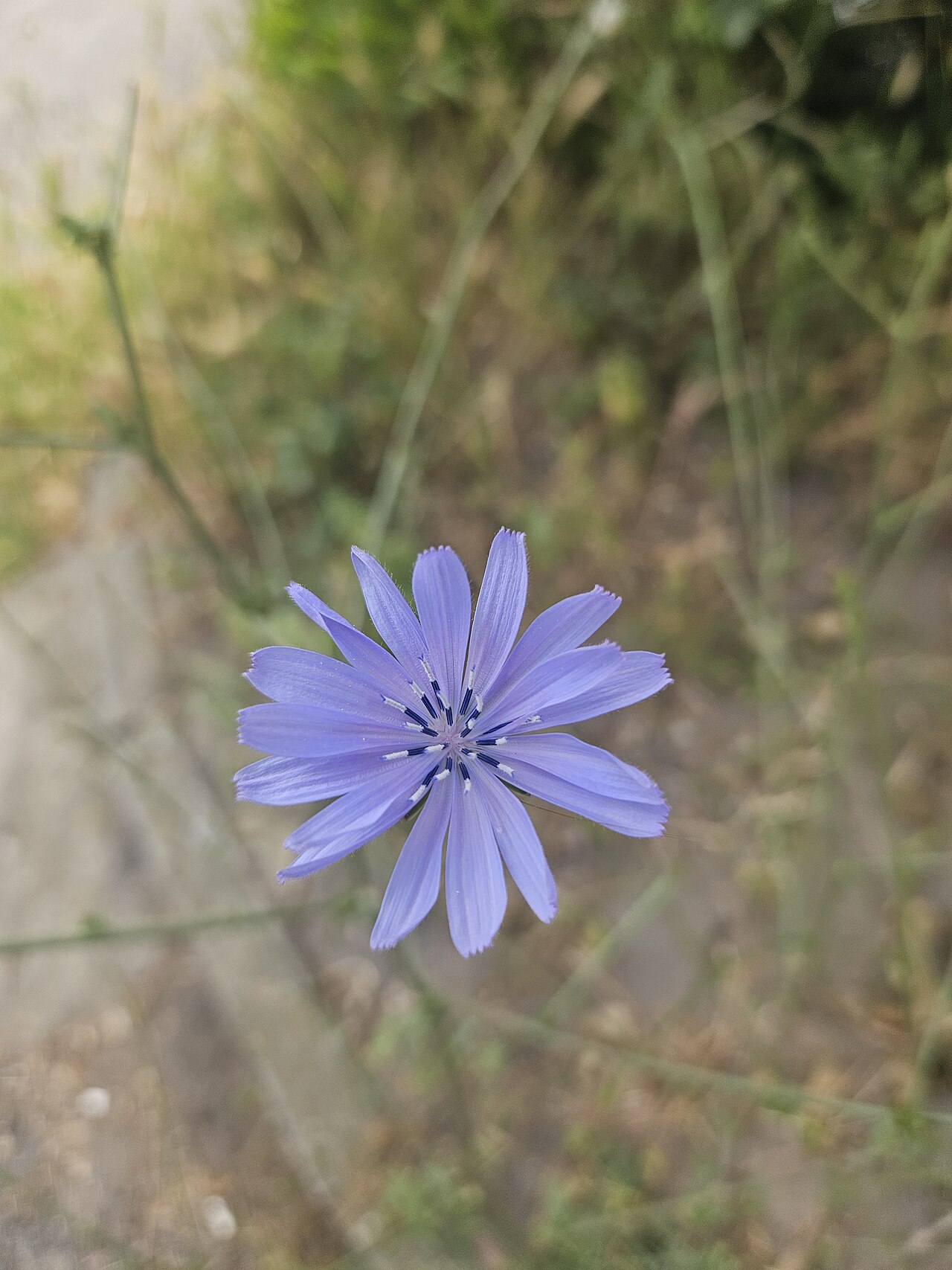
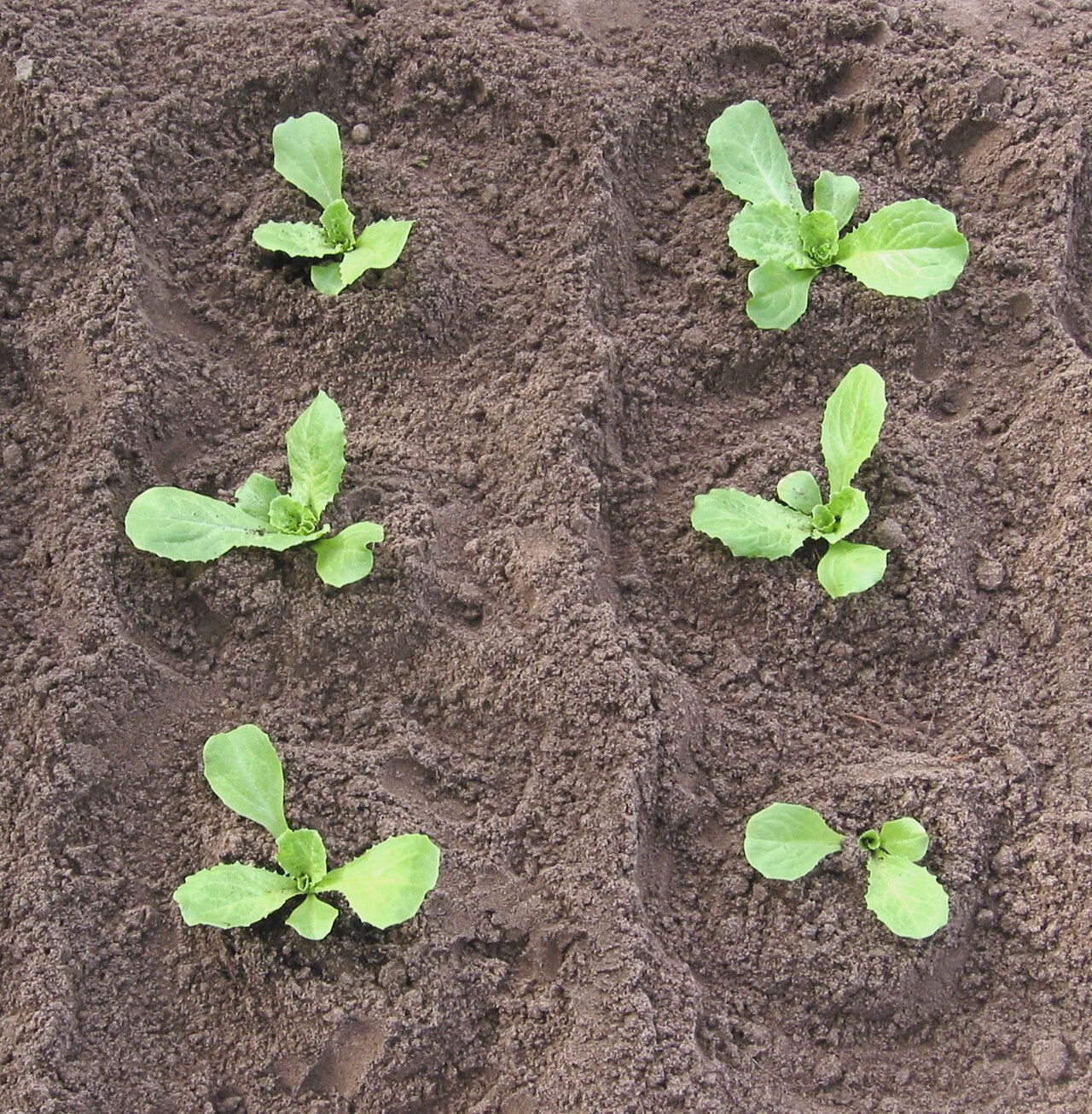
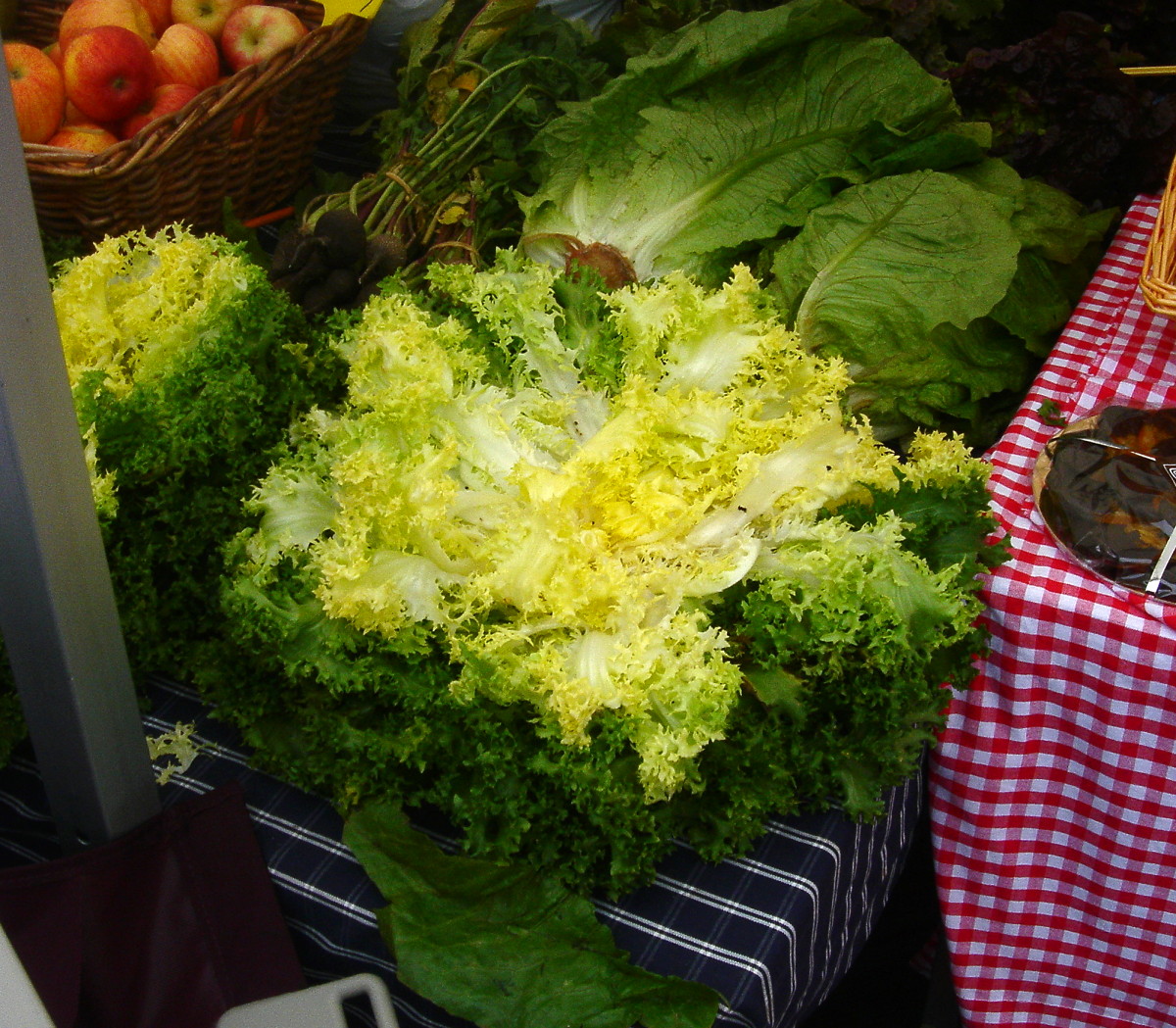
Why this variety
Green Curled Ruffec is the endive most seed catalogs start with, and for good reason: deeply curled, frilly leaves that hold dressing the way flat leaves never will, and a heart that blanches to pale gold and tenderness if you tie the plant up for a week or two before harvest. It is the endive of the classic frisée-style salad, with a bitterness that is assertive without being aggressive.
Curled endive is also a forgiving crop for a first attempt at chicories: it grows steadily in cool weather, tolerates a light frost that sweetens the leaves, and gives you both outer leaves for cooking and a blanched heart for salads from the same plant. If you have only ever eaten bagged salad mix, this is the variety that shows you what endive is supposed to taste like.
If you are new to choosing between cultivars, the Varieties Matter guide explains why the name after the plant matters as much as the plant itself. And if you want the whole clan at a glance, the broader Endive guide covers endive generally.
How to grow
In Florida, endive is a cool-season green, full stop: sow it in fall so the heads form in mild weather, and it will reward you with crisp, pleasantly bitter leaves. A spring sowing that bolts in a warm snap is the plant telling you it wanted October, not March. Blanching the heart — tying the outer leaves or covering the plant for a week or two before harvest — tames the bitterness and turns the center pale and tender.
Sow directly or transplant, spacing 12 inches apart in rich, moist soil. In warm climates, give afternoon shade and keep the soil moist; a stressed endive bolts, and a bolted endive is compost. To blanch, gather the outer leaves and tie them loosely around the heart 10–14 days before harvest, or cover the plant with a pot.
Water & feeding
Endive wants rich, moist soil and steady water from sowing to harvest; a dry spell turns the leaves from pleasantly bitter to punishingly bitter. Mulch to keep the roots cool, water deeply, and feed with compost at planting and again halfway to harvest.
Common problems
Slugs love the low, dense rosettes, especially in damp weather — a ring of coarse mulch earns its keep. Aphids can colonize the curled leaves; a strong jet of water or insecticidal soap handles them. Bolting is the other enemy: plant for cool weather and water before stress, not after.
Harvest
Harvest outer leaves as needed, or cut the whole head at the base when it is full and firm. For the classic blanched heart, tie and wait the full two weeks — the center leaves turn pale, tender, and mild, and the contrast with the darker outer leaves is the whole point of the salad.
Nerdy fact: Endive and escarole are the same species, Cichorium endivia — the difference is leaf shape: curled types are sold as endive or frisée, broad-leaved types as escarole. One plant, two salads, and a century of menu confusion.
Saving seeds
Green Curled Ruffec is the classic curled endive most seed catalogs start with, open-pollinated, so saved seed comes true — let a plant bolt and set seed, and keep it from other flowering chicories, which cross readily. The full method is in the Saving seeds section of the Endive guide.