
🥬 Endive
What it looks like
How to grow
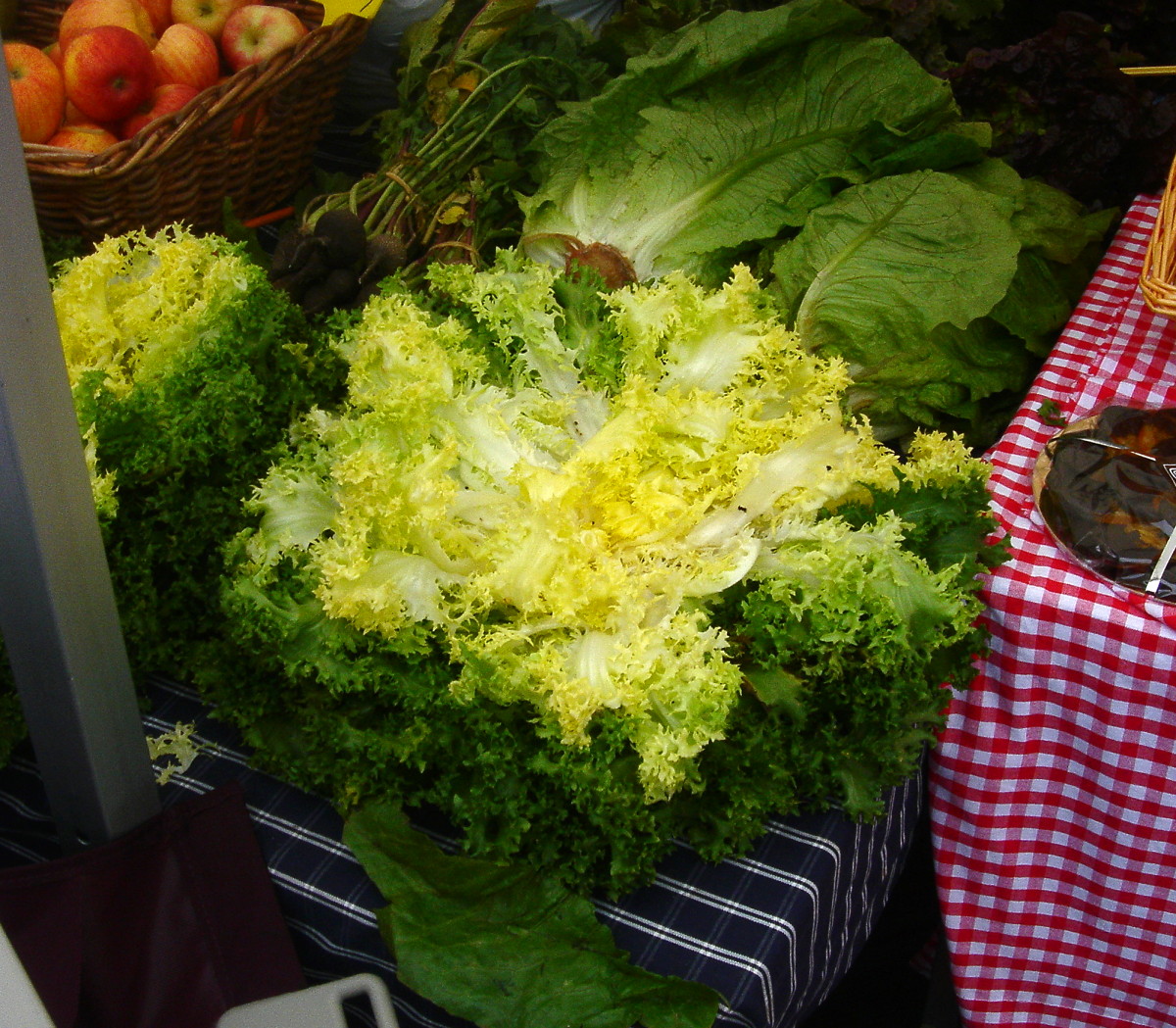
Endive covers a small family of chicories: curly endive (frisée) with finely cut, slightly bitter leaves; broad-leaved escarole, its milder, smoother cousin — same species, different leaf form, so escarole lives here rather than getting a duplicate guide — and Belgian endive (witloof), the pale, torpedo-shaped bud grown by forcing roots in darkness.
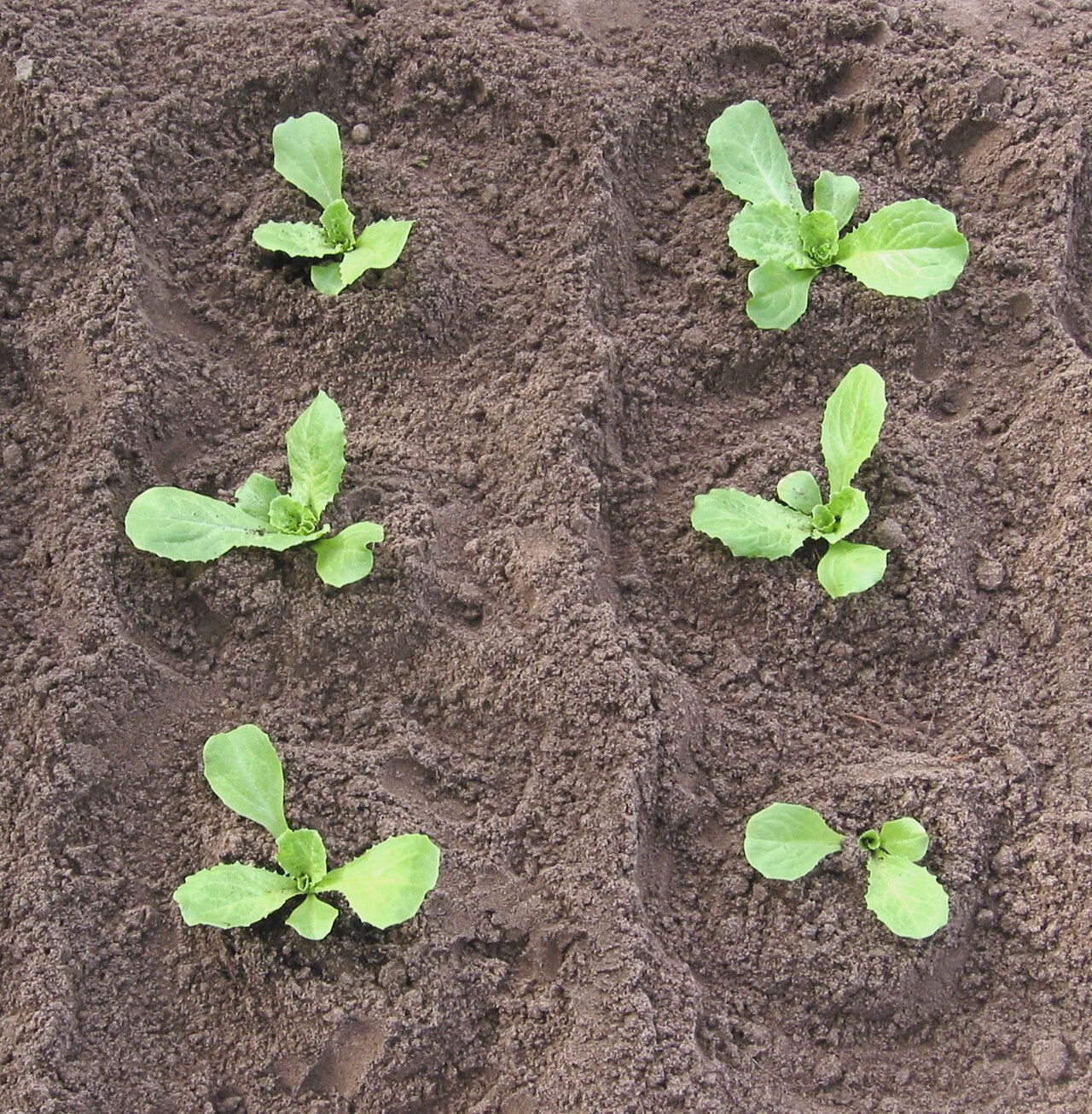
For leaf endive and escarole, sow 1/4 inch deep in late summer for fall harvest — the classic timing, since cool weather keeps bitterness pleasant and delays bolting. Spring sowings work in mild zones but bolt fast in heat. Thin to spacing and keep soil evenly moist; stressed endive turns harshly bitter rather than pleasantly bitter.
Belgian endive is a two-act crop: grow the roots in the garden through summer and fall, lift them, trim tops, and force them in a dark, cool spot (a bucket in a basement works) for pale, mild buds in winter. The darkness is the point — light turns buds green and bitter, so total darkness during forcing is non-negotiable.
Water & feeding
About 1 inch a week, kept even; drought sharpens bitterness past pleasant. Work worm castings into the bed at planting; castings carry a low burn risk and support steady leaf growth without forcing soft, aphid-prone leaves. Mulch to hold moisture and keep soil cool.
Common problems
- Bolting in heat: sow for fall, choose slow-bolting varieties, and harvest before flower stalks appear.
- Excessive bitterness: heat or drought stress — water evenly, harvest young, and blanch curly types by tying leaves or covering heads for a week before cutting.
- Aphids on tender hearts: blast with water and check inner leaves before harvest.
- Slugs on low leaves: traps and clean mulch; harvest outer leaves promptly.
Harvest
Cut leaf endive whole at the base or pick outer leaves as needed; escarole heads are cut whole when full and firm. For Belgian endive, harvest forced buds (chicons) at 5–6 inches, pale and tight, before they green. Serve leaf endive raw in salads with strong dressings, braise escarole with beans and garlic, and braise or grill Belgian endive, whose bitterness mellows beautifully with heat and butter.
Browse all plant & pest guides
Saving seeds
Endive seed saving is a two-year love affair, and like all good love affairs it requires you to resist eating the object of your affection at the crucial moment. Endive, Cichorium endivia, is a biennial, which means year one is all leaves, the rosette or heart you actually want for salad, and year two, after a cold winter, is flowers and seed. To save seed you must therefore do the hardest thing a vegetable gardener can do: look at your finest plants in autumn and leave them alone. Choose five to ten of your best specimens, the ones with the latest bolting, the fullest hearts, and the cleanest leaves, and let them overwinter in place, mulched in cold country, while you eat their less distinguished siblings. In Florida, this is where the plan gets interesting, because a mild winter may not deliver the chilling, or vernalisation, that triggers second-year flowering, and plants in the far south may simply never bolt properly. North Florida gardeners stand a better chance after a genuinely cold snap, while south Florida gardeners should treat endive seed saving as an experiment, not a guarantee, and be ready for plants that bolt in the first year’s heat instead, which gives seed but from stressed, unselected plants.
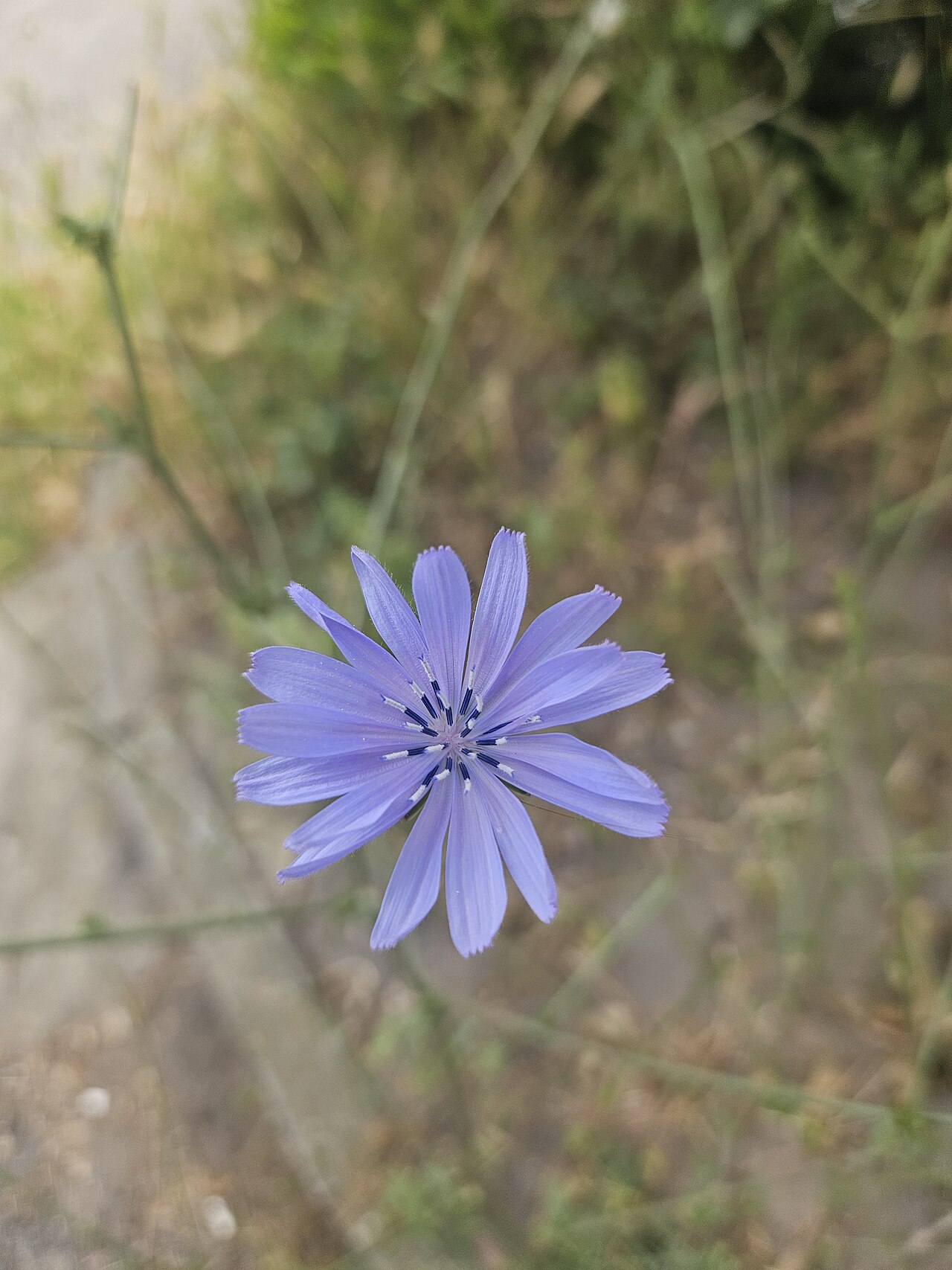
When the survivors bolt in their second spring, they throw up tall stalks topped with blue flowers that open in the morning and fade by afternoon, and the seed that follows ripens in clusters that dry unevenly. Watch for the heads turning brown and papery, then cut the whole stalk just before every seed is fully dry, because endive shatters, scattering its treasure if you wait for perfection. Slip the heads into a paper bag, finish drying them for a couple of weeks in a ventilated spot out of direct sun, then rub or shake the seed free and winnow away the chaff. A note on crossing, where sources honestly disagree: some references list endive among cross-pollinated crops and recommend generous isolation, while others describe its flowers as largely self-pollinated before the stigma even emerges, needing only a few metres of separation. The safe home-garden reading is to grow only one endive variety for seed at a time, and keep it away from other endive types, while noting that Belgian endive is a different species, chicory, and will not cross with true endive at all.
Only save seed from open-pollinated varieties, because seed from an F1 hybrid will not grow true and will give you a mixed bag of throwbacks in the next generation. Dry the cleaned seed thoroughly, which in Florida humidity means longer than you think, spread thin in moving air until it is genuinely crisp, then store it in an airtight jar with a desiccant packet, in a cool, dark place. Well-stored endive seed stays usable for several years, with some references putting viability at around five or six years, so label the jar with variety and year and use the oldest seed first. Sow saved seed shallowly, about a quarter of an inch deep, in cool soil, because germination sulks above hot summer temperatures and prefers the mild conditions of spring and late summer. The reward for all this patience is a variety tuned to your own garden, selected by your own hand, from the plants that refused to bolt, held their hearts, and then, in their second year, threw one last blue-flowered celebration before handing you the future.
Varieties
Every named variety of Endive with its own growing guide:
- Green Curled Ruffec Endive — The classic curled endive — deeply frilled leaves, a crisp bitter heart, and the standard for salads.
- Tres Fine Maraichere Endive — The fine French curled endive — lacy, tender leaves and a milder bite than the big curled types.
- Broad Leaved Batavian Endive — The escarole endive — broad, smooth leaves, mild flavor, and the classic soup green.
- Salad King Endive — The big curly endive: broad, deeply frilled heads with a crisp, pleasantly bitter heart — the salad endive that feeds a crowd.
- Coral Endive — The fine frisée endive: lacy, tender, coral-like leaves with a gentler bite — the garnish endive that eats like a salad.
- Natacha Escarole — The dense-hearted escarole: broad, smooth leaves folding into a creamy heart — the soup green that blanches itself.
- Blond Full Heart Escarole — The bolt-resistant escarole: generous yellow-hearted rosettes, naturally self-blanching, and built for a long harvest.
- Cornet de Bordeaux Escarole — The upright escarole: spoon-shaped leaves and a self-folding heart that holds from autumn into winter.
- Galia Endive — The petite frisée: finely cut, trouble-free, and fast — the impatient gardener’s endive.