
🥬 Salad King Endive: Growing Guide
What it looks like

Why this variety
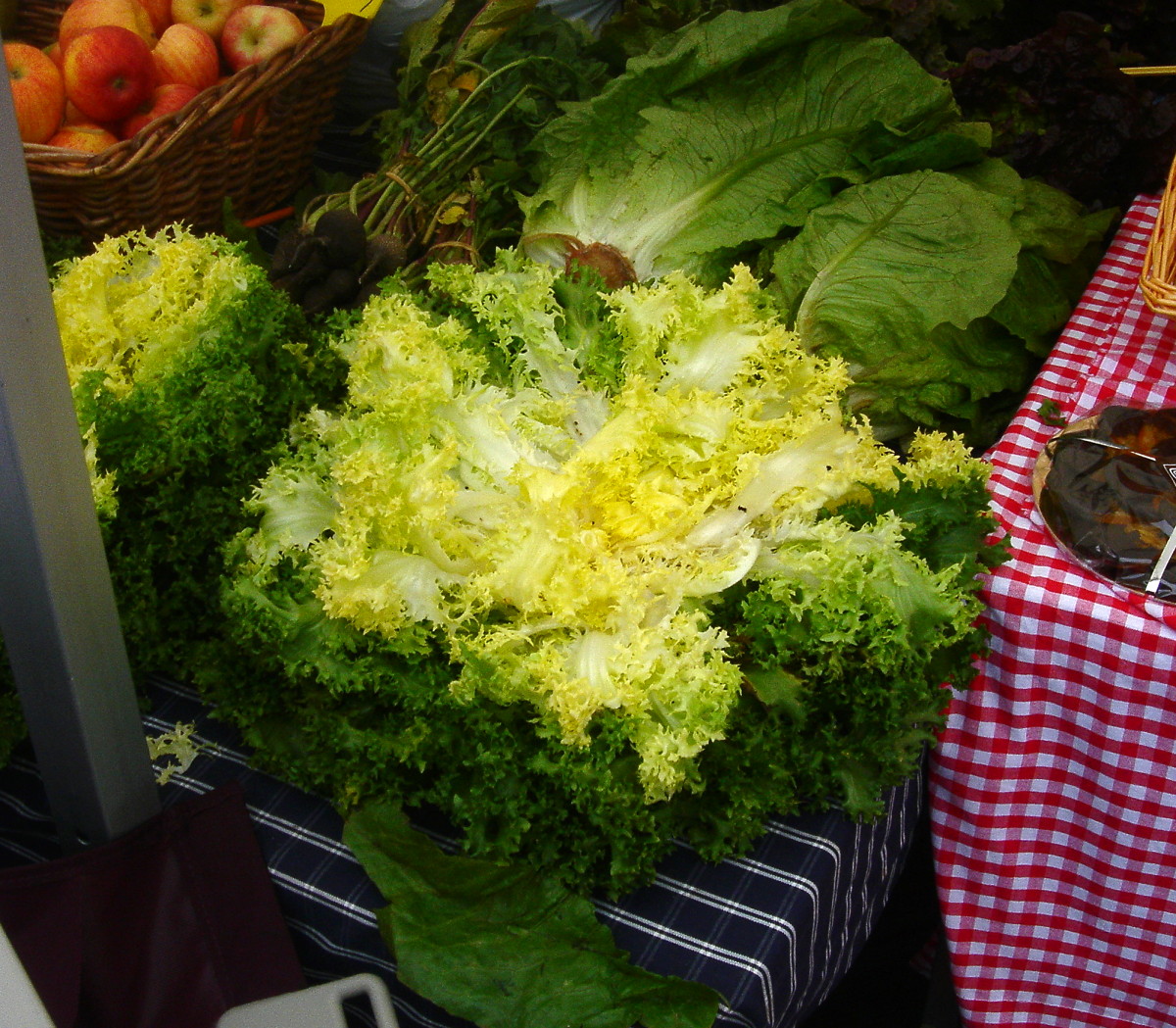
Salad King is curly endive at full size: a big, broad head of deeply frilled, crisp leaves with a pale, tender heart and the pleasant bitterness that makes endive a salad green rather than a lettuce. It is the endive for a crowd — one head feeds a table, and the frilled leaves hold dressing the way a sponge holds water, which is the whole point of frill.
Endive bitterness comes from sesquiterpene lactones, bitter compounds that are also part of why chicory has been used as a digestive bitter for centuries. The bitterness is strongest in dark outer leaves and mildest in the pale heart, which is why blanching — tying outer leaves over the center — sweetens the heart: darkness stops chlorophyll production and softens the bitter edge without removing the character.
Florida translation: Salad King is a fall-through-spring chicory here, and the fall crop is usually the best, because cool nights mellow bitterness and firm the hearts. Plant it in fall, space for airflow in humid beds, and blanch hearts for a week or two before cutting if you want the mildest leaves — or skip blanching and let the bitterness do its job against rich dressings and fatty meats.
How to grow
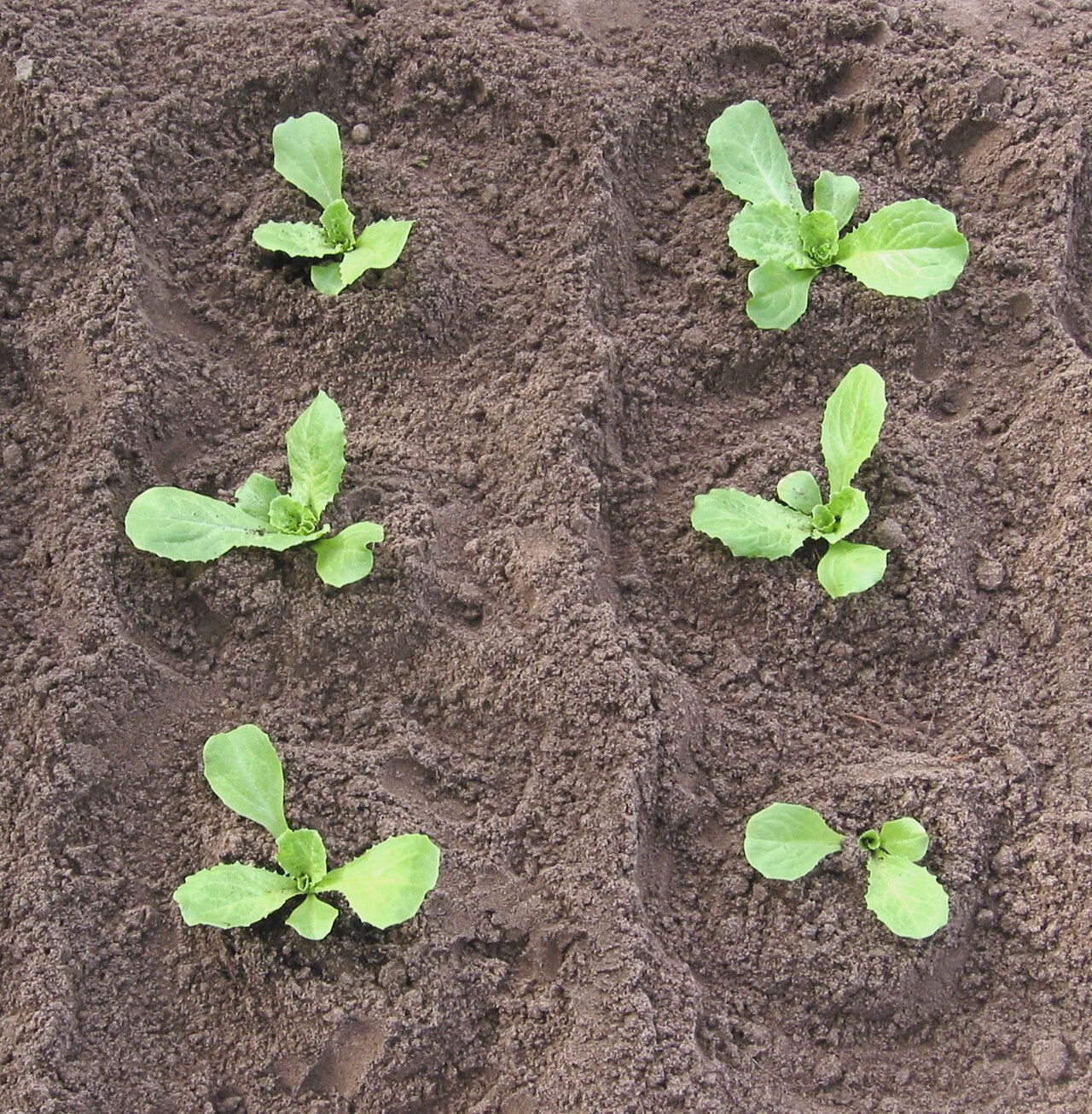
Sow Salad King Endive directly or transplant, spacing as listed in the hero block. Endive and escarole are cool-season chicories: in Florida, the sowing window is fall through early spring, with the fall crop usually the sweetest, because cool nights mellow bitterness and frost firms the hearts.
For the mildest hearts, tie outer leaves up over the center for a week or two before harvest — blanching sweetens chicory the way darkness sweetens a secret. Keep beds weed-free and watered; chicory roots run deep, so a deep watering once a week beats daily sprinkles.
Water & feeding
Chicory wants steady, deep moisture: about an inch a week, delivered at the base, plus mulch to keep roots cool. Uneven watering makes bitter, tough leaves; even watering makes crisp, sweet hearts. Feed lightly — worm castings at planting and one side-dress mid-season. Too much nitrogen grows lush outer leaves and a loose, bitter heart.
Common problems
Slugs love low chicory rosettes in damp weather — trap, hand-pick at dusk, and keep mulch pulled back from crowns. Aphids cluster in hearts; blast with water before harvest. Downy mildew shows in humid spells — space for airflow, water at the soil line, and remove affected outer leaves promptly.
Bitterness is the honest trade of chicory: heat, drought, and over-maturity all sharpen it. Pick in cool weather, blanch hearts where the variety calls for it, and pair bitter leaves with fat, acid, and salt in the kitchen — that is what the bitterness is for.
Harvest
Cut Salad King Endive whole at the base when heads feel full and firm, or pick outer leaves over weeks for a longer, smaller harvest. For the mildest hearts, blanch by tying outer leaves up over the center for a week or two before cutting — the pale inner leaves are the prize. Refrigerate promptly; chicory keeps about a week, and its crunch is the point, so do not let it wilt.
Nerdy fact: Salad King’s frills are a dressing-delivery system: every curl is a tiny cup, which is why endive salads need less dressing than flat-leaf salads — the leaf does the work of holding it, instead of letting it pool at the bottom of the bowl.
Saving seeds
Salad King is curly endive at full size: a big, broad head of deeply frilled, crisp leaves with a pale, tender heart and the pleasant bitterness that makes endive a salad green rather than a lettuce. It is the endive for a crowd — one head feeds a table, and the frilled leaves hold dressing the way a sponge holds water, which is the whole point of frill. As an open-pollinated endive it comes true from seed: sow Salad King directly or transplant, spacing as listed in the hero block. Endive and escarole are cool-season chicories: in Florida, the sowing window is fall through early spring, with the fall crop usually the sweetest, because cool nights mellow bitterness and frost firms the hearts. For the mildest hearts, tie outer leaves up over the center for a week or two before harvest. The full method is in the Saving seeds section of the Endive guide.