
🥬 Blond Full Heart Escarole: Growing Guide
What it looks like

Why this variety
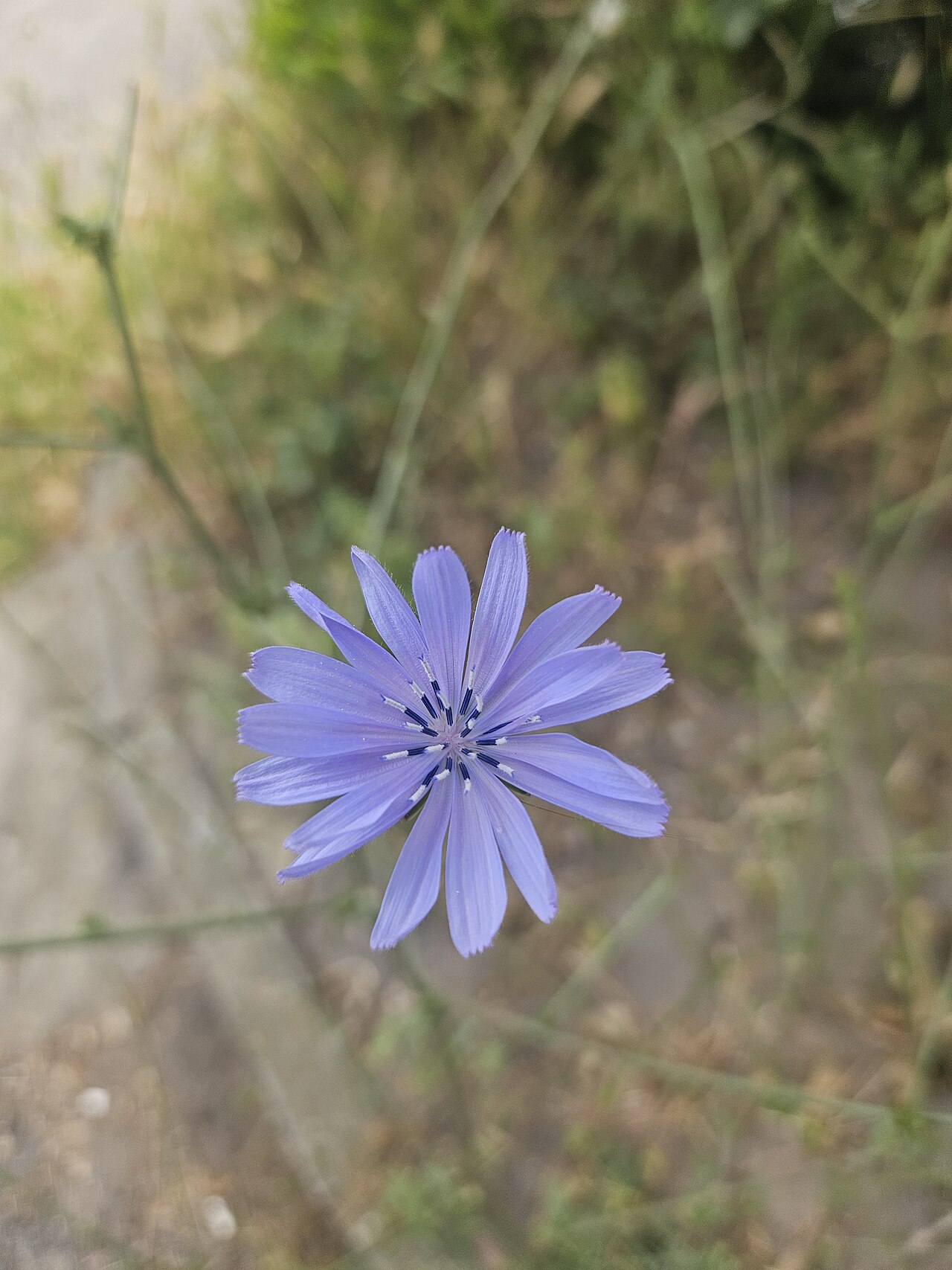
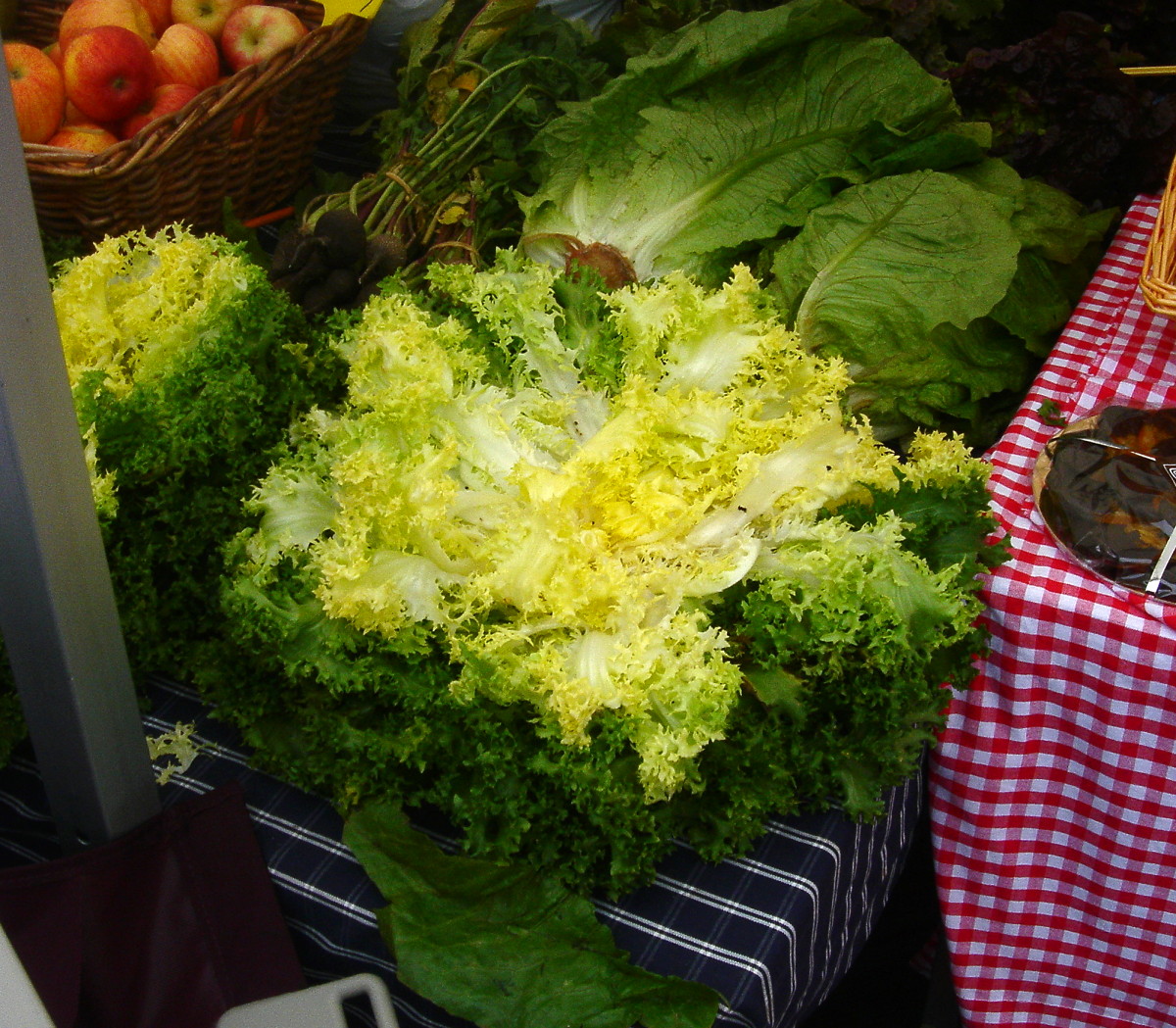
Blond Full Heart is the productive European escarole: generous rosettes with a yellow heart, naturally self-blanching leaves, and a reputation for bolting later than many escaroles — which in a warm climate is the trait that turns a good escarole into a reliable one. It is a summer-to-autumn type in cool climates and a fall-through-spring type in Florida, which is a useful translation to keep in mind.
Self-blanching is escarole’s clever trick: as the rosette grows, outer leaves shade the center, so the heart stays pale, tender, and mild without tying. Blond Full Heart leans into that habit more than most, which means less work for the gardener and a milder heart for the cook — the plant’s architecture doing the job that string used to do.
Florida translation: Blond Full Heart’s bolt resistance is genuinely useful in Florida’s spring, when lengthening days push chicories to flower. Plant it in fall for the main crop, give it rich, moist soil and room to form a full rosette, and harvest whole heads when hearts feel dense — or cut outer leaves first and let the yellow heart finish in its own time.
How to grow
Sow Blond Full Heart Escarole directly or transplant, spacing as listed in the hero block. Endive and escarole are cool-season chicories: in Florida, the sowing window is fall through early spring, with the fall crop usually the sweetest, because cool nights mellow bitterness and frost firms the hearts.
Escarole hearts sweeten as they fold inward; tying outer leaves up for a week before harvest makes the palest, mildest hearts of all. Keep beds weed-free and watered; chicory roots run deep, so a deep watering once a week beats daily sprinkles.
Water & feeding
Chicory wants steady, deep moisture: about an inch a week, delivered at the base, plus mulch to keep roots cool. Uneven watering makes bitter, tough leaves; even watering makes crisp, sweet hearts. Feed lightly — worm castings at planting and one side-dress mid-season. Too much nitrogen grows lush outer leaves and a loose, bitter heart.
Common problems
Slugs love low chicory rosettes in damp weather — trap, hand-pick at dusk, and keep mulch pulled back from crowns. Aphids cluster in hearts; blast with water before harvest. Downy mildew shows in humid spells — space for airflow, water at the soil line, and remove affected outer leaves promptly.
Bitterness is the honest trade of chicory: heat, drought, and over-maturity all sharpen it. Pick in cool weather, blanch hearts where the variety calls for it, and pair bitter leaves with fat, acid, and salt in the kitchen — that is what the bitterness is for.
Harvest
Cut Blond Full Heart Escarole whole at the base when heads feel full and firm, or pick outer leaves over weeks for a longer, smaller harvest. For the mildest hearts, blanch by tying outer leaves up over the center for a week or two before cutting — the pale inner leaves are the prize. Refrigerate promptly; chicory keeps about a week, and its crunch is the point, so do not let it wilt.
Nerdy fact: Blond Full Heart’s yellow heart is not a different vegetable from its green leaves — it is the same leaf, grown in shade, which is why blanched chicory hearts taste milder: less chlorophyll, less bitterness, more tenderness, all from a lack of light.
Saving seeds
Blond Full Heart is a productive European escarole, so it comes true from seed — save seed from your best rosettes, and keep it away from other chicories to avoid crossing. The full method is in the Saving seeds section of the Endive guide.