
🥬 Broad Leaved Batavian Endive
What it looks like

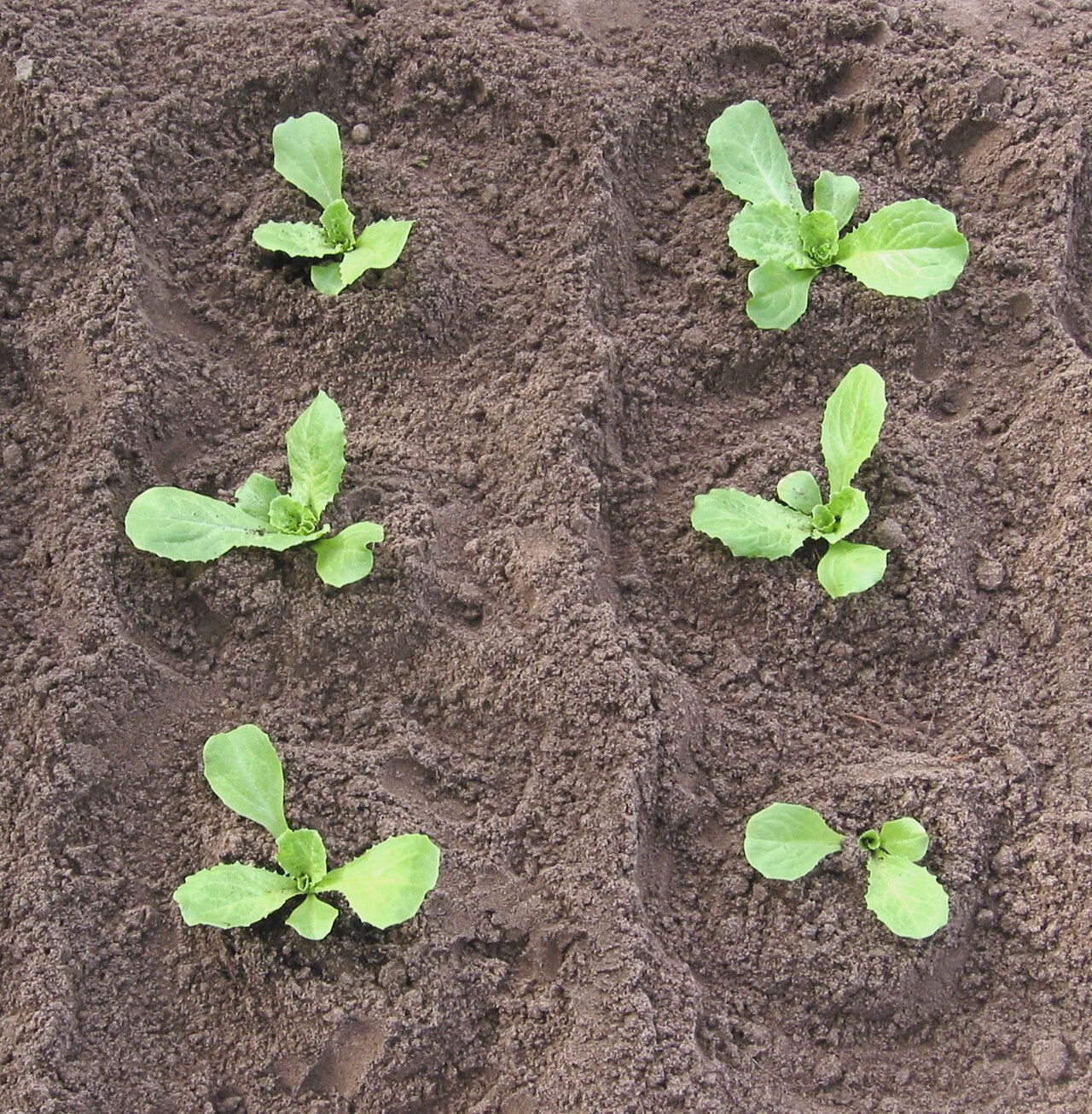
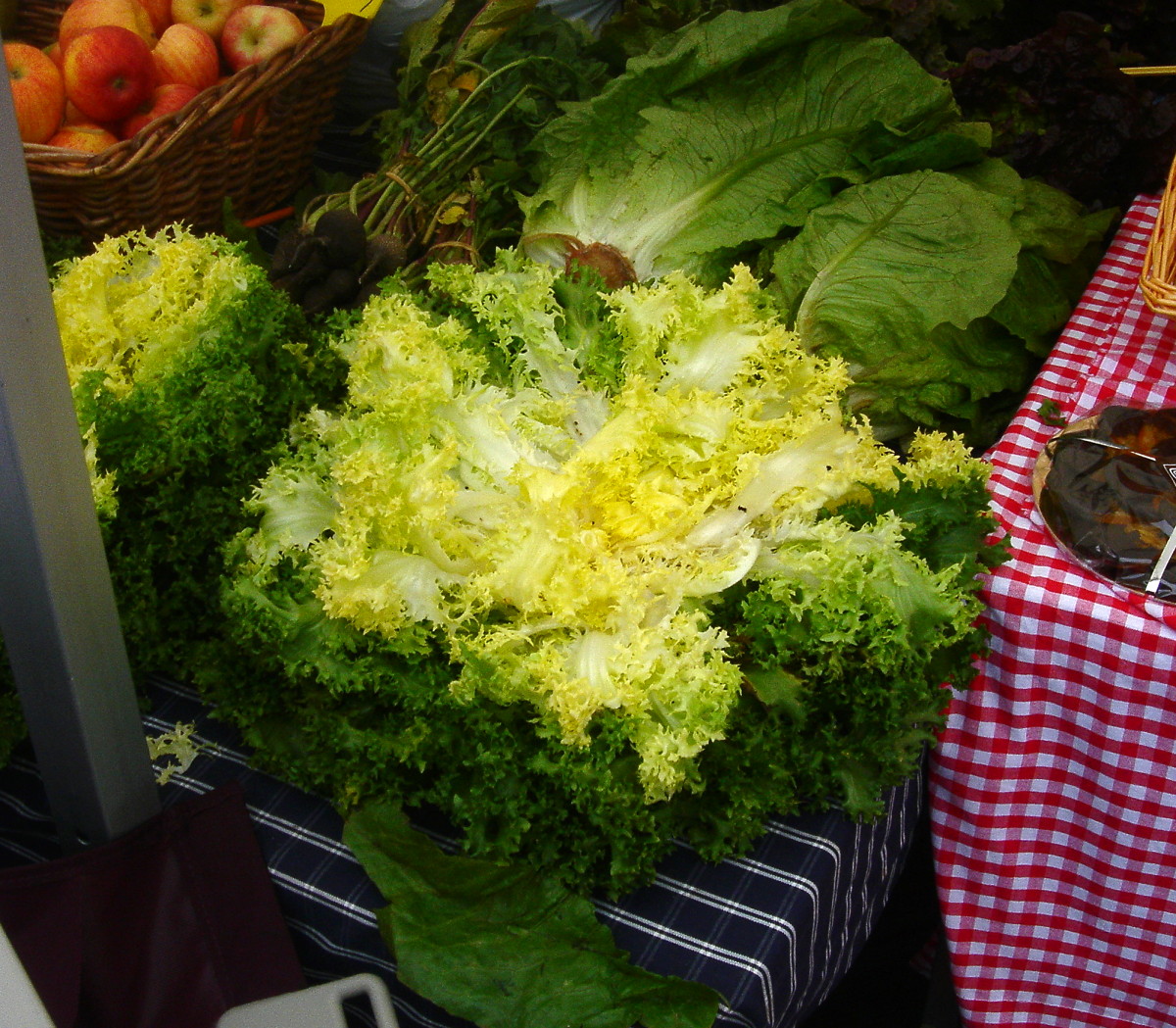
Why this variety
Broad Leaved Batavian is the escarole side of the endive family: broad, smooth, slightly cupped leaves instead of frills, and a flavor that is milder and sweeter than the curled types. It is the endive for cooks — the green that goes into Italian wedding soup, wilted with beans and garlic, or braised until it collapses into silk — and it is far more forgiving of heat than its frilly cousins.
Broad leaves also mean a bigger, sturdier head that holds up to cooking without dissolving, and a plant that tolerates a warm spell better than curled endive. If your household eats greens cooked more often than raw, Batavian is the endive to plant first and the one you will plant again.
If you are new to choosing between cultivars, the Varieties Matter guide explains why the name after the plant matters as much as the plant itself. And if you want the whole clan at a glance, the broader Endive guide covers endive generally.
How to grow
In Florida, endive is a cool-season green, full stop: sow it in fall so the heads form in mild weather, and it will reward you with crisp, pleasantly bitter leaves. A spring sowing that bolts in a warm snap is the plant telling you it wanted October, not March. Blanching the heart — tying the outer leaves or covering the plant for a week or two before harvest — tames the bitterness and turns the center pale and tender.
Sow directly or transplant 12 inches apart in rich, moist soil. Batavian tolerates warmer weather than curled endive, but it still does its best work in cool months — sow in fall for the biggest heads. Blanching is optional; the inner leaves are naturally pale and mild.
Water & feeding
Endive wants rich, moist soil and steady water from sowing to harvest; a dry spell turns the leaves from pleasantly bitter to punishingly bitter. Mulch to keep the roots cool, water deeply, and feed with compost at planting and again halfway to harvest.
Common problems
Slugs like the broad, low leaves, and cabbage loopers may visit; row cover over young plants solves most of it. Bolting is less of a threat than with curled types, but a long hot spell will still push it to flower — harvest before the center stalk elongates.
Harvest
Cut the whole head at the base when it is full and firm, or harvest outer leaves and let the center keep growing. For soup, use the whole head including the slightly bitter outer leaves — cooking tames them, and the bitterness is what makes the soup interesting.
Nerdy fact: Escarole’s broad leaves are the reason it survives cooking: where a frilly leaf would shred, a Batavian leaf wilts into a silky ribbon — which is why Italian cooks have trusted it in soup for centuries.
Saving seeds
Broad Leaved Batavian is a traditional endive type, so it comes true from seed — save seed from your best plants and keep it away from other endives to avoid crossing. The full method is in the Saving seeds section of the Endive guide.