
🌼 Ruby Spice Summersweet
What it looks like
Why this variety
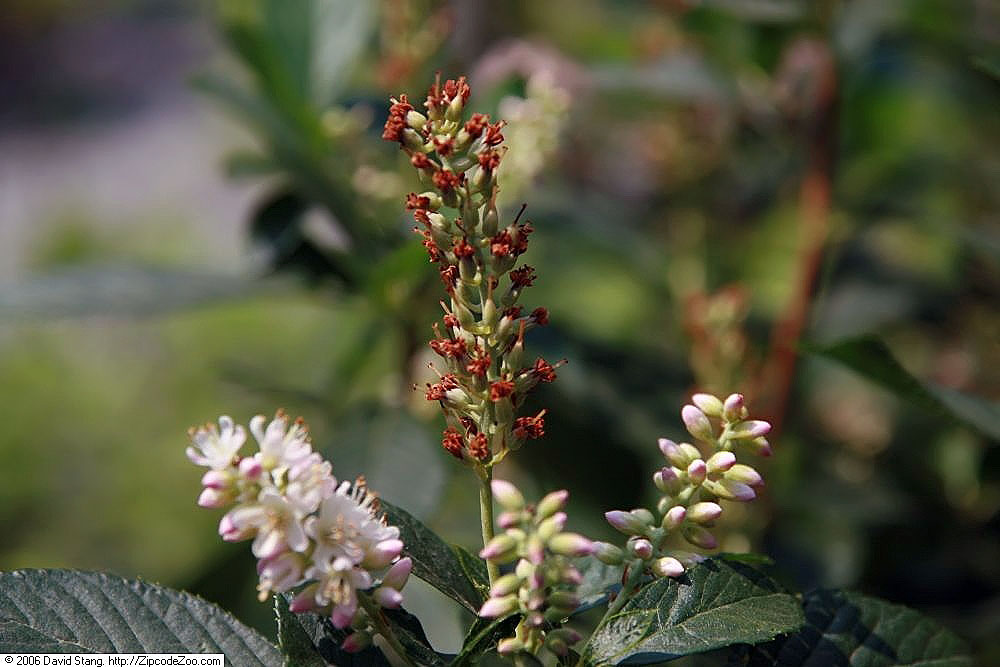
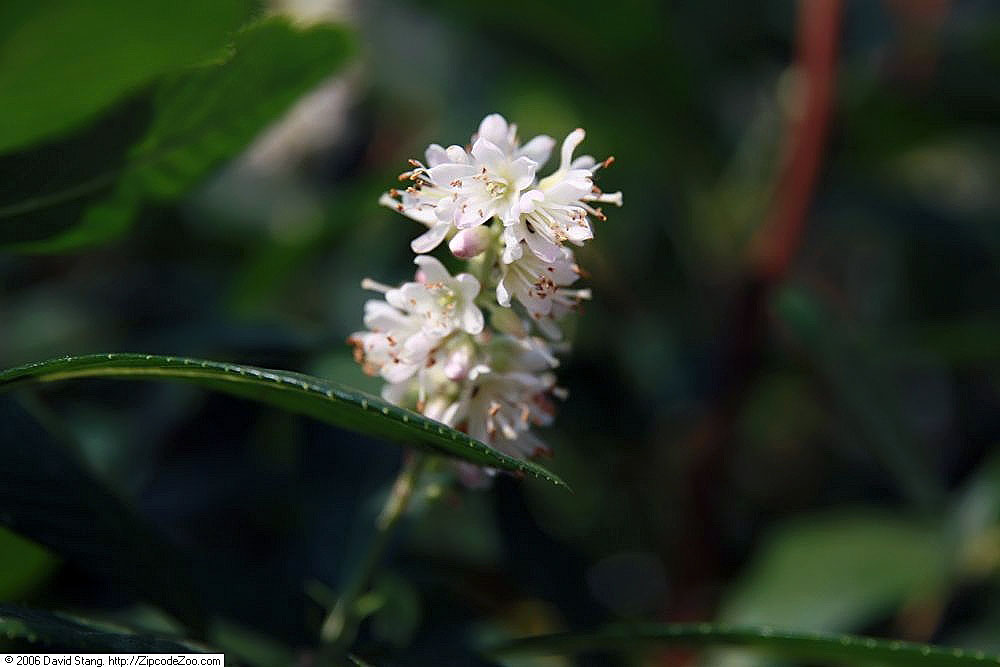
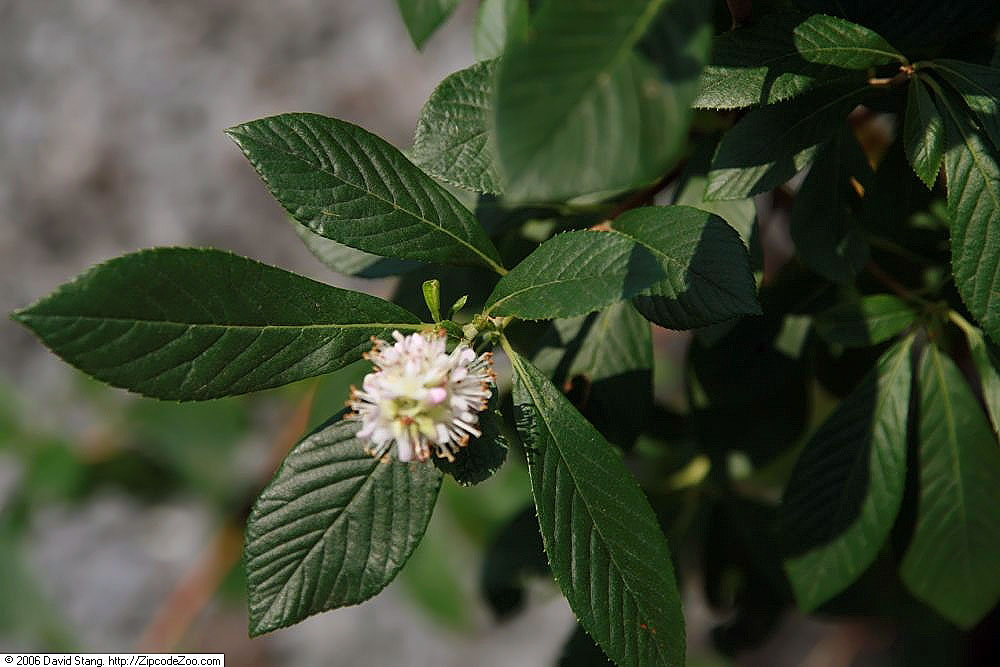
Ruby Spice is the pink summersweet: deep rose-pink bottlebrush spikes in July and August, intensely fragrant like the species, on a 4–6 foot shrub with dark green foliage that turns yellow in fall. It is the summersweet for a garden that wants colour, not just perfume — the pink spikes stand out against green foliage in a way white flowers do not, and they draw the same crowd of hummingbirds, butterflies and bees.
In Florida, Ruby Spice suits the north and central peninsula in sun to part shade, in moist, acidic soil, and it tolerates wet ground like the species — a low spot, a swale edge, a rain garden. Its pink colour holds best in sun, so give it morning sun and afternoon shade rather than deep shade, where the pink fades and the bloom thins.
How to grow
Summersweet, also called sweet pepperbush, is the native shrub that perfumes July: bottlebrush spikes of white or pink flowers, intensely fragrant, on a 4–8 foot shrub that actually likes wet ground — one of the few flowering shrubs that will not drown in a rainy Florida summer. Plant in spring or fall in sun to part shade in rich, moist, acidic soil, and do not be alarmed if it suckers: summersweet spreads slowly into a colony, which is a feature in a naturalised bed and a chore in a formal one, so site it where a gentle colony is welcome. It blooms on new wood, so prune in late winter without fear. In Florida it is a plant-it-and-enjoy-it native, and the fragrance carries across a yard on a still summer evening.
Water & feeding
Water deeply through establishment, then in dry spells; summersweet tolerates wet feet better than most shrubs and blooms best with steady moisture. Mulch to hold moisture and acidity. Feed lightly in spring with an acid-loving fertiliser.
Common problems
Few serious pests. Leaf spot may freckle leaves in wet years but rarely needs treatment. Scale and mites appear on stressed plants. The real management job is the suckering habit: pull suckers where you do not want them, and enjoy them where you do.
Harvest
No fruit harvest — the crop is the perfume, the pink and the pollinators. Prune in late winter, since it blooms on new wood, and pull suckers where a colony is not wanted. The pink spikes cut well for arrangements, though cutting them costs you the fragrance in the garden, which is a trade worth thinking about before you snip.
Nerdy fact: Pink flowers are pink because of anthocyanins — the same pigments that colour autumn leaves and red wine — and summersweet’s pink is a dose of the same chemistry, deployed in July instead of October. Ruby Spice is autumn colour, arriving three months early.
Saving seeds
Ruby Spice is the pink summersweet: deep rose-pink bottlebrush spikes in July and August, intensely fragrant like the species, on a 4–6 foot shrub with dark green foliage that turns yellow in fall. It is the summersweet for a garden that wants colour, not just perfume — the pink spikes stand out against green foliage in a way white flowers do not, and they draw the same crowd of hummingbirds, butterflies and bees. As a named summersweet it is kept true by cuttings, not by seed — seedlings would not hold the deep rose-pink spikes or the compact habit. Plant in spring or fall in sun to part shade in rich, moist, acidic soil, and do not be alarmed if it suckers: summersweet spreads slowly into a colony, which is a feature in a naturalised bed and a chore in a formal one, so site it where a gentle colony is welcome. The full method is in the Saving seeds section of the Summersweet guide.