
🌿 Centennial Hops
What it looks like
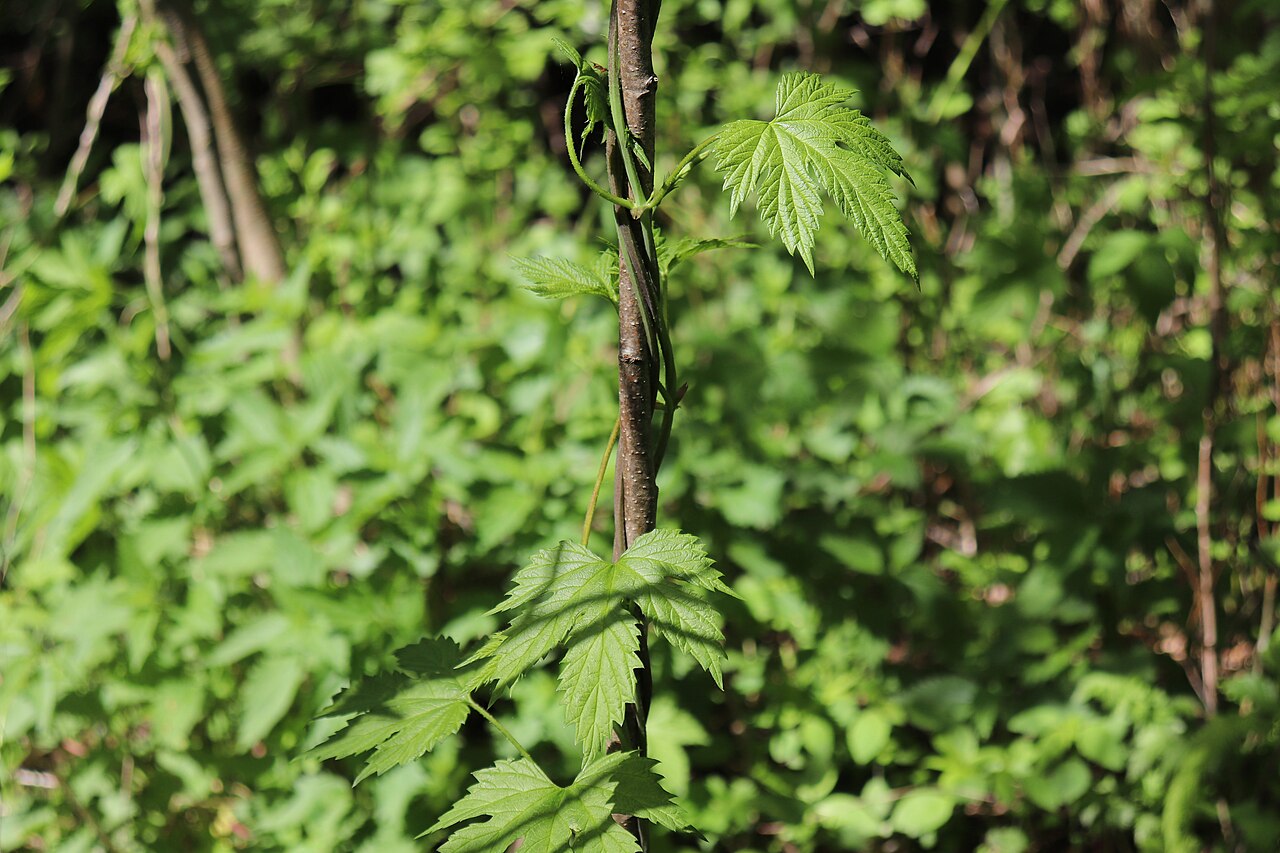
Why this variety
Centennial was bred in Washington and released in 1990 as a supercharged Cascade: similar citrus and floral aroma, but with higher alpha acids and a more assertive bitterness, which made it a favorite of brewers who wanted Cascade character with more punch. Home growers love it for the same reason — a cone that does double duty as aroma and bittering hop.
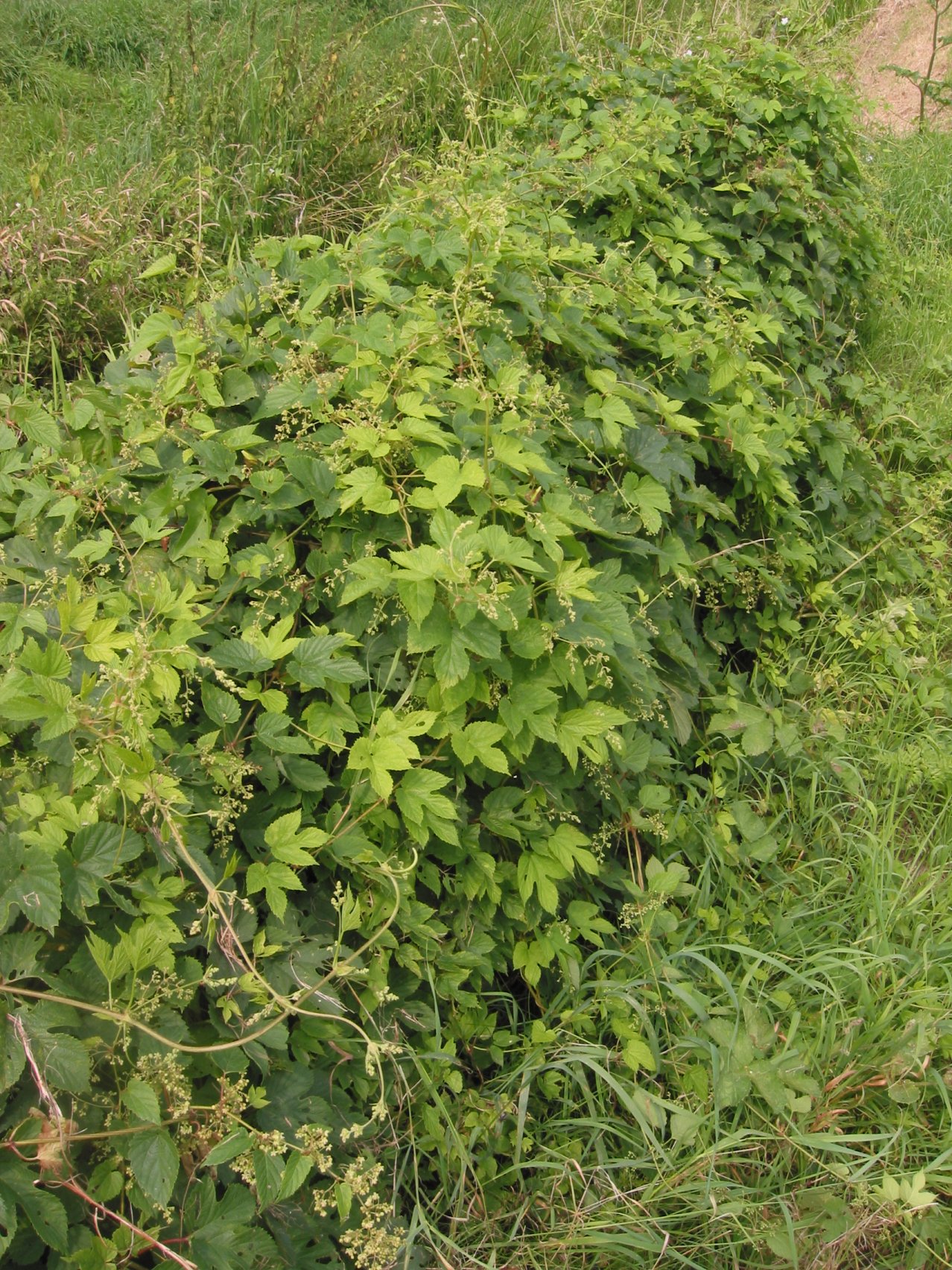
Centennial is also a notably productive and vigorous bine, often out-yielding Cascade in the same yard. That vigor comes with the same demand: a tall, strong trellis, deep water, and rich soil. A Centennial bine given room and food will bury a fence in green by midsummer and reward you with armloads of cones in late summer.
If you are new to choosing between cultivars, the Varieties Matter guide explains why the name after the plant matters as much as the plant itself. And if you want the whole clan at a glance, the broader Hops guide covers hops generally.
How to grow
In Florida, hops are an honest experiment, not a sure thing: the plant wants long summer days and a cold winter rest, and the state offers neither in abundance. Northern gardeners with a tall trellis and afternoon shade have the best shot, and even then, treat the first seasons as a trial. The vine itself is vigorous and handsome, so a failed cone harvest still leaves you with a spectacular green screen.
Culture is the same as for other hops: named female rhizomes planted in spring, 2–3 bines trained per string, deep water, compost through the season, and a trellis built like it means it. Cut back all but the strongest bines in spring — a hop allowed to send up twenty shoots produces twenty weak shoots instead of three strong ones.
Water & feeding
Hops are thirsty once they are running — a vine growing inches a day is moving a lot of water. Water deeply, mulch the root zone, and feed with compost through the season. Good airflow on the trellis matters more than any spray for keeping mildew at bay in humid air.
Common problems
Mildews are the main threat in humid air; airflow and morning sun are your best defenses. Spider mites trouble hot, dry plants. Aphids can colonize young shoots in spring but rarely hurt an established bine — a strong jet of water handles them.
Harvest
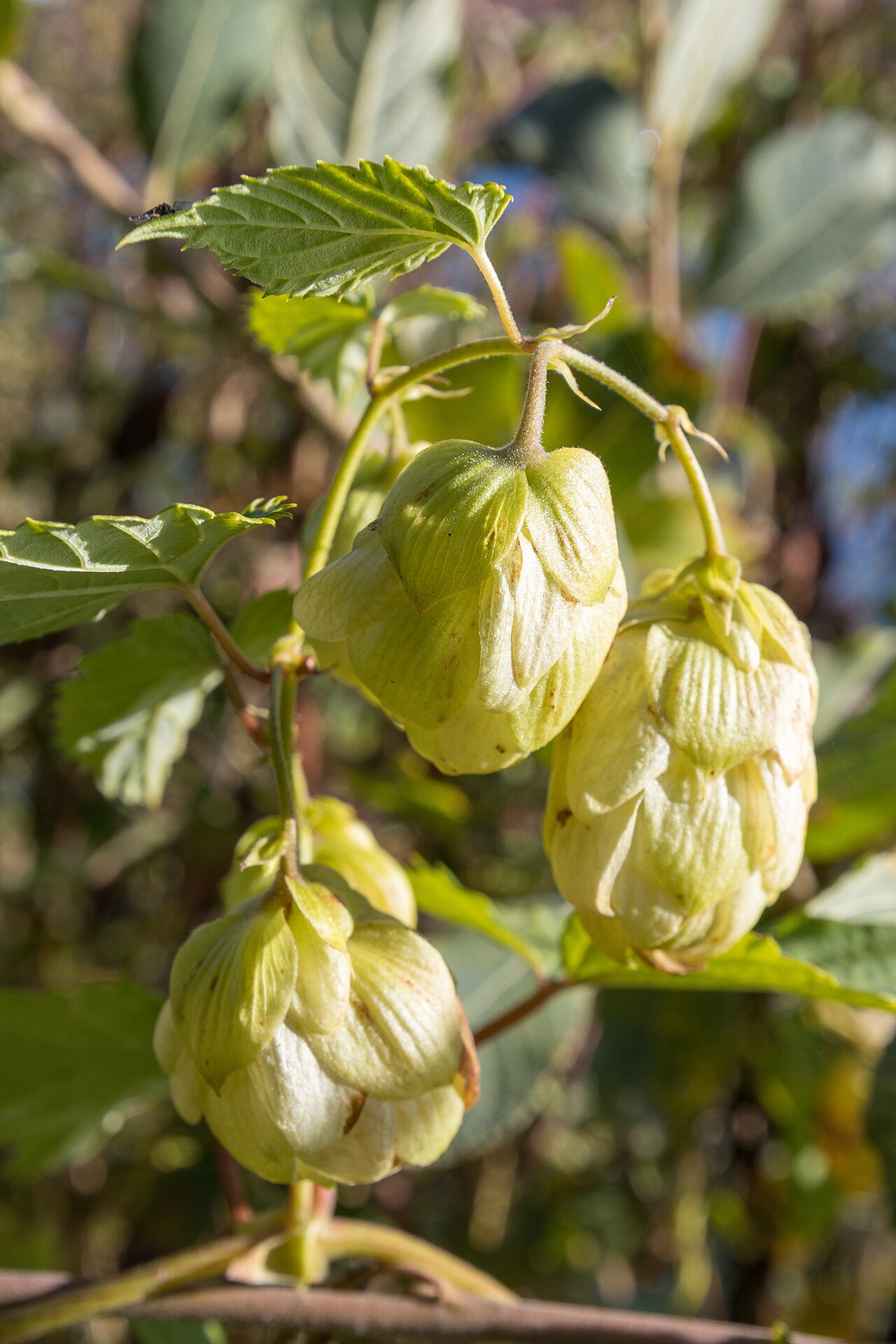
Pick cones when they are papery, springy, and aromatic, with golden lupulin visible inside. Dry promptly out of direct sun, and store cool and airtight. Centennial cones are larger and denser than Cascade’s, so they dry a little slower — give them airflow and patience.
Nerdy fact: Centennial was originally released under the breeding code ‘Super Cascade’ before it earned its own name — a rare case of a plant living up to its working title, and a reminder that breeders, like brewers, sometimes know a winner before the label is printed.
Saving seeds
Centennial is a named hop variety, so seed isn’t the way to keep it — buy named female rhizomes instead. The Propagation section of the Hops guide covers how the species is propagated.