
🌿 Minima Creeping Fig
What it looks like
Why this variety
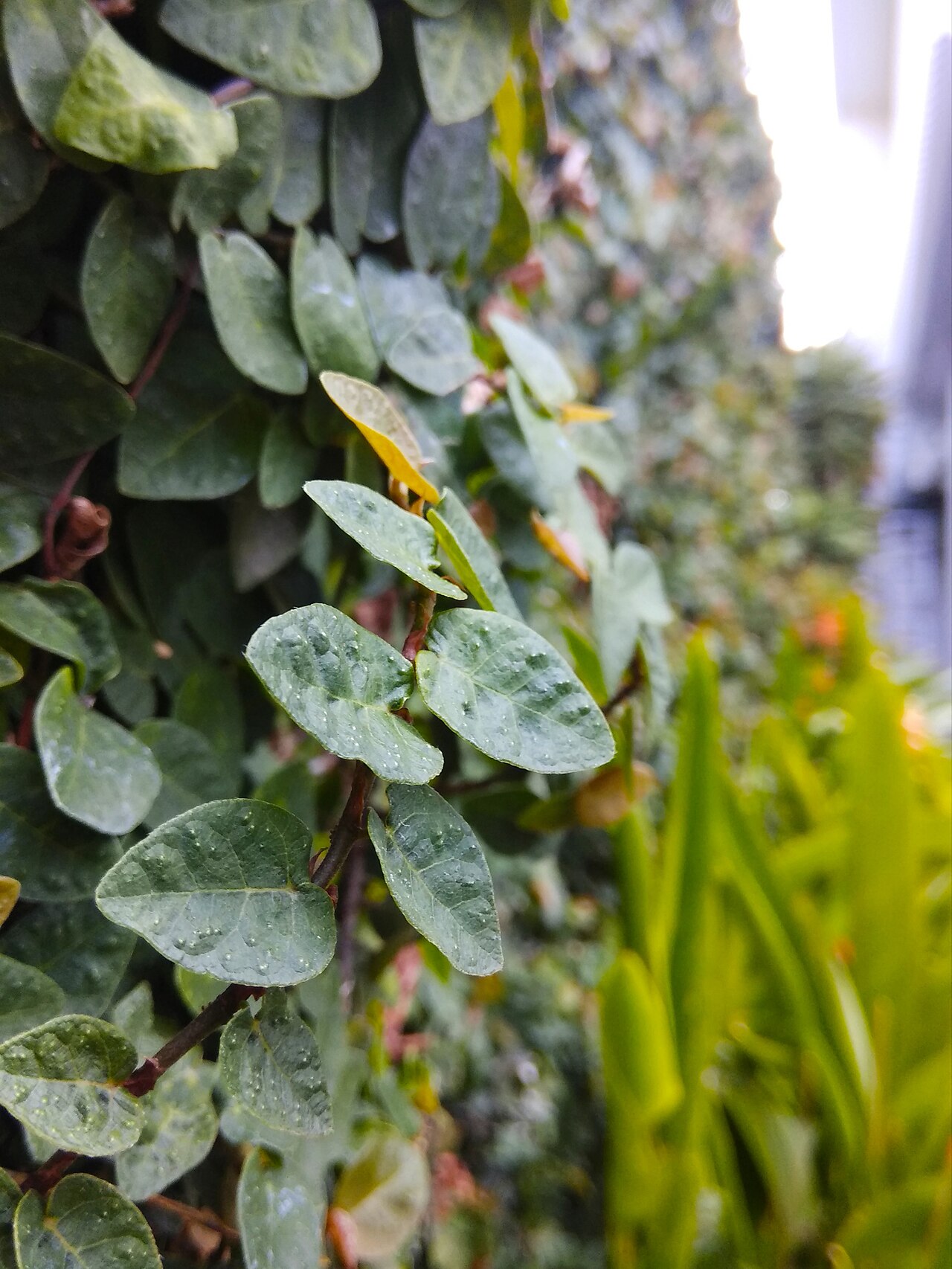
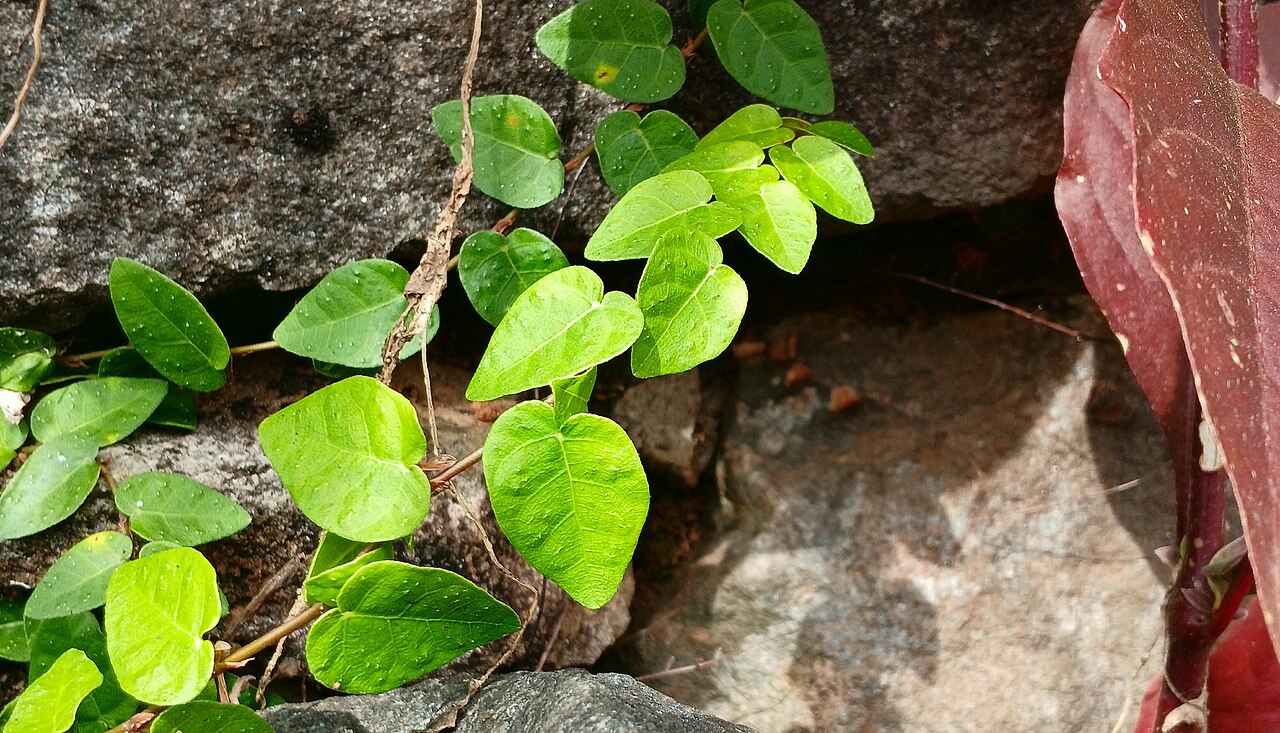
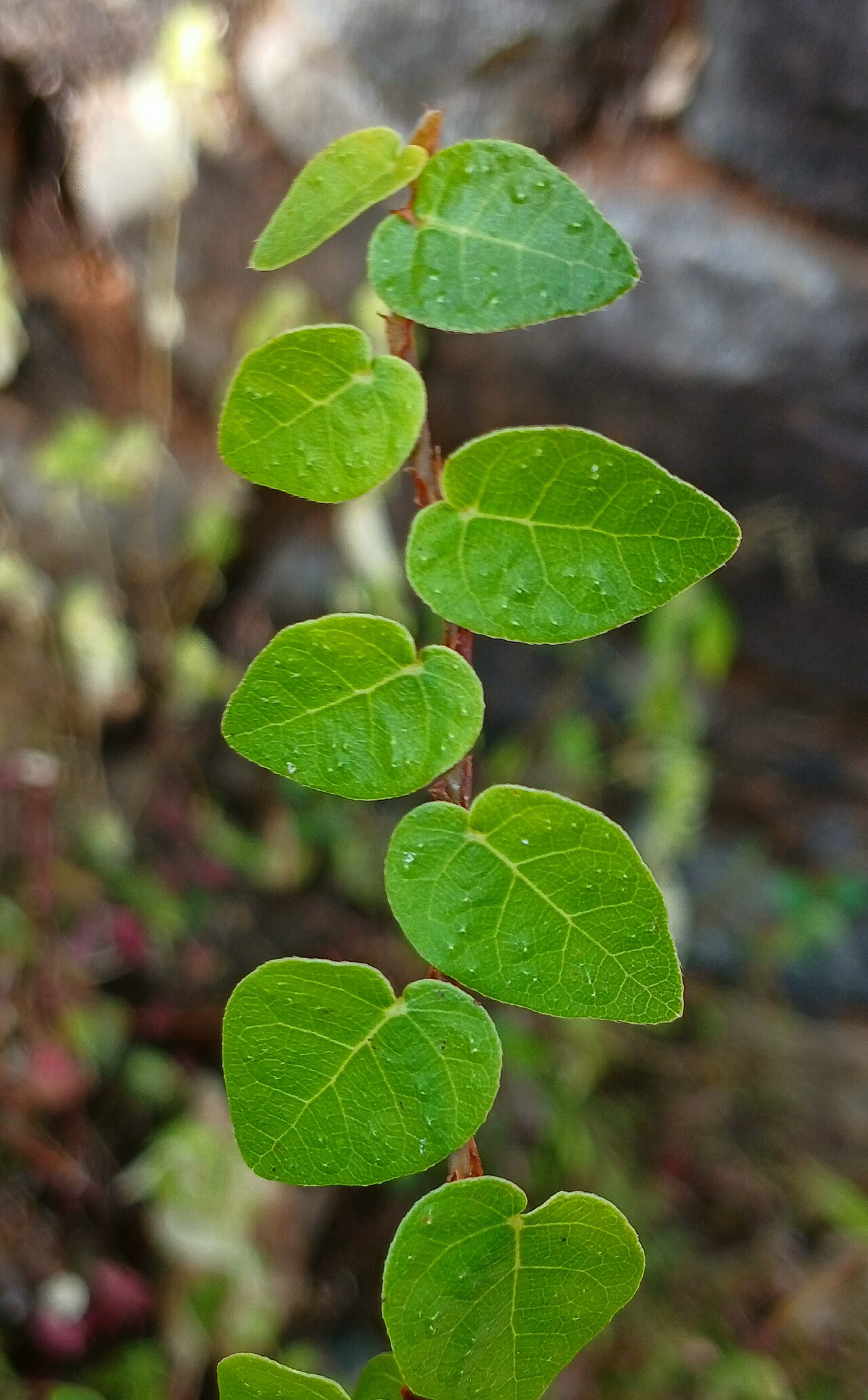
Minima is the creeping fig for small spaces: the same self-clinging, adhesive-rootlet vine as the species, but with leaves half the size or smaller, on a more delicate, slower-growing plant that covers a small wall, a topiary form, or a terrarium without swallowing it. Its tiny leaves give it a fine texture that the species lacks — a Minima wall looks like green velvet, not like a leafy blanket — and it is the creeping fig to plant where the species would be too coarse and too vigorous.
The trade-off is vigor and cold: Minima grows more slowly than the species, so covering a large wall takes years, and it is more cold-sensitive, dying back in freezes that the species shrugs off. Give it a sheltered wall or a container, moist well-drained soil, and protection from hard frost, and it will be the most refined creeping fig you can grow. Do not plant it on a wall you plan to repaint — its adhesive rootlets cling permanently, and removal damages paint and soft mortar.
If you are new to choosing between cultivars, the Varieties Matter guide explains why the name after the plant matters as much as the plant itself. Minima is a perfect example: it is not just a creeping fig in the abstract, it is a creeping fig with a specific job, a specific history, and specific strengths.
Florida honesty: creeping fig grows statewide in Florida, and that vigor is the warning — in frost-free gardens it climbs fast, fruits, and can escape into natural areas, so plant it with containment in mind: prune it off trees, gutters, and neighboring plants, and do not let it fruit freely. Minima’s slower growth makes it the most manageable Florida choice, but ‘manageable’ still means annual pruning. In North Florida, expect dieback in a hard freeze with spring regrowth.
How to grow
Plant in spring in part shade and moist, well-drained soil, against a wall or in a container — creeping fig clings by adhesive rootlets, so give it a surface you do not plan to repaint, or grow it in a pot where it can trail. Work worm castings into the planting hole or potting mix, water steadily until established, and prune annually to keep it off gutters, roofs, windows, and trees. In cold winters it dies back; cut out dead growth in spring.
Set plants one plant per wall or container in soil with a pH around 6.0-7.5. Work worm castings into the bed at planting and mulch to hold moisture. A well-fed creeping fig plant rewards that care directly: steadier growth, better bloom, and a show that actually shows up.
Water & feeding
Keep soil evenly moist but never waterlogged — creeping fig wants steady moisture while it covers, and it wilts fast in a dry container. Water at the soil line, mulch or top-dress lightly, and feed lightly: castings at planting plus a balanced liquid feed in the growing season for containers. A vine that dries out drops leaves; a vine that stands in water rots.
Common problems
- Damage to paint and soft mortar — adhesive rootlets stick permanently; do not plant on walls you plan to repaint.
- Vigorous escape in frost-free gardens — prune annually to keep it off trees, gutters, and roofs; do not let it fruit freely near natural areas.
- Freeze dieback at the cold edge — cut out dead growth in spring; established vines regrow from the base.
- Scorch of variegated leaves in hot sun — Variegata needs part shade; sun scorches its cream margins.
- Reverted green shoots on variegated forms — prune reversions out promptly, or green growth takes over.
Harvest
There is no flower harvest — creeping fig’s flowers are inconspicuous and its fruit is ornamental for birds, not for people. The real seasonal work is pruning: cut back annually to keep it off gutters, roofs, windows, and trees, remove reverted green shoots from variegated forms, and remove any growth heading for a painted surface you care about. A well-pruned creeping fig is a wall covering; an unpruned one is a takeover.
Browse all plant & pest guides
Saving seeds
Minima is the creeping fig for small spaces: the same self-clinging, adhesive-rootlet vine as the species, but with leaves half the size or smaller, on a more delicate, slower-growing plant that covers a small wall, a topiary form, or a terrarium without swallowing it. Its tiny leaves give it a fine texture that the species lacks — a Minima wall looks like green velvet, not like a leafy blanket. As a named cultivar it is kept true by cuttings, not by seed. Plant in spring in part shade and moist, well-drained soil, against a wall or in a container, and prune annually to keep it off gutters, roofs, windows, and trees. The full method is in the Propagation section of the Creeping Fig guide.