
🔴 Berry Heavy Winterberry
What it looks like
Why this variety
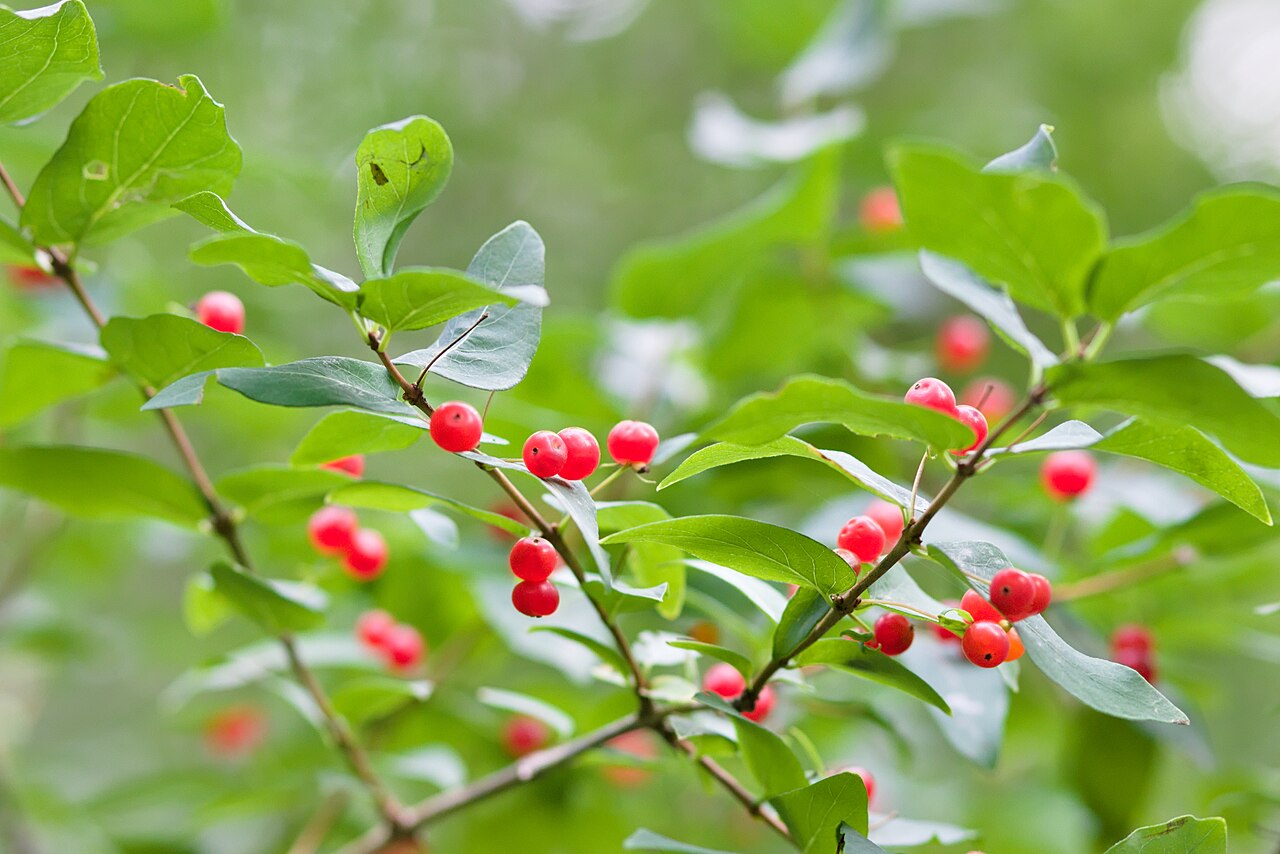
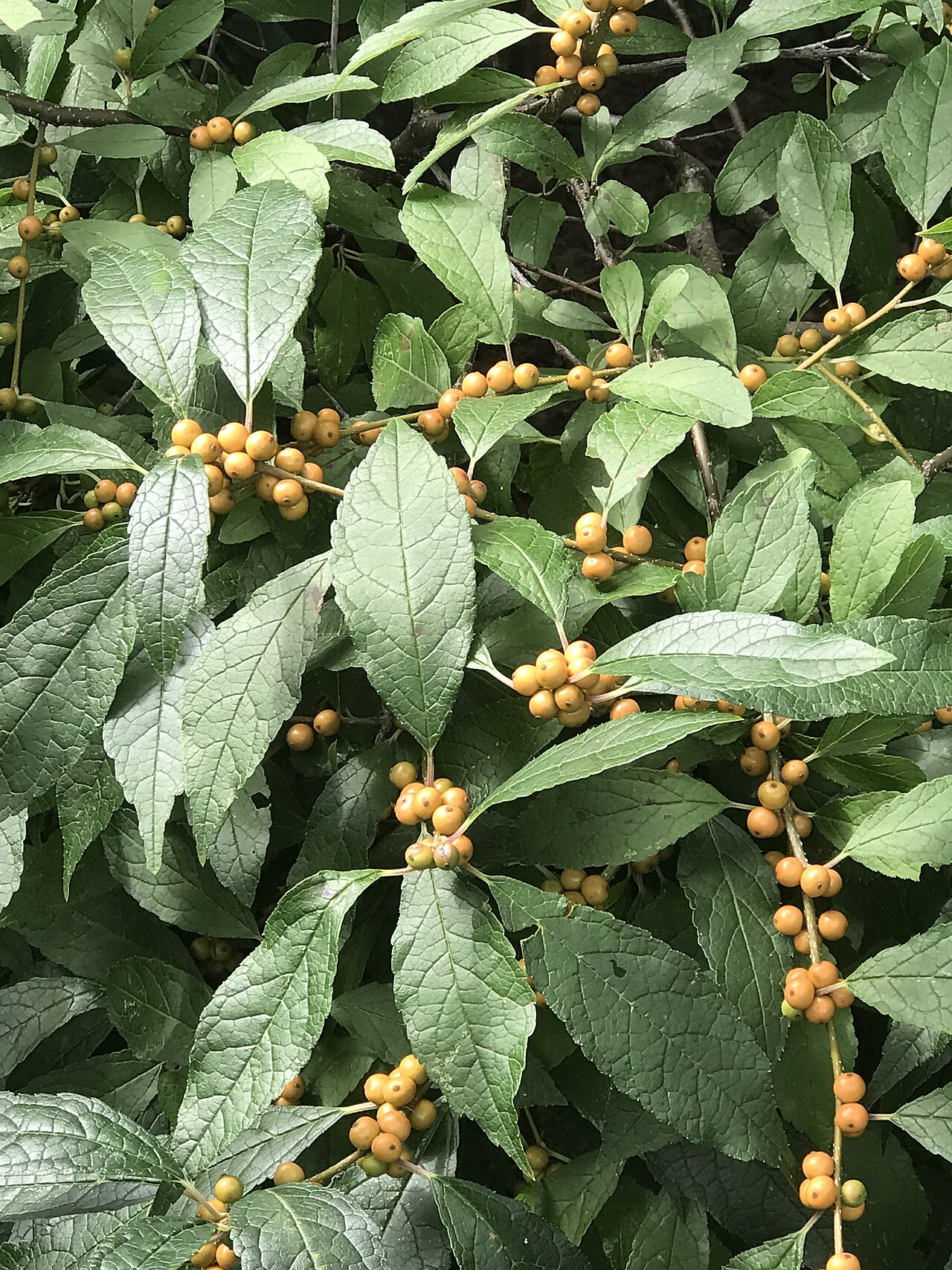
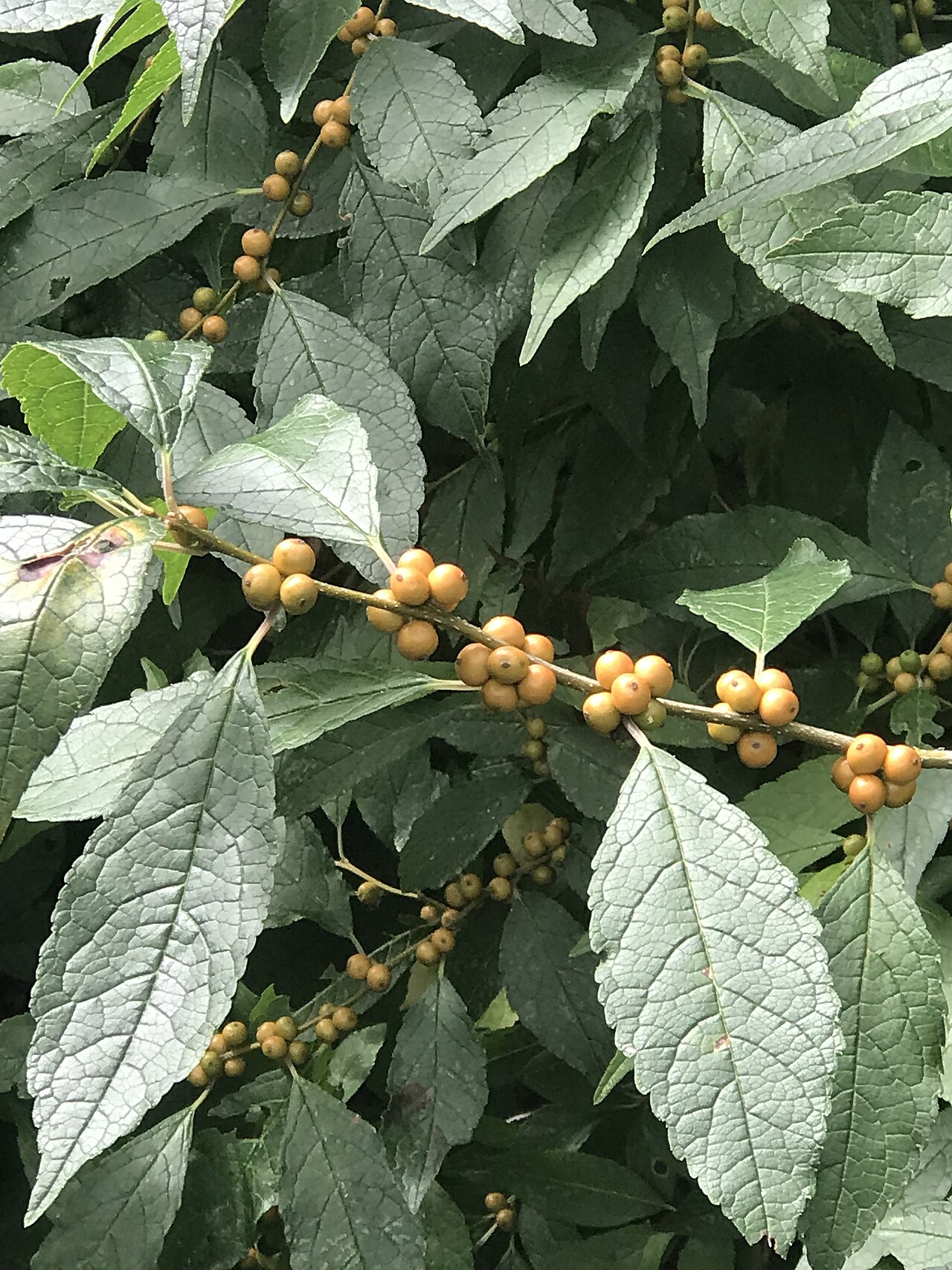
Berry Heavy is the winterberry for sheer abundance: a female selection bred for fruit load, 6–8 feet tall and wide, whose branches in fall and winter carry so many bright red berries that they arch under the weight — the shrub looks like it is bowing under its own success. It is the winterberry for a cutting garden, a naturalised bed, or a bird garden where abundance is the point, and its berries persist well into winter unless the birds strip them, which, given the load, takes them a while.
In Florida, Berry Heavy is a north-Florida trial, with the same demands as its cousins: moist, acidic soil, sun to part shade, and a male pollinator nearby matched to its bloom time — Berry Heavy blooms mid-season, so a mid-season male is the match, not an early or late one. Give it steady moisture, since a dry summer thins the fruit set, and plant it where the loaded branches will be seen from inside in winter.
How to grow
Winterberry is a deciduous holly, which is the whole trick: in fall it drops its leaves and reveals branches studded with bright red berries that persist into winter, feeding birds and decorating a bare garden like nothing else. Plant in fall or spring in sun to part shade in rich, moist, acidic soil — winterberry tolerates wet ground that would drown other shrubs, and actually fruits best with steady moisture. And plant the pollination correctly, because this is the detail that ruins winterberry plantings: winterberry is dioecious, so female plants fruit only if a male plant blooms nearby — one male, such as ‘Jim Dandy’ or ‘Southern Gentleman’, pollinates several females within about 50 feet, and a lone female with no male nearby will flower beautifully and fruit not at all. Florida honesty: this is a zone 3–9 shrub that wants a winter chill for the heaviest fruit set, so plant it only in the north, with afternoon shade if the site is brutal, and treat a thin berry year as a climate note.
Water & feeding
Water deeply and consistently; winterberry loves moisture and fruits best with it — do not let it dry out in summer. Mulch thickly to hold moisture and acidity. Feed lightly in spring with an acid-loving fertiliser.
Common problems
Few serious pests. Leaf spot may freckle leaves in wet years but rarely matters. The commonest problem is not a pest at all: no berries, because there is no male nearby, or because the male blooms at a different time than the female — match early males with early females and late with late. Chlorosis in alkaline soil is a siting verdict.
Harvest
The harvest is cut branches in abundance: Berry Heavy’s loaded stems are the best in the family for large arrangements and wreaths, cut in late fall and winter after leaf drop, sparingly, leaving plenty for birds. The berries are mildly toxic to people — vase, not salad — and the arching, loaded branches are the arrangement’s structure as well as its colour.
Nerdy fact: A winterberry branch loaded with berries is heavy because each berry is mostly water and sugar — the shrub invests its autumn energy in bird food, betting that birds will carry its seeds farther than any wind could. Berry Heavy is that bet, placed at maximum size.
Saving seeds
Berry Heavy is a female selection, so seed saved from it won’t come true — buy a nursery shrub instead. The Saving seeds section of the Winterberry guide covers seed for the straight species.