
❄️ Winterberry
What it looks like
How to grow
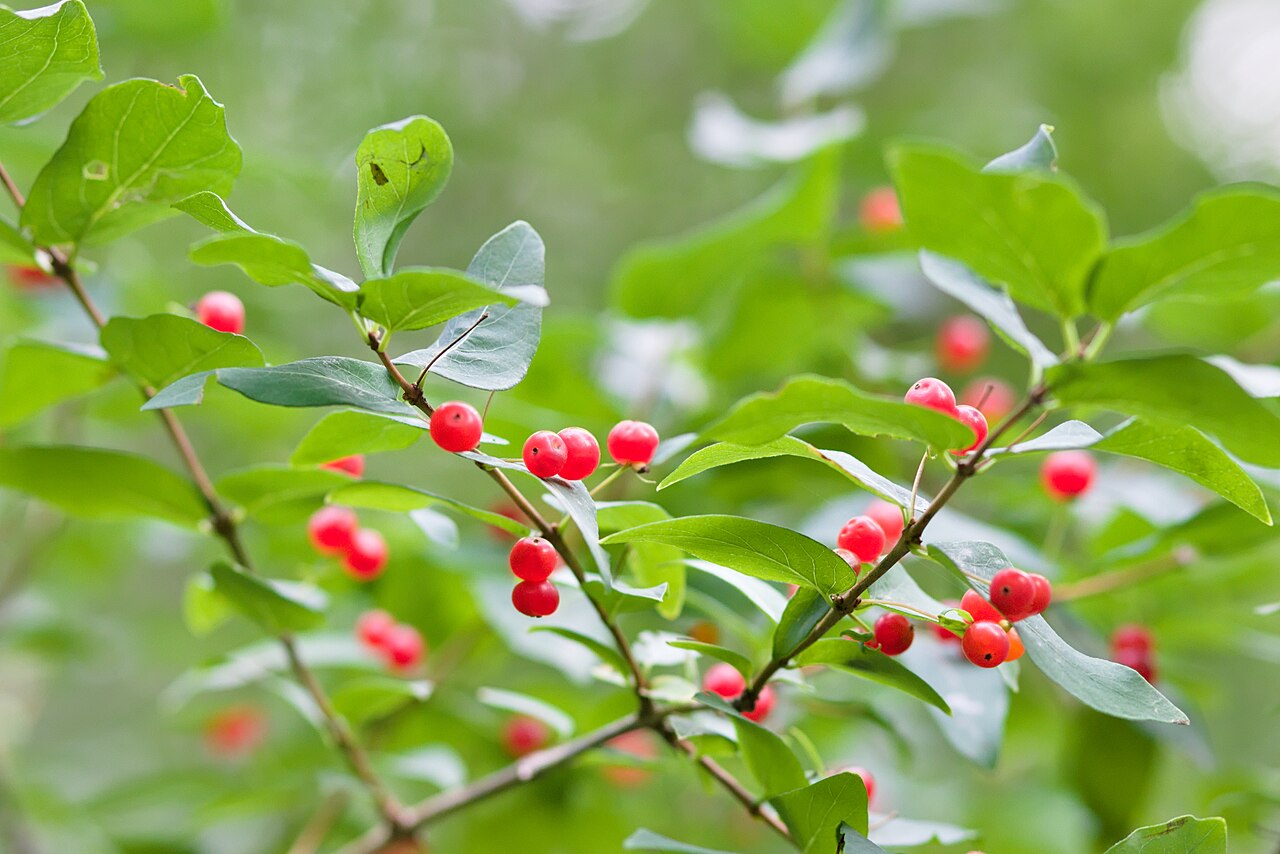
Winterberry is a native deciduous holly prized for one spectacular trick: in fall the leaves drop and leave behind dense clusters of bright red berries on bare stems, persisting into February and feeding birds through winter. It grows 6-10 feet tall and wide, though compact cultivars like ‘Red Sprite’ stay around 4 feet. Winterberry is dioecious, which matters: only female plants fruit, and they need a male pollinator nearby that blooms at the same time. Plant one male for every 6-10 females, with matching bloom times — ask the nursery to pair them, since a mismatched male is a very polite, very useless garden guest. It thrives in moist, acidic soil and even tolerates wet, boggy ground that defeats most shrubs.
Water & feeding
Keep the soil moist, especially for the first two seasons; winterberry tolerates wet soil and seasonal flooding but will abort fruit in drought. Mulch generously to hold moisture. Feed lightly in spring with compost or a fertilizer for acid-loving plants, and avoid lime. Prune in early spring before new growth to shape the plant and encourage branching — heavier pruning will reduce fruit the following year but pays off with a fuller shrub later.
Common problems
- No berries — almost always a missing or mismatched male pollinator, or a hard prune that removed flower wood.
- Yellow leaves with green veins — iron chlorosis from alkaline soil; acidify with sulfur or acidic mulch and skip the lime.
- Drought fruit drop — water deeply during dry spells in summer and fall.
- Leaf spot — occasional and rarely serious on an otherwise vigorous plant.
Harvest
The berries are for birds, not people: winterberry fruit is toxic if eaten by humans and pets, so admire them and cut stems for winter arrangements instead. Cut stems last for weeks indoors and look spectacular against evergreens. Propagate by softwood cuttings in summer.
Browse all plant & pest guides
Saving seeds
Winterberry seed is a patience test with double dormancy: it wants a warm spell and then a cold spell before it will sprout. Sow fresh seed in summer in a pot of moist mix and leave it outside — the warm months satisfy the first dormancy, winter satisfies the second, and sprouts usually come in the second spring. Or mimic it indoors: a few months warm and moist, then a few months in the fridge, then sow warm. Either way, do not throw the pot out after a year of nothing.
Let the berries ripen fully — the brightest red fruit on the healthiest shrub — and clean the pulp off the seed, because pulp inhibits germination. Sow fresh if you can; winterberry seed does not store well, and dried seed may never germinate. The birds will race you for the berries, so net a branch or pick the moment they turn red.
Winterberry is dioecious — male and female flowers grow on separate plants — so you need a male nearby for the females to set fruit at all. Save seed only from a female that fruited, and know that a seedling may be male or female; you will not know until it flowers. Cuttings are the faithful route for named forms, and the only way to guarantee a female.
And the Florida honesty: winterberry wants a real winter, for zones 3 to 9, and it is marginal in Florida — happiest in the Panhandle with some winter chill. In most of Florida, plant a holly that likes the weather, or a native that does.
Varieties
Every named variety of Winterberry with its own growing guide:
- Berry Heavy Winterberry — The winterberry that lives up to its name: branches so loaded with red berries they bend under the weight.
- Red Sprite Winterberry — The dwarf winterberry: huge red berries on a small shrub, for foundation beds and cutting gardens that have no room for a giant.
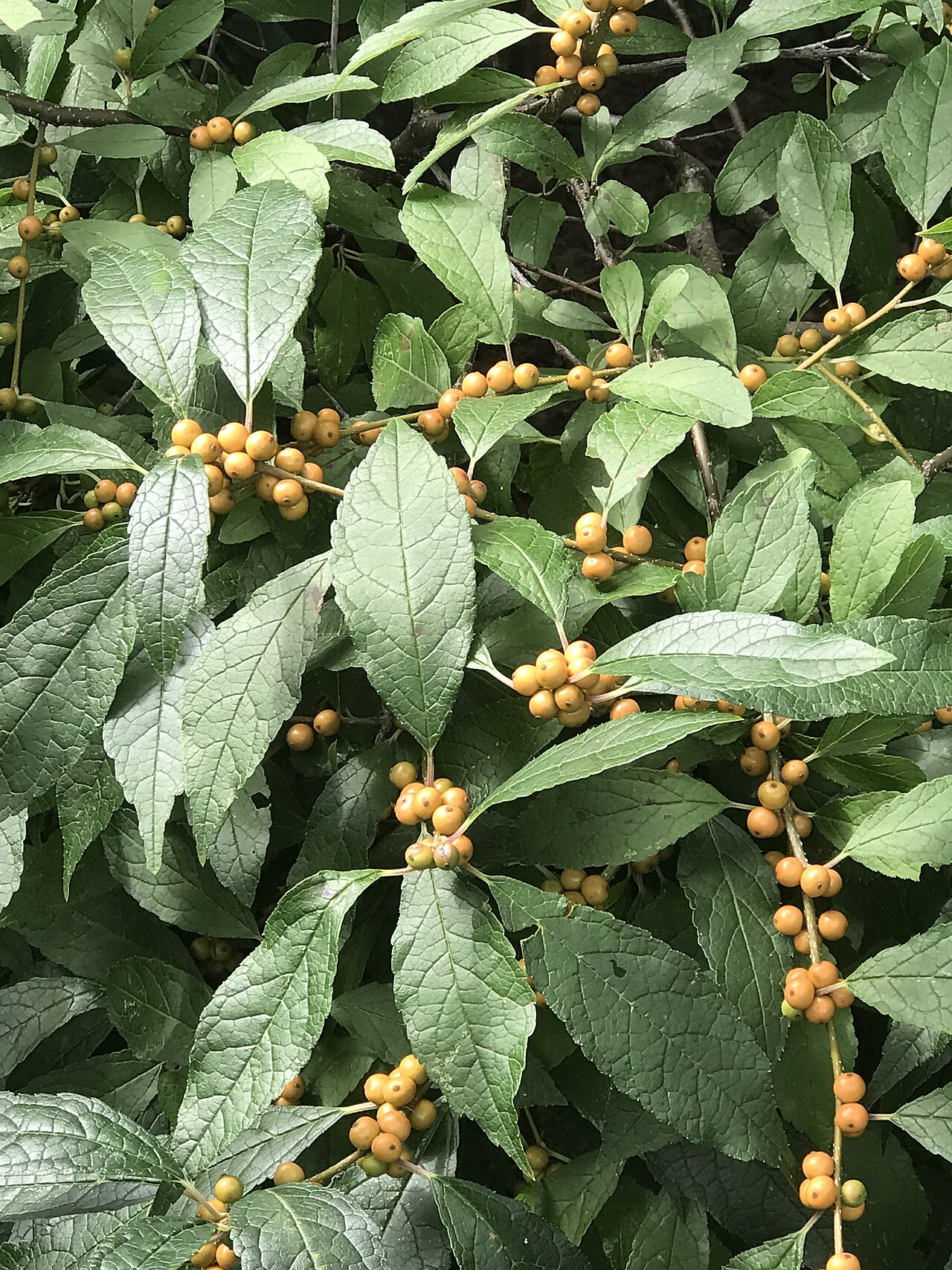
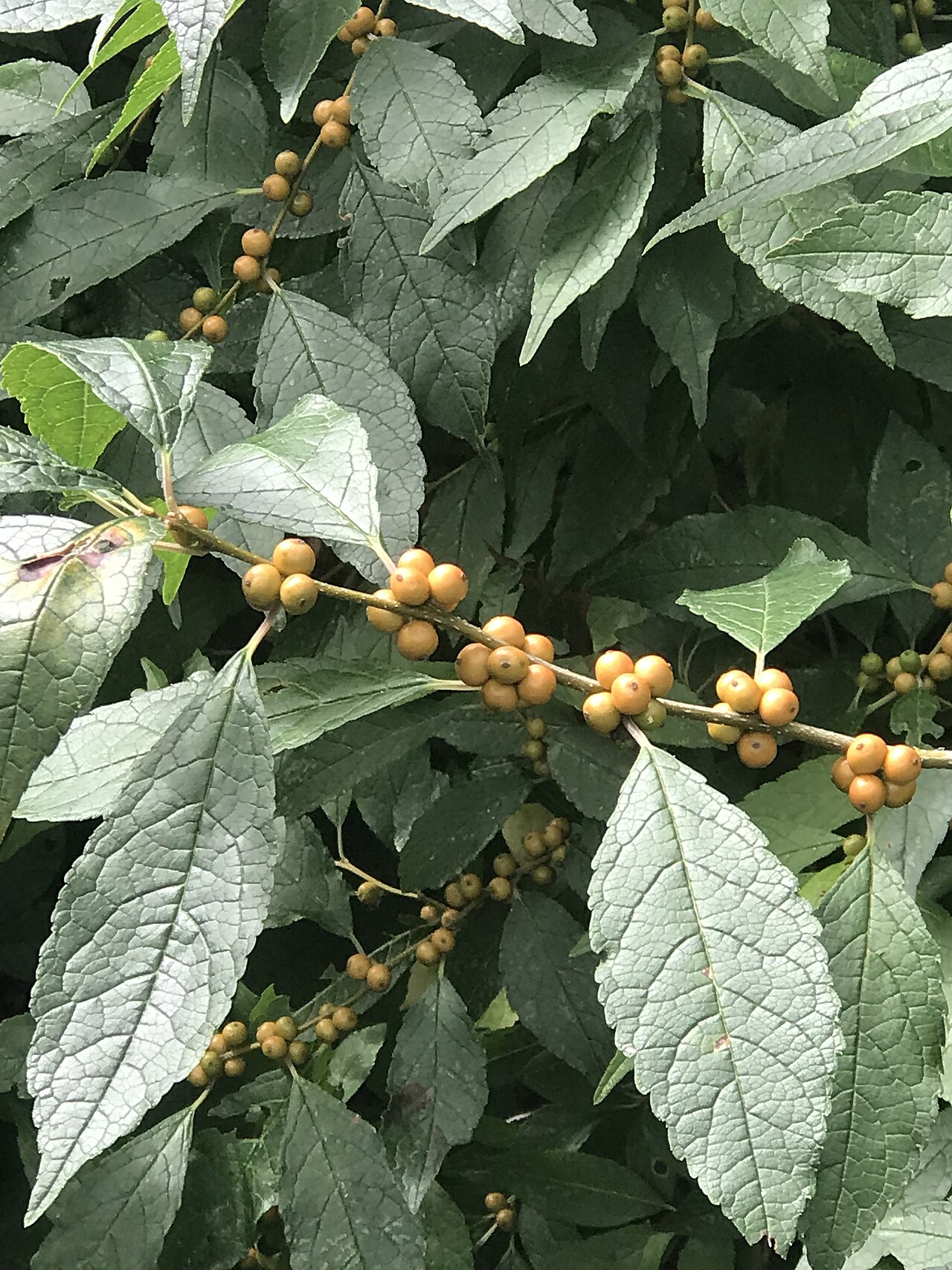
- Winter Gold Winterberry — The golden winterberry: pinkish-gold berries on bare branches, for gardens that want winter colour without another red.
- Winter Red Winterberry — The winterberry that fruits like it means it: masses of bright red berries on bare branches, all winter, for birds and bouquets.