
🔴 Red Sprite Winterberry
What it looks like
Why this variety
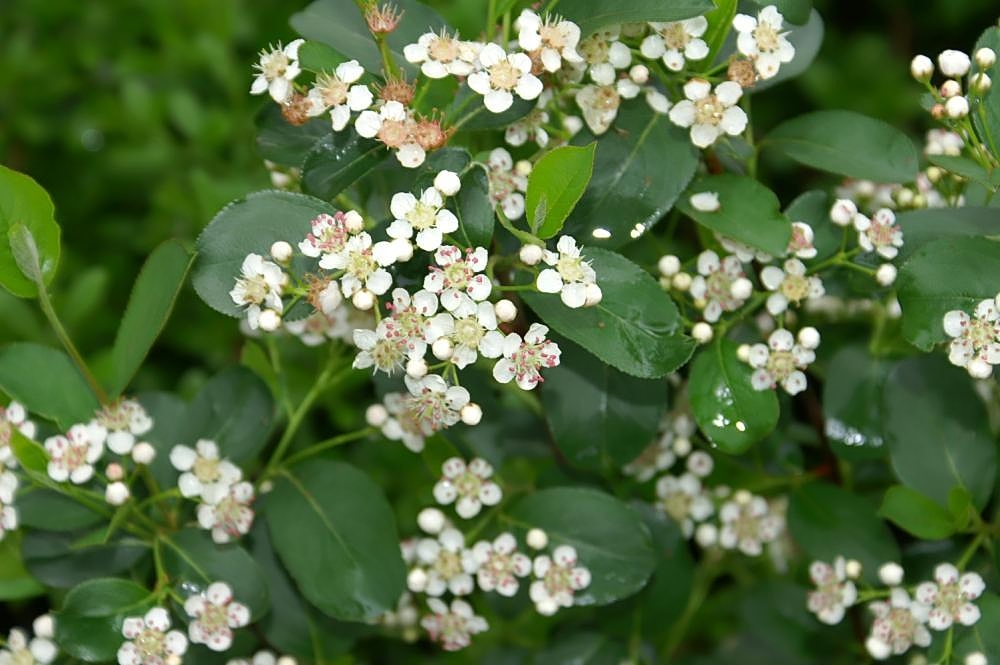
Red Sprite is the winterberry for small gardens: a dwarf female selection, only 3–5 feet tall and wide, with berries disproportionately large — some of the biggest in the winterberry family — produced in profusion on bare winter branches. It is the winterberry for a foundation bed, a border, or a large container, where Winter Red’s 8 feet would be too much, and its berries are the best in the family for cutting, since the stems are short, sturdy and loaded.
In Florida, Red Sprite is a north-Florida trial like Winter Red, with the same demands: moist, acidic soil, sun to part shade, and a male pollinator nearby — and the pollinator timing matters here, because Red Sprite blooms early, so it needs an early male such as ‘Jim Dandy’, not a late one, or the flowers and the pollen will miss each other by a week and the berries will never happen. Match early with early, and the red follows.
How to grow
Winterberry is a deciduous holly, which is the whole trick: in fall it drops its leaves and reveals branches studded with bright red berries that persist into winter, feeding birds and decorating a bare garden like nothing else. Plant in fall or spring in sun to part shade in rich, moist, acidic soil — winterberry tolerates wet ground that would drown other shrubs, and actually fruits best with steady moisture. And plant the pollination correctly, because this is the detail that ruins winterberry plantings: winterberry is dioecious, so female plants fruit only if a male plant blooms nearby — one male, such as ‘Jim Dandy’ or ‘Southern Gentleman’, pollinates several females within about 50 feet, and a lone female with no male nearby will flower beautifully and fruit not at all. Florida honesty: this is a zone 3–9 shrub that wants a winter chill for the heaviest fruit set, so plant it only in the north, with afternoon shade if the site is brutal, and treat a thin berry year as a climate note.
Water & feeding
Water deeply and consistently; winterberry loves moisture and fruits best with it — do not let it dry out in summer. Mulch thickly to hold moisture and acidity. Feed lightly in spring with an acid-loving fertiliser.
Common problems
Few serious pests. Leaf spot may freckle leaves in wet years but rarely matters. The commonest problem is not a pest at all: no berries, because there is no male nearby, or because the male blooms at a different time than the female — match early males with early females and late with late. Chlorosis in alkaline soil is a siting verdict.
Harvest
The harvest is cut branches: Red Sprite’s large berries and compact stems make it the best winterberry for arrangements, wreaths and holiday cutting, harvested in late fall and winter after leaf drop. Cut sparingly, leave plenty for birds, and remember the berries are mildly toxic to people — beautiful in a vase, not in a salad.
Nerdy fact: Red Sprite’s berries are large because breeders selected for fruit size over decades — the same slow, patient selection that turned a wild holly into a cutting-garden star. It is a reminder that ‘cultivar’ usually means ‘someone paid attention for a very long time’.
Saving seeds
Red Sprite is the winterberry for small gardens: a dwarf female selection, only 3–5 feet tall and wide, with berries disproportionately large — some of the biggest in the winterberry family — produced in profusion on bare winter branches. It is the winterberry for a foundation bed, a border, or a large container, where Winter Red’s 8 feet would be too much, and its berries are the best in the family for cutting, since the stems are short, sturdy and loaded. As a named winterberry it is kept true by cuttings, not by seed — seedlings would not hold the dwarf habit or the outsized berries, and would be a mix of male and female plants. In Florida, Red Sprite is a north-Florida trial like Winter Red, with the same demands: moist, acidic soil, sun to part shade, and a male pollinator nearby — and the pollinator timing matters here, because Red Sprite blooms early, so it needs an early male such as ‘Jim Dandy’, not a late one. The full method is in the Saving seeds section of the Winterberry guide.