
🔴 Winter Gold Winterberry
What it looks like
Why this variety
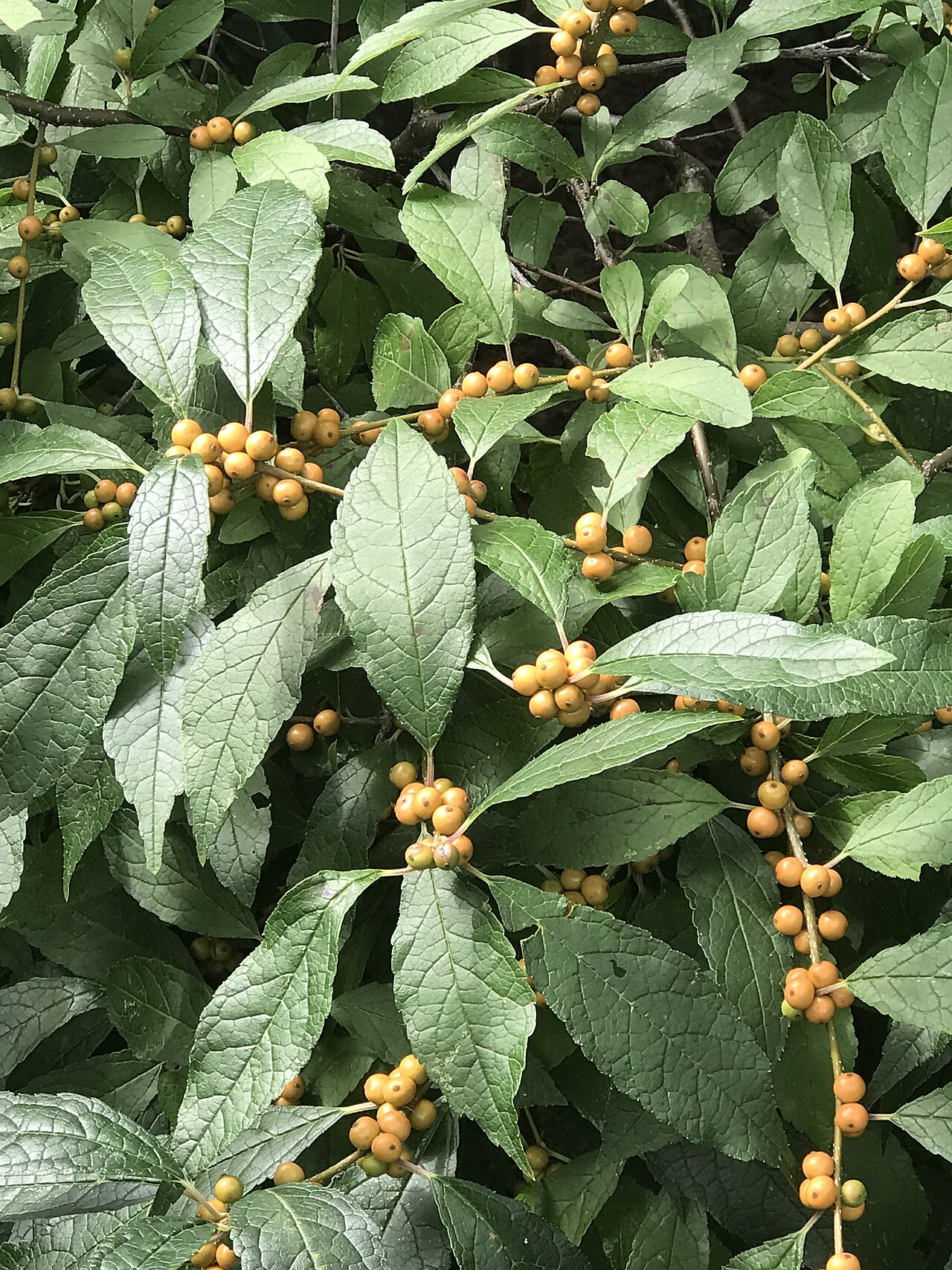
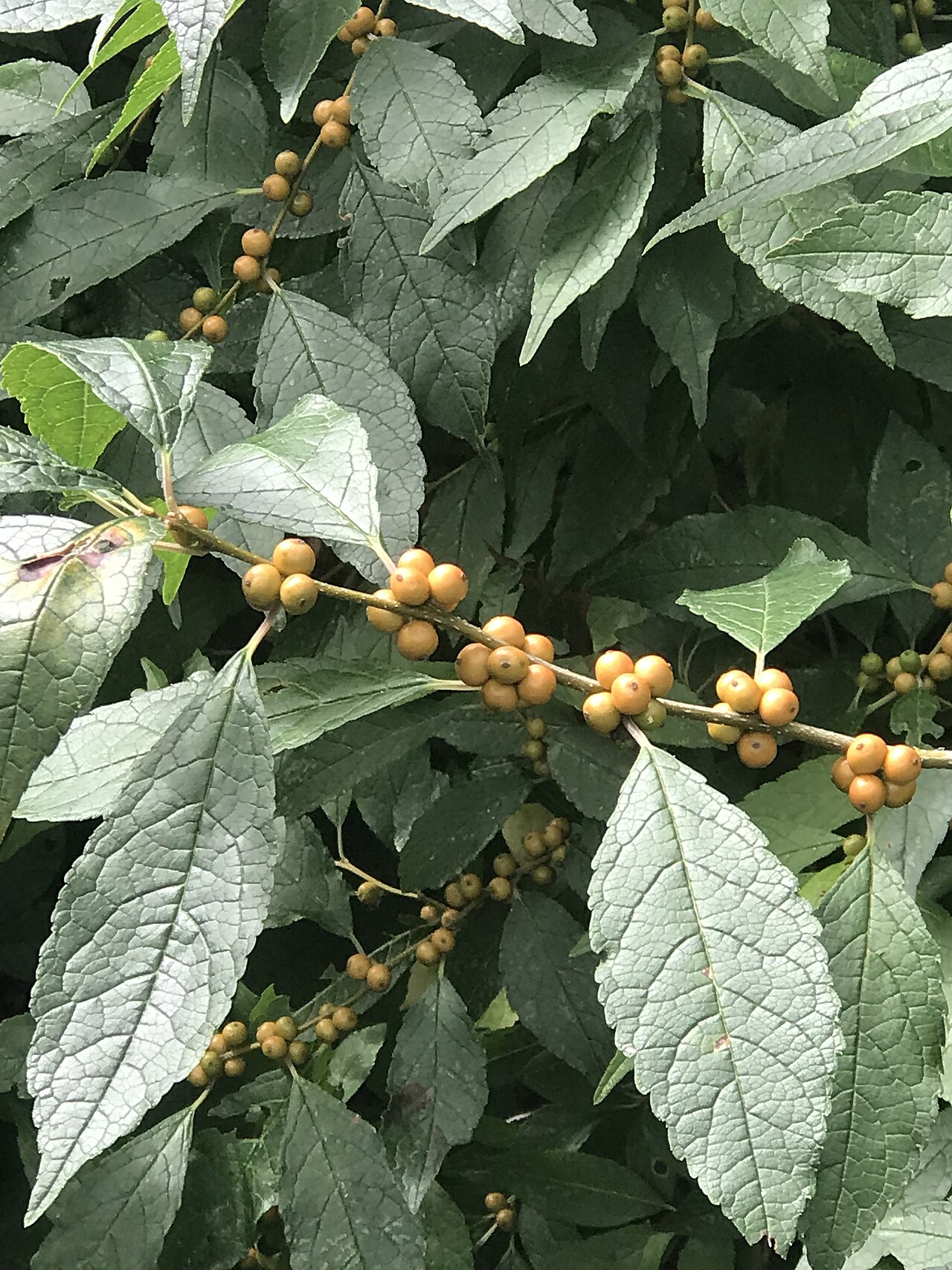
Winter Gold is the winterberry for gardeners who already have red: its berries ripen pinkish-gold — a soft, warm gold with a pink blush — on bare winter branches, on a 5–8 foot shrub that fruits as heavily as Winter Red. Gold berries in a winter garden do something red ones do not: they glow in low winter light, stand out against evergreen neighbours, and pair with red winterberries without clashing, which makes Winter Gold the second winterberry to plant once the first red one is in.
In Florida, Winter Gold is a north-Florida trial, with the same demands as its cousins: moist, acidic soil, sun to part shade, and a male pollinator nearby matched to its bloom time. Its gold berries are a touch slower to colour than red ones, so do not judge the shrub in early fall — wait for the leaves to drop and the gold to deepen, and the show arrives on its own schedule.
How to grow
Winterberry is a deciduous holly, which is the whole trick: in fall it drops its leaves and reveals branches studded with bright red berries that persist into winter, feeding birds and decorating a bare garden like nothing else. Plant in fall or spring in sun to part shade in rich, moist, acidic soil — winterberry tolerates wet ground that would drown other shrubs, and actually fruits best with steady moisture. And plant the pollination correctly, because this is the detail that ruins winterberry plantings: winterberry is dioecious, so female plants fruit only if a male plant blooms nearby — one male, such as ‘Jim Dandy’ or ‘Southern Gentleman’, pollinates several females within about 50 feet, and a lone female with no male nearby will flower beautifully and fruit not at all. Florida honesty: this is a zone 3–9 shrub that wants a winter chill for the heaviest fruit set, so plant it only in the north, with afternoon shade if the site is brutal, and treat a thin berry year as a climate note.
Water & feeding
Water deeply and consistently; winterberry loves moisture and fruits best with it — do not let it dry out in summer. Mulch thickly to hold moisture and acidity. Feed lightly in spring with an acid-loving fertiliser.
Common problems
Few serious pests. Leaf spot may freckle leaves in wet years but rarely matters. The commonest problem is not a pest at all: no berries, because there is no male nearby, or because the male blooms at a different time than the female — match early males with early females and late with late. Chlorosis in alkaline soil is a siting verdict.
Harvest
The harvest is cut branches, like all winterberries: gold berries for arrangements and wreaths, cut in late fall and winter after leaf drop, sparingly, leaving plenty for birds. Gold berries are mildly toxic to people, like red ones — beautiful in a vase, not in a salad — and they hold their colour well indoors, which is why florists prize them.
Nerdy fact: Gold berries are gold because of carotenoids — the same pigments that colour carrots and marigolds — while red berries get their colour from anthocyanins. Winter Gold and Winter Red are, chemically, two different answers to the same question: how does a shrub get a bird’s attention in winter?
Saving seeds
Winter Gold is the winterberry for gardeners who already have red: its berries ripen pinkish-gold — a soft, warm gold with a pink blush — on bare winter branches, on a 5–8 foot shrub that fruits as heavily as Winter Red. Gold berries in a winter garden do something red ones do not: they glow in low winter light, stand out against evergreen neighbours, and pair with red winterberries without clashing, which makes Winter Gold the second winterberry to plant once the first red one is in. Seed will not repeat it: the pinkish-gold berry color is a selected female clone, and seedlings revert toward red. Keep Winter Gold true with cuttings — and remember winterberry is dioecious, so a female fruits only if a male plant blooms nearby: one male, such as ‘Jim Dandy’ or ‘Southern Gentleman’, pollinates several females within about 50 feet. The full method is in the Saving seeds section of the Winterberry guide.