
🌼 Arnold Promise Witch Hazel
What it looks like
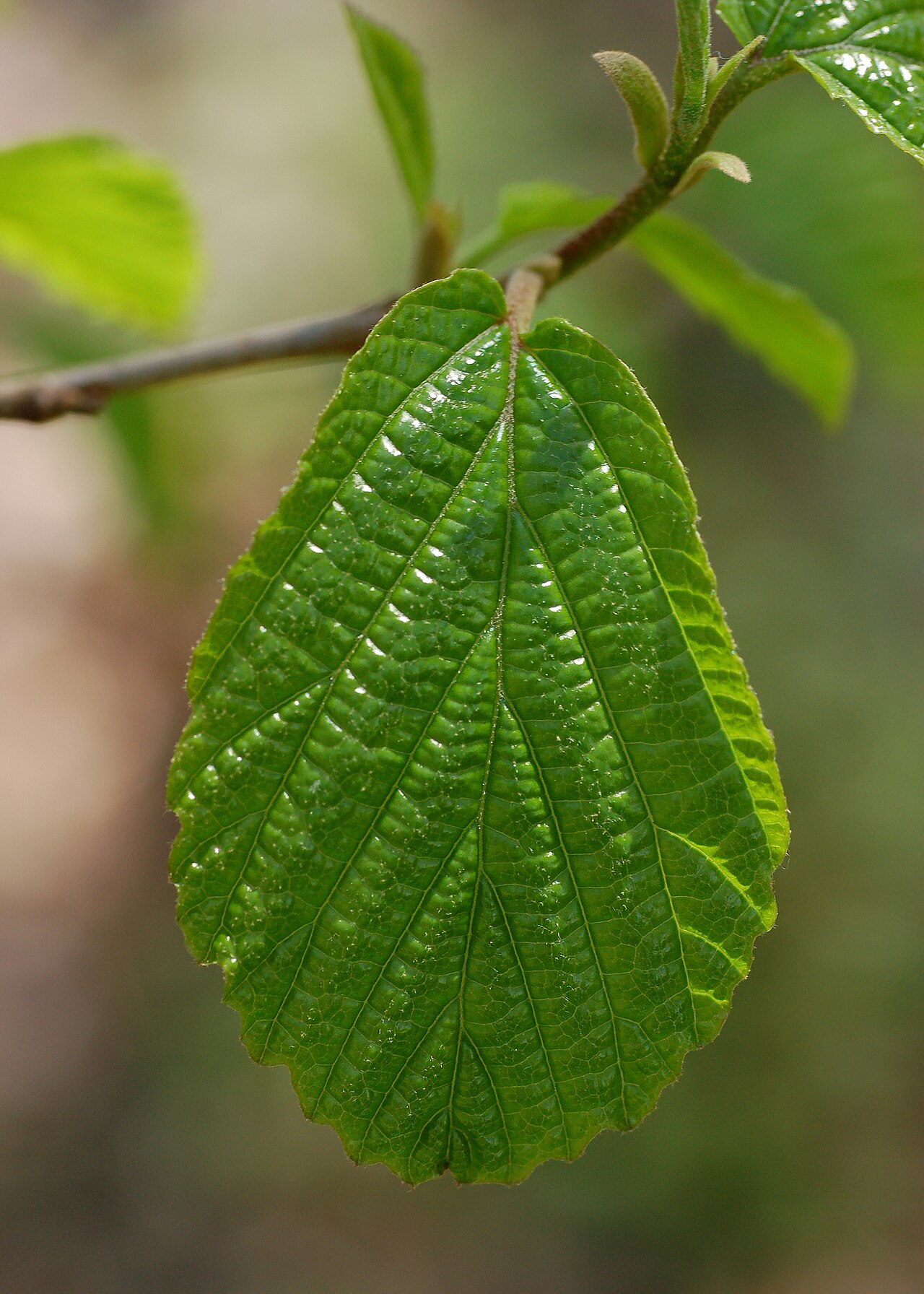
Why this variety
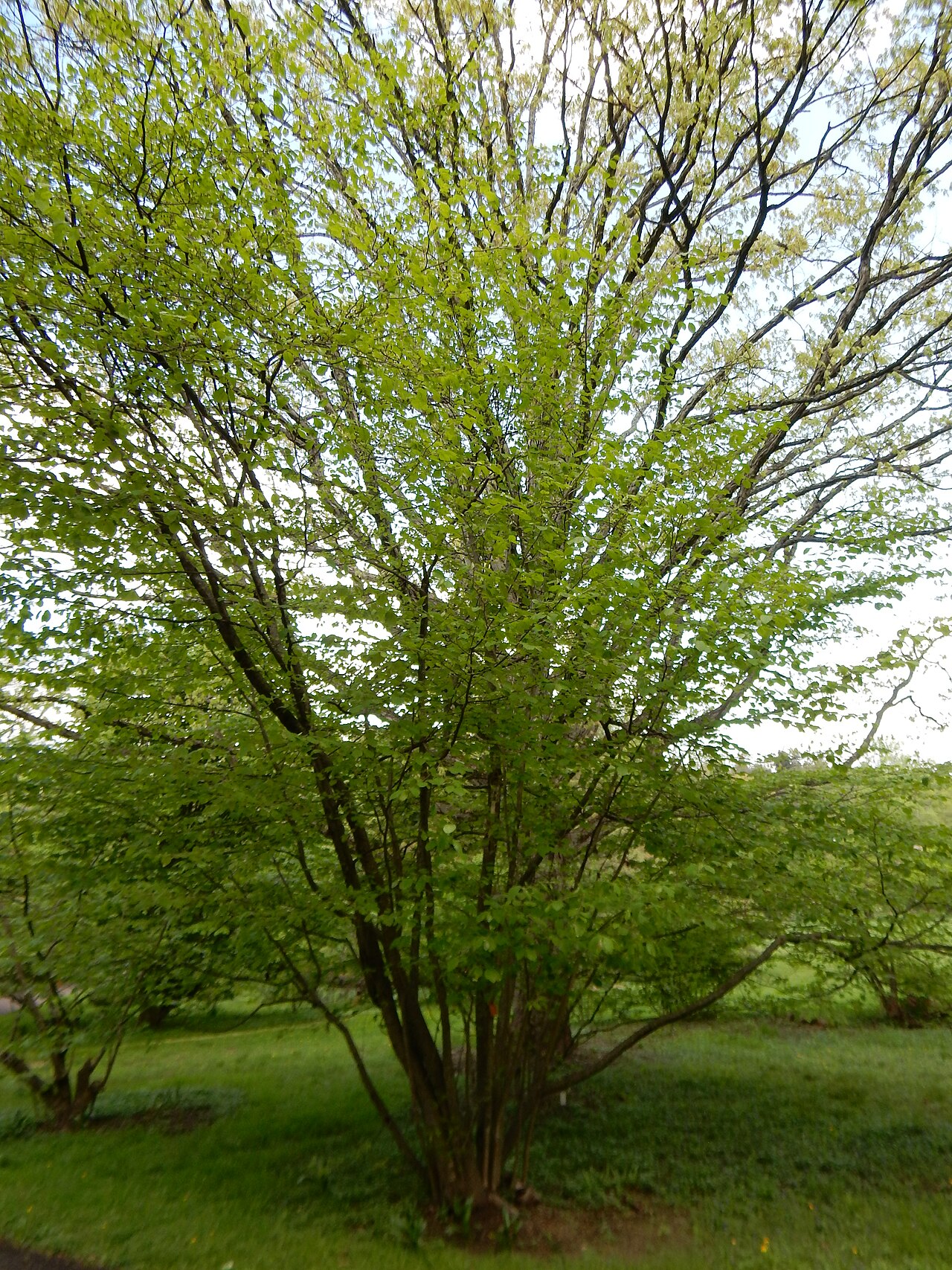
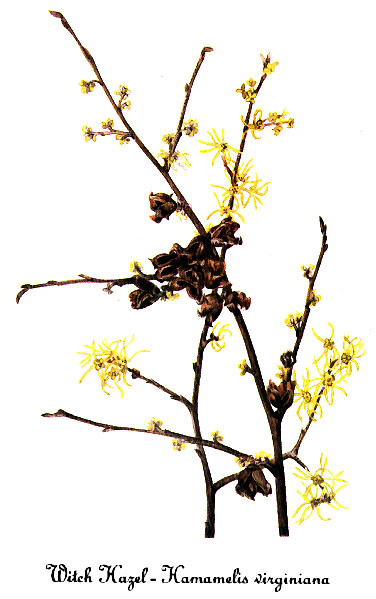
Arnold Promise is the hybrid witch hazel most gardens plant first: large, clear-yellow, sweetly fragrant flowers — bigger than the native species’ blooms — opening in late winter, often while snow still lies farther north, on a vase-shaped shrub 15–20 feet tall and wide with excellent yellow fall colour. It is the witch hazel for a winter garden: the flowers appear when nothing else dares, the fragrance carries on a still winter day, and the shrub earns its keep again in fall with colour that rivals any maple.
In Florida, Arnold Promise is a north-Florida trial and it should be planted as one: it is a zone 5–8 hybrid, so give it part shade — morning sun, afternoon shade — rich, moist, acidic soil and steady water, and expect a good year to be spectacular and a hot, dry year to be thin. The native virginiana is the safer Florida bet; Arnold Promise is the showier one, and the trial framing is the honest way to offer both truths at once.
How to grow
Witch hazel is the shrub that flowers when the garden has given up: spidery yellow, orange or red flowers in late fall (the native species) or late winter (the hybrids), on a 15–20 foot shrub or small tree with yellow fall colour and a vase-shaped habit. Plant in fall or spring in sun to part shade in rich, moist, well-drained, acidic soil, and give it room — a witch hazel crammed into a corner loses the vase shape that justifies it. Florida honesty: the native Hamamelis virginiana is the Florida-appropriate plant, native into the north of the state, while the showier hybrid cultivars below are zone 5–8 plants and a north-Florida trial — plant them with afternoon shade, steady moisture, and the expectation that a hot summer may thin the show. Prune lightly after flowering if shaping is needed; witch hazel resents hard pruning.
Water & feeding
Water deeply through establishment, then in dry spells; witch hazel likes steady moisture and sulks in drought. Mulch thickly to hold moisture and acidity. Feed lightly in spring.
Common problems
Few serious pests. Leaf gall aphids may pucker leaves in spring but rarely matter. Powdery mildew appears in humid, crowded plantings — air and sun help. A hybrid witch hazel that scorches in full Florida sun is a siting problem: more shade, more water, more mulch.
Harvest
There is no fruit harvest — the crop is the late-winter flower show and the fall colour. Prune lightly after flowering if shaping is needed; witch hazel resents hard pruning, so shape it young and leave it alone after that. The flowers cut well for a winter vase, though cutting them costs you the garden show, which in February is a trade worth thinking about.
Nerdy fact: Witch hazel’s flowers bloom in late winter because the shrub stores its flower buds through summer and fall and opens them on a temperature cue, not a calendar — which is why a witch hazel in a mild winter may bloom in January and in a cold one in March. It flowers on weather, not on schedule.
Saving seeds
Arnold Promise is a hybrid, so seed saved from it won’t come true — buy a nursery shrub instead. The Saving seeds section of the Witch Hazel guide covers seed for the straight species.