
🌼 Jelena Witch Hazel
What it looks like
Why this variety
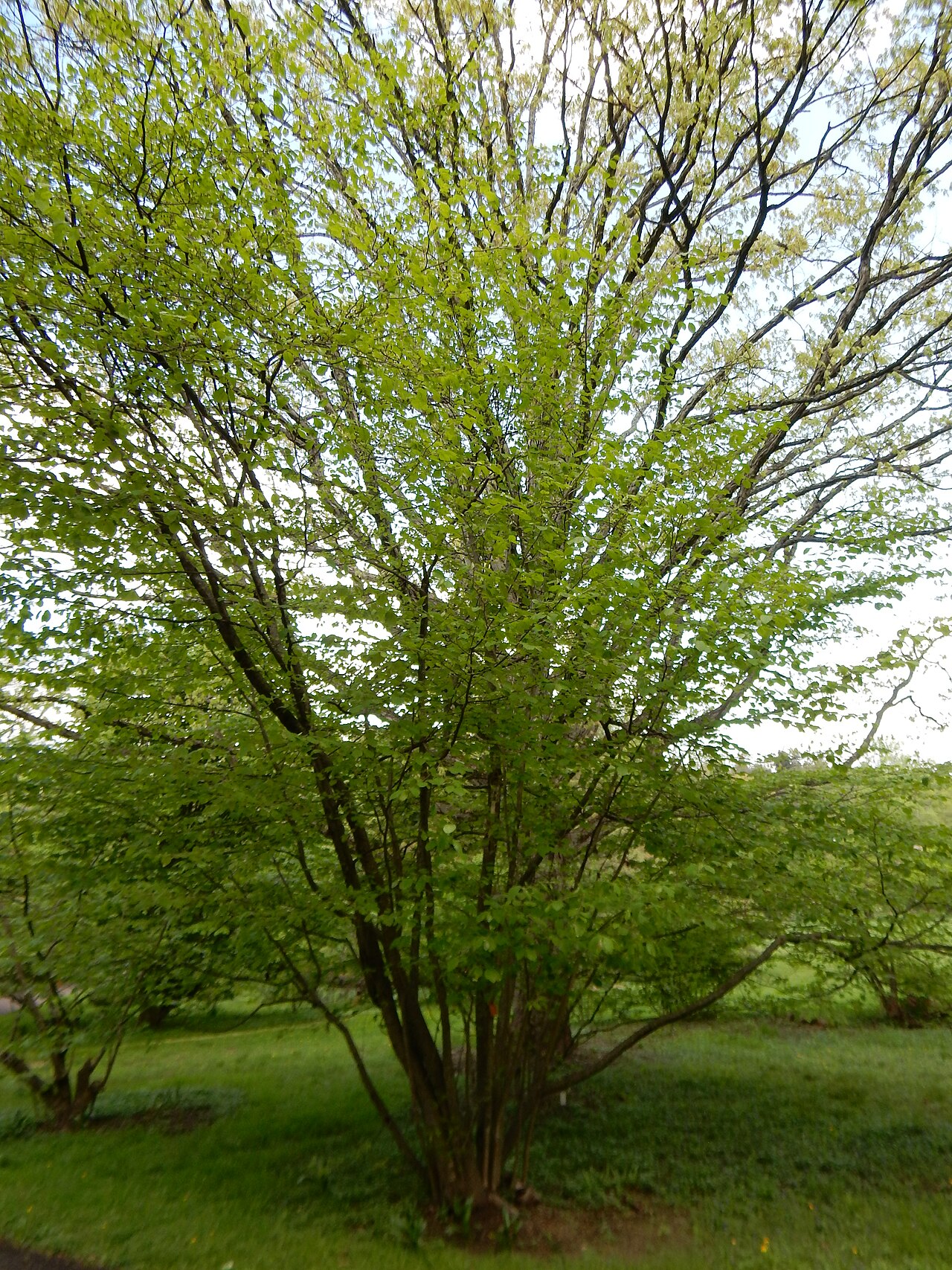
Jelena is the copper hybrid witch hazel: flowers in a rich copper-orange — between Arnold Promise’s yellow and Diane’s red — opening in late winter with a sweet fragrance, on a vase-shaped shrub 15–20 feet tall and wide whose fall colour is, by common consent, the best in the witch-hazel family: orange, red and yellow all at once, like a sunset that forgot to set. It is the witch hazel for a garden that wants two shows a year and does not mind waiting through summer for either of them.
In Florida, Jelena is a north-Florida trial like its hybrid cousins: part shade, moist, acidic soil, steady water, and a hot summer may thin the show. Give it afternoon shade in the hottest spots, mulch thickly to hold moisture, and plant it where both shows will be seen — the winter flowers from inside the house, the fall colour from the yard — since a witch hazel hidden behind an evergreen wastes both.
How to grow
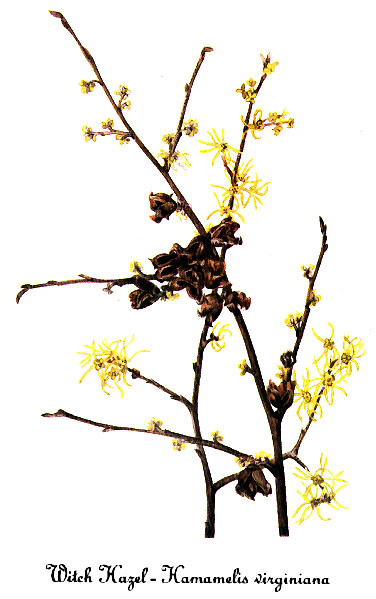
Witch hazel is the shrub that flowers when the garden has given up: spidery yellow, orange or red flowers in late fall (the native species) or late winter (the hybrids), on a 15–20 foot shrub or small tree with yellow fall colour and a vase-shaped habit. Plant in fall or spring in sun to part shade in rich, moist, well-drained, acidic soil, and give it room — a witch hazel crammed into a corner loses the vase shape that justifies it. Florida honesty: the native Hamamelis virginiana is the Florida-appropriate plant, native into the north of the state, while the showier hybrid cultivars below are zone 5–8 plants and a north-Florida trial — plant them with afternoon shade, steady moisture, and the expectation that a hot summer may thin the show. Prune lightly after flowering if shaping is needed; witch hazel resents hard pruning.
Water & feeding
Water deeply through establishment, then in dry spells; witch hazel likes steady moisture and sulks in drought. Mulch thickly to hold moisture and acidity. Feed lightly in spring.
Common problems
Few serious pests. Leaf gall aphids may pucker leaves in spring but rarely matter. Powdery mildew appears in humid, crowded plantings — air and sun help. A hybrid witch hazel that scorches in full Florida sun is a siting problem: more shade, more water, more mulch.
Harvest
No fruit harvest — the crop is the late-winter copper show and the fall sunset. Prune lightly after flowering if shaping is needed, and shape it young. The copper flowers cut well for a winter vase, though, like its cousins, the garden show in February is usually the better trade.
Nerdy fact: Jelena is named for Jelena de Belder, a Belgian nurserywoman who raised it — one of the few major garden shrubs named for a woman in a field that named most of its plants for men. Your Jelena carries a woman’s name, and the fall colour to justify it.
Saving seeds
Jelena is the copper hybrid witch hazel, flowers in a rich copper-orange opening in late winter with a sweet fragrance, and seedlings won’t hold that color or the fall colour — plant a nursery-grown shrub in fall or spring in sun to part shade in rich, moist, well-drained, acidic soil. The Saving seeds section of the Witch Hazel guide covers seed for the species generally.