
🥒 Extra Long Smooth Luffa
What it looks like
Why this variety
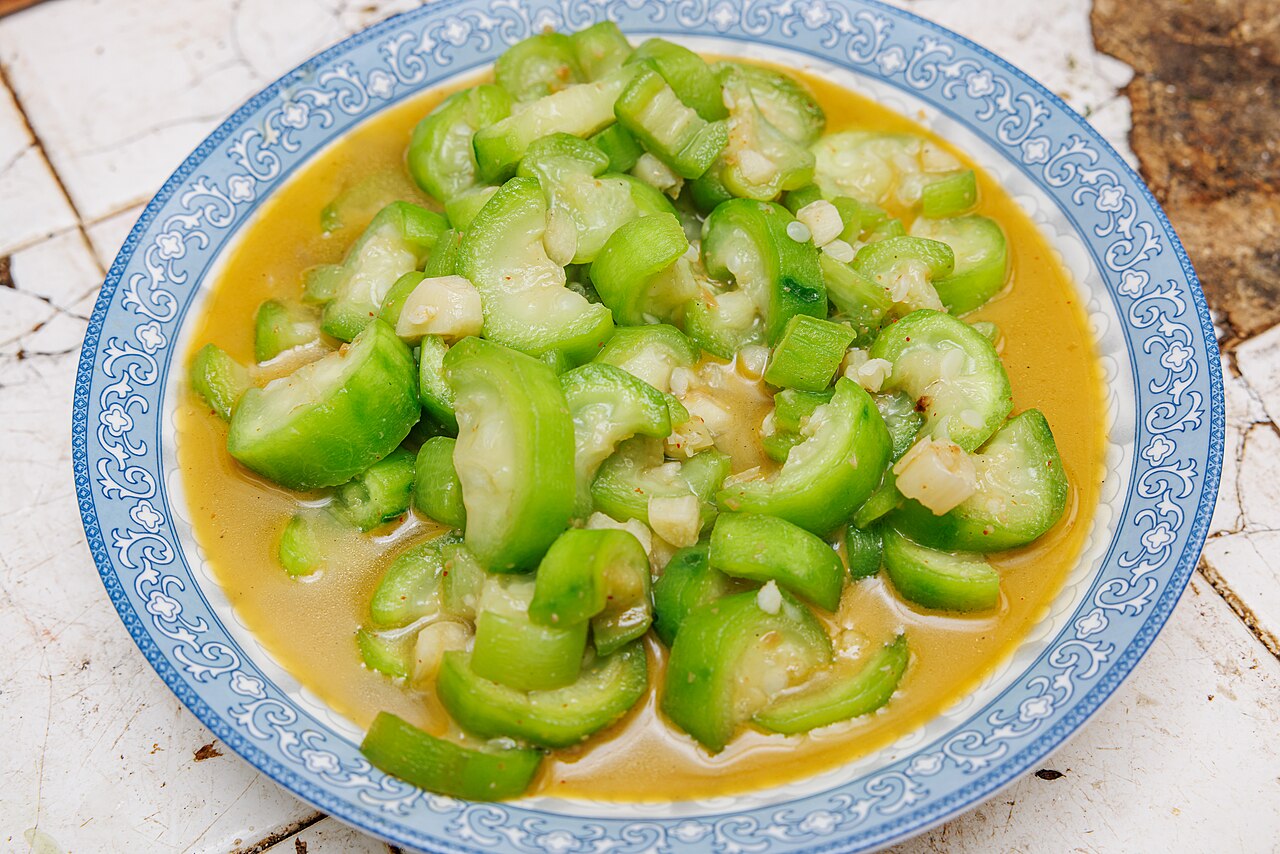
Extra Long Smooth is the smooth luffa type sold by Asian seed houses for gardeners who want both a vegetable and a sponge from one vine: long, slender, smooth-skinned fruit that are tender and mild when picked young — 6–12 inches — for stir-fries and soups, and that mature into the fibrous sponges of bath and kitchen fame if left on the vine. It is sold under this type name rather than a registered cultivar, which is the honest norm for luffa in seed catalogs.
Length is the point: a long, straight fruit slices into even rounds for cooking, and a long, straight mature fruit makes a full-length sponge instead of a stubby one. Grown on a trellis, the fruit hang straight and clean; grown on the ground, they curl and spot, which is fine for sponges but poor for dinner.
If you are new to choosing between cultivars, the Varieties Matter guide explains why the name after the plant matters as much as the plant itself. And if you want the whole clan at a glance, the broader Luffa guide covers luffa generally.
How to grow
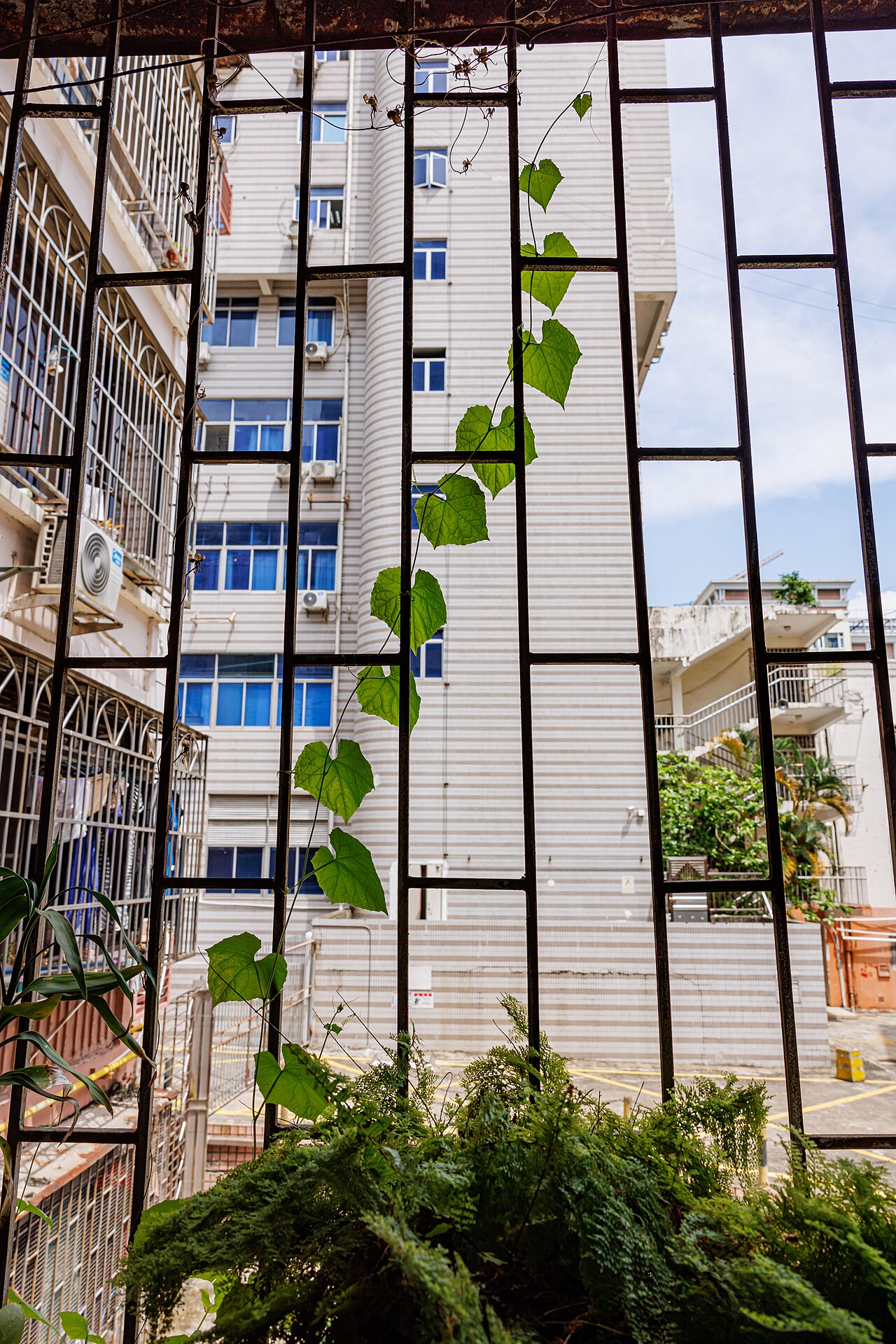
In Florida, luffa is in its element: give it a strong trellis, full sun, and the hottest months, and it will out-produce almost anything else on the vine. Plant after the soil is warm, and let it run — a single vine can cover a fence, and the young fruit are a vegetable while the mature ones become sponges, so one planting gives you dinner and the shower in the same season.
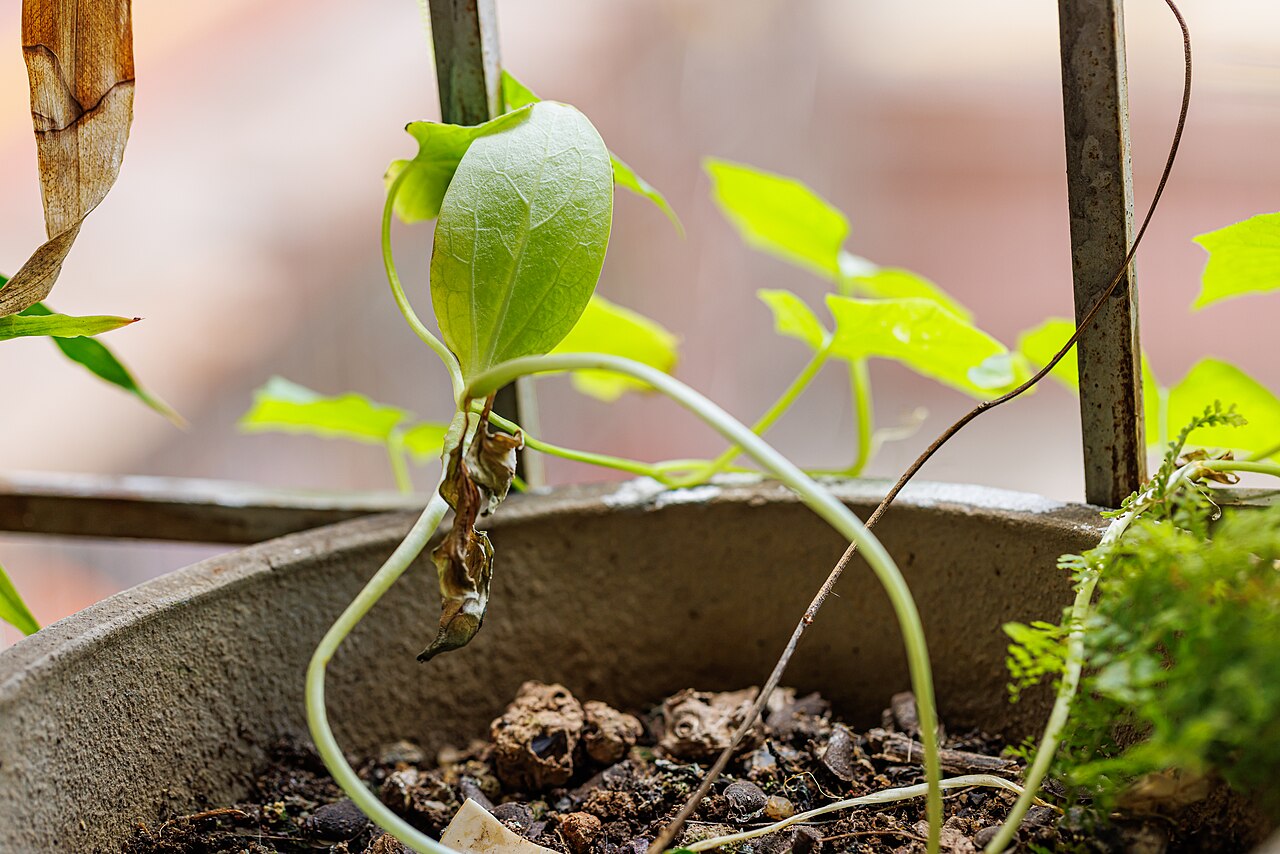
Start seed indoors 4–6 weeks before your last frost, or direct-sow once the soil is reliably warm — luffa sulks in cool soil and needs a long, hot season. Plant at the base of a strong trellis; the vines run long and the mature fruit hang heavy. Scarifying or soaking seed overnight can speed germination, which is otherwise slow and uneven.
Water & feeding
Luffa is a thirsty vine in summer heat. Water deeply and consistently, mulch heavily to hold moisture, and feed every few weeks with compost or a balanced fertilizer. Uneven watering gives you misshapen fruit, so do not let the bed dry out between waterings.
Common problems
Cucumber beetles and squash bugs may visit; a trellis with good airflow helps more than any spray. Powdery mildew can show up late in the season — pick young fruit promptly and remove badly affected leaves. Fruit allowed to mature fully on the vine will stop new fruit production, so decide per fruit: dinner or sponge.
Harvest
For eating, pick young, tender, and green, before the skin toughens and the fiber develops — a thumbnail pressed into the skin should dent it easily. For sponges, leave fruit on the vine until the skin yellows and dries, then peel, shake out the seeds, and rinse the fiber clean.
Nerdy fact: A luffa sponge is not a sea sponge and not a plastic sponge — it is the dried vascular skeleton of a fruit, the same plumbing that once carried water to a growing gourd, now carrying water to your shower. Dinner and bathware, one vine, zero waste.
Saving seeds
Extra Long Smooth is an open-pollinated smooth luffa type, so saved seed comes true — let a fruit mature fully on the vine for sponge and seed, and keep it isolated from other luffa. The full method is in the Saving seeds section of the Luffa guide.