
🧽 Luffa
What it looks like
How to grow
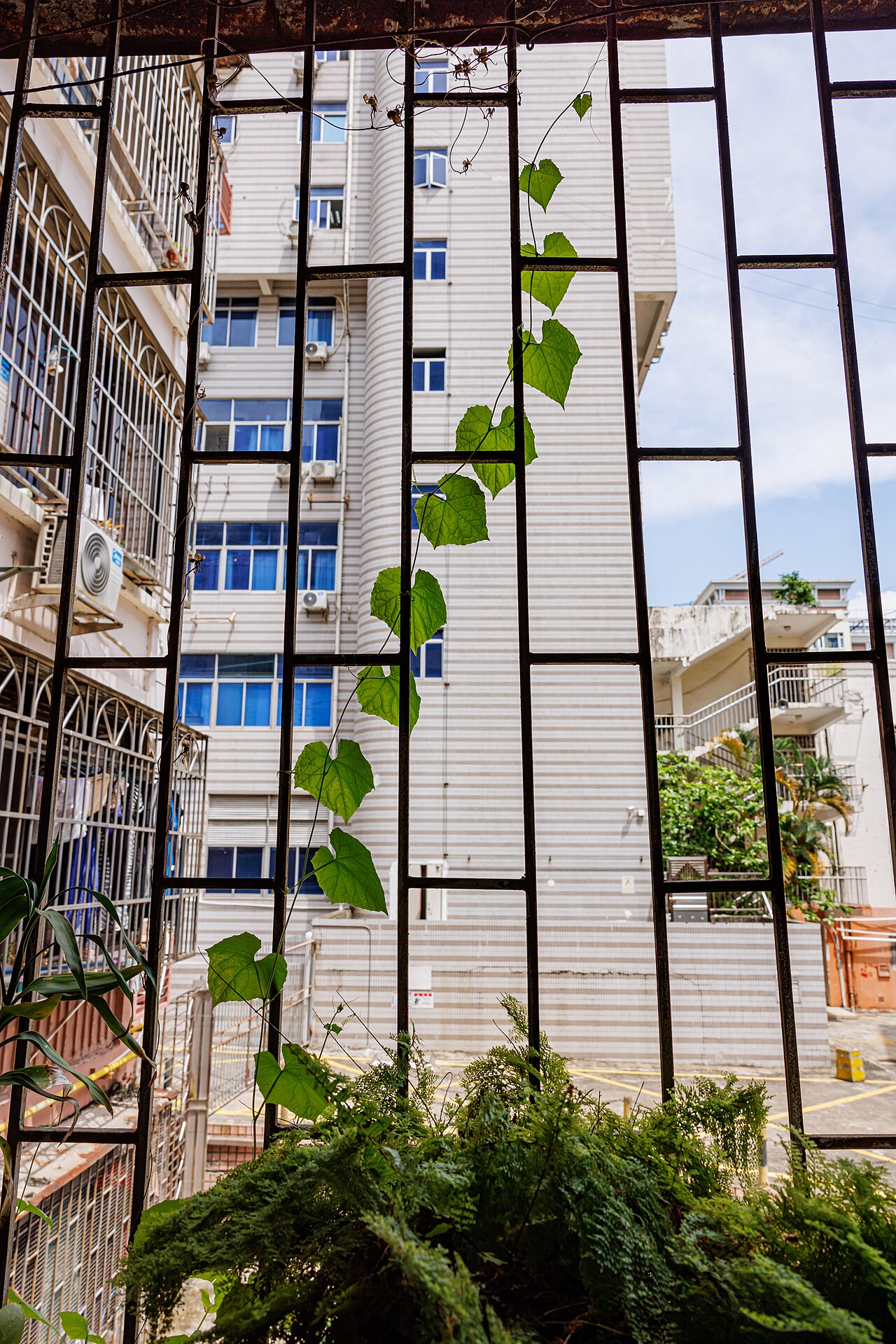
Luffa — also spelled loofah — is a vigorous tropical vine grown both as a vegetable, when fruits are young, and as a sponge, when fruits mature and dry. It needs a long, hot season: 150–200 frost-free days for sponges, so start seed indoors 4–6 weeks before the last frost in most of the United States, soaking seed for 24 hours and optionally nicking the hard coat to improve germination in 7–14 days at 75–85°F. Transplant after soil reaches 70°F, onto a very sturdy trellis, fence, or arbor 6–8 feet tall — vines can run 30 feet or more, and fruits grown on the ground come out curved. In Florida and the Gulf Coast, direct sowing works well once soil is warm.
Water & feeding
Water 1–1.5 inches a week, deeply and at the base; luffa needs steady moisture during flowering and fruiting, and dry spells give misshapen fruit. Mulch to hold moisture. Feed with compost at planting and monthly during growth; avoid wetting foliage, which invites mildew.
Common problems
- Short season — the top reason for sponge failure; start indoors and choose the earliest variety in zones below 7.
- Cucumber beetles — row cover early, then remove covers at flowering for pollinators.
- Powdery mildew late in the season — improve airflow, water at the base, and remove badly affected leaves.
- Weak, disintegrating sponges — harvested too early; wait until fruits are brown, light, and rattling.
Harvest
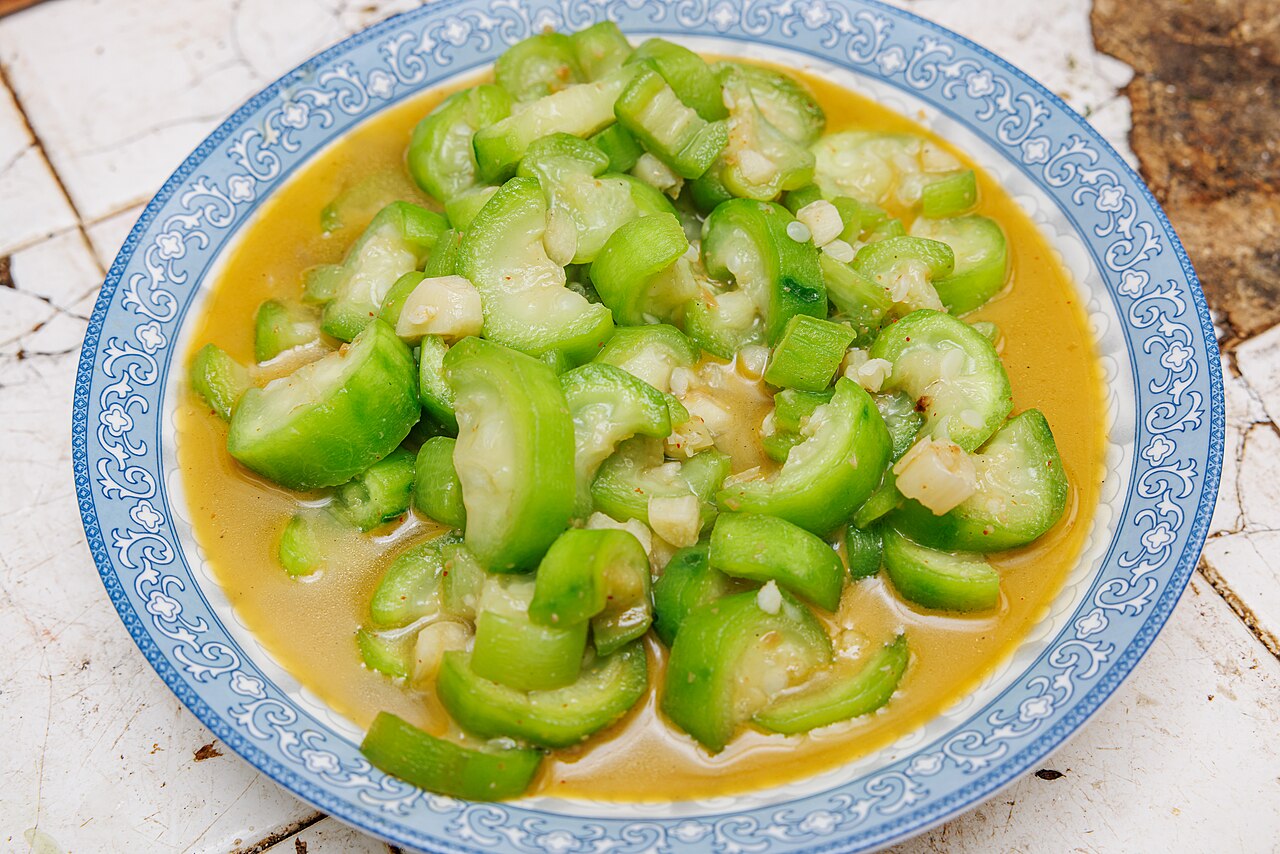
For eating, pick fruits young, firm, bright green, and under about 6 inches — cook them like zucchini in stir-fries and soups. For sponges, leave fruits on the vine until skins are yellow-brown, dry, and brittle and seeds rattle inside, typically 150–200 days after planting. Peel, shake out seeds for next year, rinse fibers, and dry in sun for several days. A well-made luffa sponge lasts months with occasional boiling.
Browse all plant & pest guides
Saving seeds
Luffa gives you two harvests from one vine, and the seed harvest is the late one. Pick the fruit young for dinner, but leave at least one fruit on the vine until it turns brown, dry, and light, with the seeds rattling inside when you shake it. That is the seed fruit. Cut it down, peel off the papery skin, and shake the flat black seeds out into a bucket. A single mature sponge can hold hundreds of seeds, which is more than you will ever need, so share them.
The seed keeps well for years if it is truly dry, which makes luffa one of the friendliest seeds to store. Dry the seed on a tray for a week after threshing, until it snaps rather than bends, then jar it with a silica gel packet and keep it cool and dark. Florida humidity is the enemy here: seed jarred damp in a Florida summer will quietly rot, and you will not know until spring.
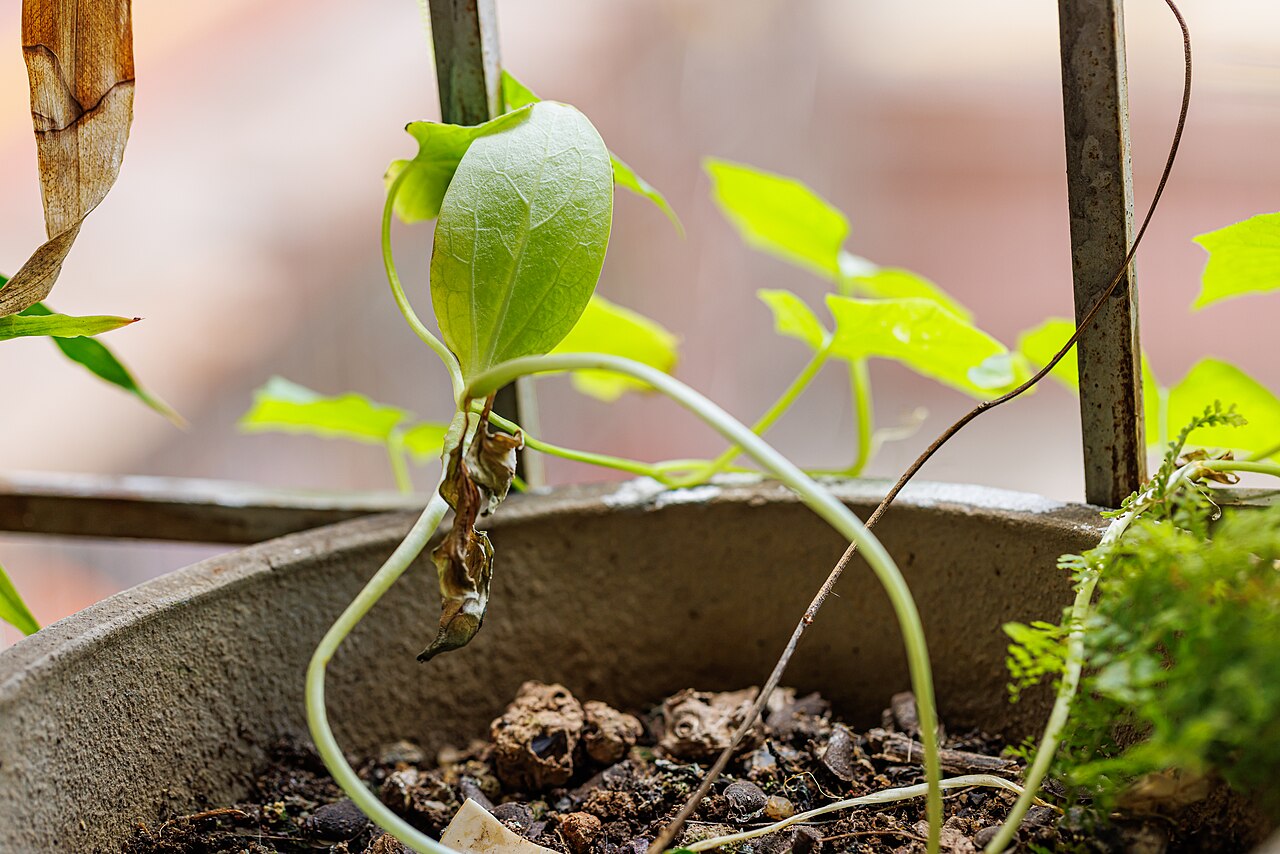
Germination is the one fussy part. Luffa seed wears a hard coat, and unsoaked seed can sit for weeks before it decides to sprout. Nick the edge of the seed coat lightly with a file, or soak the seed in warm water overnight; seed that swells has taken up water and is ready to sow. Sow after the soil has warmed, since luffa is a heat lover and sulks in cool ground. Give it a strong trellis from the start, because a luffa vine grows fast once it starts and will swallow anything weaker than itself.
Crossing is the honesty item. Luffa aegyptiaca crosses with Luffa acutangula, the ridged luffa, and the offspring are neither one nor the other. If you grow both species and save seed, expect hybrids. Grow one species if you want seed that stays itself, or accept the surprises. And self-seeding happens: a sponge dropped on the ground will sow itself next spring, often in the compost pile, where it will grow with enthusiasm and no invitation.
Florida is luffa country. The long warm season is exactly what it wants, and a vine started after the last frost will give you sponges by fall. Just give it room, give it sun, and leave one fruit to go brown.
Varieties
Every named variety of Luffa with its own growing guide:
- Extra Long Smooth Luffa — The long smooth luffa type — slender, tender fruit for eating young, and sponges if left to mature.
- Ridged Luffa — The angled luffa type — sharply ridged fruit with a firmer bite, the classic for curries and stir-fries.
- Dok Smooth Luffa — The compact smooth luffa: smaller, eleven-inch fruits for eating young — and a sponge if you let one go all the way.
- Fletcher Luffa — The sponge-maker’s luffa: a Missouri-bred selection noted for high yields of high-quality sponges — plant it for the shower, not just the stir-fry.