
🧽 Dok Smooth Luffa
What it looks like
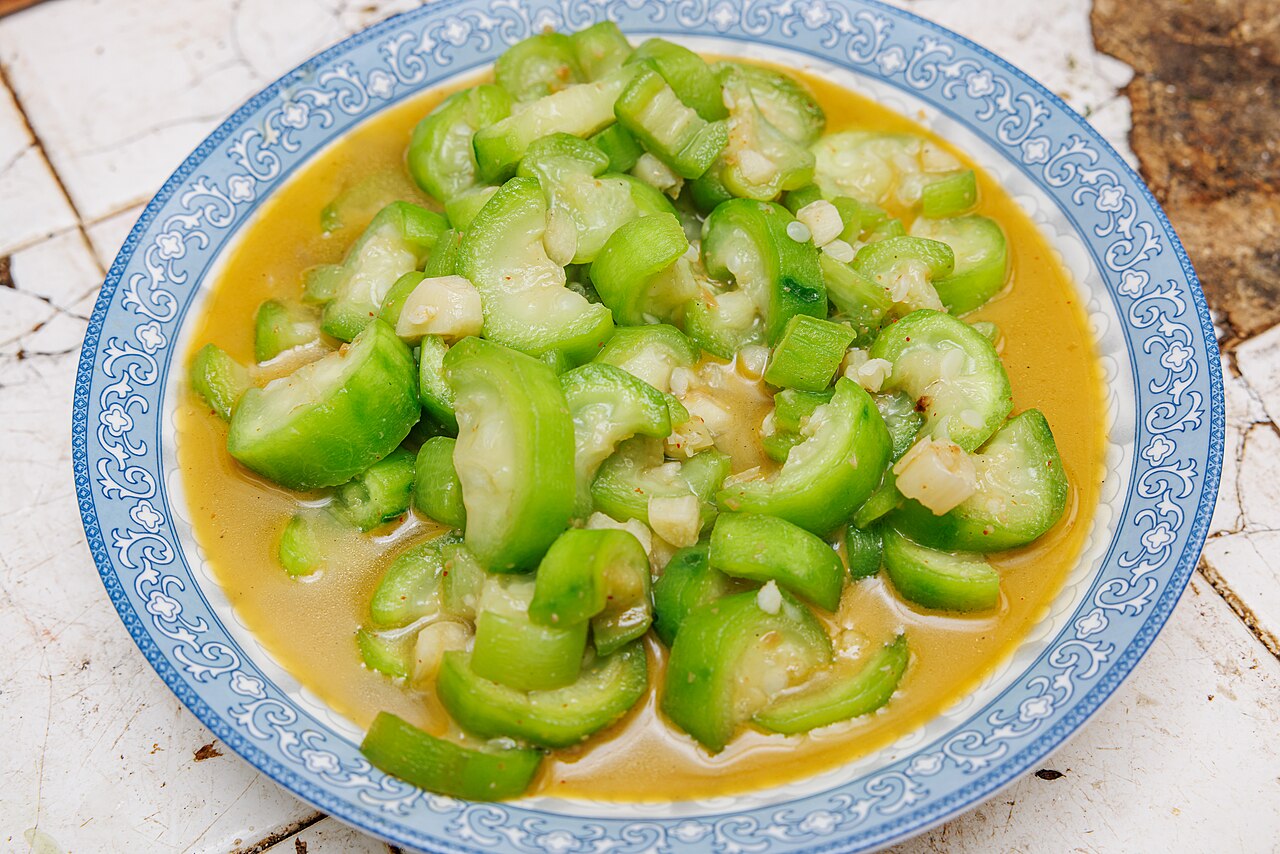
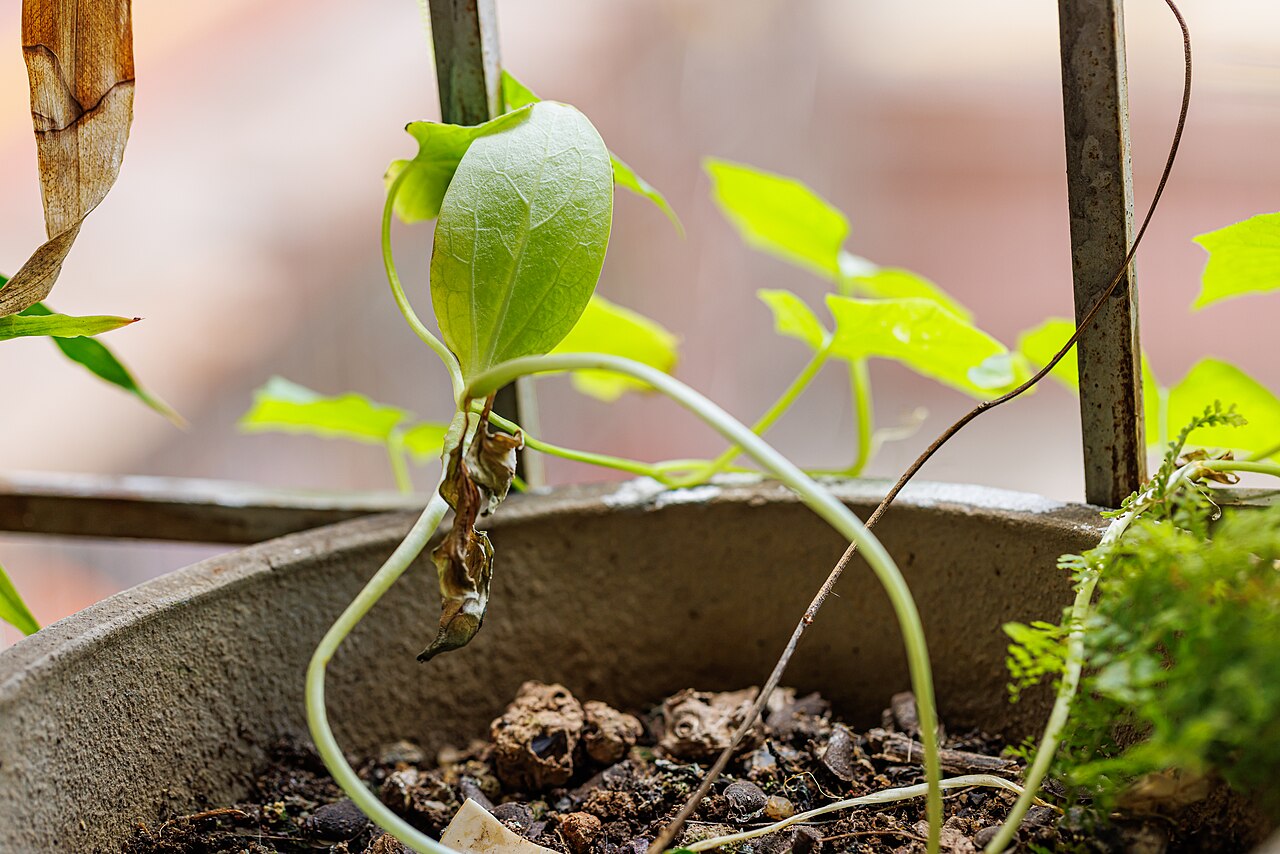
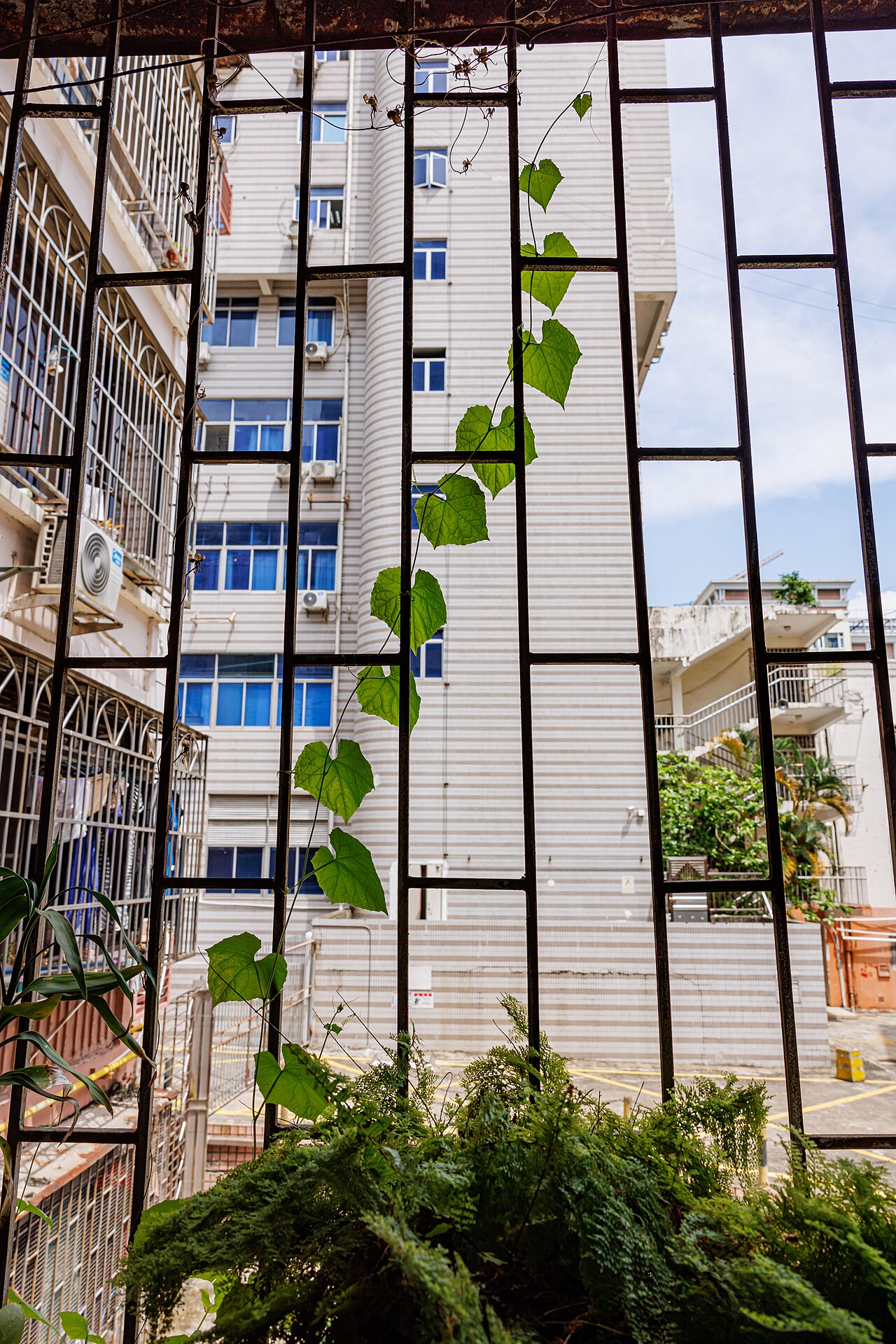
Photos show the species; no verified photo of ‘Dok Smooth Luffa’ itself was found, so these species photos are used with attribution rather than a padded substitute.
Why this variety
Dok is the smooth luffa for gardeners who do not have a thirty-foot vine problem. A hybrid smooth-skinned type, it produces smaller fruits — about eleven inches long and an inch and a half in diameter, around half a pound each — instead of the two-foot monsters of the extra-long types. That size is a practical advantage: the fruits are easier to pick young for eating, easier to handle for sponge-making, and the vine is less likely to take over the fence, the shed, and your weekend.
Like all smooth luffa (Luffa aegyptiaca), Dok is a two-harvest plant: pick fruits young, at four to eight inches, when the skin can still be pierced with a fingernail and seeds are soft and white, and you have a mild, tender vegetable for stir-fries and soups. Leave a fruit to mature fully on the vine until the skin turns brown and dry and peels away, and you have a natural sponge — the fibrous skeleton of the fruit, ready for the shower or the sink. One vine, dinner and dishwashing, is a bargain most vegetables cannot offer.
For the general picture, start with the Luffa growing guide — this guide covers what makes Dok Smooth Luffa different.
How to grow
Start seed indoors four to six weeks before last frost, soaking seed for twenty-four hours and optionally nicking the hard coat to improve germination, which takes seven to fourteen days at 75–85°F. Transplant only after soil reaches 70°F, onto a very sturdy trellis, fence, or arbor — luffa vines run long and fruits are heavy, and a flimsy support folds under a wet vine in a storm. In Florida, direct-sow after frost danger in full sun, and give the vine room: this is not a plant for a small raised bed unless the trellis goes vertical and stays there.
Water steadily and feed with compost or worm castings at planting and again when vines start running — drought stress makes luffa fruit bitter, which is the fastest way to ruin an otherwise easy crop. Mulch to hold moisture, and train vines onto the support early: fruits grown hanging straight on a trellis grow straighter than fruits left to sprawl on the ground, and straight fruits make better sponges. In Florida’s long season, Dok has time for both harvests, which is the whole point of growing luffa here rather than in a short-summer climate.
Water & feeding
Water steadily and deeply — drought stress makes luffa fruit bitter, which ruins an otherwise easy crop. Mulch to hold moisture through summer, and water at the soil line to keep foliage dry where possible. Feed with compost or worm castings at planting and again when vines start running; a vine in full production, making fruit after fruit, is a hungry vine. In Florida’s long season, steady water and food are what turn a vine into a sponge factory.
Common problems
- Poor germination — hard seed coats. Soak seed 24 hours and nick the coat; germinate at 75–85°F.
- Bitter fruit — drought stress or over-mature fruit picked for eating. Water steadily and pick young for the table.
- Powdery mildew in humid weather — airflow on the trellis, water at the base, and resistant vigor help; remove badly affected leaves.
- A trellis that folds — luffa vines in full fruit are heavy. Build stronger than you think you need, and anchor well.
Harvest
For eating, pick young fruits at four to eight inches, tender-skinned and soft-seeded, and cook promptly — luffa for eating does not store long. For sponges, leave fruits on the vine until skins are brown, dry, and lightweight, then peel, shake out seeds, wash out the pulp, and dry thoroughly in sun and airflow for one to two weeks — in humid Florida, finish drying indoors with a fan, or sponges mildew before they ever reach the shower. Save seed from your best sponge for next year, and you have a self-renewing supply of both vegetables and scrubbers.
For sponges, dry thoroughly — in humid Florida, finish indoors with a fan, or sponges mildew before they ever reach the shower.
Browse all plant & pest guides
Saving seeds
Dok is a hybrid smooth luffa, so seed saved from it won’t come true — buy fresh seed each season instead. The full method is in the Saving seeds section of the Luffa guide.