
🥒 Ridged Luffa
What it looks like

Why this variety
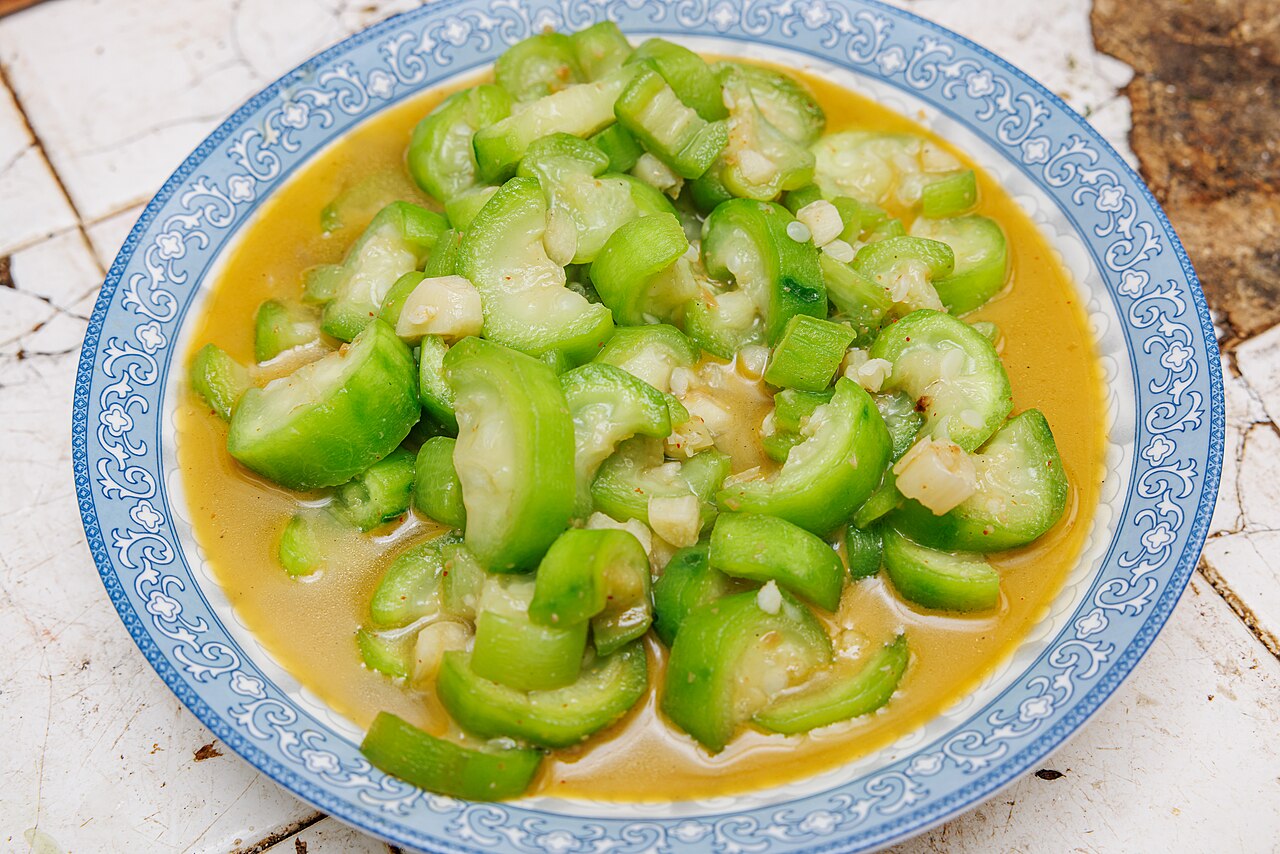
Ridged luffa — the angled gourd, botanically Luffa acutangula rather than the smooth species — is the luffa of South and Southeast Asian cooking: sharply ridged, angular fruit with a firmer texture and a slightly stronger flavor than smooth luffa, prized in curries and stir-fries where it holds its shape instead of collapsing. It is sold under this type name in seed catalogs, which is the honest norm for luffa, and the ridges are the identification, not a decoration.
Firmness is the culinary point: ridged luffa stays in distinct pieces in a curry, where smooth luffa melts into the sauce — both are good, but they are not interchangeable, and a cook who wants chunks reaches for the ridged type. The ridges also make the mature fruit’s fiber coarser, so ridged luffa is grown for eating first and sponges second.
If you are new to choosing between cultivars, the Varieties Matter guide explains why the name after the plant matters as much as the plant itself. And if you want the whole clan at a glance, the broader Luffa guide covers luffa generally.
How to grow
In Florida, luffa is in its element: give it a strong trellis, full sun, and the hottest months, and it will out-produce almost anything else on the vine. Plant after the soil is warm, and let it run — a single vine can cover a fence, and the young fruit are a vegetable while the mature ones become sponges, so one planting gives you dinner and the shower in the same season.
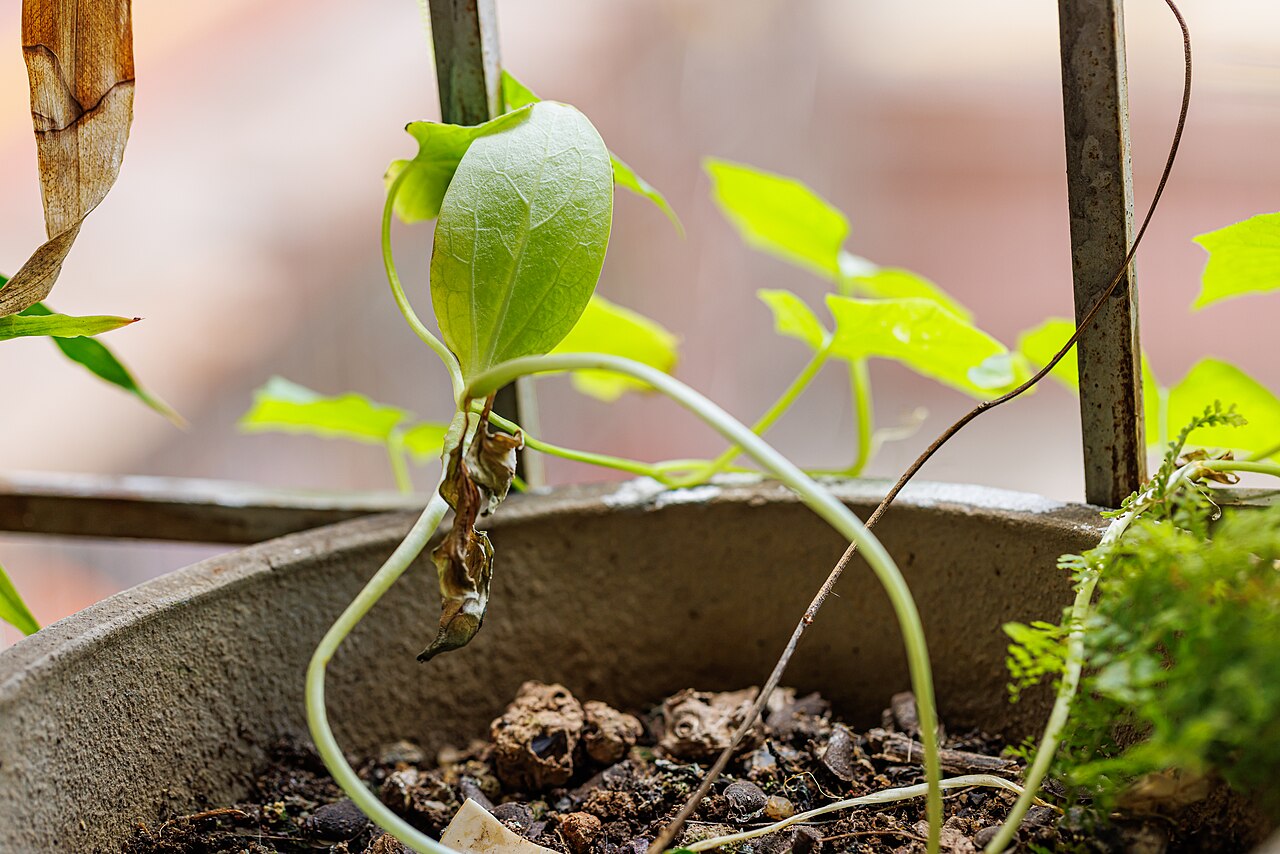
Grow it like smooth luffa: start indoors or direct-sow into warm soil, strong trellis, consistent water, and a long hot season. Ridged luffa vines are vigorous and the fruit are heavy, so a fence or overhead arbor beats a flimsy cage. Keep picking young fruit to keep the vine producing.
Water & feeding
Luffa is a thirsty vine in summer heat. Water deeply and consistently, mulch heavily to hold moisture, and feed every few weeks with compost or a balanced fertilizer. Uneven watering gives you misshapen fruit, so do not let the bed dry out between waterings.
Common problems
Cucumber beetles, squash bugs, and late-season mildew are the main troubles; airflow on a trellis is your best defense. Pick fruit before the ridges harden and the skin toughens — an overmature ridged luffa is fibrous and inedible, though still usable as a coarse scrubber.
Harvest
Harvest young, when the fruit is 6–12 inches long, the ridges are sharp but the skin is still tender, and a thumbnail dents it easily. Peel the ridges lightly if you prefer, slice into rounds, and cook promptly — ridged luffa is best the day it is picked.
Nerdy fact: Ridged luffa’s angles are not just for looks: the ridges stiffen the fruit the way corrugation stiffens cardboard, which is why an angled gourd can hang heavy on a vine without snapping — engineering, evolved, and then eaten.
Saving seeds
Ridged luffa — the angled gourd, botanically Luffa acutangula rather than the smooth species — is the luffa of South and Southeast Asian cooking: sharply ridged, angular fruit with a firmer texture and a slightly stronger flavor than smooth luffa, prized in curries and stir-fries where it holds its shape instead of collapsing. It is sold under this type name in seed catalogs, which is the honest norm for luffa, and the ridges are the identification, not a decoration. As the straight species form, seed comes true to Luffa acutangula: in Florida, luffa is in its element — give it a strong trellis, full sun, and the hottest months, and it will out-produce almost anything else on the vine. Plant after the soil is warm, and let it run — a single vine can cover a fence, and the young fruit are a vegetable while the mature ones become sponges, so one planting gives you dinner and the shower in the same season. The full method is in the Saving seeds section of the Luffa guide.