
🧽 Fletcher Luffa
What it looks like
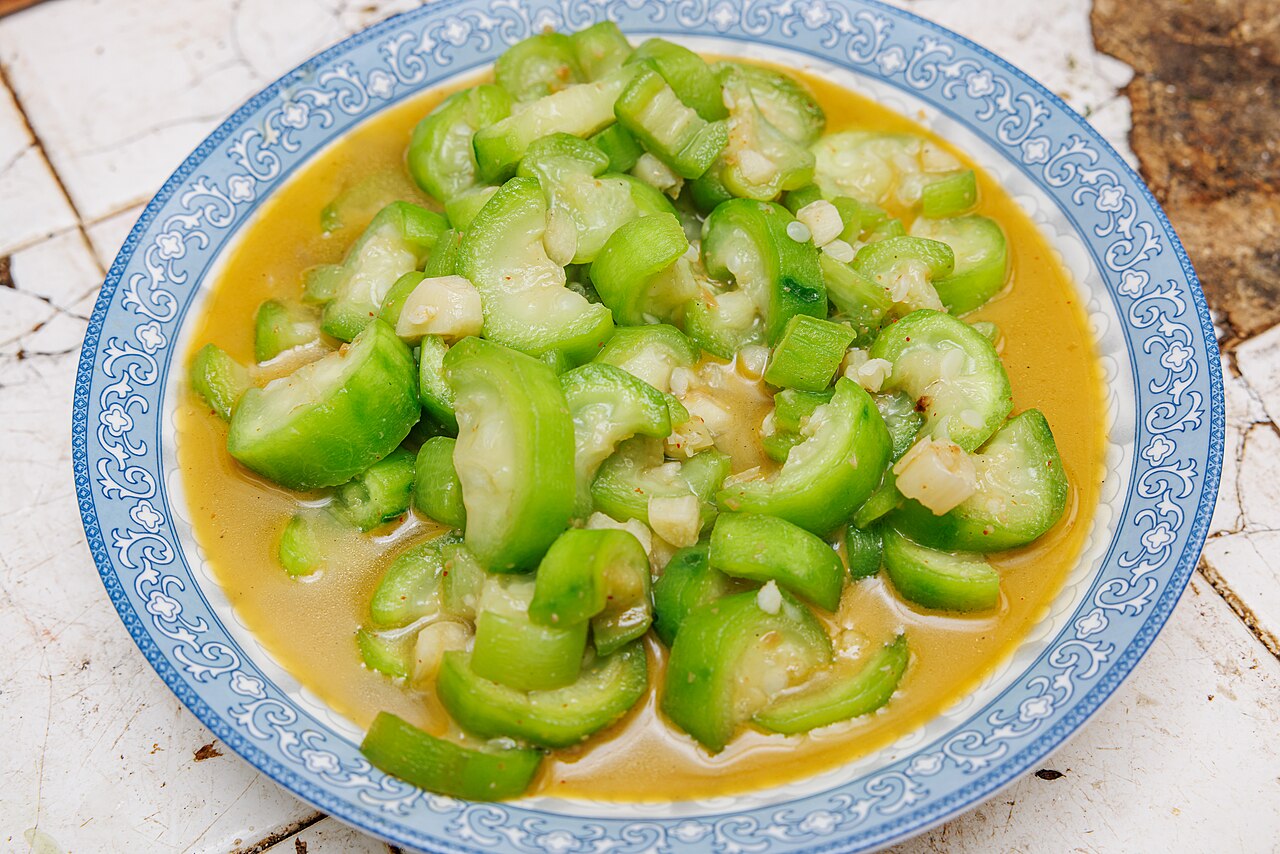
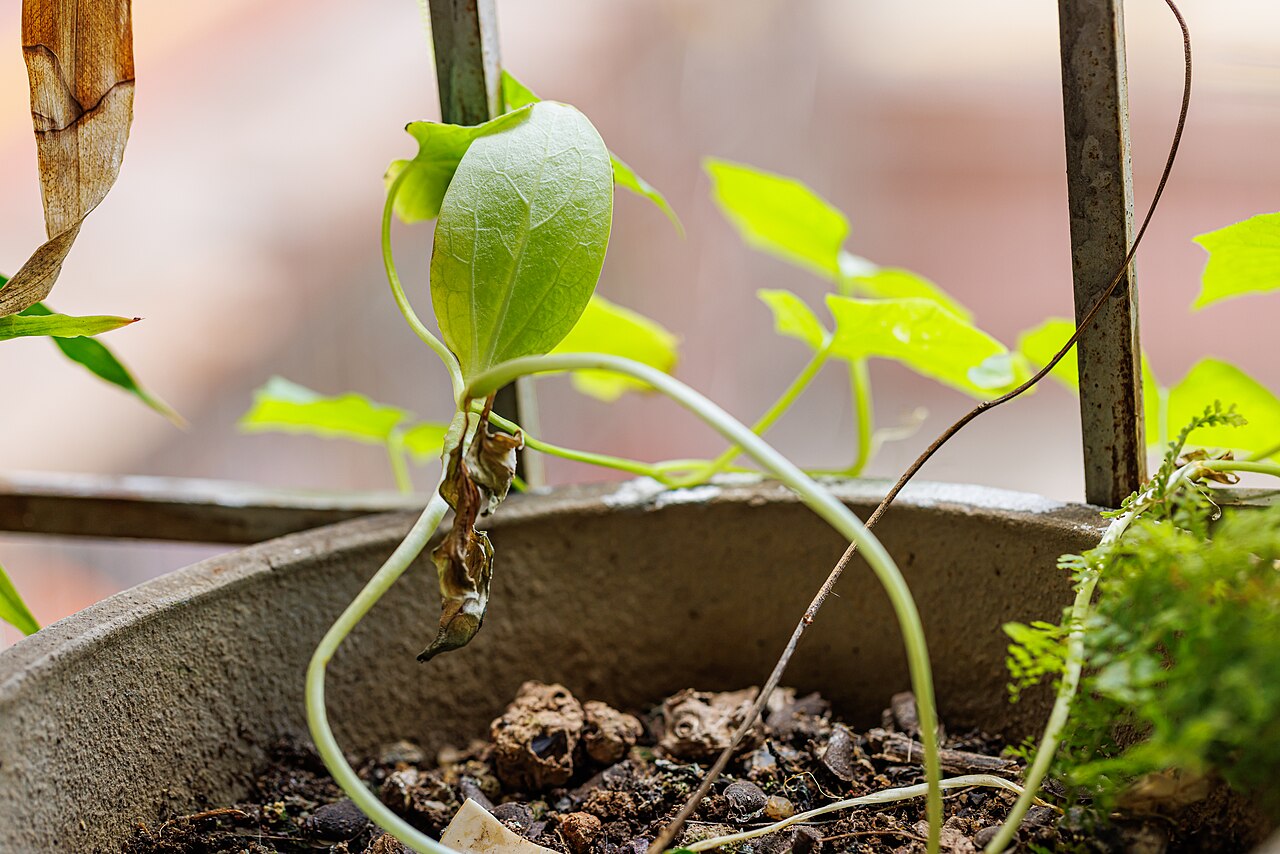
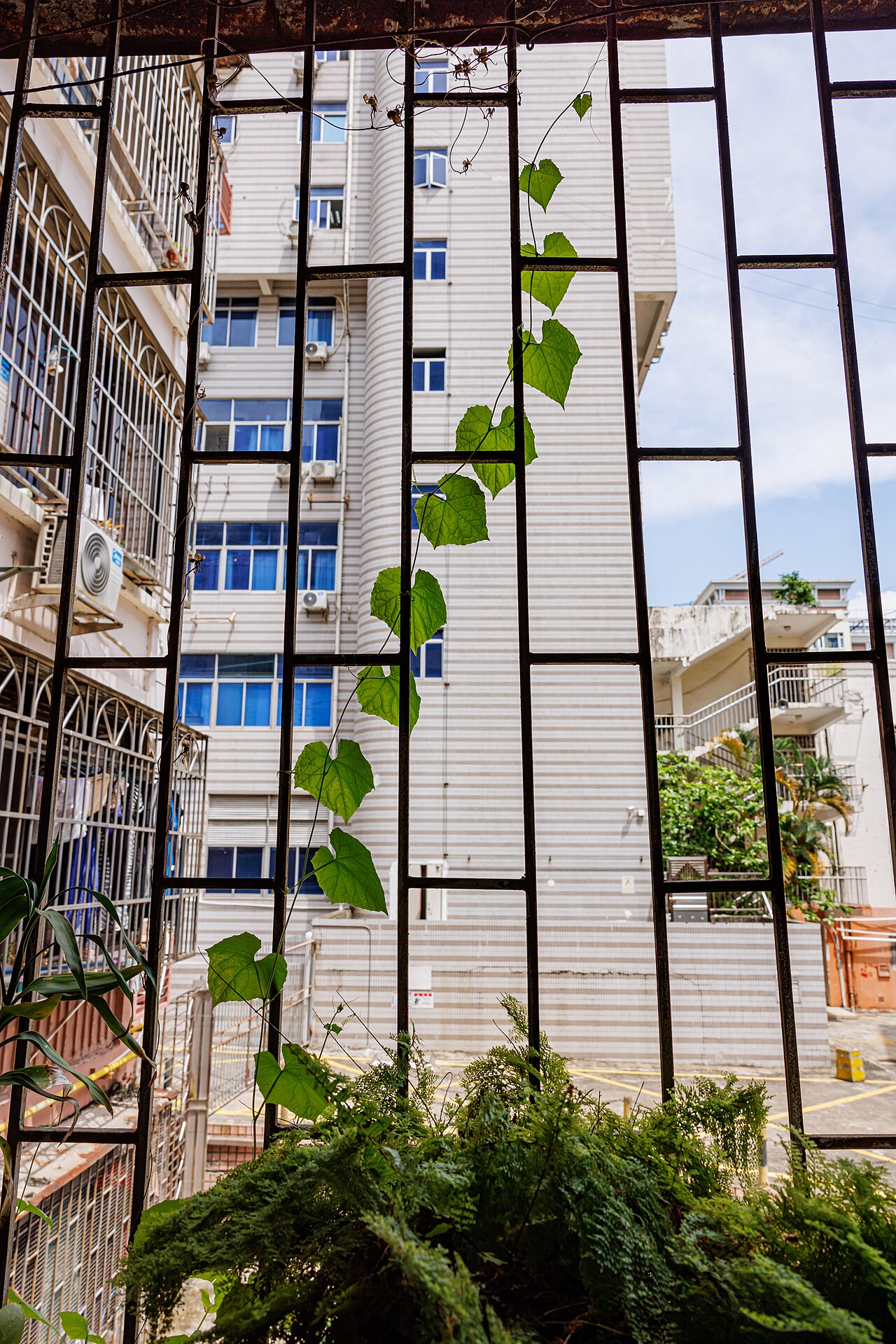
Photos show the species; no verified photo of ‘Fletcher Luffa’ itself was found, so these species photos are used with attribution rather than a padded substitute.
Why this variety
Fletcher is the luffa listed in North Carolina State’s cucurbit cultivar descriptions as a Missouri-bred selection (breeder DeCourley) noted for high yields of high-quality sponges, about 100 by 400 millimeters — roughly four by sixteen inches of usable sponge per fruit. That is a specific claim, and it is the reason to grow Fletcher over a generic luffa: if your goal is sponges rather than stir-fry, a variety selected for sponge yield and quality beats a variety selected for nothing in particular. In Florida’s long season, where sponges have time to fully mature, that selection pays off.
Like all smooth luffa, Fletcher is still edible young — pick at four to eight inches for a mild vegetable — but its reputation rests on the mature fruit, so plan to leave most of the crop on the vine until skins brown and dry. A vine that gives you a year’s supply of natural sponges from a few dollars of seed is a quiet kind of self-sufficiency, and it is a good story for a garden tour: “Yes, that shower sponge grew on the fence.”
For the general picture, start with the Luffa growing guide — this guide covers what makes Fletcher Luffa different.
How to grow
Start seed indoors four to six weeks before last frost, soaking for twenty-four hours and nicking the hard coat if germination is slow, at 75–85°F for seven to fourteen days. Transplant after soil reaches 70°F onto the strongest trellis you own — Fletcher vines are vigorous and mature fruits are heavy, so a cattle-panel arch or a sturdy fence beats a tomato cage by a wide margin. In Florida, direct-sow after frost danger in full sun, and give the vine vertical room: a luffa allowed to sprawl makes curved, ground-stained fruits, while a luffa grown hanging straight makes straight sponges.
Water steadily — drought stress makes fruit bitter and shortens vines — and feed with compost or worm castings at planting and when vines run. Mulch to hold moisture through summer, and train shoots onto the support early. Sponge production needs a long season, so do not start Fletcher late: in Florida, a spring planting gives it the full summer and fall to mature, which is exactly what a sponge luffa wants.
Water & feeding
Water steadily and deeply — drought stress makes luffa fruit bitter, which ruins an otherwise easy crop. Mulch to hold moisture through summer, and water at the soil line to keep foliage dry where possible. Feed with compost or worm castings at planting and again when vines start running; a vine in full production, making fruit after fruit, is a hungry vine. In Florida’s long season, steady water and food are what turn a vine into a sponge factory.
Common problems
- Poor germination — hard seed coats. Soak seed 24 hours and nick the coat; germinate at 75–85°F.
- Bitter fruit — drought stress or over-mature fruit picked for eating. Water steadily and pick young for the table.
- Powdery mildew in humid weather — airflow on the trellis, water at the base, and resistant vigor help; remove badly affected leaves.
- A trellis that folds — luffa vines in full fruit are heavy. Build stronger than you think you need, and anchor well.
Harvest
For eating, pick young at four to eight inches, tender and soft-seeded. For sponges — the main event — leave fruits until skins are brown, dry, lightweight, and starting to crack, then peel, shake out seeds, wash thoroughly, and dry in sun and airflow for one to two weeks, finishing indoors with a fan in humid weather. A properly dried Fletcher sponge lasts months with rinsing and thorough drying between uses, and it composts at the end of its life, unlike its plastic cousins.
For sponges, dry thoroughly — in humid Florida, finish indoors with a fan, or sponges mildew before they ever reach the shower.
Browse all plant & pest guides
Saving seeds
Fletcher’s hybrid status isn’t pinned down — no source states whether this Missouri-bred sponge luffa selection is open-pollinated or a hybrid, so buy fresh seed to be safe. The full method is in the Saving seeds section of the Luffa guide.